
The tragic story of Shanann Watts remains a somber point of reflection for many, but beyond the human tragedy, it also offers a compelling, albeit devastating, case study in personal branding, public perception, and the fragile line between curated online identities and grim realities. Shanann Watts, through her active social media presence, meticulously constructed and maintained a personal brand centered around family, wellness, and entrepreneurial success. Her story, particularly its public unravelling, provides crucial insights into the dynamics of digital identity, brand authenticity, and the unforeseen forces that can dismantle a carefully built persona.

The Architect of an Online Persona: Building the Shanann Watts Brand
In the digital age, individuals often become architects of their own personal brands, crafting narratives that reflect their aspirations, values, and daily lives. Shanann Watts was a prime example of this phenomenon, leveraging platforms like Facebook to cultivate an image of aspirational living. Her brand was multifaceted, intertwining elements of family life, health consciousness, and direct-selling entrepreneurship.
Curating Authenticity: Life as a Social Media Narrative
Shanann’s online presence was characterized by a consistent stream of posts, photos, and videos that painted a picture of a loving wife and mother, dedicated to her children and committed to a healthy lifestyle. This content served as the bedrock of her personal brand, projecting an image of domestic bliss and personal fulfillment. Each update was a curated piece of her narrative, designed to engage her audience and reinforce the desired perception. She shared moments of joy, celebrations, and the everyday triumphs of family life, seemingly offering an authentic glimpse into her world. This curation is a fundamental aspect of modern personal branding, where individuals strategically select and present information to shape how they are perceived by their online communities. The goal is often to foster relatability and trust, creating an emotional connection with followers.
The MLM Aspect: Product, Community, and Personal Brand Extension
A significant component of Shanann’s personal brand was her involvement with Le-Vel, a multi-level marketing (MLM) company selling health and wellness products under the “Thrive” brand. Her role as a promoter and ambassador for Thrive became inextricably linked with her identity. Through her posts, she not only showcased the products but also embodied the lifestyle they purported to offer: energy, vitality, and financial freedom.
In the MLM model, the personal brand of the distributor is paramount. Success often hinges on one’s ability to inspire trust, demonstrate product efficacy through personal experience, and recruit others into the network. Shanann’s social media content frequently blended personal anecdotes with product testimonials, depicting Thrive as the catalyst for her family’s well-being and her own entrepreneurial success. This extended her personal brand from purely familial to a business-oriented identity, where her life was the advertisement. She leveraged the power of social proof, sharing her journey and encouraging others to join her in what she presented as a lucrative and fulfilling endeavor. This strategic integration of her personal life with her business venture is a common, yet delicate, balancing act in personal branding, particularly within the MLM space, where the individual is often the primary marketing tool.
Public Perception and the Cracks in the Facade
The meticulously constructed personal brand, while powerful, is inherently vulnerable to external scrutiny and the stark contrast between public presentation and private reality. For Shanann Watts, her online persona faced an unimaginable test, leading to a profound re-evaluation of public perception.
The Illusion of Perfection: Social Media’s Double-Edged Sword
Social media platforms, while enabling brand building, also foster an environment where an illusion of perfection can thrive. Individuals often present an idealized version of their lives, highlighting successes and happiness while omitting struggles and imperfections. Shanann’s brand, like many others, leaned into this idealism. Her posts consistently conveyed an image of an unblemished family life and flourishing business, creating a narrative of unwavering success.
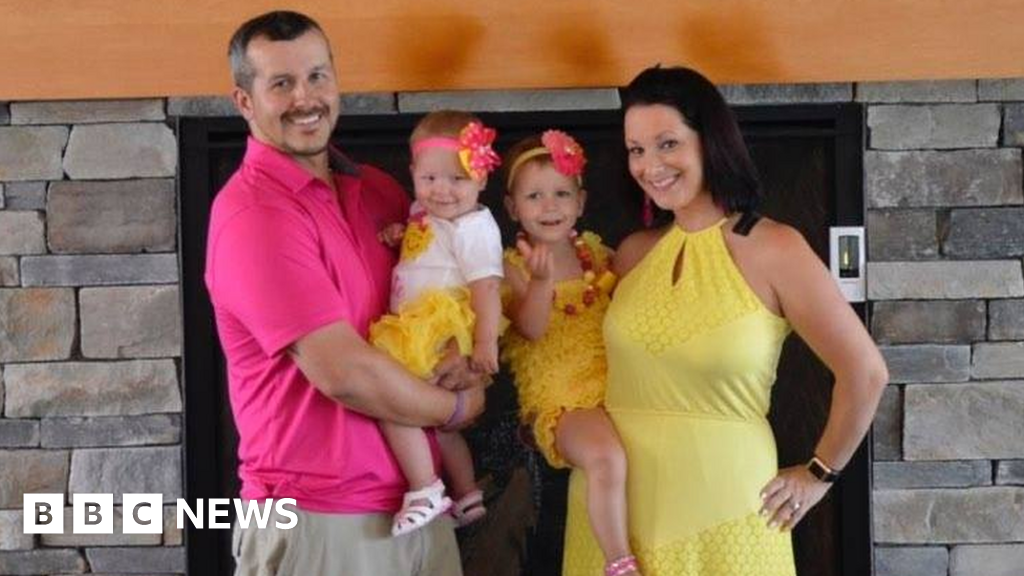
This strategy, while effective in attracting followers and generating engagement, carries an inherent risk. When reality deviates significantly from the projected image, the impact on public perception can be devastating. The contrast between the seemingly perfect online life and the later revealed private turmoil exposed the fragility of such an idealized brand. It highlighted how easily a curated facade can crumble, leading audiences to question the authenticity of everything that was once shared. This phenomenon serves as a powerful reminder for brand strategists about the importance of genuine transparency, even within the confines of careful curation, to build resilient brands that can withstand scrutiny.
When Personal Brand Meets Public Scrutiny
The tragic events that unfolded around Shanann Watts and her family thrust her previously curated online identity into an unforgiving spotlight. What was once a source of aspiration and connection became an object of intense public and media scrutiny. Every past post, every shared family photo, and every testimonial for Thrive was re-examined through a new, much darker lens.
This shift in perception is a critical aspect of crisis management for any brand, be it corporate or personal. In Shanann’s case, her online footprint, intended to bolster her image, inadvertently provided a stark contrast to the devastating reality. The vibrant videos of her children and the enthusiastic endorsements of her business suddenly took on a poignant, almost haunting, quality. The public’s re-interpretation of her content illustrates how context profoundly impacts brand perception. The narrative of her life, once controlled by her own curation, was irrevocably altered and largely shaped by external events and subsequent revelations. This shift underscores the challenge of maintaining brand integrity when external forces dramatically change the public’s understanding of the brand’s core.
The Catastrophic Collapse: Branding in Crisis and Aftermath
The ultimate collapse of a personal brand, especially under such tragic circumstances, offers profound lessons on legacy, vulnerability, and the enduring power of digital footprints.
The Irreversible Impact on Image and Legacy
For any personal brand, a crisis event can be a defining, and often destructive, moment. For Shanann Watts, the events of August 2018 led to the complete and irreversible shattering of the brand she had so carefully constructed. Her image, once associated with joy, family, and entrepreneurial spirit, became synonymous with tragedy and betrayal. This transformation highlights the extreme vulnerability of personal brands to external, unforeseen events that are entirely outside the brand owner’s control.
The digital footprint, intended to build a positive legacy, instead became a stark record of a life cut short and a family devastated. Her social media profiles, once lively and current, became static memorials, continually re-examined by a morbidly curious public. This phenomenon underscores the enduring nature of digital content and its potential to shape a posthumous legacy in ways unimaginable to the original creator. The narrative shifted from one of aspiration to one of analysis, with experts and the public dissecting her online behavior for clues, rather than inspiration.

Lessons in Transparency and Vulnerability for Personal Branding
The story of Shanann Watts, viewed through the lens of personal branding, offers critical lessons for individuals and businesses navigating the digital landscape. While her tragedy is unique in its severity, the underlying principles about authenticity, transparency, and vulnerability in brand building are universal.
Firstly, it demonstrates the inherent tension between presenting an aspirational, often idealized, image online and the complex, messy realities of human life. While aspiration can be motivating, a brand built solely on the illusion of perfection can be brittle. There is a growing imperative for personal brands to embrace a degree of vulnerability and authenticity, allowing for the natural ebbs and flows of life to be reflected, rather than exclusively showcasing triumphs.
Secondly, the lasting digital footprint serves as a permanent record. Every post, every interaction, contributes to an evolving narrative that can be reinterpreted under different circumstances. This emphasizes the need for thoughtful and intentional digital citizenship, recognizing that online content can take on new meanings and contexts over time.
Finally, the incident underscores the ethical considerations surrounding the portrayal of personal lives online, particularly when associated with commercial ventures like MLM. The blurring of lines between personal identity and commercial promotion necessitates a careful approach to ensure that the pursuit of a strong brand does not inadvertently create a deceptive or unsustainable public persona. Shanann Watts’ story, ultimately, is a poignant reminder that while personal brands offer powerful tools for connection and opportunity, they are also profoundly human constructs, susceptible to the same vulnerabilities and unforeseen circumstances that shape all our lives.
aViewFromTheCave is a participant in the Amazon Services LLC Associates Program, an affiliate advertising program designed to provide a means for sites to earn advertising fees by advertising and linking to Amazon.com. Amazon, the Amazon logo, AmazonSupply, and the AmazonSupply logo are trademarks of Amazon.com, Inc. or its affiliates. As an Amazon Associate we earn affiliate commissions from qualifying purchases.