
The name “Seneca Village” might conjure images of a quaint, forgotten hamlet, perhaps lost to the ravages of time. And in a way, it was. But the story of Seneca Village isn’t one of natural decay; it’s a powerful narrative about forced displacement, urban development, and the persistent echoes of erased communities. While the physical structures are gone, the spirit and the lessons of Seneca Village resonate profoundly in our modern world, especially when viewed through the lenses of technology, brand, and the enduring pursuit of financial well-being.
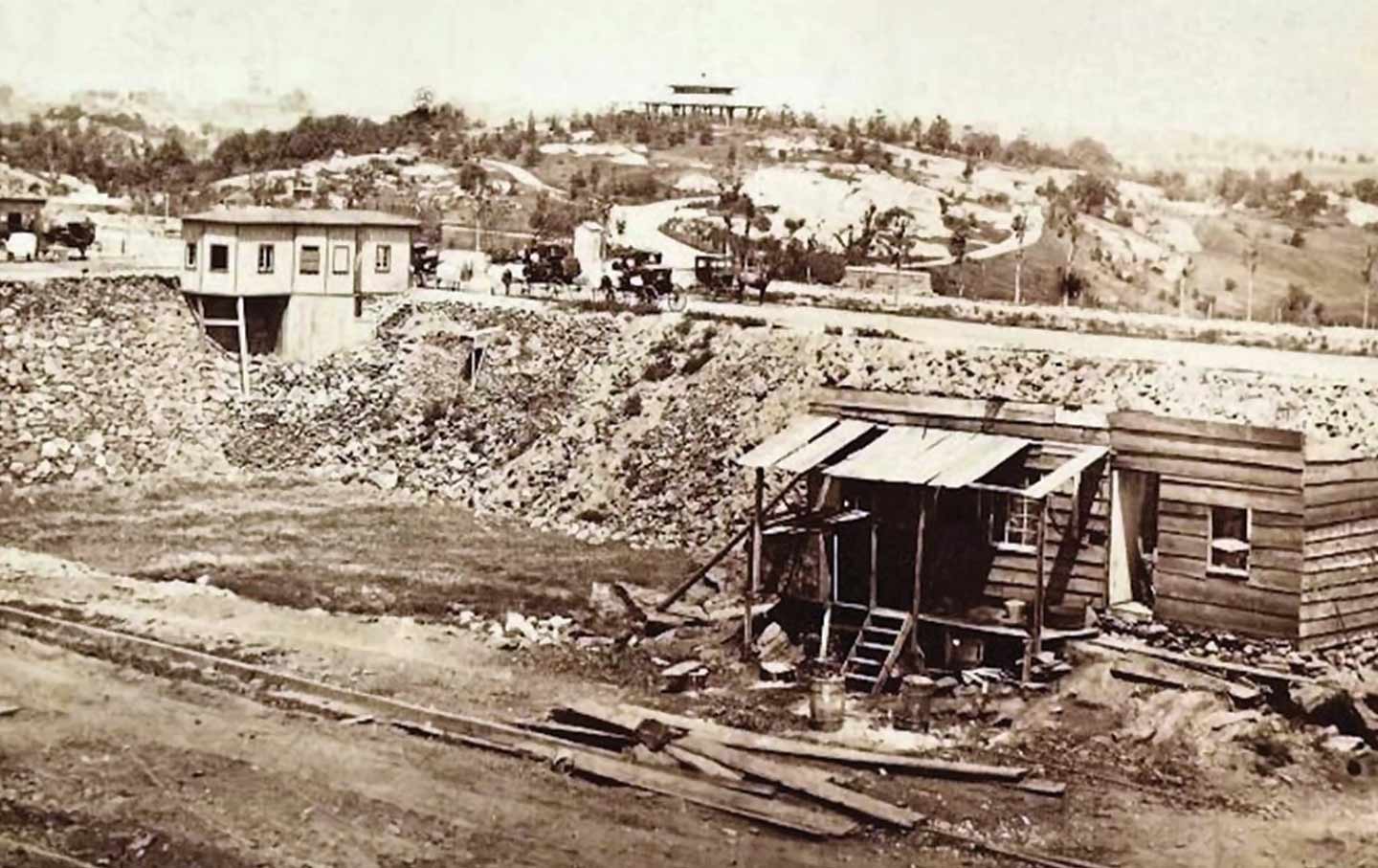
This article delves into the history of Seneca Village, exploring its existence, its demise, and what its story can teach us about power, progress, and the indelible impact of human endeavors – both intended and unintended. We’ll examine how a community, built on resilience and aspiration, was systematically dismantled and how, in a twisted sense, its memory and the land it occupied have been re-purposed in ways that speak to our current technological, branding, and financial landscapes.
The Rise and Fall of Seneca Village: A Community Erased
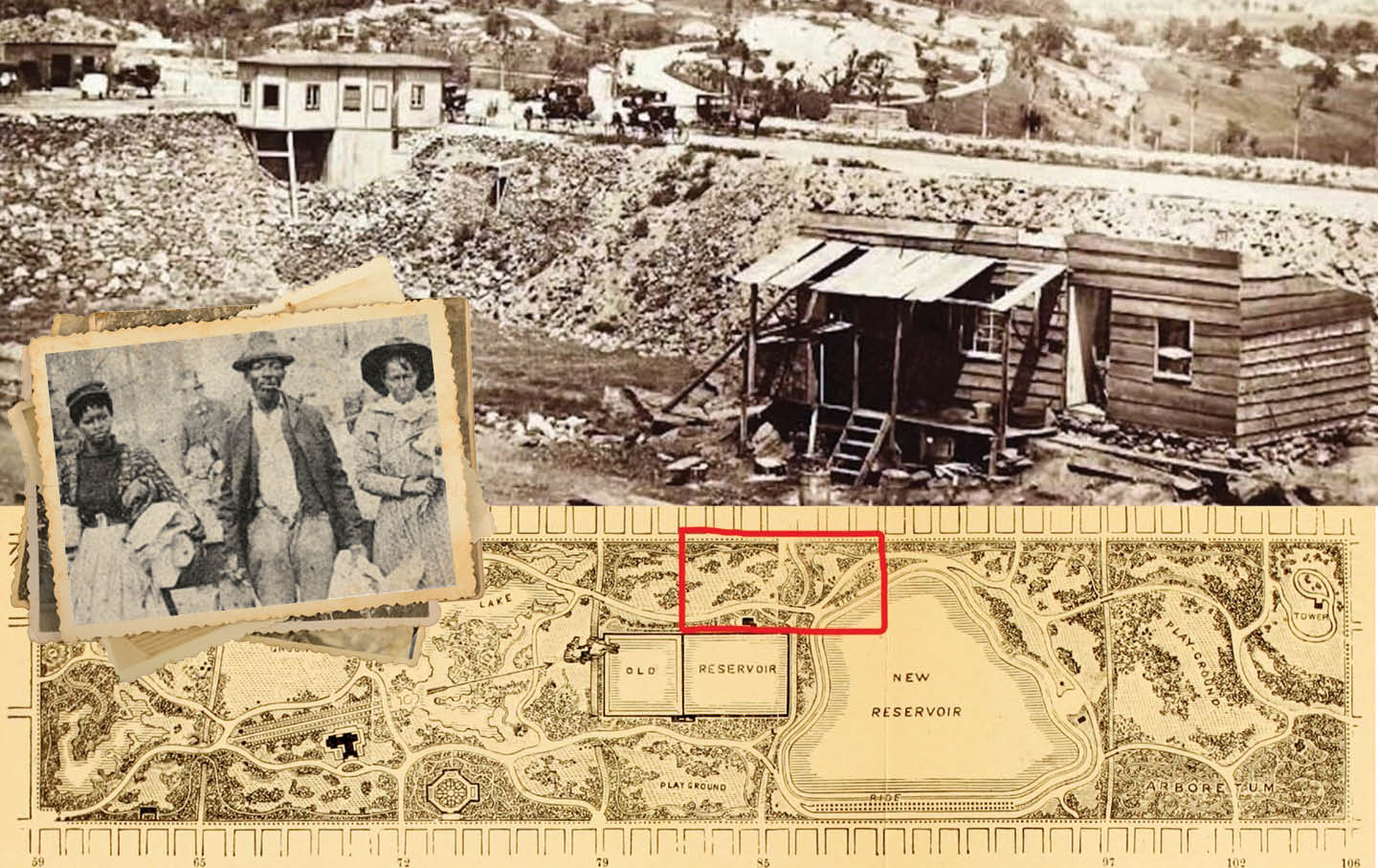
Seneca Village, nestled in what is now the heart of New York City’s Central Park, was more than just a collection of houses. It was a thriving community, predominantly inhabited by free African Americans and Irish immigrants, who sought refuge and opportunity in the mid-19th century. Established in the 1820s, it was a place where people owned land, built homes, and forged a sense of belonging. This was a crucial period in American history, where opportunities for Black Americans, even free ones, were severely limited. Seneca Village offered a semblance of autonomy and the chance to build a life free from the immediate specters of chattel slavery.
The community boasted a rich social fabric. It had churches, schools, a cemetery, and a diverse population. The African American residents, many of whom had been formerly enslaved, found economic stability through various trades and professions. The Irish immigrants, fleeing famine and hardship, added to the vibrant tapestry of this unique settlement. It was a testament to the human spirit’s ability to create community and thrive even in the face of societal prejudice and economic challenges.
However, this burgeoning community was built on land destined for a different purpose. In the 1850s, the City of New York decided to create a grand public park, a “breathing space” for the burgeoning metropolis. The chosen site? The land occupied by Seneca Village and several other smaller settlements. Despite petitions, legal challenges, and a deep emotional attachment to their homes, the residents of Seneca Village were ultimately displaced. The city invoked eminent domain, offering compensation that many deemed insufficient, and systematically dismantled their homes and their lives. The narrative of progress, of a grand civic project, overshadowed the human cost and the erasure of an established community.
The Echoes of Displacement: Lessons in Resilience and Resistance
The forced removal of Seneca Village residents is a stark reminder of how powerful entities can prioritize grand visions over the rights and livelihoods of individuals and communities. This historical event serves as a powerful case study in the dynamics of power, gentrification (in a proto-form), and the enduring human desire for stability and belonging.
The Narrative of “Progress” vs. Lived Experience: The city’s narrative was one of forward-thinking urban planning and the creation of a public good. For the residents of Seneca Village, however, it was a narrative of loss, dispossession, and the destruction of their homes and heritage. This disconnect between the official story and the lived reality of those affected is a recurring theme in historical and contemporary accounts of development projects. It highlights the importance of understanding whose stories are being told and whose are being silenced.
The Power of Community and Resistance: Despite their eventual displacement, the residents of Seneca Village did not go down without a fight. Their efforts to resist the evictions, though ultimately unsuccessful, demonstrate the strength of community bonds and the human will to protect one’s home and way of life. This echoes through various social justice movements today, where communities organize and advocate for their rights in the face of overwhelming odds.
The Digital Footprint of Erasure: In the age of digital archives and online storytelling, the story of Seneca Village is experiencing a resurgence. Archaeological discoveries and historical research have brought its history back to light, allowing for a more nuanced understanding of its existence and demise. This digital preservation and dissemination of information is crucial for ensuring that such histories are not entirely lost, offering a platform for the voices that were once marginalized.
Seneca Village’s Land Today: A Landscape Transformed
The land that once housed Seneca Village is now a central and iconic part of Central Park. The rolling hills, the open meadows, and the very foundations of the park bear witness to the community that once flourished there. The transformation is complete, with the physical remnants of Seneca Village largely buried or built over. Yet, the ghost of its existence lingers, a subtle undertone to the vibrant public space.
Central Park as a Brand: Public Space and Its Identity
Central Park itself has become a global brand. It is synonymous with New York City, a symbol of urban oasis, and a highly valued public amenity. This brand is built on decades of meticulous curation, marketing, and a consistent delivery of its intended purpose: a green sanctuary for millions.
The “Product” of the Park: From a branding perspective, Central Park is a meticulously crafted product. Its design, its amenities, and its perceived benefits – recreation, relaxation, natural beauty – are all elements that contribute to its brand equity. The park’s brand is one of aspiration, escape, and a quintessential New York experience.
Managing the Brand Through Technology: The management of such a massive and iconic brand relies heavily on technology. From sophisticated park maintenance systems to digital platforms for visitor information and engagement, technology plays a vital role in preserving and enhancing the Central Park brand. Geolocation services help visitors navigate the park, while social media allows for its story and its beauty to be shared globally. Digital archives and virtual tours can even offer glimpses into the park’s history, though the specific narrative of Seneca Village often requires dedicated exploration.
The Unseen Brand: The Legacy of Seneca Village: What remains an unspoken aspect of the Central Park brand is its origin story, including the displacement of communities like Seneca Village. While not an intended part of the public narrative, the historical context adds a layer of complexity to the park’s identity. It serves as a reminder that even the most beloved public spaces can have histories of exclusion and dispossession. Future branding efforts might explore how to acknowledge and incorporate these complex histories in a sensitive and educational manner, perhaps through digital storytelling initiatives.
The Financial Footprint of Development: Land Value and Opportunity
The story of Seneca Village is also inextricably linked to the world of finance, real estate, and the economic forces that drive urban development. The land on which Seneca Village stood was valuable, and its acquisition for Central Park represented a significant financial transaction, albeit one that benefited developers and the city at the expense of the displaced residents.
From Homeownership to Public Asset: The Financial Shift
The Economic Value of Land: In the mid-19th century, the land occupied by Seneca Village had inherent economic value. For its residents, this value was tied to their ability to own homes, cultivate land, and build wealth within their community. However, the city’s vision for the land dictated a different kind of economic valuation – one based on its potential as a public amenity and a driver of surrounding property values.
The Role of Eminent Domain: The power of eminent domain, the government’s right to acquire private property for public use with just compensation, was the financial mechanism that enabled the demolition of Seneca Village. While intended to serve the public good, the process often resulted in financial outcomes that favored the acquiring entity over the property owners. The compensation received by Seneca Village residents, often deemed inadequate, highlights the financial disparities and power imbalances inherent in such transactions.
Investment in “Progress”: The development of Central Park was a massive investment. The city and its stakeholders saw it as a sound financial decision, anticipating increased land values in surrounding areas and attracting more residents and businesses. This investment in public infrastructure, while beneficial in many ways, came at a significant human and financial cost to the original inhabitants. This model of “progress” – where land is acquired and revalued for development – is a pattern that has repeated throughout urban history.

Digital Real Estate and the Future of Urban Spaces
While Seneca Village’s story is rooted in 19th-century land acquisition, its echoes can be seen in contemporary discussions about urban development, gentrification, and the financial implications of technology. The concept of “digital real estate” and the increasing reliance on data for urban planning and resource allocation offer new parallels.
Data-Driven Development: Today, urban planners and developers often rely on sophisticated data analysis, much of it enabled by technology, to identify prime locations for development and predict financial returns. This data-driven approach can, in some ways, echo the top-down decision-making that led to Seneca Village’s demise, where the needs and desires of existing communities can be overlooked in favor of projected economic gains.
The Financialization of Public Space: The concept of public space is increasingly being viewed through a financial lens. Parks and green spaces are recognized not just for their recreational and environmental benefits, but also for their impact on property values and their potential to attract investment. This can lead to a tension between the ideal of truly public, accessible spaces and the financial pressures that can lead to their commercialization or their exclusive use.
Lessons for the Digital Age: The story of Seneca Village serves as a cautionary tale as we continue to shape our urban environments and, increasingly, our digital ones. It reminds us to question the narratives of progress, to consider the human cost of development, and to ensure that the benefits of technological advancement and financial growth are shared equitably. As we build new communities and new digital landscapes, understanding the historical precedents of displacement and erasure is crucial for fostering more inclusive and just futures. The virtual streets and digital real estate of tomorrow must learn from the unbuilt dreams and the erased communities of yesterday.
aViewFromTheCave is a participant in the Amazon Services LLC Associates Program, an affiliate advertising program designed to provide a means for sites to earn advertising fees by advertising and linking to Amazon.com. Amazon, the Amazon logo, AmazonSupply, and the AmazonSupply logo are trademarks of Amazon.com, Inc. or its affiliates. As an Amazon Associate we earn affiliate commissions from qualifying purchases.