
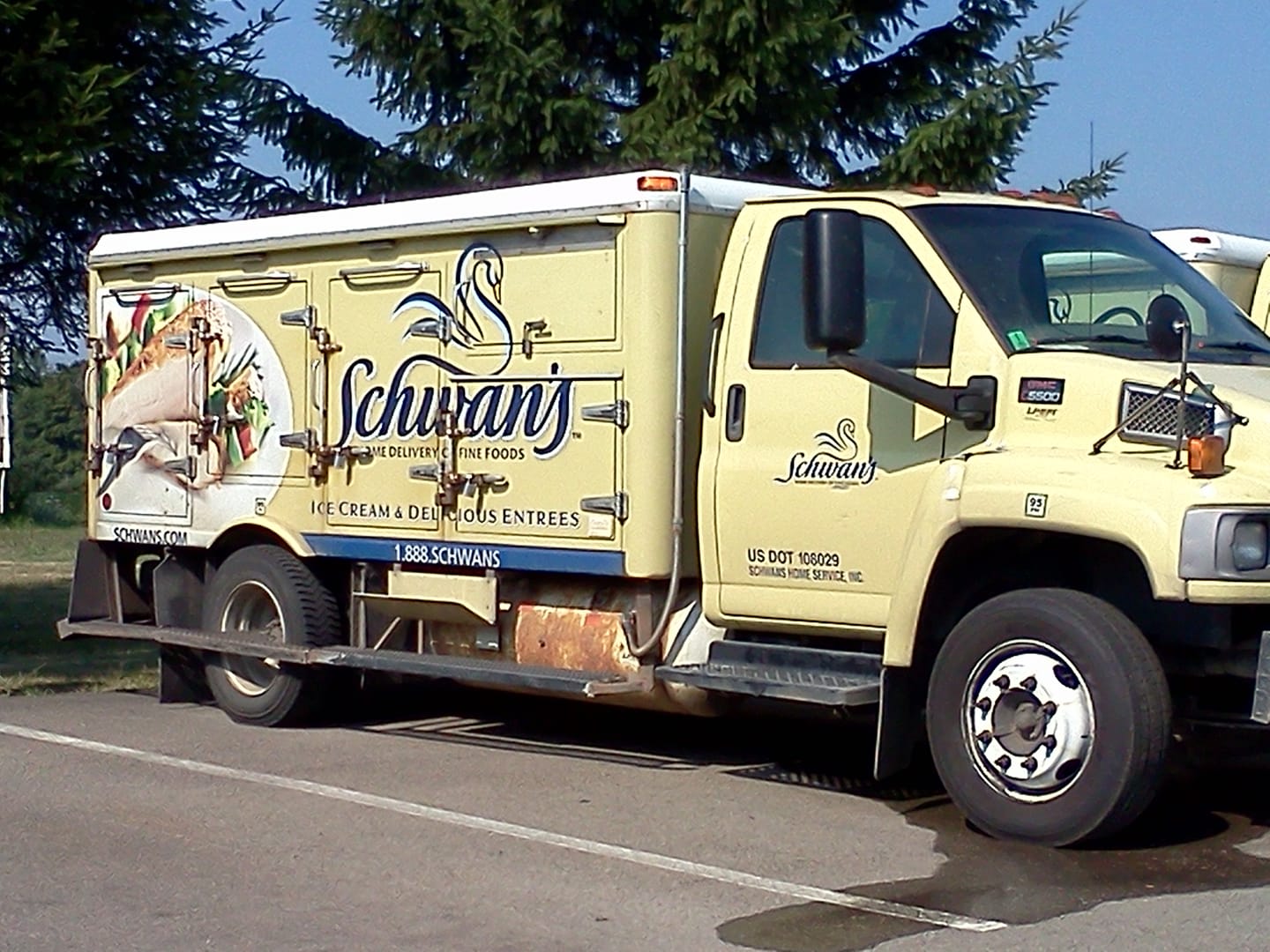
For over seventy years, the sight of a pale yellow truck pulling into a suburban driveway was more than just a delivery; it was a symbol of reliability, community, and a specific type of American mid-century nostalgia. Schwan’s Home Delivery was a titan of the direct-to-consumer food industry long before the term “DTC” was coined by Silicon Valley startups. However, recent years have seen a radical transformation—and eventual decline—of this iconic brand.
The story of what happened to Schwan’s is not merely a tale of changing consumer habits or logistical challenges; it is a masterclass in brand equity, the risks of rebranding, and the delicate balance between modernization and heritage. By analyzing the transition from Schwan’s to “Yelloh” and the brand’s subsequent struggle, we can uncover vital lessons in corporate identity and strategic marketing.
The Legacy of the Yellow Truck: Building Multi-Generational Brand Equity
To understand the downfall, one must first understand the immense brand equity that Schwan’s Home Delivery built over seven decades. Founded in 1952 by Marvin Schwan, the company began with a single truck delivering ice cream to rural families in Minnesota. This humble beginning laid the foundation for a brand identity centered on personal connection and “hometown” service.
The Power of Visual Identity and Touchpoints
The pale yellow truck was perhaps one of the most effective “mobile billboards” in marketing history. In brand strategy, a brand touchpoint is any interaction between the consumer and the business. For Schwan’s, the truck was a recurring, physical presence in neighborhoods. It didn’t just deliver food; it signaled a scheduled, dependable ritual. The color itself—a soft, creamy yellow—became synonymous with the quality of their dairy products. This visual consistency created a high level of “brand salience,” ensuring that Schwan’s was the first name families thought of when they needed high-quality frozen goods.
Trust as a Competitive Advantage
In the Brand niche, trust is the ultimate currency. Schwan’s built this through a unique sales model: the driver-salesperson. Unlike modern delivery gig workers who are often anonymous and transitory, Schwan’s drivers often held the same routes for years. They knew their customers’ names, their favorite snacks, and their family milestones. This personal branding of the “Schwan’s Man” elevated the company from a mere utility to a trusted family partner. This emotional connection created a “brand moat” that was incredibly difficult for traditional grocery stores to breach.
The Rebranding Risk: From Schwan’s Home Delivery to Yelloh
In 2022, the company made a pivotal and controversial decision: it rebranded its delivery arm as “Yelloh.” This move was intended to modernize the company and distinguish the home delivery service from the separate Schwan’s Company (which focuses on retail and food service). However, from a brand strategy perspective, this shift introduced significant friction.
The Problem with Brand Dilution
Schwan’s was a name with 70 years of “top-of-mind” awareness. When a brand changes its name, it essentially resets its clock on recognition. While the company argued that “Yelloh” was a tribute to its iconic trucks, the name lacked the gravity and history of the original surname. In branding, this is often referred to as “killing the golden goose.” By removing the name “Schwan’s,” the company severed the psychological link to the quality and nostalgia that customers had associated with the brand since childhood.
Miscalculating Modernity vs. Heritage
The pivot to Yelloh was an attempt to appeal to a younger, more “digitally native” demographic. The new branding featured a bold, minimalist logo and a vibrant yellow palette designed to look good on smartphone screens. However, the core customer base for home-delivered frozen meals remained largely older families and seniors—groups that valued the legacy name over a trendy, vowel-dropped brand. This creates a “Brand Identity Crisis,” where the company tries to speak a new language (Yelloh) to an audience that only understands the old one (Schwan’s).
Market Positioning and the Digital Shift
While the rebrand was a major internal factor, Schwan’s (now Yelloh) also faced an identity crisis fueled by the external market. The rise of DoorDash, UberEats, and grocery delivery services like Instacart completely redefined what “home delivery” meant.
Losing the “Convenience” Monopoly
For decades, Schwan’s was the only game in town for those who wanted groceries brought to their door. Their brand positioning was built on being the “Mobile Grocer.” However, as digital platforms democratized delivery, Schwan’s lost its unique value proposition. In brand marketing, if you are no longer the most convenient option, you must be the most “premium” or the most “emotional” option. Yelloh struggled to find its footing in this new hierarchy. It was no longer the most convenient, and by abandoning the Schwan’s name, it had diluted its emotional appeal.
Strategic Misalignment with Modern Consumers
The subscription-based and “on-demand” economy changed customer expectations. Modern consumers want total control over when their food arrives. The legacy Schwan’s model—where a truck arrives on a specific day of the week—started to feel restrictive rather than reliable. While the company tried to implement better digital tracking and app-based ordering under the Yelloh banner, the brand’s physical infrastructure (the heavy trucks and dedicated routes) was at odds with the lean, agile branding they were trying to project.
The Identity Crisis: Why the Transition Failed to Take Root
In late 2023 and 2024, the brand faced the ultimate consequence of these strategic missteps: massive scaling back of operations and the eventual announcement of a total shutdown of the delivery service. The failure can be traced back to a fundamental misunderstanding of the brand’s core essence.
The Disconnection of Visual and Verbal Identity
A brand is a promise kept. The promise of Schwan’s was “Premium frozen food delivered by a neighbor.” The branding of Yelloh felt like “Another tech-adjacent delivery service.” When the name changed, the perception of the product changed too. Even if the ice cream and frozen pizzas remained the same quality, the new brand identity failed to communicate that premium legacy. In the minds of many long-term customers, the “Schwan’s” they loved had already disappeared long before the trucks stopped running.
The Cost of Modernization without Preservation
Successful brand evolutions—like Netflix moving from DVDs to streaming—succeed because they maintain the “core” of the brand (in Netflix’s case, entertainment on demand). Schwan’s attempted to evolve by changing its surface-level identity while the underlying business model remained largely traditional. This created a mismatch. They spent millions on a rebrand that confused their existing customers without providing a compelling enough reason for new, younger customers to switch from their existing grocery apps.
Lessons in Brand Longevity and Pivot Failures
The story of Schwan’s/Yelloh serves as a cautionary tale for any legacy brand looking to modernize. It highlights the dangers of prioritizing “aesthetic freshness” over “historical equity.”
1. Value the Legacy Name
Unless a brand name is fundamentally broken or associated with a scandal, abandoning decades of recognition is a high-risk gamble. For Schwan’s, the name was their most valuable intangible asset. Replacing it with “Yelloh” was a move toward anonymity in a crowded market.
2. Know Thy Customer
A brand pivot must be led by the audience. If your core demographic values tradition and personal connection, a “hip” rebrand will likely alienate them. Strategic branding requires a deep dive into the psychographics of the current customer base before attempting to court a new one.

3. Consistency Across All Channels
The transition period between Schwan’s and Yelloh was marked by confusion. Some trucks were rebranded, while others remained the same. The website and the physical product labels occasionally felt like they belonged to two different companies. This lack of brand cohesion erodes trust and makes the brand feel unstable.
In conclusion, what happened to Schwan’s home delivery was a slow erosion of a powerful brand identity. By attempting to chase a modern aesthetic through the “Yelloh” rebrand, the company lost the very thing that made it special: the 70-year-old bond of trust between the “Schwan’s Man” and the American household. It is a reminder that in the world of branding, history isn’t just a burden to be modernized—it is often the most valuable asset a company has.
aViewFromTheCave is a participant in the Amazon Services LLC Associates Program, an affiliate advertising program designed to provide a means for sites to earn advertising fees by advertising and linking to Amazon.com. Amazon, the Amazon logo, AmazonSupply, and the AmazonSupply logo are trademarks of Amazon.com, Inc. or its affiliates. As an Amazon Associate we earn affiliate commissions from qualifying purchases.