
The Genesis of an Incorruptible Brand
The narrative surrounding Rosa Parks often fixates on the single, pivotal act of December 1, 1955. Yet, what truly “happened” to Rosa Parks after the bus incident is a profound case study in personal branding, strategic public identity, and the enduring power of an individual’s legacy in shaping a movement’s core message. Her refusal to give up her seat did not merely spark a local protest; it inaugurated a new chapter in her life as the unwitting architect of an indelible brand that would become synonymous with civil rights resistance.
The Montgomery Bus Boycott: A Strategic Launchpad
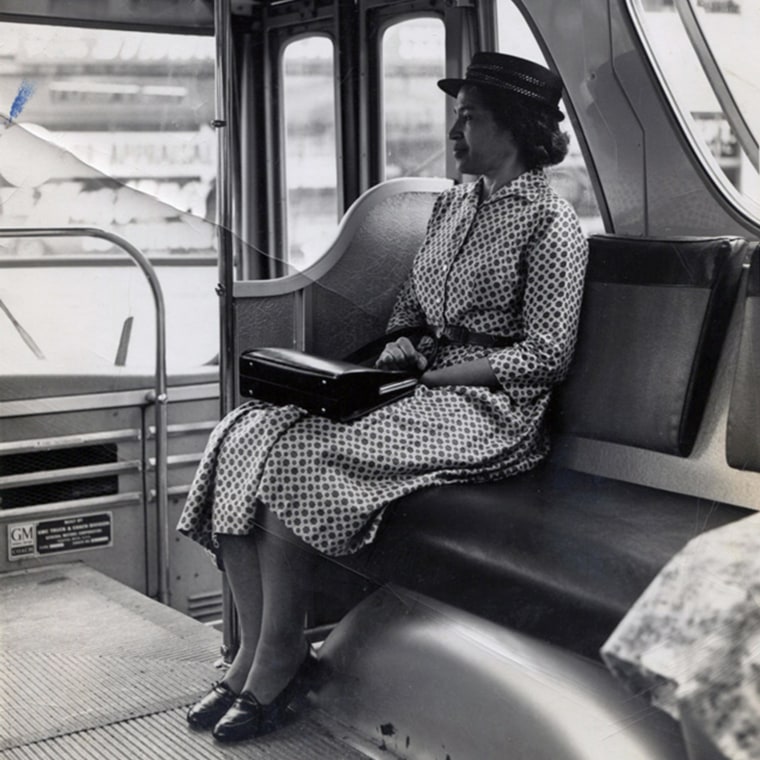
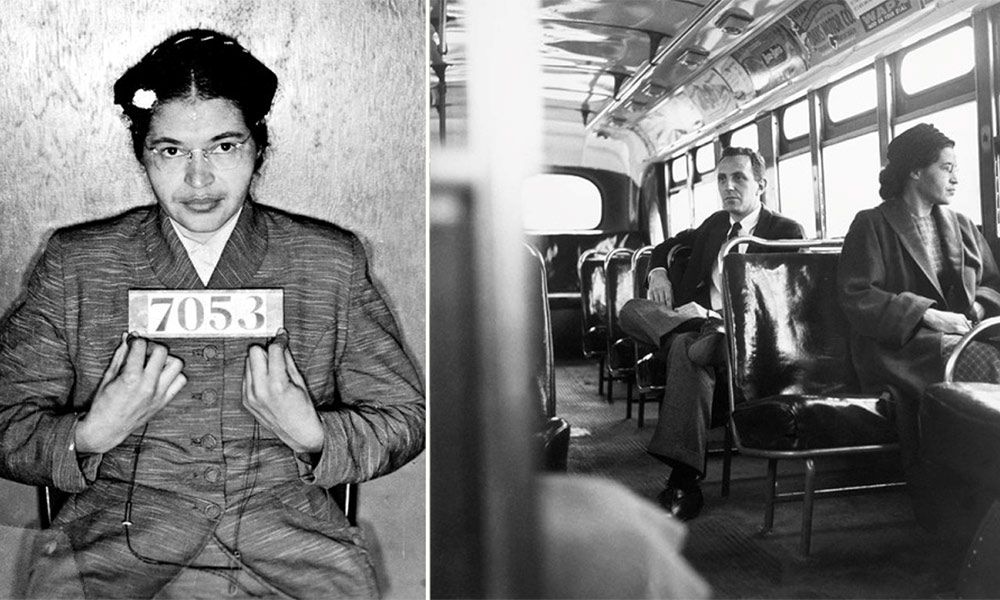
The Montgomery Bus Boycott was not a spontaneous outburst but a meticulously organized campaign. Rosa Parks, far from being a random exhausted seamstress, was a seasoned activist, secretary of the local NAACP chapter, and a respected figure within her community. This existing credibility was crucial to the immediate and widespread acceptance of her act as a catalyst. Her personal brand, already established through years of quiet dedication, lent authenticity and gravitas to the nascent boycott. The organizers, notably E.D. Nixon and Jo Ann Robinson, recognized in Parks not just a victim, but an ideal symbol—a dignified, unassuming woman whose moral fortitude was unimpeachable. This strategic selection transformed a potentially isolated act of defiance into the launchpad for a sustained mass movement. Her arrest provided the necessary media hook, framing the struggle in stark, easily digestible terms of injustice against a sympathetic figure. The brand “Rosa Parks” was thus strategically deployed to mobilize and unite a fractured community under a common, righteous cause, effectively communicating the moral imperative of the boycott to both local and national audiences.
From Individual Act to Universal Symbol: Crafting Public Perception
Following her arrest, Rosa Parks’ image swiftly transcended her individual identity, evolving into a universal symbol for racial injustice and resistance. This transformation was carefully cultivated by the leaders of the Civil Rights Movement. Her gentle demeanor, coupled with the profound impact of her simple, courageous act, made her an accessible and powerful icon. Unlike more radical figures, Parks presented an image of quiet dignity and resolute conviction that resonated broadly, particularly with white moderates who might have been alienated by more confrontational rhetoric. The media portrayal, often highlighting her humanity and the unjust legal system she faced, helped craft a public perception that was both sympathetic and inspiring. Her “brand” became one of unyielding integrity in the face of systemic oppression. This symbolic power was not merely passive; it required a consistent narrative and strategic dissemination through speeches, pamphlets, and media engagements. The “Rosa Parks” brand effectively communicated the moral high ground of the movement, simplifying complex racial issues into a clear narrative of right versus wrong, thereby capturing public imagination and support on an unprecedented scale.
Navigating the Brand Aftermath: Personal and Movement Identity
The immediate aftermath of the bus boycott thrust Rosa Parks into a public spotlight she neither sought nor fully anticipated. Her life became inextricably linked to the movement she helped ignite, creating a complex interplay between her personal identity and the powerful brand she represented. This period was marked by both profound influence and immense personal sacrifice, highlighting the often-unseen burdens of accidental iconic status.
The Burden of Authenticity: Rosa Parks’ Personal Brand Journey
While the “Rosa Parks” brand soared as a beacon of hope and resistance, Rosa Parks the person faced significant challenges. The very act that cemented her iconic status also led to severe economic hardship. Both she and her husband, Raymond, lost their jobs in Montgomery due to their involvement in the boycott, making it difficult to find stable employment in the South. In 1957, the couple, along with Rosa’s mother, moved to Detroit, seeking better opportunities and an escape from the constant threats and surveillance they faced. This move underscored a crucial aspect of managing a powerful personal brand: authenticity, while vital for impact, often comes at a steep personal cost.
In Detroit, Parks continued her activism, working for Congressman John Conyers Jr. for more than two decades, a role that allowed her to channel her public recognition into tangible legislative and community work. She remained a steadfast voice for civil rights, anti-poverty, and women’s rights, demonstrating a remarkable consistency between her public persona and her private convictions. Her continued engagement, even outside the immediate glare of the spotlight, reinforced the integrity of her brand. She wasn’t a flash-in-the-pan sensation but a lifelong advocate whose actions spoke louder than any carefully constructed marketing campaign. This unwavering commitment to her values, despite personal hardships, served to deepen and solidify her authentic brand image, making her an enduring symbol rather than a fleeting celebrity.
The Civil Rights Movement’s Co-Branding with Rosa Parks
The Civil Rights Movement itself masterfully co-branded with Rosa Parks, leveraging her image to unify, inspire, and garner support. Her story became a foundational narrative, a touchstone against which other injustices could be measured. Leaders like Dr. Martin Luther King Jr. consistently invoked her name and action, solidifying her place within the movement’s collective identity. This co-branding strategy was highly effective because Parks’s image was universally appealing and morally unambiguous. She embodied the quiet strength and everyday dignity of African Americans seeking justice, making the movement relatable to a broader audience.
The movement understood that a powerful symbol could transcend geographical and social barriers. By elevating Parks, they provided a relatable face to an abstract fight, transforming complex legal and social issues into a human story of courage and resilience. Her image was printed on posters, referenced in speeches, and taught to children, becoming an essential component of the movement’s public relations efforts. This strategic co-branding allowed the Civil Rights Movement to project an image of moral authority and unwavering determination, attracting both grassroots participation and crucial national and international attention. The “Rosa Parks” brand wasn’t just about her; it became a part of the movement’s very identity, a shorthand for the struggle for equality itself.
Sustaining an Iconic Legacy: Strategic Endurance and Impact
Rosa Parks’s life after the bus extended far beyond the immediate boycott, evolving into a sustained commitment to social justice. Her enduring brand legacy illustrates the power of consistent messaging and authentic engagement over many decades, demonstrating how an iconic figure can continue to impact societal values long after the initial precipitating event.
Beyond the Bus: Cultivating a Lifelong Message
For nearly half a century after her pivotal act, Rosa Parks actively cultivated and amplified her lifelong message of justice and equality. Her work with Congressman Conyers in Detroit provided a platform for her advocacy, allowing her to engage with legislative processes and address constituents’ needs directly. She continued to speak out against racial discrimination, participate in marches, and lend her presence to various civil rights initiatives. In 1987, she co-founded the Rosa and Raymond Parks Institute for Self-Development, an organization dedicated to motivating and directing youth to achieve their highest potential. This initiative was a clear strategic move to translate her established brand into a tangible, ongoing educational and empowerment program.
By consistently appearing, speaking, and working on behalf of civil rights and youth development, Parks ensured that her message remained relevant and impactful. She avoided the pitfalls of fleeting fame, instead demonstrating a profound commitment to the principles her initial act had come to represent. This long-term dedication transformed her from a moment-in-time hero into a sustained ethical brand, continuously reinforcing the values of courage, dignity, and perseverance to new generations. Her enduring presence, marked by a quiet strength, maintained the purity and power of her original message, resisting commercialization and maintaining her authenticity.
The Enduring Power of a Moral Brand: A Case Study in Social Impact
Rosa Parks’s life offers an unparalleled case study in the enduring power of a moral brand to effect profound and lasting social change. Her story, simplified yet potent, transcended the specific context of bus segregation to become a universal symbol of human rights and resistance against oppression. Governments, educational institutions, and advocacy groups globally continue to reference her act as a foundational lesson in civil disobedience and social justice. Streets, schools, and awards bear her name, cementing her status as a cultural icon.
This sustained impact is a testament to the power of a brand built on authenticity, moral clarity, and unwavering conviction. Unlike commercial brands that might pivot or rebrand, the “Rosa Parks” brand remained steadfast in its core values. Her legacy serves as a constant reminder that individual actions, imbued with moral purpose, can resonate globally and across generations. It demonstrates that the most powerful brands are often those that speak to fundamental human values, inspiring collective action and shaping societal norms for decades, even centuries, after their initial manifestation.
Lessons in Branding from an Accidental Icon
Rosa Parks’s journey from a quiet activist to a global icon provides invaluable lessons for anyone interested in the dynamics of branding, whether personal, corporate, or social. Her experience highlights the critical elements that transform a single event into an enduring legacy and how genuine purpose can build an unassailable brand identity.
Authenticity as the Cornerstone of Influence
The most profound lesson from Rosa Parks’s story is the indispensable role of authenticity in building influence and a lasting brand. Her defiance on the bus was not an act of calculated theatrics but the culmination of years of deeply held convictions and quiet activism. This genuine commitment resonated deeply with the public because it felt real and unmanufactured. In an age saturated with curated images and manufactured personas, Parks’s authenticity offered a powerful counter-narrative—a testament to the idea that true impact stems from genuine belief and consistent action. Her life, marked by hardship and unwavering dedication to justice, constantly reinforced the integrity of her initial act. For any brand, personal or corporate, seeking to establish deep trust and loyalty, Rosa Parks serves as a prime example that authenticity is not merely a desirable trait but the fundamental cornerstone upon which true influence is built. It ensures that the message remains credible and impactful, even when faced with scrutiny or adversity.

The Amplification of a Singular Act into a Global Narrative
Rosa Parks’s experience also demonstrates the extraordinary potential for a singular, potent act to be amplified into a global narrative, provided it aligns with prevailing social currents and is strategically managed. Her refusal to yield her seat was not unique, but its timing, her personal credibility, and the strategic organizational efforts of the NAACP and the Women’s Political Council transformed it from an isolated incident into a tipping point. The narrative of her simple act of defiance against a deeply entrenched injustice was clear, compelling, and easily understood across diverse cultures. This simplicity allowed her story to be easily retold, translated, and internalized, thereby achieving global reach.
The movement leaders understood that effective branding involves distilling complex issues into powerful, resonant stories. By framing Parks’s act as a symbol of dignity and the pursuit of justice, they created a narrative that transcended the local specifics of Montgomery, Alabama, to speak to universal human aspirations for freedom and equality. This amplification was not just about spreading information but about cultivating an emotional connection and a shared understanding of a moral imperative. Her legacy is a testament to how a single, authentic moment, when strategically articulated and relentlessly championed, can become a foundational pillar in a global conversation about human rights and social change, shaping attitudes and inspiring action for generations.
aViewFromTheCave is a participant in the Amazon Services LLC Associates Program, an affiliate advertising program designed to provide a means for sites to earn advertising fees by advertising and linking to Amazon.com. Amazon, the Amazon logo, AmazonSupply, and the AmazonSupply logo are trademarks of Amazon.com, Inc. or its affiliates. As an Amazon Associate we earn affiliate commissions from qualifying purchases.