
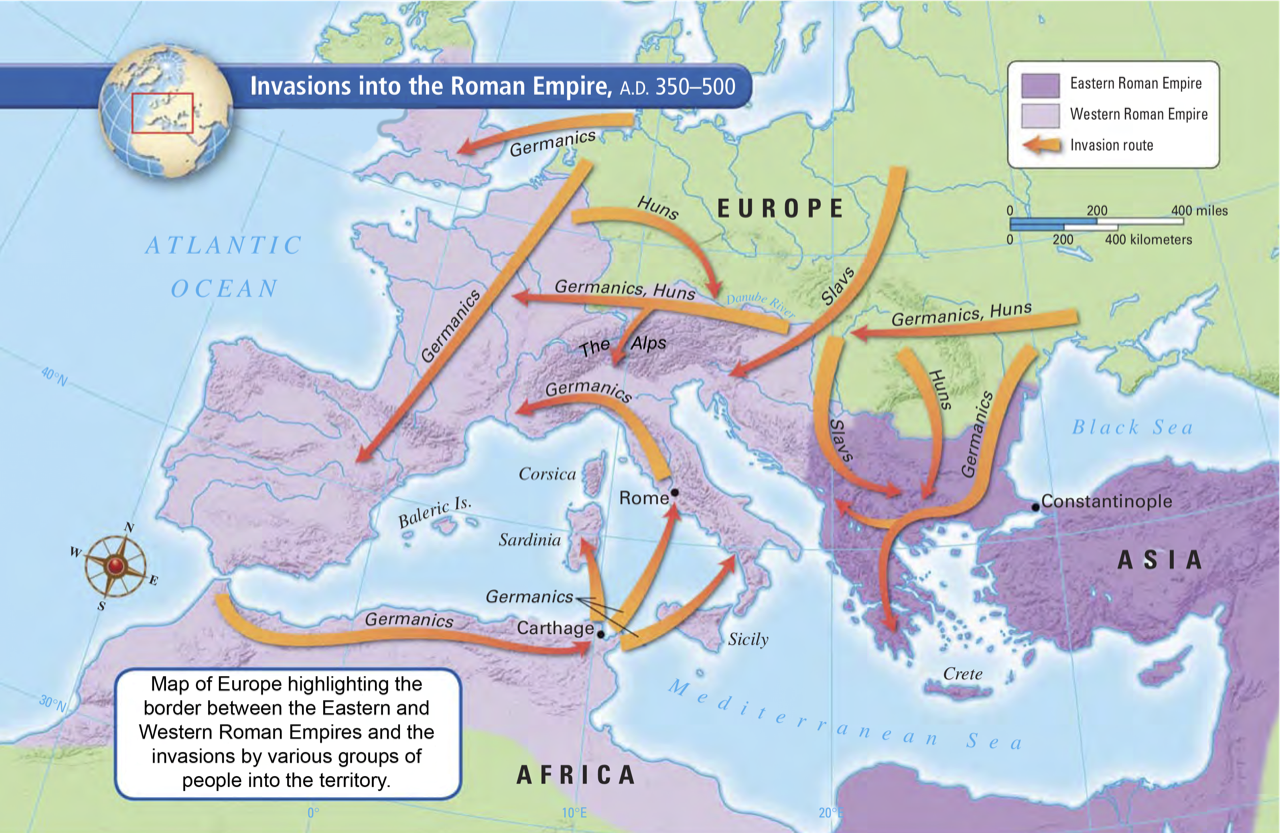
The fall of the Roman Empire is often depicted through the lens of barbarian invasions and military defeat. However, for the modern investor and student of finance, the true story of Rome’s “fall” is not found in the sacking of cities, but in the slow, agonizing disintegration of a complex financial system. When we ask what happened to Rome after it fell, we are really asking what happens to a globalized economy when its central currency, its tax base, and its trade infrastructure vanish.
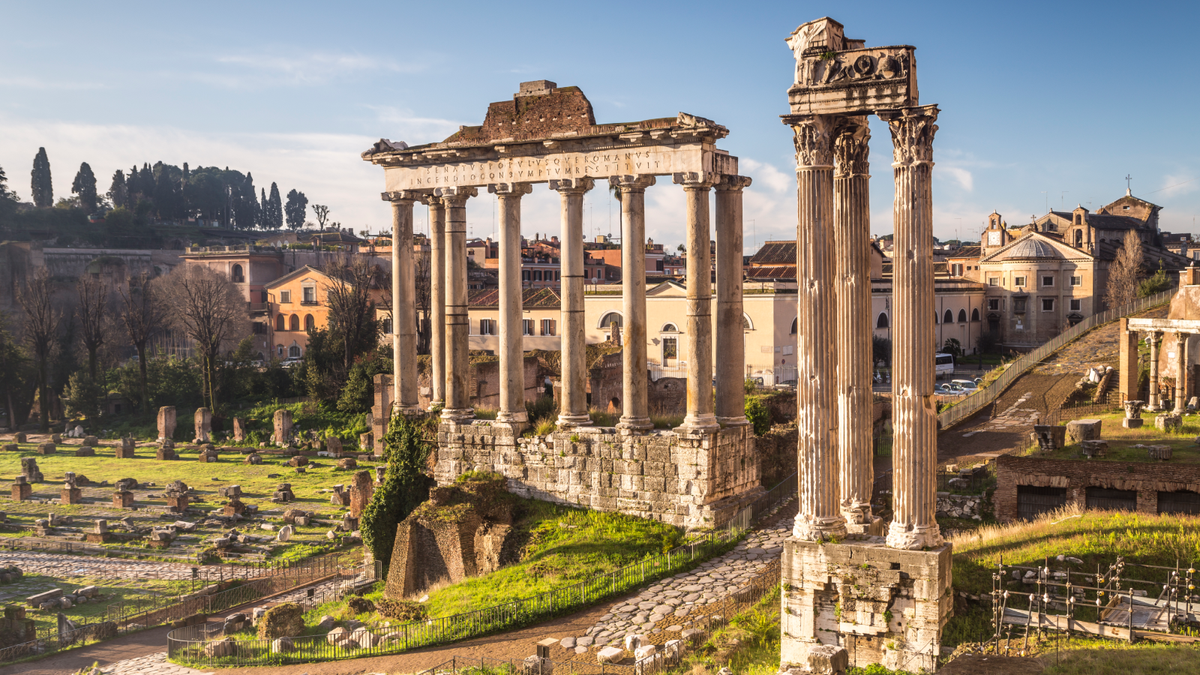
Understanding the economic aftermath of Rome’s collapse provides a profound blueprint for navigating modern financial volatility. It reveals how wealth is preserved, how markets fragment, and what happens to personal finance when the institutions we take for granted cease to function.
The Debasement of the Denarius: An Inflationary Post-Mortem
To understand the financial state of Rome after its fall, one must look at the centuries of currency debasement that preceded the final collapse. The Roman denarius, once a coin of nearly pure silver, became a symbol of systemic fiscal failure. By the time the Western Empire dissolved, the currency was little more than copper with a thin wash of silver.
The Transition from Hard Assets to Symbolic Value
In the immediate aftermath of the imperial collapse, the concept of “symbolic value” in currency evaporated. In a functioning empire, a coin is worth something because the state accepts it for taxes. When the state fell, the “trust” component of fiat-style currency vanished. This led to a drastic return to hard assets. After Rome fell, the only “money” that held value was that which possessed intrinsic worth—gold, silver, and productive land.
For the modern investor, this serves as a cautionary tale regarding the “printing” of money. When a central authority over-leverages its currency to pay for debt and defense, the eventual “fall” necessitates a flight to quality. Post-Roman Europe didn’t stop using money; it simply stopped using bad money.
How Inflation Destroyed the Middle Class
The hyperinflation that characterized the late Empire and the post-fall period effectively wiped out the Roman middle class—the merchants and small landowners. As the currency lost value, the cost of goods skyrocketed, but wages remained stagnant or were suppressed by government edict (such as Diocletian’s Price Edict).
After the fall, the economic structure shifted from a vibrant, consumer-based economy to a subsistence-based one. The lesson for personal finance is clear: in times of systemic transition, those whose wealth is tied entirely to the currency of the failing system are the most vulnerable. Diversification into non-correlated assets is not just a strategy; it is a survival mechanism.
The Fragmentation of the Global Market
Rome was the first truly globalized economy, with supply chains stretching from the tin mines of Britain to the spice routes of Egypt. When the central administration in Rome fell, the “global” market became a series of isolated, local markets. This transition radically altered how business was conducted and how wealth was generated.
From Centralized Trade to Localized Self-Sufficiency
In the Roman heyday, a merchant in Gaul could easily purchase olive oil from North Africa using a standardized currency and protected shipping lanes. After the fall, the “cost of doing business” rose exponentially. Piracy returned to the Mediterranean, and roads fell into disrepair without state funding.
The result was a shift toward “autarky”—economic self-sufficiency. For the wealthy elite, this meant moving away from trade-based income and toward the “Villa System.” These were large, fortified estates that produced everything they needed internally. In modern financial terms, this represents a shift from “Growth” stocks and high-velocity trade to “Value” and tangible, defensive assets.
The High Cost of Vanishing Infrastructure
One of the most immediate financial impacts of Rome’s fall was the loss of public goods. Infrastructure—aqueducts, roads, and postal services—requires capital for maintenance. Without a centralized tax authority, this infrastructure crumbled.
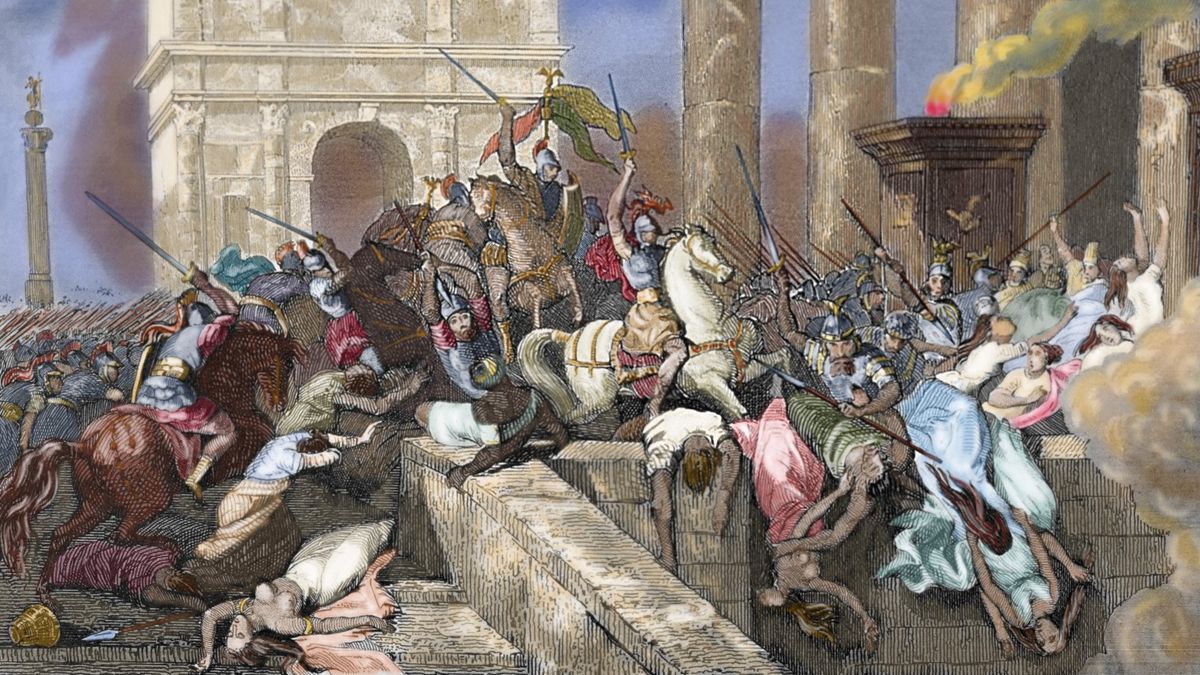
For the business owners of the time, this meant that the logistics of trade became the single greatest expense. Wealth was no longer about how much you could produce, but how much you could protect and transport. This historical parallel is seen today in how geopolitical instability can disrupt modern supply chains, instantly turning profitable international ventures into localized liabilities.
Wealth Preservation in an Age of Uncertainty
What happened to the “1%” of the Roman world after the fall? They did not all vanish. Instead, they adapted their financial strategies to a world without a central bank or a unified legal code. Their methods for wealth preservation offer timeless insights into protecting capital during systemic shifts.
Land, Commodities, and the Flight to Quality
As the Roman financial system disintegrated, the wealthy abandoned the cities. Urban centers, which relied on complex tax subsidies and imported grain, became economic death traps. The smart money moved into “Real Assets.”
Land became the ultimate store of value. However, it wasn’t just any land—it was productive, defensible land. After Rome fell, the “Real Estate” market shifted from urban luxury to rural utility. Investors who held gold and land were able to maintain their status into the early Middle Ages, while those who held government bonds (or their Roman equivalents, like tax-farming contracts) lost everything.
The Evolution of Private Banking and Protection
With the fall of the Roman legal system, contracts were no longer enforceable by a central state. This led to the rise of localized “protection economies.” Wealthy individuals began to fund their own private security, which eventually evolved into the feudal system.
Financially, this meant that “insurance” was no longer a policy you bought, but a physical reality you funded. Today, we see a digital version of this in the rise of decentralized finance (DeFi) and private encryption. Just as the post-Roman elite sought ways to protect their wealth outside of a failing state structure, modern investors are increasingly looking toward systems that do not rely on a single, centralized point of failure.
Modern Parallels: Is History Repeating?
The economic “dark ages” that followed Rome were not a total absence of trade, but a radical restructuring of it. When we compare Rome’s fiscal trajectory to the modern global economy, several red flags appear that suggest we should pay closer attention to the “after Rome” scenario.
The Risks of Modern Monetary Theory (MMT) and Debt
Rome fell largely because it could no longer afford its own existence. The cost of the military, the bureaucracy, and the “bread and circuses” for the populace exceeded the tax revenue. To bridge the gap, they debased the currency.
Today, many global economies are operating on record-high debt-to-GDP ratios, supported by the belief that a central bank can infinitely expand the money supply. However, history suggests that there is a “breaking point” where the velocity of money collapses because the populace loses faith in the medium of exchange. After Rome fell, that faith took nearly a millennium to fully recover in the West.
Preparing Your Portfolio for Systemic Shifts
If the fall of Rome teaches us anything about money, it is that “permanence” is an illusion. The Roman financial system lasted for centuries, yet it dissolved in a relatively short period. To protect one’s financial future, one must look at the “Post-Rome” playbook:
- Prioritize Tangibility: Keep a portion of wealth in assets that exist outside of a digital or fiat ledger—precious metals, productive real estate, or essential commodities.
- Geographic Diversification: The Roman elite who survived were often those with holdings in both the West and the East (Constantinople). Do not tie your entire net worth to the regulatory or fiscal health of a single nation-state.
- Invest in “Anti-Fragile” Systems: Seek out business models and financial tools that thrive on volatility or operate independently of centralized infrastructure.
In conclusion, what happened to Rome after it fell was a total “reset” of the financial world. It was a transition from a high-trust, centralized, and inflationary economy to a low-trust, decentralized, and commodity-based one. By studying this transition, modern investors can better understand the importance of fiscal discipline, asset diversification, and the enduring value of hard assets in an ever-changing economic landscape. The fall of Rome was not the end of money—it was simply the end of one way of managing it.
aViewFromTheCave is a participant in the Amazon Services LLC Associates Program, an affiliate advertising program designed to provide a means for sites to earn advertising fees by advertising and linking to Amazon.com. Amazon, the Amazon logo, AmazonSupply, and the AmazonSupply logo are trademarks of Amazon.com, Inc. or its affiliates. As an Amazon Associate we earn affiliate commissions from qualifying purchases.