
The transition from a wartime leader to a post-conflict icon offers a compelling case study in personal branding. For Robert E. Lee, the years following the American Civil War were not merely a period of quiet retirement; they were a deliberate exercise in repositioning a global brand. When the surrender at Appomattox concluded his military command, Lee faced the same challenge many corporate leaders encounter after a major strategic failure: how to rehabilitate a damaged image, maintain relevance in a shifting cultural landscape, and secure a legacy that survives the collapse of an organizational structure.
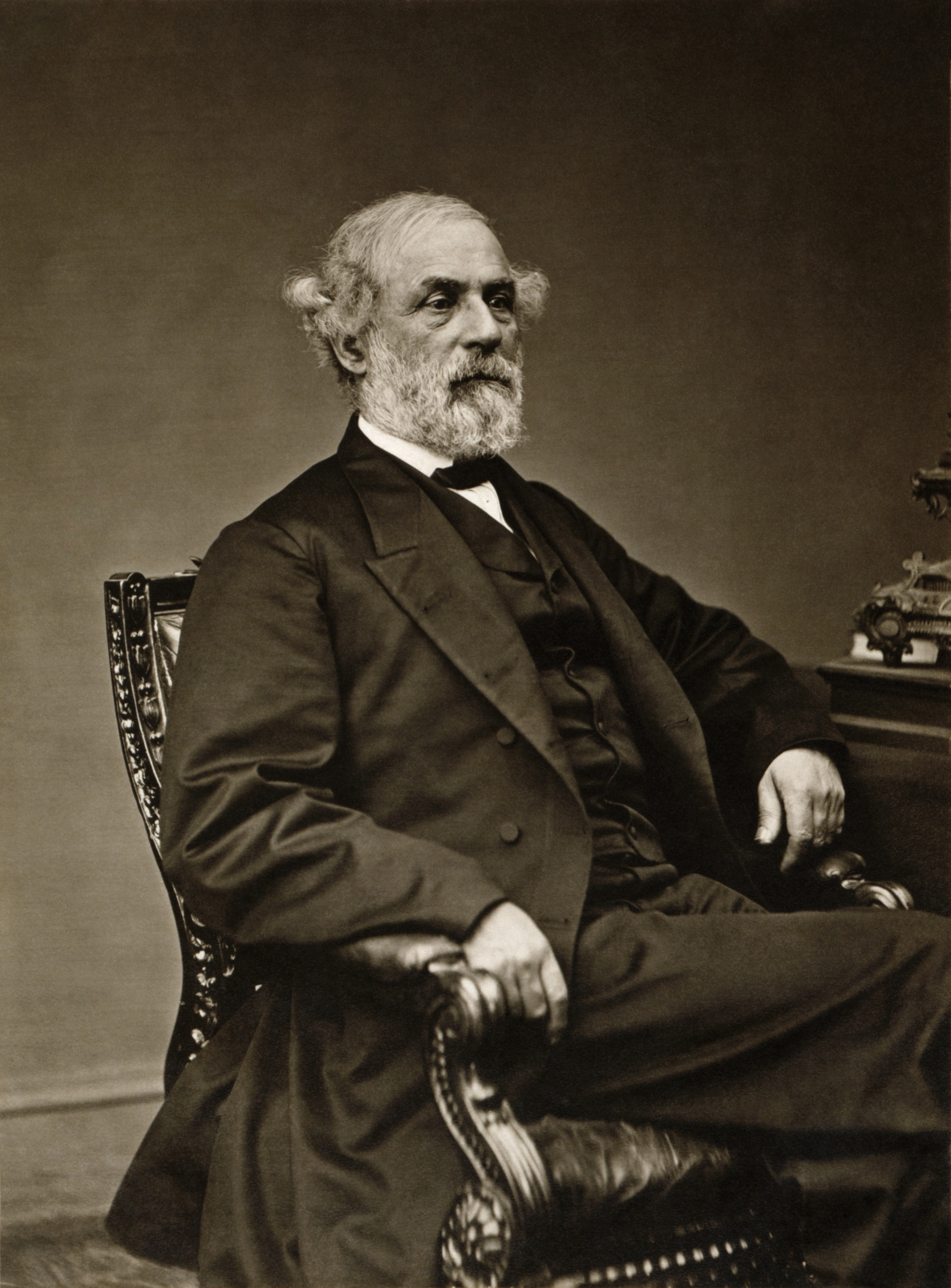
The Strategic Pivot: From Military Command to Academic Leadership
Following the cessation of hostilities in 1865, Lee’s primary objective was the preservation of his personal integrity and the mitigation of further damage to his identity. Much like a CEO stepping down from a failing enterprise, Lee had to pivot his focus to maintain social capital. He chose an path that provided both stability and a platform for continued influence: academia.
Choosing Washington College
Lee’s decision to accept the presidency of Washington College (now Washington and Lee University) in Lexington, Virginia, was a masterclass in brand repositioning. By distancing himself from the volatility of post-war politics and aligning himself with the prestige of higher education, he effectively neutralized much of the scrutiny surrounding his defeat. He reframed his identity from a “rebel general” to an “elder statesman of education.”
Implementing Institutional Change
At Washington College, Lee applied a disciplined administrative style to the institution. He introduced a modern curriculum that included commerce, journalism, and law—subjects that signaled a forward-looking vision rather than a preoccupation with the past. By professionalizing the institution, he enhanced his own brand equity as a man of order and forward-thinking progress, successfully rebranding his persona from a destroyer of the status quo to a builder of the future.
Reputation Management and the Preservation of the Personal Brand
In the aftermath of a defeat, managing public perception is essential to long-term viability. Lee understood that his survival—and the survival of the values he represented—depended on the narrative he projected to the public. He employed a strategy of stoic detachment and curated communication to safeguard his standing.
The Power of Silence
Throughout his final years, Lee was notoriously selective about his public statements. By eschewing political grandstanding and declining numerous offers to become a spokesperson for various causes, he maintained an aura of dignity. In branding terms, this created a “scarcity value” for his input. Because he did not dilute his image through frequent media interaction, his infrequent comments carried significantly more weight. He allowed others to shape the mythology around him while he maintained the appearance of a humble, private citizen.
Strategic Correspondence
While he maintained a public silence, Lee’s private correspondence reveals a sophisticated understanding of his audience. He engaged in extensive letter writing with former officers, politicians, and intellectuals. These letters served as a form of “content marketing” for his life’s philosophy. By curating a library of personal letters, he ensured that his perspective on the war, his personal ethics, and his vision for the South were documented for future historians, effectively controlling the narrative of his own biography before the first drafts of history were solidified.

The Legacy of the Brand: Long-term Brand Equity and Its Discontents
The ultimate measure of a personal brand is its durability beyond the lifespan of the founder. Lee’s post-war years established a template for the “Lost Cause” narrative, a branding effort that would dominate the cultural landscape for over a century. However, as with all successful long-term brand strategies, the narrative eventually met the pressures of modern evaluation.
The Institutionalization of the Image
Lee’s efforts to rebuild Washington College and his public demeanor created a polished image that proved remarkably resilient. By aligning his personal brand with the virtues of duty, discipline, and scholarly pursuit, he created an aspirational figure. Supporters of his brand utilized these traits to build a powerful narrative that obscured the complexities of his military service and the moral failures of the cause he championed. For decades, this brand identity was so robust that it allowed for the widespread adoption of his image in public squares and educational institutions across the country.
Re-evaluating the Brand in a Modern Context
Today, we see the inevitable result of a brand being disconnected from changing market values. When a personal brand is built on a foundation that does not evolve with society’s core ethical shifts, it risks catastrophic devaluation. The current debate surrounding Lee’s legacy serves as a warning for modern brand strategists: identity construction is not a static process.
A brand built on a narrow, exclusionary foundation eventually hits a ceiling of utility. While Lee’s post-war strategy was successful in the short-to-medium term, allowing him to live out his days as a respected academic, the lack of transparency in his messaging eventually created a “reputational debt.” The historical analysis of Lee’s decisions—both as a general and as an educator—has grown more critical as society has moved toward more inclusive and rigorous standards of leadership accountability.
Lessons in Longevity and Ethical Branding
Reflecting on Lee’s post-war trajectory provides essential insights into the mechanics of personal branding. Whether for a modern entrepreneur or a public figure, the trajectory of his life underscores several universal truths about the management of one’s own legacy.
The Importance of Radical Transparency
Lee’s primary branding flaw was a failure to address the core ethical issues of his era with the same rigor he applied to his administrative tasks at Washington College. For modern personal brands, the lesson is clear: long-term success is rarely sustainable through evasion. Brands that prioritize curated silence over honest engagement often find their legacy under fire when the public demands greater accountability.
Consistency as a Double-Edged Sword
Consistency is the bedrock of branding, but it must be rooted in values that have inherent longevity. Lee was consistent in his demeanor and his commitment to his adopted institution, which gained him immediate post-war success. However, because his internal ideology did not grow or adapt to the changing realities of justice and equality, his brand eventually became an impediment to the very institutions that bore his name.
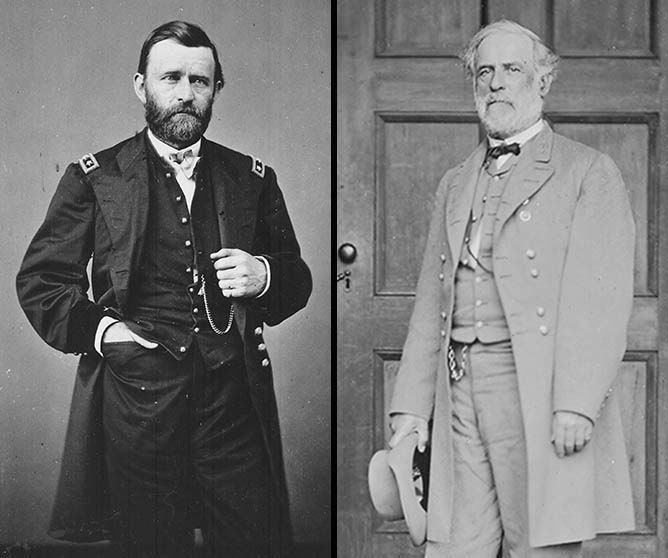
The Evolution of the Brand Narrative
Ultimately, Lee’s life after 1865 demonstrates that while an individual can exert immense control over their public image, they can never fully capture the narrative of their life once they are gone. The “brand” is eventually handed over to the public, the historians, and the cultural critics. The more a brand is built upon a curated, static image, the more vulnerable it becomes to the inevitable disruption of its narrative.
For the modern strategist, the life of Robert E. Lee is a case study in the successful transition from a controversial military figure to a respected public persona, followed by the slow, inevitable erosion of that image as society’s values shifted. It is a powerful reminder that while branding can protect a reputation in the short term, only an alignment with enduring, universal values can guarantee the long-term integrity of a legacy. Whether in the boardroom or the halls of history, the brand that refuses to evolve is the brand that will eventually be forced into obsolescence.
aViewFromTheCave is a participant in the Amazon Services LLC Associates Program, an affiliate advertising program designed to provide a means for sites to earn advertising fees by advertising and linking to Amazon.com. Amazon, the Amazon logo, AmazonSupply, and the AmazonSupply logo are trademarks of Amazon.com, Inc. or its affiliates. As an Amazon Associate we earn affiliate commissions from qualifying purchases.