
The narrative decision to kill off Carl Grimes, Rick’s son, in the eighth season of AMC’s The Walking Dead was more than just a plot twist; it was a pivotal moment that sent shockwaves through its dedicated fanbase and sparked intense debate across the entertainment landscape. From a brand perspective, this event offers a compelling case study in the intricate dynamics of managing a global intellectual property (IP), balancing creative vision with audience expectations, and the profound impact of character decisions on a brand’s identity and longevity. This article delves into the “what happened” not merely as a plot point, but as a strategic maneuver within the sprawling The Walking Dead brand, examining its implications for brand loyalty, narrative integrity, and the delicate art of sustaining a beloved franchise.
The Character as a Brand Pillar: Carl Grimes’s Role in The Walking Dead’s Identity
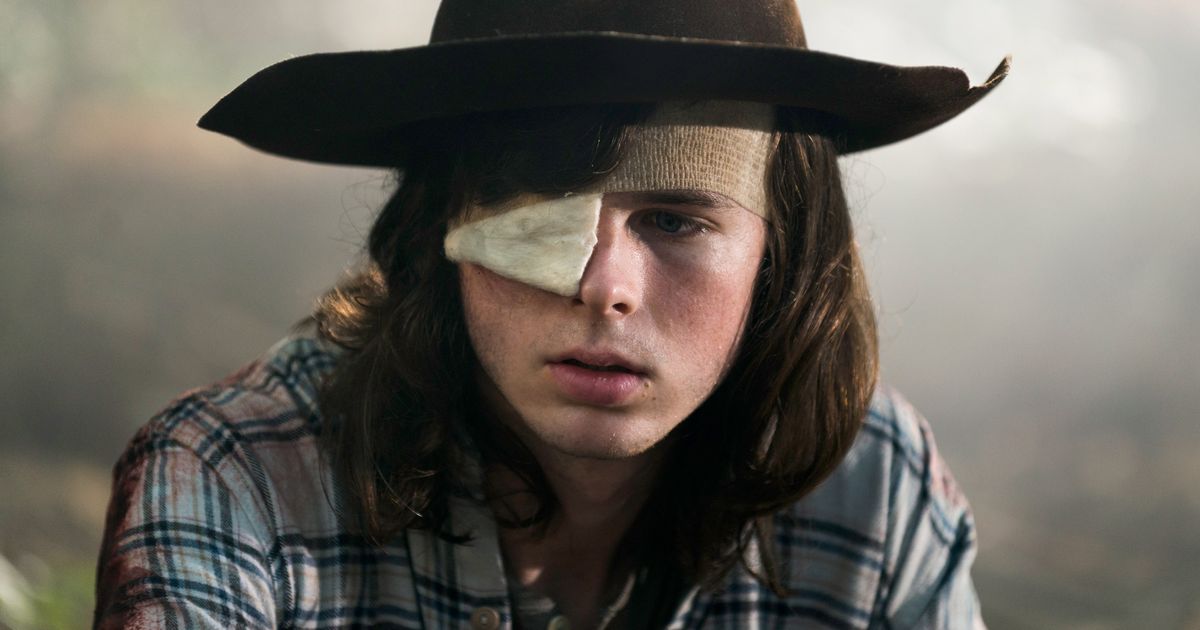
From the nascent days of the zombie apocalypse, Carl Grimes was more than just a supporting character; he was a central pillar in the evolving brand narrative of The Walking Dead. As Rick Grimes’s son, his journey from a sheltered child to a hardened survivor mirrored the audience’s own experience of witnessing a world irrevocably transformed. His presence was not just foundational to the Grimes family arc but also deeply intertwined with the show’s thematic core.
The Symbolism of Growth and Hope
Carl represented the future. In a world defined by death and despair, his survival, growth, and maturation offered a glimmer of hope for rebuilding and continuity. He was the embodiment of what Rick, and by extension, the audience, fought for—a chance for humanity to endure, adapt, and eventually thrive beyond mere survival. His evolution, marked by significant emotional and physical scars (including the loss of an eye), served as a constant reminder of the brutal cost of living in this new reality, yet simultaneously underscored the resilience of the human spirit. This symbolism made Carl an irreplaceable component of the brand’s emotional resonance, a tangible manifestation of its core themes of survival, sacrifice, and the search for a better tomorrow. His existence validated Rick’s relentless fight and gave purpose to the countless tragedies the characters endured.
Audience Investment and Emotional Equity
Over nearly a decade, viewers invested deeply in Carl’s journey. They watched him learn to shoot, make difficult moral choices, and grapple with the loss of his mother and friends. This sustained exposure fostered a profound sense of emotional equity. For many, Carl was a surrogate child, a younger brother, or a symbol of innocence lost and reclaimed. Fan theories often revolved around Carl ultimately taking over Rick’s leadership mantle, becoming the future leader of the new world. This deep audience investment meant that any decision regarding his fate would not merely be a narrative choice but a direct interaction with the brand’s most valuable asset: its loyal fanbase. The emotional connection cultivated over eight seasons was a testament to effective character development, making Carl a living, breathing component of The Walking Dead brand identity, deeply embedded in the collective consciousness of its audience. The brand had successfully built a character around whom much of its future narrative potential revolved, and this potential was a significant part of its value proposition to viewers.
The Creative Decision: When Narrative Strategy Meets Brand Imperative
The decision to kill off Carl Grimes was one of the most controversial narrative choices in The Walking Dead‘s history. It defied the comic book source material, where Carl remains alive and plays a crucial role in the post-war narrative, eventually becoming a cornerstone of the future. This divergence sparked intense debate about the motivations behind such a drastic brand repositioning and the potential ramifications for the franchise’s long-term health.
Behind the Scenes: Explaining the Departure
The official explanations for Carl’s demise cited creative necessity. Showrunner Scott M. Gimple stated that Carl’s death served to propel Rick’s storyline forward, forcing him to embrace a more merciful philosophy in the “All Out War” arc with Negan. The idea was to give Rick a new motivation, to honor Carl’s vision for a peaceful future, thus altering the entire trajectory of the show. Allegedly, this decision was made for “story reasons” to ensure that Rick didn’t kill Negan, a critical divergence from the comics that would impact subsequent seasons. Actor Chandler Riggs, who portrayed Carl, also indicated that the decision was unexpected and not his choice, suggesting it was driven by the show’s creative leadership. This illustrates a scenario where the creative architects of the brand believed a drastic narrative pivot was necessary for the IP’s continued evolution, even if it meant sacrificing a beloved, foundational character. It was a strategic gamble, aiming to inject new energy and thematic depth into a long-running series, but one that came with significant risks to brand cohesion and fan sentiment.
Weighing Creative Vision Against Fan Expectations
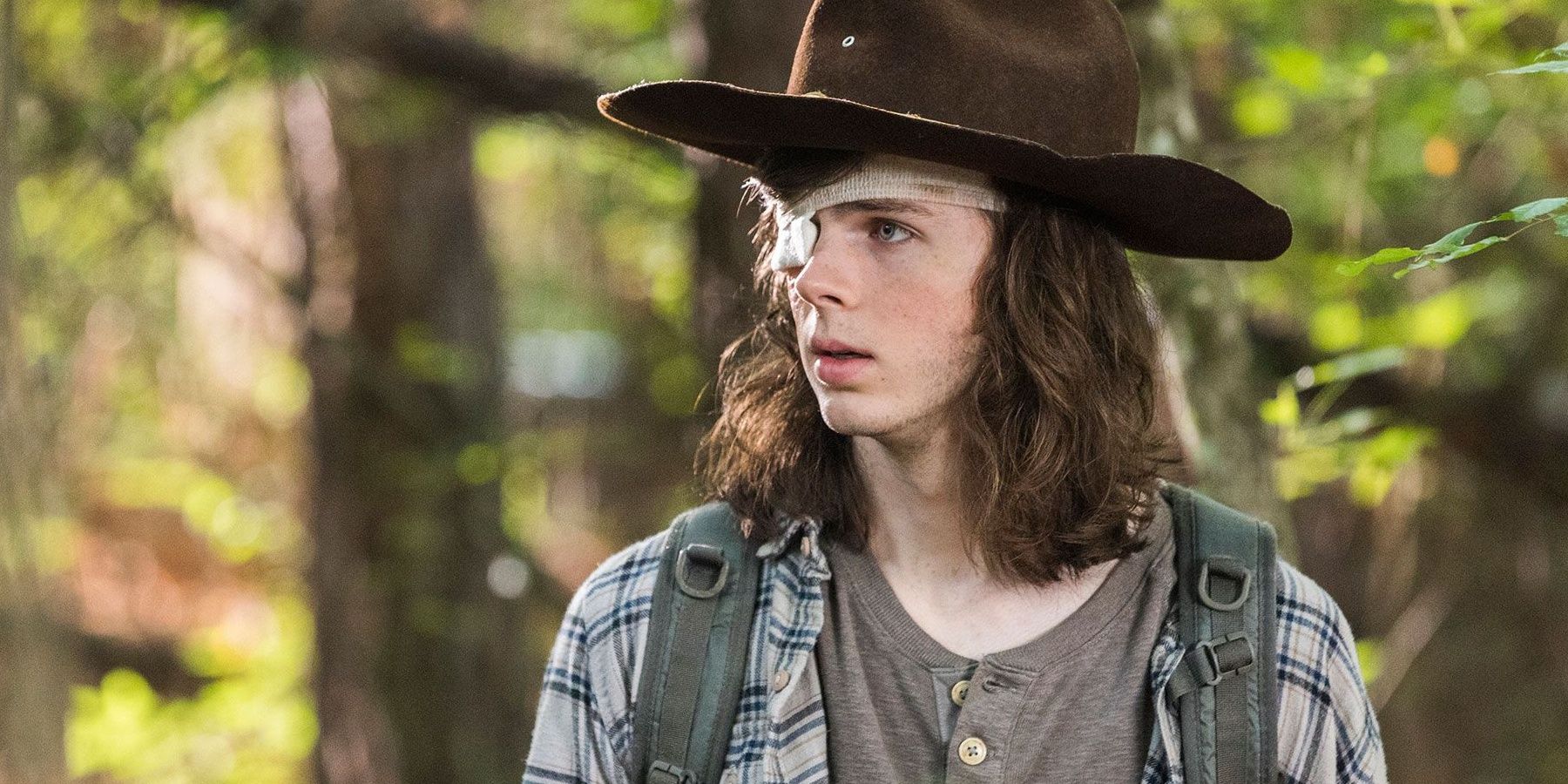
The move highlighted a perennial tension in long-form serialized storytelling: the balance between a creator’s artistic vision and the expectations of a deeply invested fanbase. For The Walking Dead brand, Carl’s death represented a deliberate break from its source material, a move that promised narrative unpredictability but alienated a significant segment of its audience who valued fidelity to the comics. Fans felt betrayed, arguing that the decision was arbitrary, undermined years of character development, and signaled a disregard for the emotional investment they had made. From a brand management perspective, this reveals the delicate “contract” between an IP and its consumers. When a brand deviates significantly from established lore or deeply held fan theories, especially concerning core characters, it risks eroding trust and loyalty. The creative team’s imperative for fresh storytelling clashed directly with the audience’s expectation of a logical, perhaps even predetermined, character trajectory, thereby creating a schism in the brand’s relationship with its most fervent advocates. This act of creative independence, while bold, put the brand’s long-term fan engagement strategies under intense scrutiny.
The Impact on the Brand: Navigating Fan Reaction and Narrative Shifts
The death of Carl Grimes undeniably had a profound and multifaceted impact on The Walking Dead brand. It wasn’t just a character’s exit; it was an earthquake that reshaped the narrative landscape, provoked widespread fan discourse, and forced the brand to recalibrate its strategy in the years that followed.
Fractured Fandom and Brand Loyalty
Carl’s departure ignited a furious backlash among the fanbase, with many viewers expressing outrage and vowing to abandon the show. Social media was flooded with critiques, petitions, and expressions of disillusionment. This wasn’t merely about disliking a plot point; it was a perception of the brand breaking an implicit promise. For a brand built on emotional engagement and the journey of specific characters, such a fundamental shift challenged the very foundation of its audience’s loyalty. While some viewers appreciated the bold move and the potential for new storylines, a significant portion felt their investment had been devalued. The subsequent decline in viewership, while attributable to various factors over several seasons, certainly saw an acceleration post-Carl’s death, suggesting a direct impact on brand loyalty and consumer retention. The brand faced the challenge of healing a fractured fandom and rebuilding trust, a task made more difficult by the perception that a core element of its identity had been carelessly discarded. The debate over whether the creative “shock” was worth the potential damage to fan morale continues to be a crucial point of discussion in the brand’s history.
The Ripple Effect on Character Arcs and Future Storylines
Beyond immediate fan reaction, Carl’s absence created a massive vacuum in the narrative. His death meant that the show had to fundamentally alter future storylines that, in the comics, heavily featured his interactions and development, particularly with Negan and the subsequent new world. This necessitated significant rewrites and new character introductions to fill the void, creating a cascading effect on all other character arcs. Rick’s motivation, for example, pivoted entirely from personal vengeance to honoring Carl’s vision of peace, fundamentally changing his character and ultimately leading to his departure from the main show. Michonne’s role as a maternal figure and protector also gained new emphasis. The brand was forced to rapidly innovate and adapt its narrative roadmap, introducing new characters and developing existing ones in ways that might not have been necessary had Carl remained. This constant need for narrative correction and redirection, while demonstrating creative agility, also risked making the brand feel less cohesive or organic compared to its comic book roots, further challenging its narrative integrity and long-term brand storytelling strategy. The brand had to work harder to justify its future direction without one of its most potent symbols.
Lessons for Brand Management: Character Departure and IP Longevity
The saga of Carl Grimes’s exit from The Walking Dead provides invaluable lessons for any brand, particularly those rooted in narrative and character-driven content. It underscores the profound responsibility that comes with managing a beloved IP and the delicate balance required to ensure longevity without alienating the core audience.
Understanding Audience-Brand Contracts
The backlash to Carl’s death highlighted the existence of an unspoken “contract” between an entertainment brand and its audience. This contract is built on emotional investment, narrative expectations, and a sense of shared journey. When a brand makes a decision that feels like a breach of this contract—especially concerning foundational elements like beloved characters—it risks undermining years of trust and loyalty. For The Walking Dead, Carl’s trajectory in the comics had established a strong expectation for his future in the show. Deviating so sharply demonstrated that while creative freedom is paramount, ignoring established audience-brand expectations can lead to significant brand erosion. Brands must understand their audience’s deep connections to their content and recognize that radical changes, even if intended for creative rejuvenation, can be perceived as a betrayal. Therefore, strategic communication and careful consideration of long-term fan engagement are crucial when contemplating major shifts in narrative or character focus.

Strategic Storytelling in Sustaining a Franchise
Ultimately, the Carl Grimes case study emphasizes the critical role of strategic storytelling in sustaining a long-running franchise. While creative surprises can be invigorating, they must align with the brand’s core identity and future vision. The decision to remove a character as central as Carl arguably forced The Walking Dead to re-evaluate its entire brand purpose. It necessitated a pivot towards exploring new themes, introducing new protagonists, and finding new ways to generate emotional resonance, such as spin-off series focusing on other characters. For any brand, particularly those in the entertainment sector, this means:
-
Careful Character Stewardship: Characters are brand assets, embodying values, narratives, and audience connection. Their management requires foresight and an understanding of their long-term impact.
-
Balancing Innovation with Tradition: While innovation keeps a brand fresh, it should not come at the cost of alienating the core elements that defined its initial success and built its fanbase.
-
Transparent Communication (where possible): While plot twists rely on secrecy, the broader strategic direction of an IP benefits from thoughtful communication to manage audience expectations and maintain trust.
In conclusion, “what happened to Rick’s son in The Walking Dead” transcends a mere plot point; it stands as a stark reminder of the complexities inherent in managing a global entertainment brand. It showcases the power of character as a brand pillar, the high stakes of creative decision-making, and the enduring impact of those choices on audience loyalty and an IP’s ultimate legacy. The brand continues to evolve, adapting to the shifts initiated by such pivotal moments, but the lessons from Carl’s departure remain a compelling blueprint for strategic narrative management in the competitive landscape of modern storytelling.
aViewFromTheCave is a participant in the Amazon Services LLC Associates Program, an affiliate advertising program designed to provide a means for sites to earn advertising fees by advertising and linking to Amazon.com. Amazon, the Amazon logo, AmazonSupply, and the AmazonSupply logo are trademarks of Amazon.com, Inc. or its affiliates. As an Amazon Associate we earn affiliate commissions from qualifying purchases.