
The Genesis of a Global Brand: Rick Harrison’s Rise
The phenomenon of “Pawn Stars” transformed a modest, family-run business in Las Vegas into an international brand, with Rick Harrison at its charismatic core. Before the History Channel series premiered in 2009, Gold & Silver Pawn Shop was a largely unassuming establishment, albeit one with a long history and a unique inventory. The show, however, catapulted Rick, his father Richard “Old Man” Harrison, his son Corey, and family friend Austin “Chumlee” Russell into unprecedented stardom. This transition was a masterclass in personal branding, albeit one that initially occurred organically through the lens of reality television.

From Local Business Owner to Reality TV Icon
Rick Harrison’s journey from a regular pawn shop owner to a household name was fueled by a carefully curated, yet seemingly authentic, on-screen persona. His knowledge of history, his shrewd business acumen, and his often-gruff but ultimately endearing demeanor resonated with millions. The show itself was a brilliantly executed case study in taking a niche retail concept and making it universally appealing. It wasn’t just about pawning items; it was about the stories behind them, the negotiation, and the historical context, all delivered through the distinct personalities of the Harrison family. Rick, in particular, became the face of the operation, embodying the blend of entrepreneurship, expertise, and entertainment that defined the show’s success. His ability to articulate the value of disparate objects, from antique weapons to pop culture memorabilia, solidified his image as an authority figure, a critical component of any strong personal brand.
Crafting a Unique Public Persona
Rick’s personal brand developed around several key pillars: expert appraiser, astute businessman, and relatable family man. He wasn’t presented as an inaccessible mogul but as a hard-working individual deeply knowledgeable about his trade. This combination fostered trust and relatability, making viewers feel they were learning alongside him rather than being lectured. His dry wit, occasional exasperation with his staff, and evident passion for history provided layers to his personality, preventing his brand from becoming one-dimensional. This strategic (though perhaps unintentional) blend of traits created a powerful personal brand that extended far beyond the confines of the pawn shop itself, allowing him to connect with diverse audiences globally and become synonymous with the “Pawn Stars” brand.
Navigating Post-Show Brand Evolution
As “Pawn Stars” progressed through numerous seasons, Rick Harrison’s personal brand had to evolve to sustain its relevance and leverage the opportunities that came with sustained stardom. The challenge for any reality TV personality is to transcend the show that made them famous and carve out an enduring identity. Rick successfully managed this by consciously expanding his brand’s reach and diversifying his public activities.
Leveraging the “Pawn Stars” Legacy
The immense success of “Pawn Stars” provided Rick Harrison with an invaluable platform. He understood that the show was not merely a passive chronicle of his business but an active brand-building engine. He leveraged this legacy by engaging in public appearances, interviews, and promotional events that reinforced his expert persona. Unlike some reality stars who fade after their show’s initial run, Rick deliberately maintained a high profile, ensuring that the “Pawn Stars” brand, and by extension his own, remained top-of-mind. This included active participation in fan events, book signings, and even political endorsements, all of which served to cement his status as a public figure rather than just a television personality. His continued presence on social media further amplified his voice and allowed for direct engagement with his audience, fostering a deeper connection that is vital for long-term brand equity.
Expanding Beyond the Pawn Shop
While the Gold & Silver Pawn Shop remains the heart of his brand, Rick Harrison has strategically diversified his ventures to expand his personal brand’s influence. This diversification includes his co-authorship of “License to Pawn: Deals, Steals, and My Life at the Gold & Silver,” which further solidified his expert credentials and offered fans a deeper look into his business philosophy. He has also explored speaking engagements, where he shares insights on entrepreneurship, history, and the intricacies of the pawnbroking business, effectively positioning himself as a thought leader in these areas. These supplementary activities allowed him to showcase different facets of his personality and expertise, extending his brand’s appeal beyond just the show’s narrative. By aligning with other businesses or projects that resonate with his established brand values—trust, knowledge, and shrewd business sense—Rick has been able to maintain and grow his relevance outside the primary television medium.
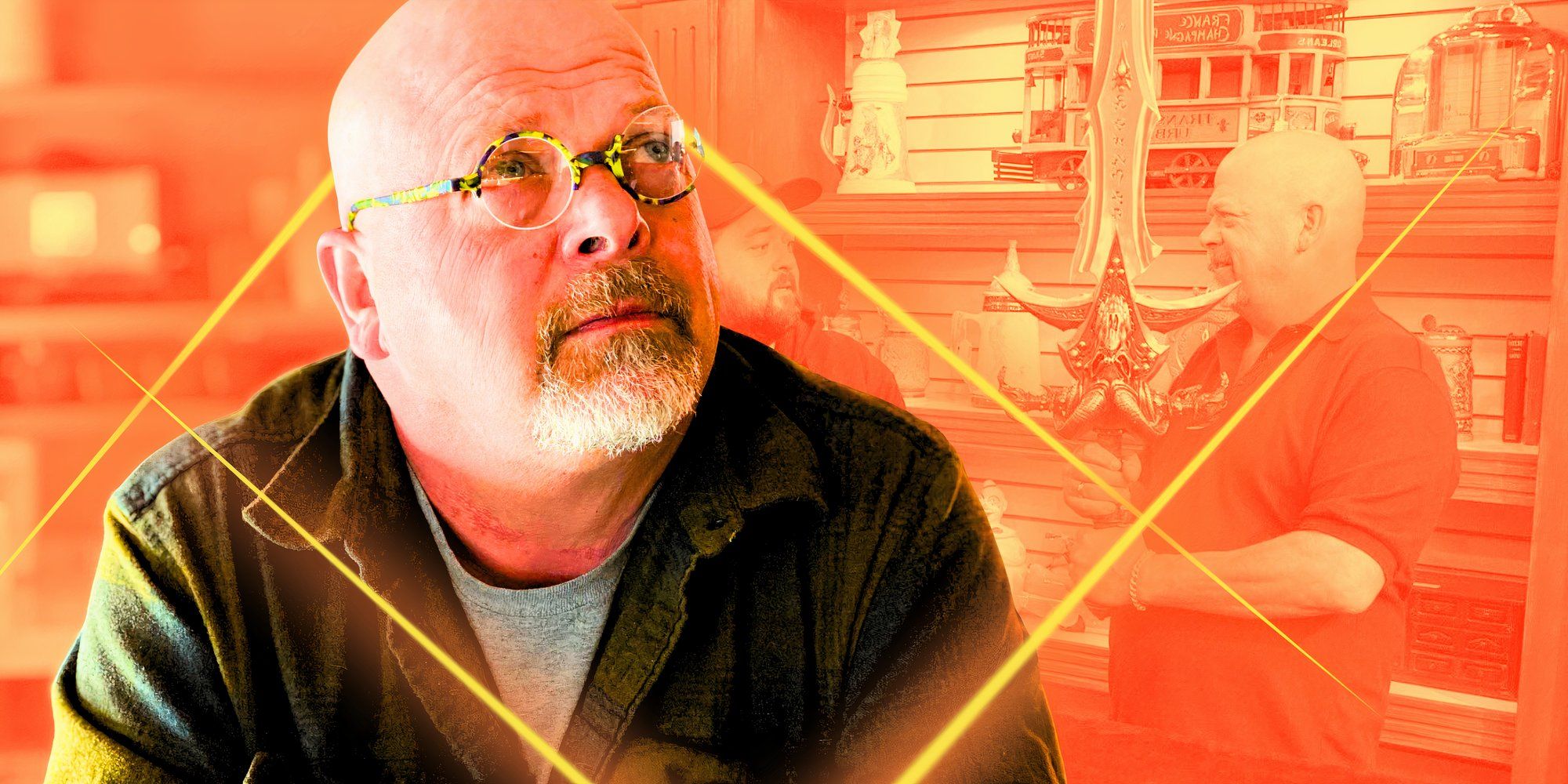
Challenges and Continuity in Personal Branding
Sustaining a personal brand under the constant scrutiny of public life, especially after years in the reality television spotlight, presents unique challenges. Rick Harrison has had to navigate personal losses, evolving media landscapes, and the inherent demands of maintaining authenticity while being a public figure.
Maintaining Authenticity in the Public Eye
One of the biggest assets of Rick Harrison’s brand has always been its perceived authenticity. Viewers believed they were seeing the real Rick, a no-nonsense businessman with a deep love for history. As with any long-running public persona, maintaining this authenticity becomes a strategic endeavor. This involves careful management of public statements, personal appearances, and digital presence. The passing of his father, Richard Harrison, in 2018, was a significant personal event that also impacted the “Pawn Stars” brand. Rick’s handling of this loss, sharing his grief publicly while honoring his father’s legacy, showcased an authentic human element that resonated with his audience and reinforced the family-centric aspect of the brand. Authenticity in personal branding is not about flawlessness, but about presenting a consistent and genuine self, even through life’s trials.
Succession and the Future of the Harrison Brand
The Gold & Silver Pawn Shop, and by extension the “Pawn Stars” brand, is inherently a family business. The question of succession and the future of the Harrison brand is a critical long-term consideration. Rick’s son, Corey, has been a central figure on the show and within the business, gradually stepping into more prominent roles. This planned transition is a deliberate brand strategy to ensure continuity and generational relevance. By integrating Corey more deeply into the narrative and business operations, Rick is subtly preparing the audience for a future where the Harrison brand continues, even if Rick’s direct screen time eventually diminishes. This ensures the foundational elements of the brand—family, expertise, and entertainment—remain intact, promising longevity beyond any single individual.
The Symbiotic Relationship: Personal Brand and Business Identity
The relationship between Rick Harrison’s personal brand and the Gold & Silver Pawn Shop’s corporate identity is a powerful example of synergy. His personal fame did not merely bring attention to the shop; it fundamentally transformed its identity, elevating it from a local business to a global landmark.
The Gold & Silver Pawn Shop as a Brand Extension
The Gold & Silver Pawn Shop is no longer just a place to buy, sell, or pawn items; it is a pilgrimage site for fans, a museum of quirky artifacts, and a testament to the power of television. Rick Harrison’s brand is so intertwined with the shop that it effectively functions as an extension of his persona. The shop’s marketing, merchandise, and even its physical layout reflect the “Pawn Stars” aesthetic and Rick’s influence. Every item sold and every customer interaction, particularly those handled by the famous faces, reinforces the brand narrative established on TV. This created a unique value proposition: customers aren’t just buying goods; they’re experiencing a piece of television history and interacting, however briefly, with the brand ambassadors themselves.
Impact on Tourism and Merchandising
The “Pawn Stars” phenomenon, driven by Rick Harrison’s prominent role, turned Gold & Silver Pawn Shop into a major tourist attraction in Las Vegas. People travel from all over the world not just to pawn or buy, but to see the shop and, if they’re lucky, meet the stars. This influx of tourism has naturally led to significant opportunities in merchandising, from branded apparel to souvenirs. These products serve as tangible extensions of the “Pawn Stars” and Rick Harrison’s personal brands, allowing fans to take a piece of the experience home. This merchandising success further amplifies brand recognition and loyalty, creating a self-reinforcing cycle where the TV show fuels tourism and merchandise sales, which in turn keep the brand in the public consciousness.

The Enduring Influence of a Reality TV Brand
Rick Harrison’s journey is a compelling narrative of how a reality television show can be a catalyst for unparalleled brand development. What started as an experiment in broadcasting the daily operations of a pawn shop evolved into a multi-faceted brand empire built on expertise, personality, and strategic visibility. His continued presence, coupled with a nuanced understanding of brand extension and legacy planning, ensures that the question “what happened to Rick Harrison of Pawn Stars?” is consistently answered with an affirmation of his enduring relevance and continued evolution as a prominent public figure and astute businessman. The “Pawn Stars” brand, anchored by Rick Harrison, stands as a testament to the power of authentic storytelling and strategic self-promotion in the modern media landscape.
aViewFromTheCave is a participant in the Amazon Services LLC Associates Program, an affiliate advertising program designed to provide a means for sites to earn advertising fees by advertising and linking to Amazon.com. Amazon, the Amazon logo, AmazonSupply, and the AmazonSupply logo are trademarks of Amazon.com, Inc. or its affiliates. As an Amazon Associate we earn affiliate commissions from qualifying purchases.