
In the landscape of modern media, the name Preston Burke represents more than just a fictional cardiothoracic surgeon from the hit medical drama Grey’s Anatomy. For brand strategists and reputation management experts, the departure of the character—and the subsequent fallout for actor Isaiah Washington—serves as a quintessential case study in personal branding, corporate identity, and the high-stakes world of crisis communication.
When we ask “what happened to Preston Burke,” we are not merely discussing a plot point in a television script; we are dissecting a moment where an individual’s personal brand collided violently with a multi-billion-dollar corporate entity. This article explores the branding mechanics behind Burke’s exit, the institutional response of the ABC network, and the enduring lessons for high-profile figures in the digital age.
The Anatomy of a Brand Collapse: When Personal Conduct Conflicts with Corporate Identity
At its peak, the brand of Preston Burke was synonymous with excellence, stoicism, and authority. Within the narrative framework of Grey’s Anatomy, Burke was the gold standard—a character whose personal brand was built on the pillars of “The Best.” However, the strength of a brand is often measured by its consistency, and when the actor behind the character engaged in behavior that contradicted the inclusive, progressive values of the show’s parent brand (Shondaland/ABC), a catastrophic misalignment occurred.
The Preston Burke Archetype: Building the “Brilliant Surgeon” Brand
In the first three seasons of Grey’s Anatomy, Preston Burke was meticulously crafted as a premium brand. He was the “Hand of God,” a surgeon whose technical prowess was matched only by his professional discipline. This personal branding was highly effective because it filled a specific niche in the market: the aspirational, high-achieving mentor. For the audience, the Burke brand represented stability and aspiration. This high level of brand equity is exactly what made his sudden removal so jarring and significant from a strategic perspective.
The Incident: When Individual Actions Damage the Collective Brand
The brand collapse began not on screen, but behind the scenes. In late 2006, reports surfaced of a physical and verbal altercation between Isaiah Washington and co-star Patrick Dempsey, during which Washington allegedly used a homophobic slur directed at cast member T.R. Knight.
From a brand strategy viewpoint, this was a “Critical Vulnerability” event. In an era where ABC and Disney were positioning themselves as champions of diversity and inclusive storytelling, Washington’s conduct created a direct conflict with the corporate identity. A brand is a promise to the consumer; when a representative of that brand breaks that promise through their actions, the integrity of the entire organization is put at risk.
Crisis Management in the Spotlight: How Shonda Rhimes Protected the Grey’s Anatomy Brand
When a crisis occurs within a high-profile brand, the speed and decisiveness of the leadership response determine the long-term damage. The “Burke Incident” forced Shonda Rhimes and the network executives into a defensive posture that prioritized the health of the collective brand over the survival of an individual asset.
The Decision to Terminate: Preserving Institutional Integrity
In June 2007, ABC announced that Isaiah Washington’s contract would not be renewed. This was a monumental decision in the world of television branding. Preston Burke was a cornerstone of the show’s success, and his removal risked alienating fans. However, the move was a masterclass in brand preservation.
By removing the source of the controversy, ABC signaled to its audience and advertisers that its corporate values were non-negotiable. In brand management, this is known as “amputation for preservation”—sacrificing a high-performing but toxic asset to ensure the long-term viability of the main product.
Stakeholder Management: Balancing Fan Loyalty and Social Responsibility
One of the most difficult aspects of the Burke exit was managing the “Brand Community”—the millions of fans who were invested in the Burke-Yang relationship. The writers had to find a way to write Burke out that maintained the narrative logic while satisfying the audience’s emotional needs.

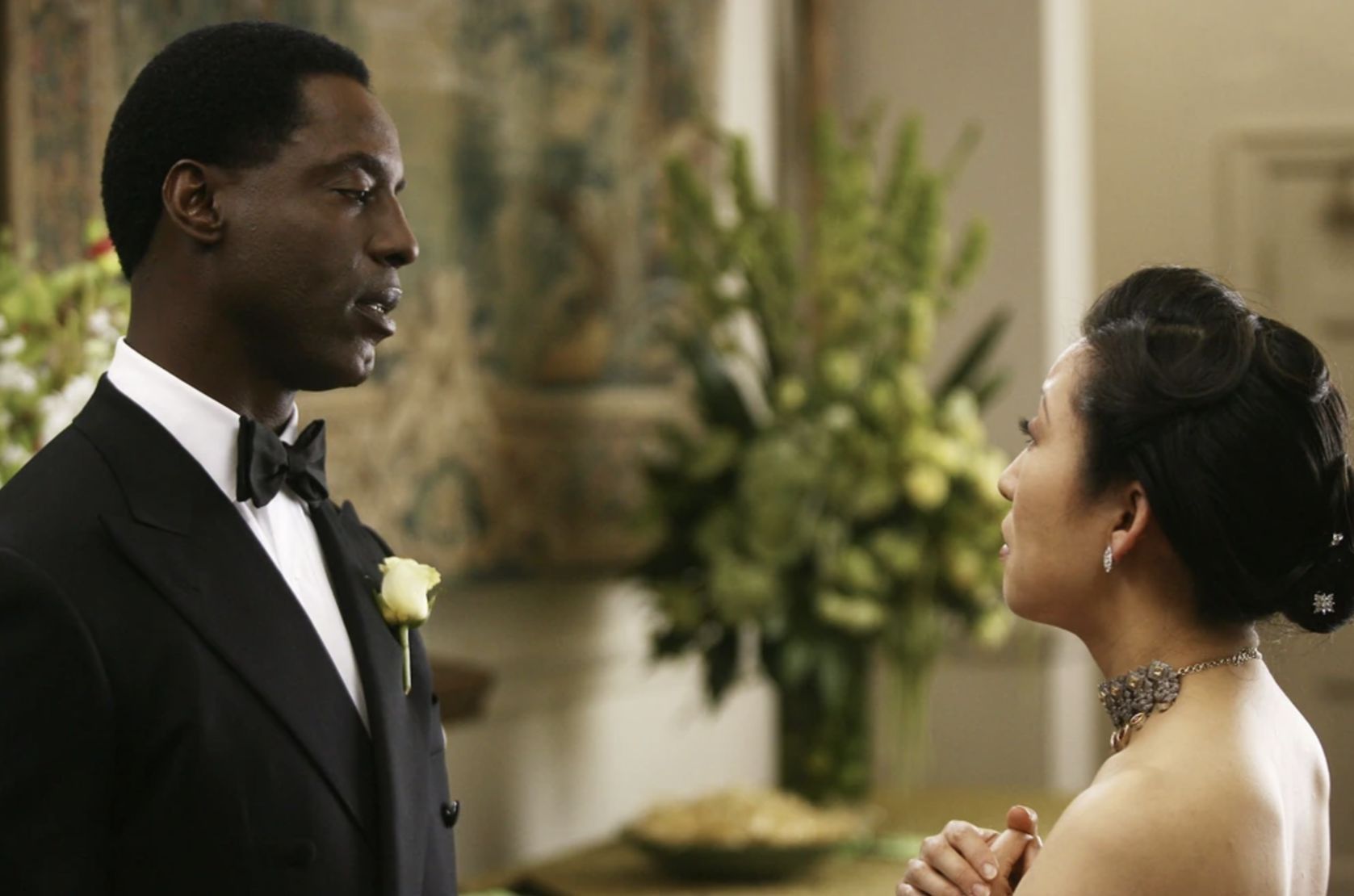
The strategy chosen was to have Burke leave Cristina Yang at the altar, essentially “ghosting” the show. This narrative choice reinforced the character’s stoic (and now perceived as cold) brand while allowing the show to pivot toward its remaining stars. The move successfully shifted the focus back to the core brand (the hospital and the remaining ensemble) and away from the off-screen controversy.
The Long Road to Rebranding: Isaiah Washington’s Career Post-Burke
The aftermath of Preston Burke’s departure provides a fascinating look at the difficulty of personal brand recovery. Once a brand is associated with a specific negative attribute—in this case, volatility or intolerance—the cost of “re-acquiring” public trust is astronomical.
Attempting a Brand Reset: The Challenges of Negative Public Perception
Following his exit, Washington attempted various rebranding efforts, including public apologies, appearances on news programs, and involvement in social advocacy. However, the “Preston Burke” exit had become the defining narrative of his career.
In personal branding, first impressions are powerful, but “last impressions” in a crisis are often permanent. Washington’s struggle to regain his status as a leading man in Hollywood highlights the “Penalty Phase” of crisis management. When a brand loses its “License to Operate” due to a breach of social ethics, the path back to the mainstream is fraught with skepticism from both industry gatekeepers and the general public.
Lessons in Reputation Management for High-Profile Individuals
The Burke saga offers three key lessons for anyone managing a personal brand:
- Alignment is Everything: Your personal conduct must align with the values of the organizations you represent.
- The Internet Never Forgets: Digital footprints ensure that “What happened to Preston Burke” remains a top search query decades later, keeping the scandal evergreen.
- Contingency Matters: Every high-value brand needs a crisis plan. The way ABC handled the exit allowed the show to thrive for another 15+ seasons, proving that no individual asset is bigger than the institution.
Digital Footprints and Legacy: How Search Engines Shape Modern Branding
In the modern era, the legacy of a brand is no longer controlled by PR firms alone; it is dictated by search engine algorithms. The query “what happened to Preston Burke” is a testament to how consumers use the internet to research brand history before engaging with new content.
The Persistence of Narrative: “What Happened to Preston Burke” as a Search Query
Years after the character left Grey Sloan Memorial Hospital, the curiosity surrounding his departure persists. This is a phenomenon known as “Brand Haunting.” Even after a character or individual has been “rebranded” or removed, the digital record ensures that the original controversy remains a part of the active conversation. For marketers, this underscores the importance of SEO management and the need to flood the digital space with positive, updated brand messaging to push down legacy crisis content.
Strategic Pivot: How to Transition from a Scandal-Clouded Past
Interestingly, in 2014, Preston Burke made a brief return to Grey’s Anatomy to facilitate the exit of Sandra Oh’s character, Cristina Yang. This was a strategic “Brand Reconciliation” move. By bringing the character back for a specific, positive purpose, the show was able to provide closure for the fans and soften the legacy of the original scandal.
From a brand perspective, this was a calculated risk. It allowed the show to reclaim the character’s narrative and integrate it back into the “Shondaland” history on their own terms. It demonstrated that even the most damaged brands can occasionally find a path toward a “Legacy Update,” provided the circumstances are managed with extreme precision and clear objectives.

Conclusion: The Lasting Impact of the Preston Burke Case Study
The story of what happened to Preston Burke is a powerful reminder that in the 21st century, every individual is a brand, and every brand is subject to the court of public opinion. The intersection of personal conduct and corporate identity is a volatile space where one wrong move can dismantle years of brand building.
For ABC and Grey’s Anatomy, the departure of Preston Burke was a test of corporate values that ultimately strengthened the show’s identity. For Isaiah Washington, it was a cautionary tale about the fragility of professional reputation. For brand strategists, it remains one of the most significant examples of how to navigate a crisis in the spotlight. Whether we view it as a loss of a great character or the necessary protection of a corporate brand, the exit of Preston Burke changed the landscape of television branding forever.
aViewFromTheCave is a participant in the Amazon Services LLC Associates Program, an affiliate advertising program designed to provide a means for sites to earn advertising fees by advertising and linking to Amazon.com. Amazon, the Amazon logo, AmazonSupply, and the AmazonSupply logo are trademarks of Amazon.com, Inc. or its affiliates. As an Amazon Associate we earn affiliate commissions from qualifying purchases.