
The story of Benjamin Fodor, better known to the world as Phoenix Jones, is more than a narrative of a self-styled vigilante patrolling the streets of Seattle. It is a profound case study in the power, volatility, and eventual collapse of a highly specialized personal brand. In an era where “becoming a brand” is a common aspiration, Fodor managed to carve out a niche so unique and visually arresting that it captured international headlines. However, his journey also serves as a stark warning about the dangers of brand-identity misalignment and the irreversible damage that occurs when a public persona is built on a foundation of moral superiority that the private individual cannot sustain.

Building the “Real-Life Superhero” Brand Architecture
At its peak, the Phoenix Jones brand was a masterclass in differentiation. In the crowded marketplace of public attention, Fodor succeeded by adopting a persona that resonated with a universal cultural archetype: the superhero. By moving this archetype from the silver screen to the asphalt of Seattle, he created a brand that was impossible to ignore.
Defining the Unique Value Proposition (UVP)
The core of any successful brand is a clear Unique Value Proposition. For Phoenix Jones, the UVP was “Real-world protection through civilian empowerment.” While the police represented a bureaucratic and often slow-moving institution, Phoenix Jones positioned his brand as an agile, immediate, and aesthetically bold alternative. He didn’t just report crimes; he intervened. This active participation in social justice gave his brand a visceral quality that pure digital influencers lacked.
Visual Identity and Costume Design
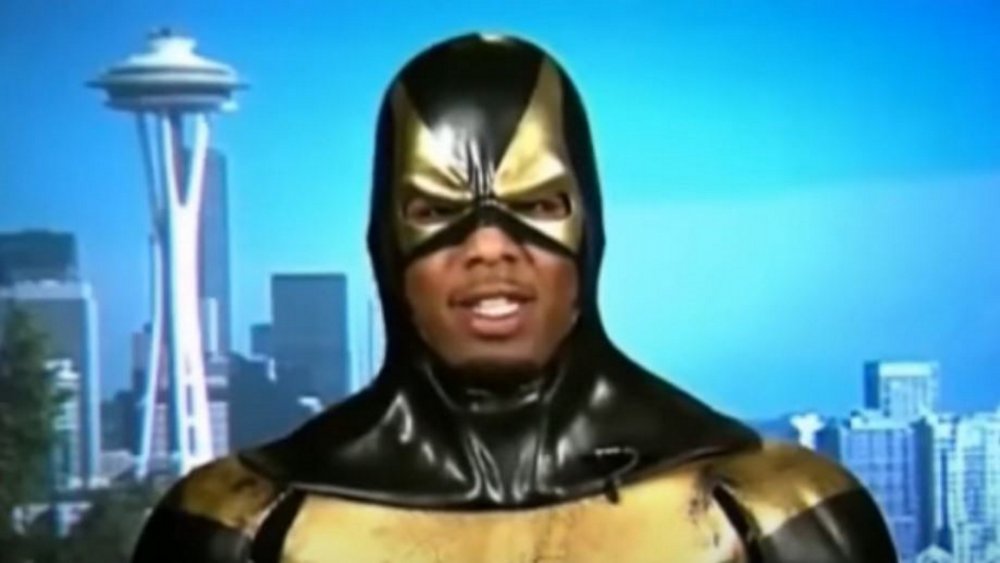
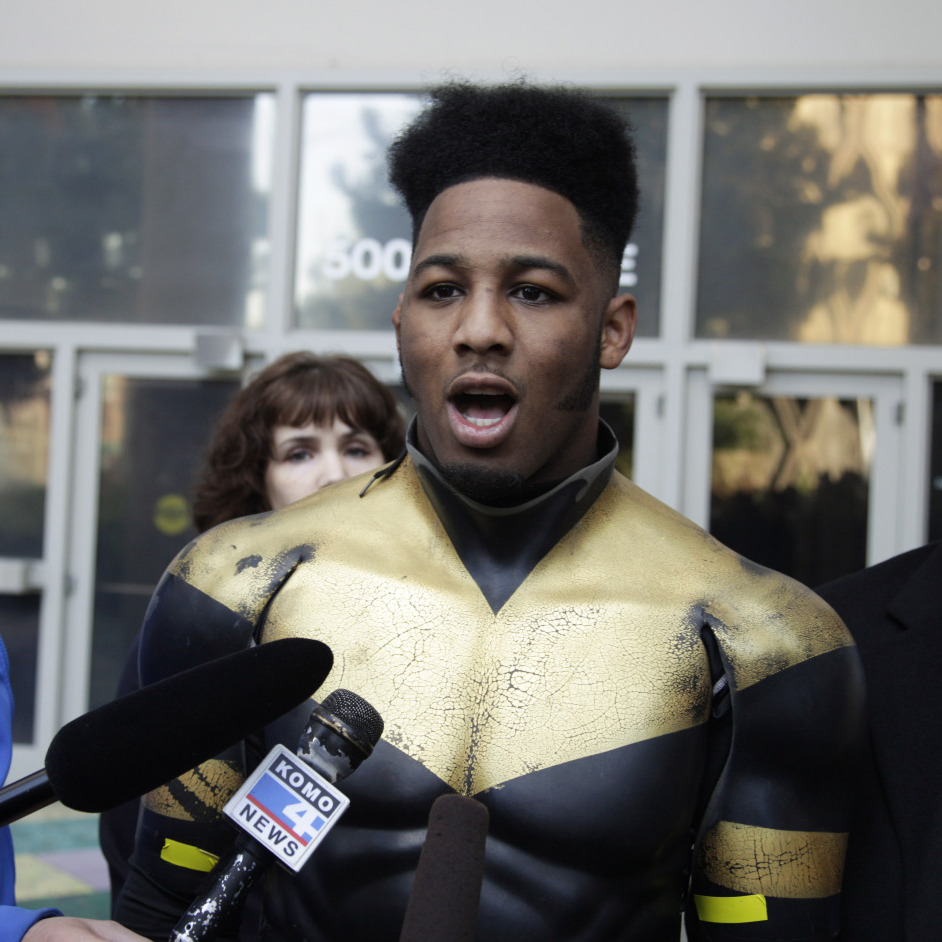
Brand recognition is often driven by visual consistency. Fodor understood this implicitly. He didn’t wear a makeshift mask; he invested in high-end, custom-molded kinetic body armor and a signature gold-and-black color scheme. This visual identity served two purposes: it provided physical protection during his patrols and, more importantly, it ensured that he was immediately recognizable to the media and the public. The “suit” was the logo, and the logo was synonymous with the mission.
Leveraging Viral Media for Brand Awareness
Fodor was a digital-native brand builder. He utilized body cameras and social media long before they became standard tools for public accountability. By capturing high-stakes footage of his interventions, he provided the media with “content” that was both shocking and shareable. This led to features on major networks like ABC, CNN, and the BBC, effectively scaling his personal brand from a local curiosity to a global phenomenon without a traditional advertising budget.
The Intersection of Personal Identity and Public Persona
The complexity of the Phoenix Jones brand lay in the overlap between Benjamin Fodor, the professional MMA fighter, and Phoenix Jones, the guardian of Seattle. For several years, these two identities complemented each other, creating a narrative of a man who possessed the actual skill set to back up his costumed persona.
The Authenticity Paradox
In branding, authenticity is the currency of trust. Fodor maintained his brand’s authenticity by proving his physical capabilities in the MMA cage. When he fought under the World Series of Fighting (WSOF) banner, he was often introduced as “The Real-Life Superhero.” This cross-promotion bolstered his credibility; the public believed in the hero because they saw the athlete’s discipline. However, this created an “authenticity paradox” where the brand became so large that any human failure would be perceived not just as a mistake, but as a systemic brand failure.
Community Engagement and the Rain City Superhero Movement
A brand becomes a movement when it fosters a community. Fodor expanded his personal brand into a corporate-style entity known as the “Rain City Superhero Movement” (RCSM). By recruiting other individuals—Red Dragon, Buster Doe, and Thorn—he attempted to scale his brand identity. This move was intended to transition the brand from a solo act to an organization. Yet, as many brand managers discover, scaling a personal brand is fraught with difficulty, as the original “founder” remains the sole point of failure.
Brand Erosion: When the Mask Slips
The decline of the Phoenix Jones brand did not happen overnight, but was the result of a series of strategic and moral misalignments that eventually alienated his core audience. In branding terms, this is known as “brand dilution,” where the actions of the brand representative no longer match the brand’s stated values.
Legal Controversies and Reputational Damage
A brand built on “law and order” cannot survive repeated clashes with the legal system. Fodor faced numerous arrests for issues ranging from the use of pepper spray in public altercations to disputes with local law enforcement. Each headline that painted him as a nuisance rather than a savior chipped away at his brand equity. The professional tone of a “protector” was replaced by the chaotic narrative of a “vigilante,” a subtle but devastating shift in market positioning.
The 2020 Drug Charges: A Fatal Brand Violation
The final collapse of the Phoenix Jones brand occurred in early 2020, when Benjamin Fodor was arrested for allegedly selling MDMA to an undercover officer. For a brand that marketed itself as the “protector of the streets” and a “combatant against crime,” this was a fatal violation. In the world of branding, this is the equivalent of a health food company being caught poisoning its own products. The hypocrisy was so profound that the brand could not recover. The “Phoenix Jones” identity was effectively retired, not because the costume was hung up, but because the trust—the fundamental asset of any brand—had been liquidated.
Lessons in Crisis Management and Brand Longevity
What happened to Phoenix Jones serves as a cautionary tale for modern entrepreneurs, influencers, and brand strategists. It highlights the fragility of personas that are built on moral absolutism.
The Importance of a Moral Compass in Personal Branding
If your brand is built on a specific set of ethics, your private life must be the ultimate testament to those ethics. Fodor’s downfall demonstrates that a personal brand is an integrated ecosystem. You cannot separate the “CEO” from the “Person.” When Fodor broke the very laws he claimed to uphold, the Phoenix Jones brand became a liability rather than an asset. Modern brands must realize that public scrutiny is 24/7; there is no “off-duty” for a public-facing identity.
Protecting the Core Asset: Trust
Trust is the most difficult asset to build and the easiest to destroy. Fodor spent years building a reservoir of goodwill through his street patrols and charity work. However, he failed to implement “brand guardrails”—personal and professional checks that would prevent catastrophic reputational hits. For anyone managing a personal brand, the lesson is clear: your most important job is not growth or engagement, but the protection of your reputation’s integrity.
The Pivot that Never Happened
After his legal troubles, Fodor attempted to return to his roots in MMA, but the “Phoenix Jones” branding had become toxic. In a business context, when a brand becomes this damaged, a “rebrand” or a “pivot” is often required. However, Fodor was too deeply intertwined with the superhero persona. He was unable to successfully transition back to being Benjamin Fodor, the athlete, because the world only saw him as the fallen hero. This illustrates the danger of “over-niching” a brand to the point where it cannot survive a shift in market conditions or personal circumstances.
Conclusion: The Legacy of a Fallen Brand
Today, the Phoenix Jones brand exists primarily as a digital ghost—a reminder of a bizarre era in the 2010s where the lines between comic book fantasy and urban reality blurred. Benjamin Fodor’s story is a reminder that a brand is a promise made to the public. When that promise is kept, the rewards are immense; when it is broken, the fall is absolute.
For professionals in the fields of marketing and brand strategy, the Phoenix Jones narrative highlights the necessity of alignment. A brand must be sustainable, it must be honest, and it must have a crisis management plan that accounts for the human fallibility of its leaders. Phoenix Jones didn’t just disappear because he stopped wearing the suit; he disappeared because the story he was telling no longer made sense to the audience that once believed in him. In the end, the mask didn’t hide his identity; it eventually revealed the fatal flaw in his brand’s foundation.
aViewFromTheCave is a participant in the Amazon Services LLC Associates Program, an affiliate advertising program designed to provide a means for sites to earn advertising fees by advertising and linking to Amazon.com. Amazon, the Amazon logo, AmazonSupply, and the AmazonSupply logo are trademarks of Amazon.com, Inc. or its affiliates. As an Amazon Associate we earn affiliate commissions from qualifying purchases.