
In the landscape of modern media, few case studies offer as much insight into the mechanics of personal branding, character IP management, and crisis recovery as that of Pee-wee Herman. Created by Paul Reubens, the character was not merely a comedic persona; it was a meticulously engineered brand that challenged the boundaries between the performer and the product. When people ask “what happened to Pee-wee Herman,” they are often tracing the arc of a brand that navigated the heights of Saturday morning dominance, the depths of a catastrophic PR crisis, and a strategic late-career renaissance.

To understand the trajectory of the Pee-wee Herman brand is to understand the power of consistency, the volatility of public perception, and the enduring value of intellectual property (IP). This analysis explores how the brand was built, how it was sustained through controversy, and how it eventually achieved a legacy status that persists even after the passing of its creator.
Building the Character Brand: The Power of Distinct Visual Identity
The success of the Pee-wee Herman brand was rooted in a foundational principle of marketing: hyper-consistency. Long before influencers used “aesthetic” to build followings, Paul Reubens developed a visual and behavioral language for Pee-wee that was instantly recognizable and impossible to mistake for any other entity.
Creating the Uniform: Visual Consistency in Brand Recognition
Every strong brand requires a logo or a visual shorthand. For Pee-wee, this was the tight grey suit, the white shoes, and the iconic red bowtie. By adhering to this “uniform” for decades, Reubens ensured that the Pee-wee brand achieved a level of visual equity comparable to corporate mascots like Mickey Mouse or Ronald McDonald.
In the world of personal branding, the “uniform” serves to minimize cognitive load for the audience. When Reubens appeared in character, there was no ambiguity about the brand’s promise: whimsical, slightly subversive, and high-energy entertainment. This visual consistency allowed the brand to scale from the stage of The Groundlings to a cult-hit HBO special, and eventually to a multi-million dollar Saturday morning franchise.
The Voice and Mannerisms: Auditory and Behavioral Branding
Beyond the visual, the Pee-wee brand was reinforced through auditory cues—specifically the staccato laugh and the “I know you are, but what am I?” catchphrases. In branding terms, these are known as “brand identifiers.” Reubens understood that for the Pee-wee brand to thrive, it had to be immersive. During the peak of his fame in the late 1980s, Reubens rarely gave interviews as himself; he remained in character, a strategy that protected the brand’s “lore” and prevented the public from conflating the fictional product with the real-life businessman behind it.
Crisis Management and the “Brand Dark Period”
The primary risk of a brand built entirely around a single persona is “key person risk.” If the individual associated with the brand suffers a reputational hit, the brand equity can evaporate overnight. This is exactly what happened in 1991 when Paul Reubens was arrested in Florida. The fallout serves as a landmark case study in corporate and personal brand crisis management.
The 1991 Incident: When Personal Brand Conflicts with Character Brand
The Pee-wee Herman brand was primarily positioned for children and families through the hit show Pee-wee’s Playhouse. When the 1991 arrest occurred, the personal behavior of the creator was viewed as being in direct conflict with the “brand promise” of the character. The reaction from corporate partners was swift: Toys “R” Us pulled Pee-wee merchandise from shelves, and Disney-MGM Studios removed the character’s videos from their attractions.
From a marketing perspective, the brand was “de-listed.” The sudden removal of the product from the marketplace was an attempt by stakeholders to prevent the scandal from “contaminating” their own brand ecosystems. The Pee-wee brand, which had been a powerhouse of licensing and merchandising, suddenly became toxic.
The Withdrawal Strategy: Preserving the IP through Silence
In the face of the crisis, Reubens adopted a strategy of total brand withdrawal. Rather than engaging in a high-profile “apology tour”—which often serves to keep the scandal in the news cycle—he allowed the Pee-wee brand to go dormant.
This was a strategic move in IP preservation. By removing the character from the public eye for several years, Reubens allowed the heat of the scandal to dissipate while preserving the nostalgia for the character. In branding, silence can sometimes be a more effective tool for recovery than over-communication. It allowed the audience to decouple the character from the tabloid headlines of the early 90s, setting the stage for a future “Legacy Brand” relaunch.

The Digital Renaissance and Strategic Comeback
The “what happened next” in the Pee-wee Herman saga is a testament to the power of nostalgia and the shift in media distribution. In the 2010s, the brand underwent a calculated revitalization, targeting a now-adult demographic that had grown up with the original Playhouse.
Leveraging Nostalgia in the Age of Social Media
As the children of the 80s entered their 30s and 40s, they became a prime demographic for “Nostalgia Marketing.” Reubens recognized this shift and began re-introducing the Pee-wee brand through platforms that favored cult followings. The 2010 revival of The Pee-wee Herman Show on Broadway was a masterstroke in brand repositioning. It wasn’t marketed to children; it was marketed to the “Kidult” demographic—adults who value the aesthetics of their childhood.
The brand also embraced social media, using Twitter and Instagram to share curated, quirky content that resonated with the burgeoning “internet weird” aesthetic. By leaning into the campy, surrealist elements of the original brand, Reubens successfully pivoted Pee-wee from a “kids’ show character” to an “alternative comedy icon.”
The Netflix Partnership: Reinvigorating Legacy Content
The final stage of the brand’s comeback was the 2016 film Pee-wee’s Big Holiday, produced by Judd Apatow and released via Netflix. This partnership was significant for two reasons. First, it provided the brand with a global distribution platform that didn’t rely on traditional theatrical gatekeepers. Second, it validated the brand’s relevance in a modern context.
Netflix’s data-driven approach likely identified a significant “latent demand” for Pee-wee Herman content. The film’s success proved that the brand had survived its dark period and had successfully transitioned into a “Legacy IP”—a brand that retains value across generations regardless of the creator’s past hurdles.
Lessons in Intellectual Property and Brand Longevity
The evolution of Pee-wee Herman provides several critical takeaways for brand strategists and entrepreneurs. It highlights the difference between a “fad” and a “foundation” and shows how a brand can be engineered for longevity.
Separating the Creator from the Creation
One of the most profound aspects of the Pee-wee Herman brand was its autonomy. While Paul Reubens was the engine, the “Pee-wee” identity was so strong that it functioned as a separate entity. This separation is the goal of any high-level brand strategy. When a brand becomes an icon, it transcends the person who created it.
Even as Reubens aged, the brand remained frozen in a state of eternal, quirky youth. Through clever use of makeup, lighting, and digital touch-ups in later years, the visual identity of Pee-wee was maintained. This teaches us that a brand’s visual standards must be defended vigorously if the brand is to remain “timeless.”
The Legacy Phase: Ensuring Brand Permanence After the Creator
With the passing of Paul Reubens in 2023, the question of “what happened to Pee-wee Herman” enters its final chapter: the Legacy Phase. Unlike many personal brands that die with their creators, the Pee-wee Herman brand is uniquely positioned to live on as a piece of American folk-art IP.
Because the brand was built on a foundation of specific design, catchphrases, and a self-contained world (The Playhouse), it is possible for the brand to be curated, archived, and even potentially rebooted in the future. We see this in how the estate has continued to engage fans, emphasizing the brand’s message of inclusivity, creativity, and non-conformity. The brand is no longer just a person; it is a set of values and an aesthetic language.
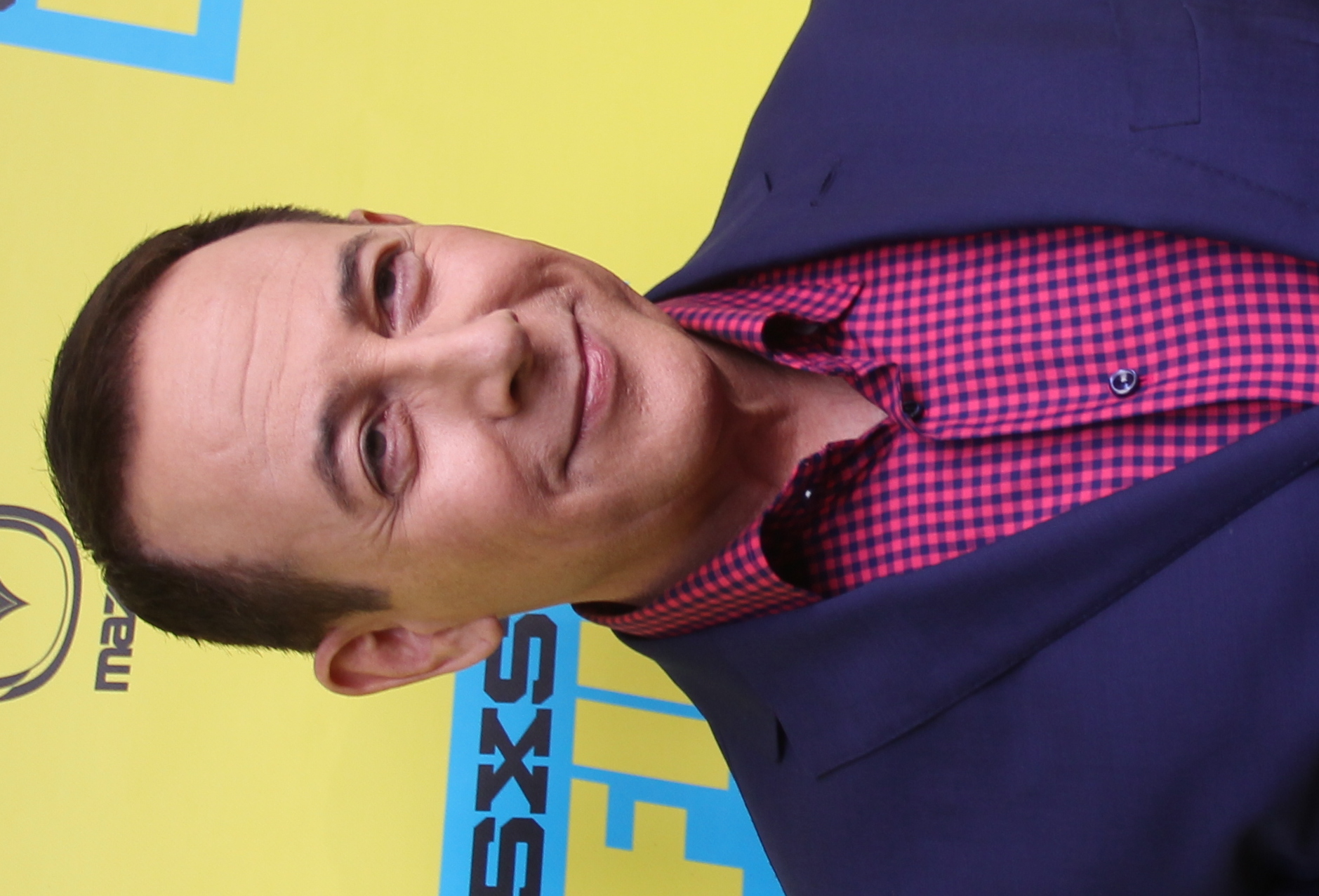
Conclusion: The Resilience of a Well-Defined Brand
The story of Pee-wee Herman is a narrative of brand resilience. It illustrates that while a brand can be damaged by external factors or personal scandal, a “High-Equity Brand”—one with a clear identity, a loyal core audience, and a unique market position—can survive and even thrive after a period of dormancy.
Paul Reubens did not just play a character; he managed a global brand through some of the most turbulent shifts in media history. From the analog world of Saturday morning television to the digital era of streaming and social media, the Pee-wee Herman brand remained true to its core DNA. For modern brand builders, the lesson is clear: consistency is the bedrock of recognition, nostalgia is a powerful market force, and a well-defined visual identity is the best insurance policy a brand can have. What happened to Pee-wee Herman wasn’t just a career arc; it was a masterclass in the survival and evolution of an American icon.
aViewFromTheCave is a participant in the Amazon Services LLC Associates Program, an affiliate advertising program designed to provide a means for sites to earn advertising fees by advertising and linking to Amazon.com. Amazon, the Amazon logo, AmazonSupply, and the AmazonSupply logo are trademarks of Amazon.com, Inc. or its affiliates. As an Amazon Associate we earn affiliate commissions from qualifying purchases.