
Nick Nolte. The name alone conjures images of a rugged, maverick actor who burst onto the scene in the late 1970s and early 1980s with an almost raw, untamed charisma. He was the embodiment of a certain American archetype: the outsider, the rebel with a cause, the man wrestling with his demons on screen and, it often seemed, off-screen as well. But over the decades, the narrative surrounding Nolte has evolved. The initial explosive impact has given way to a more nuanced understanding of his career, his public persona, and the enduring power of his personal brand. This exploration delves into the shifts in perception, the challenges that shaped his public image, and how, despite the turbulence, his brand has managed to retain a distinct and recognizable resonance within Hollywood and beyond.

The Genesis of a Maverick Brand: Raw Talent and Anticonformist Appeal
Nolte’s early career was marked by a deliberate departure from the polished, conventional leading man. His breakthrough roles in films like “The Deep” (1977) and “48 Hrs.” (1982) showcased a palpable authenticity. This wasn’t just acting; it felt like an unfiltered expression of a certain kind of American grit. His physical presence, coupled with a simmering intensity, set him apart.
Early Roles: Forging the Anti-Hero Persona
The roles Nolte chose, and the way he inhabited them, were instrumental in crafting his initial brand identity. He wasn’t afraid to play characters who were flawed, morally ambiguous, or on the fringes of society. This resonated with audiences who were perhaps growing weary of overly idealized protagonists.
- “The Deep” (1977): This film, though more of a thriller, introduced Nolte as a charismatic, albeit slightly rough-around-the-edges, figure. It hinted at the rugged masculinity that would become a hallmark of his brand.
- “48 Hrs.” (1982) and “Another 48 Hrs.” (1990): These buddy-cop comedies cemented his image as a tough, no-nonsense lawman with a rebellious streak, often clashing with authority. His chemistry with Eddie Murphy provided a compelling dynamic that amplified his persona. His sardonic wit and weary cynicism became signature elements.
- “The Prince of Tides” (1991): While a departure into more dramatic territory, Nolte’s performance as a man confronting his past trauma showcased a vulnerability that added depth to his established toughness. This role earned him critical acclaim and an Oscar nomination, demonstrating the breadth of his acting chops and broadening the perception of his brand beyond mere toughness.
The “Bad Boy” Image: Authenticity or Manufactured Persona?
The rugged, often troubled persona that Nolte projected extended beyond the screen. His public appearances, interviews, and documented personal struggles contributed to a “bad boy” image that, for a time, became inextricably linked to his brand. This was a double-edged sword, fostering a sense of authentic rebellion but also carrying inherent risks.
- Interviews and Public Demeanor: Nolte was never one for rehearsed platitudes. His interviews often reflected a candid, sometimes gruff, personality that viewers found refreshing. This unfiltered approach, however, could also be perceived as difficult or unapproachable, creating a tension between genuine personality and the demands of a public brand.
- Media Portrayals: The media often focused on Nolte’s personal life, including his well-documented struggles with alcohol and substance abuse, as well as legal issues. While these events undoubtedly impacted his career trajectory and public perception, they also, in a paradoxical way, reinforced the narrative of a man living life on his own terms, further solidifying a brand built on raw edges and imperfect humanity.
Navigating the Turbulence: Challenges and the Evolution of Brand Perception
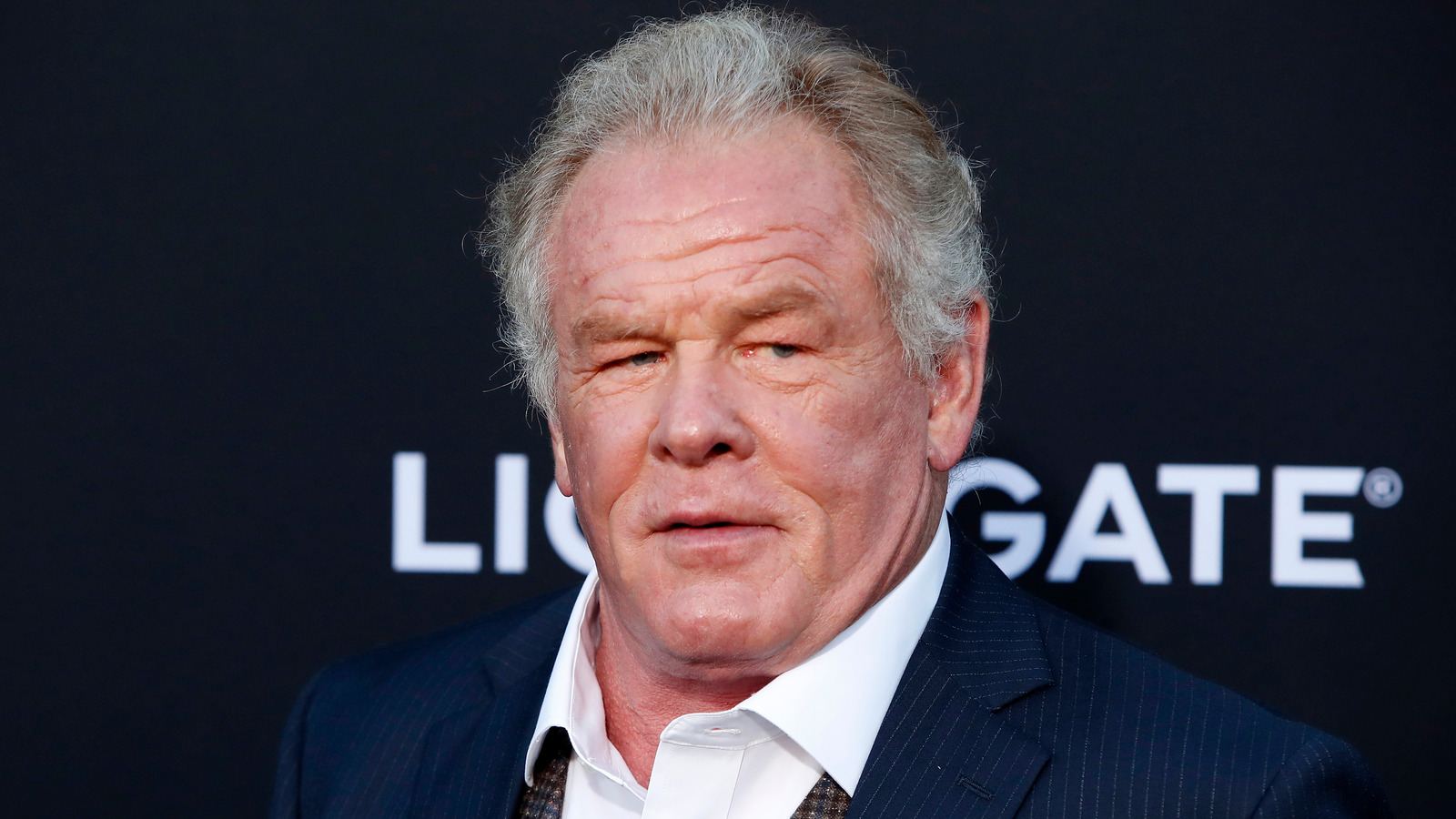
The trajectory of any enduring brand is rarely linear. For Nick Nolte, the path was punctuated by significant challenges that tested the resilience of his public image. These were not merely professional setbacks but events that deeply impacted how he was perceived by the industry and the public alike.
The Impact of Personal Struggles on Brand Equity
Nolte’s well-publicized battles with addiction and his subsequent arrests undoubtedly cast a shadow over his career. In an industry that often values stability and a clean image, these incidents threatened to derail his standing as a reliable and desirable talent.
- Legal Troubles and Their Repercussions: Instances like his 2002 DUI arrest, which revealed him to be under the influence of GHB and highly disoriented, were widely reported and generated significant negative press. This particular event, due to its bizarre nature, became a focal point for discussions about his well-being and professional reliability, impacting his brand’s perception of stability.
- Career Hiatuses and Lost Opportunities: The impact of these struggles often led to periods of reduced work or a shift in the types of roles offered. While some actors might have faded into obscurity, Nolte’s inherent talent and the foundational strength of his brand allowed him to weather these storms. However, it’s undeniable that certain high-profile opportunities may have been missed due to the stigma associated with his personal challenges.
- The “Phoenix” Narrative: Despite the setbacks, Nolte’s ability to return to acting and deliver compelling performances in later years fostered a “phoenix from the ashes” narrative. This resilience, paradoxically, began to add a layer of respect and admiration to his brand. Audiences saw a man who had faced his demons and continued to pursue his craft, adding a new dimension of character and depth.
The Shifting Hollywood Landscape and Nolte’s Place Within It
The film industry itself has undergone seismic shifts since Nolte first rose to prominence. The rise of franchises, the increasing importance of social media presence, and changing audience demographics have all influenced how actors are perceived and marketed. Nolte’s brand, rooted in a different era of Hollywood, had to adapt or risk becoming an anachronism.
- The Rise of Social Media and the Traditional Star: Nolte has largely eschewed the constant self-promotion and curated online presence that has become a staple for many contemporary stars. This deliberate distance from social media platforms, while maintaining his authentic persona, further distinguishes his brand as one that prioritizes artistic integrity over fleeting digital trends. This has made his occasional public appearances and interviews all the more significant.
- The “Character Actor” Evolution: As Nolte aged, his brand naturally evolved. The rugged leading man transitioned into a formidable character actor, bringing a lifetime of experience and gravitas to his roles. This shift allowed him to continue working and impressing audiences, demonstrating that his brand’s value wasn’t solely tied to youthful machismo but to a deeper, more seasoned presence. Films like “Warrior” (2011), for which he received another Oscar nomination, showcased this maturity and earned him new respect.
- Enduring Star Power vs. Brand Longevity: The question of “what happened to Nick Nolte” often implies a decline in visibility. However, this perspective overlooks the different metrics of success and brand longevity in Hollywood. While he may not be headlining blockbuster franchises, his name still carries significant weight, evoking a sense of classic Hollywood and a unique brand of authentic performance.
The Enduring Brand: Authenticity, Resilience, and a Unique Legacy
Nick Nolte’s career is a compelling case study in the complexities of personal branding within the entertainment industry. His brand wasn’t built on polished perfection or a tightly controlled image, but rather on a foundation of raw talent, a rebellious spirit, and a remarkable capacity for resilience. While the narrative surrounding him has undoubtedly evolved, the core elements of his brand remain potent.

Re-evaluating the “What Happened?” Question: A Shift from Decline to Adaptation
The question “What happened to Nick Nolte?” often carries an implicit assumption of decline. However, a closer examination reveals a more nuanced story of adaptation and reinvention. Instead of disappearing, Nolte has carved out a distinct and respected niche for himself, leveraging his established brand to explore new artistic territory.
- The Value of Imperfection: In a world often saturated with manufactured perfection, Nolte’s brand, with its inherent imperfections and documented struggles, offers a refreshing authenticity. This has, over time, become a source of enduring appeal. Audiences connect with the idea of a flawed, human individual navigating the complexities of life and art.
- A Masterclass in Brand Resilience: Nolte’s career serves as a testament to the power of resilience in maintaining brand equity. His ability to overcome personal challenges and continue to deliver powerful performances has not only rehabilitated his image but has also added layers of respect and admiration to his brand. He has demonstrated that a brand can evolve and mature, rather than simply fade.
- The Legacy of a Maverick: Ultimately, what happened to Nick Nolte is that he became something more than just a movie star. He became a cultural touchstone, a symbol of a particular kind of American archetype. His brand is etched into the annals of Hollywood history, characterized by its rugged individualism, its unvarnished honesty, and its enduring capacity to captivate. He remains a compelling figure, not despite his past, but in many ways, because of it, a living embodiment of a brand that has weathered storms and emerged, perhaps not unscathed, but certainly with a unique and indelible mark. His legacy is one of artistic integrity and a deeply ingrained authenticity that continues to resonate.