
The name Nate Ruess, once synonymous with the anthemic pop-rock sound of fun., evokes a distinct era in modern music. From the explosive success of “We Are Young” and “Some Nights” to his solo endeavors, Ruess has maintained a presence in the public consciousness. However, the question “What happened to Nate Ruess?” often arises, reflecting a curiosity about his current activities, musical direction, and, crucially for this analysis, the evolution of his personal brand. This exploration delves into the trajectory of Nate Ruess, examining how his artistic output, public persona, and career choices have shaped his ongoing brand narrative, particularly within the context of the music industry’s ever-shifting landscape.

The Zenith of fun.: Establishing a Dominant Brand Identity
The rise of fun. was meteoric, and their success was intrinsically linked to the distinctive brand identity they cultivated. Nate Ruess, as the frontman and primary lyricist, was the undeniable face of this burgeoning brand. Their music, characterized by grand, singalong choruses, introspective yet universally relatable lyrics, and a theatrical delivery, struck a chord with a massive audience. This was not accidental; it was a carefully crafted, albeit seemingly organic, brand proposition.
The “We Are Young” Phenomenon and its Brand Resonance
The release of “We Are Young” featuring Janelle Monáe in 2011 was a watershed moment. The song, with its soaring vocals and themes of youthful rebellion, regret, and shared experience, became a global anthem. This single, and the subsequent album “Some Nights,” cemented fun.’s brand as one of hopeful melancholy, of shared struggles and triumphant solidarity. Ruess’s vocal style, with its distinctive falsetto and emotive delivery, became a signature element of this brand. He wasn’t just singing songs; he was embodying a feeling, a collective sentiment that resonated deeply with a generation.
The visual identity of the band also contributed significantly to their brand. Album art, music videos, and live performances often featured a blend of vintage aesthetics and modern theatricality, creating a world that was both familiar and aspirational. Ruess, with his sharp suits and dramatic stage presence, became the embodiment of this sophisticated yet accessible image. This allowed for broad appeal, attracting listeners who identified with the emotional depth of the lyrics and those drawn to the polished presentation. The brand was built on authenticity, even within a meticulously constructed pop-culture package.
The Power of Relatability in a Global Brand
A key driver of fun.’s success, and by extension Nate Ruess’s brand, was the perceived authenticity and relatability of their themes. While the music was grand in scale, the lyrical content often explored personal anxieties, romantic entanglements, and existential questions. Ruess’s ability to articulate these common human experiences in a poetic and compelling manner fostered a strong connection with fans. This created a sense of intimacy, even amidst stadium-sized performances.
The brand of fun., and by extension Nate Ruess, was one of accessible vulnerability. They tapped into a desire for music that felt both epic and personal. This duality allowed them to transcend typical genre boundaries, appealing to a wide demographic. Their marketing, while effective, felt less like a manufactured corporate push and more like an organic outpouring of artistic expression. This made the brand feel more genuine, fostering a deeper loyalty among their fanbase. The immediate and widespread acclaim for “Some Nights” and its singles demonstrated a powerful market validation of this brand.
The Transition to Solo Artistry: Rebranding and Reimagining
Following the immense success of fun., the natural progression for many artists is to explore individual creative paths. For Nate Ruess, this meant embarking on a solo career. This transition, however, presented a significant rebranding challenge. The “fun.” brand was a collective identity, and now Ruess had to establish his own distinct voice and narrative. His solo work aimed to build upon his established brand equity while also signaling a new direction and artistic maturity.
“Grand Romantic”: A Statement of Individual Identity
Ruess’s debut solo album, “Grand Romantic” (2015), served as a deliberate statement of his individual artistic vision. While retaining elements of his signature vocal style and lyrical introspection, the album explored more personal themes and incorporated different sonic textures. This was a crucial step in distinguishing his solo brand from the collective identity of fun. The album aimed to showcase his evolution as an artist and solidify his position as a solo entity.

The title itself, “Grand Romantic,” suggests a personal exploration of love, desire, and perhaps a touch of theatricality, aligning with his established persona but on a more intimate scale. The reception of the album, while not reaching the commercial heights of fun.’s work, demonstrated a segment of his fanbase willing to follow him on this new artistic journey. This represented a strategic move to diversify his brand and appeal to a more nuanced listener who appreciated his lyrical craftsmanship and vocal artistry independent of a band context.
Navigating the Post-Band Landscape: Brand Reinvention
The transition from a massively successful band to a solo career is fraught with challenges, particularly in maintaining brand visibility and relevance. The “what happened to Nate Ruess?” question often stems from this shift. The public’s perception is frequently anchored to the last widely popular iteration of an artist. For Ruess, this meant actively working to remind audiences of his continued artistic output and evolving brand.
His solo efforts involved not just releasing new music but also engaging in collaborations, touring, and maintaining a public presence. This sustained effort is vital for any artist seeking to reinvent or refine their brand. It’s about demonstrating continued artistic relevance and showing that the evolution is not a departure from his core artistic values but rather a natural progression. The solo journey, therefore, became an ongoing narrative of brand reinvention, seeking to capture both the nostalgia of his past success and the excitement of his future creative directions.
The Evolving Narrative: Collaborations, Appearances, and Future Prospects
The story of Nate Ruess is not one of disappearance, but rather of evolution and a carefully managed presence within the music industry. His brand continues to be shaped by his ongoing artistic endeavors, including collaborations and sporadic public appearances. Understanding these elements provides a clearer picture of his current brand standing and future potential.
Beyond the Band: A Pattern of Strategic Collaborations
Nate Ruess has consistently engaged in collaborations with a diverse range of artists across different genres. These partnerships serve multiple purposes for his brand. Firstly, they keep him visible and connected to the contemporary music scene. Secondly, they allow him to experiment with different sounds and artistic contexts, showcasing his versatility and adaptability. Lastly, collaborations can introduce him to new audiences, broadening his brand’s reach.
His work with artists like P!nk, as well as his contributions to various soundtracks and compilations, demonstrates a conscious effort to remain an active and relevant musical force. Each collaboration is, in essence, a micro-branding exercise, leveraging his distinctive vocal talents and songwriting prowess in new and exciting ways. These instances are crucial for answering “what happened to Nate Ruess?” by showing he is actively creating and contributing.
The Power of Presence: Live Performances and Media Appearances
While the intense touring schedule of a global band like fun. may be a thing of the past, Nate Ruess’s engagement through live performances and media appearances remains a significant aspect of his brand. These moments, though perhaps less frequent, are often impactful. They provide opportunities for fans to connect with his music directly and for him to reaffirm his artistic identity.
His choices in terms of public appearances, interviews, and live shows are strategic. They are curated to align with his artistic vision and to maintain his brand’s integrity. The scarcity of some appearances can even enhance their impact, creating anticipation and a sense of occasion. This deliberate approach to presence is a hallmark of a mature artist who understands the long-term value of their brand and how to manage its perception.
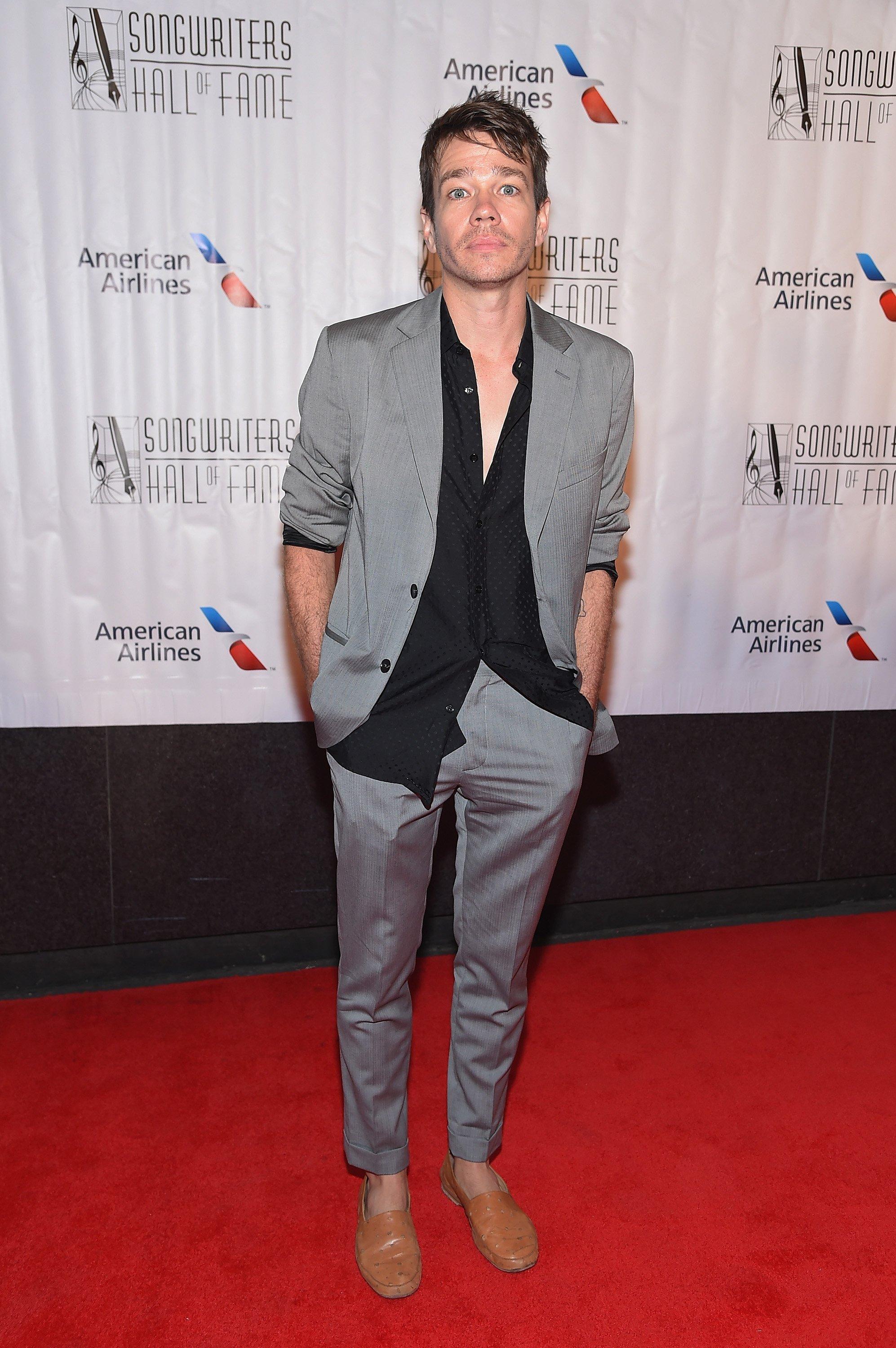
The Future of the Nate Ruess Brand: Continued Artistic Exploration
The question “what happened to Nate Ruess?” ultimately leads to the understanding that he is still very much a present and evolving artist. His journey from the frontman of a chart-topping band to a solo artist who strategically engages with the music world is a testament to his enduring talent and thoughtful approach to his career. The Nate Ruess brand is not static; it is a narrative of continuous artistic exploration, of building upon past successes while forging new creative paths.
His future endeavors are likely to continue this pattern of artistic independence, characterized by thoughtful songwriting, distinctive vocal delivery, and a measured but impactful presence. The brand of Nate Ruess is one of enduring musicality, of emotional resonance, and of a willingness to adapt and grow within the ever-changing landscape of the music industry. His story is a compelling case study in how an artist’s brand can transform and persevere, maintaining relevance through sustained creativity and strategic engagement.
aViewFromTheCave is a participant in the Amazon Services LLC Associates Program, an affiliate advertising program designed to provide a means for sites to earn advertising fees by advertising and linking to Amazon.com. Amazon, the Amazon logo, AmazonSupply, and the AmazonSupply logo are trademarks of Amazon.com, Inc. or its affiliates. As an Amazon Associate we earn affiliate commissions from qualifying purchases.