
In the landscape of early 2000s R&B, few figures managed to capture a specific “vibe” as effectively as Musiq Soulchild. Born Taalib Johnson, the artist didn’t just release music; he built a brand centered on the relatability of the everyman, fused with the sophistication of neo-soul. However, as the music industry underwent a seismic shift from physical sales to digital streaming, and as the “neo-soul” genre was absorbed into the broader R&B and hip-hop umbrella, many fans began to wonder what happened to the man behind hits like “Halfcrazy” and “B.U.D.D.Y.”

The journey of Musiq Soulchild is not a story of a disappearing act, but rather a sophisticated case study in personal branding, strategic pivots, and the challenges of maintaining artistic identity in a rapidly evolving market. To understand where he is today, we must analyze the architecture of his brand, his experiments with identity, and his eventual mastery of the independent business model.
The Architecture of an Iconic R&B Brand
When Musiq Soulchild debuted with Aijuswanaseing in 2000, his brand was meticulously crafted to stand out through its simplicity. At a time when R&B was dominated by hyper-masculine personas or flashy, high-budget aesthetics, Musiq offered something different: the “Soulchild.”
The Power of the Moniker
The name “Musiq Soulchild” itself is a brilliant branding move. It suggests that the individual is a vessel for the art form, positioning him as a student of the greats rather than a self-aggrandizing star. By adopting “Soulchild” as a surname, he aligned his personal brand with the legacy of soul music, instantly gaining credibility with older demographics while remaining fresh for younger listeners. This strategic naming allowed him to bypass the “flavor of the week” trap that many of his contemporaries fell into.
Relatability as a Market Position
Musiq’s early brand equity was built on the “everyman” persona. His style—oversized sweaters, newsboy caps, and tinted glasses—felt accessible. This visual identity mirrored his lyrical content, which focused on the nuances of communication, the awkwardness of new love, and the mundane realities of relationships. In marketing terms, his brand occupied the space of “authentic emotional intelligence.” He wasn’t the untouchable superstar; he was the talented friend from the neighborhood who understood your heartbreak.
The Risk of Rebranding: The Husel Experiment
Every long-standing brand eventually faces the “innovation dilemma.” To stay relevant, one must evolve, but evolving too far can alienate the core consumer base. In 2014, Musiq Soulchild took one of the boldest—and most controversial—risks in R&B history by introducing an alter-ego: The Husel.
Understanding the Strategic Pivot
The Husel was a stark departure from the Musiq Soulchild brand. It featured auto-tuned vocals, trap-influenced beats, and a visual aesthetic centered around a masked persona and streetwear. From a brand strategy perspective, this was an attempt to capture the “New R&B” market—a demographic that prioritized vibe and rhythmic energy over traditional vocal gymnastics.
The Husel was intended to be a commentary on the “hustle” required to survive in a music industry that was increasingly devaluing soul music. However, the execution created a significant brand disconnect. The audience that loved “Love” and “Teachme” struggled to reconcile those soulful, organic sounds with the computerized, aggressive branding of The Husel.
The Lesson in Brand Consistency
The backlash to The Husel provides a vital lesson for personal branding: the “Internal vs. External” perception gap. While Taalib Johnson (the person) felt the need to express a different side of his artistry, the Musiq Soulchild (the brand) had a “brand promise” of authenticity and soul that The Husel appeared to violate. Eventually, Musiq integrated the lessons of this experiment, realizing that while he could modernize his sound, he could not abandon the core pillars of his brand identity without losing his most valuable asset—his audience’s trust.
Navigating the Industry Shift: From Major Labels to Independence

What many perceive as a “disappearance” was actually a strategic transition from the major label machine to an independent business model. For much of the 2000s, Musiq was signed to Def Jam and Atlantic Records. These labels provided massive marketing budgets but often demanded a specific type of commercial output.
Reclaiming Brand Ownership
As the traditional record label model began to crumble in the 2010s, Musiq Soulchild made the move to become an independent artist. This shift is crucial to understanding “what happened” to him. In the major label world, success is measured by Billboard charts and radio spins. In the independent world, success is measured by brand longevity, touring revenue, and direct-to-consumer engagement.
By moving away from major labels, Musiq was able to:
- Control his intellectual property: He gained more say over how his music was used and marketed.
- Optimize his niche: Instead of trying to compete with Drake or Chris Brown for the #1 spot on pop radio, he focused on serving his “Superfans”—the loyalists who will show up to a theater tour every year.
- Diversify revenue streams: He leveraged his brand to enter the world of performance coaching, guest appearances, and strategic collaborations.
The Business of Nostalgia and Modernity
Musiq has masterfully navigated the “Nostalgia Loop.” He understands that his 2000s catalog is his greatest brand asset, but he refuses to be a “legacy act” that only plays the hits. His recent work shows a brand that is comfortable with its past but still hungry for contemporary relevance. He hasn’t stopped releasing music; he has simply changed the frequency and the channel through which he delivers it.
Collaborative Synergy: The Hit-Boy Partnership
In 2023, Musiq Soulchild proved that his brand was still capable of generating high-level industry buzz through his collaborative album with producer Hit-Boy, titled Victims & Villains. This move was a masterclass in “Brand Association.”
Modernizing through Association
Hit-Boy is one of the most sought-after producers in modern hip-hop, known for revitalizing the careers of legends like Nas. By partnering with Hit-Boy, Musiq Soulchild effectively “borrowed” some of that modern coolness and production polish. It signaled to the market that Musiq wasn’t stuck in 2002; he was still a top-tier vocalist capable of riding modern, sophisticated production.
The Critical Renaissance
Victims & Villains was a critical success, reminding the industry that Musiq’s vocal prowess remains undiminished. From a branding standpoint, this project served as a “re-introduction.” It stripped away the confusion of the alter-ego years and returned to a refined version of the “Soulchild” persona—mature, observant, and technically flawless. It proved that a well-established brand can always find a new audience if it finds the right partner to help translate its core values into a modern dialect.
The Modern Musiq Soulchild: A Masterclass in Brand Endurance
Today, Musiq Soulchild occupies a unique space in the cultural landscape. He is a “Legacy Innovator.” He isn’t chasing the trends of TikTok, nor is he hiding in the shadows of the past. He has successfully transitioned his personal brand into a sustainable, multi-faceted business.
Digital Presence and Direct Engagement
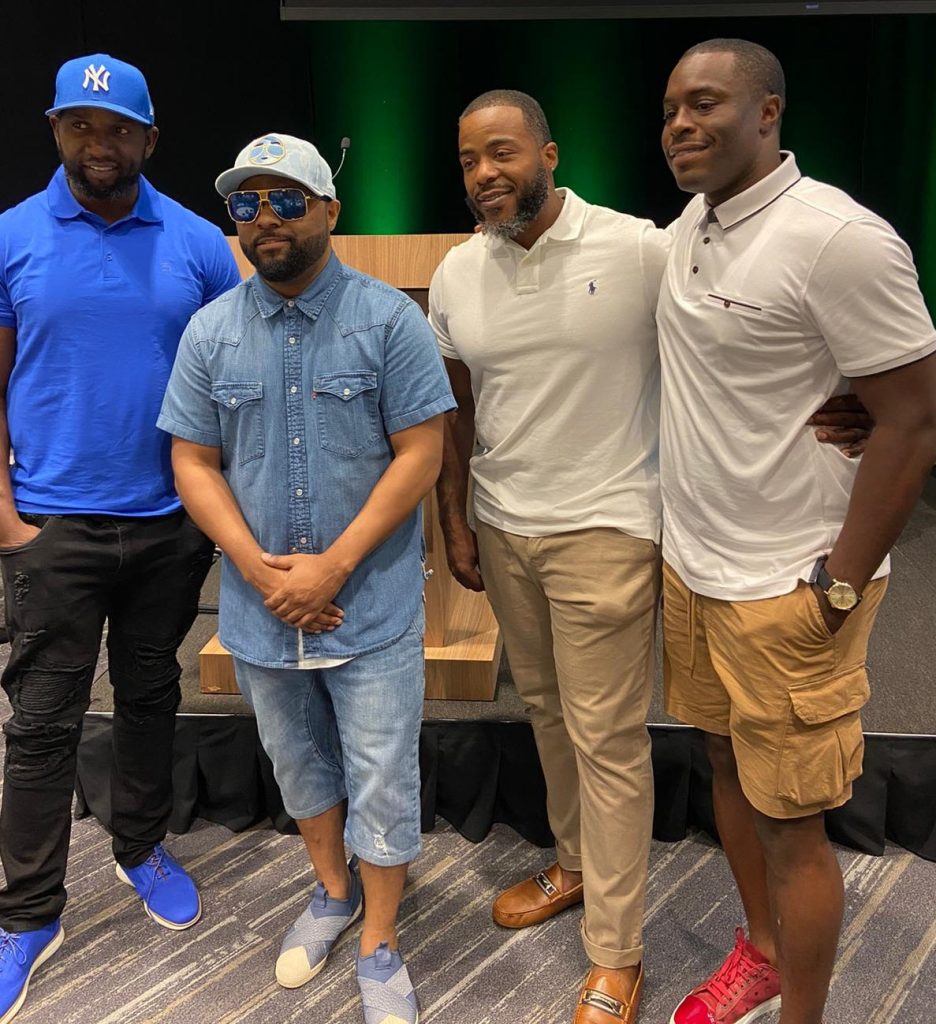
If you look at Musiq’s current digital footprint, you see an artist who is highly active in the “Knowledge Economy.” He frequently participates in interviews, podcasts, and masterclasses where he breaks down the science of singing and the history of soul music. He has positioned himself as an elder statesman of the genre. This “Authority Positioning” is a key branding strategy that ensures he remains relevant as a consultant and influencer, even during the gaps between album releases.
Protecting the Legacy
Ultimately, what happened to Musiq Soulchild is that he grew up—and he allowed his brand to grow up with him. He navigated the treacherous waters of the “sophomore slump,” the “mid-career crisis,” and the “digital disruption” that claimed the careers of many of his peers. By staying true to the fundamental promise of his brand—soulful, relatable, and high-quality music—he has ensured that the name Musiq Soulchild remains a gold standard in R&B.
The evolution of Musiq Soulchild teaches us that a brand is not a static thing; it is a living entity that requires pruning, experimentation, and, occasionally, a return to its roots. Whether he is performing on a global stage, collaborating with the hottest producers in the game, or mentoring the next generation of vocalists, Musiq Soulchild remains a powerful example of how to manage a personal brand with dignity, intelligence, and an unwavering commitment to the “hustle.”
aViewFromTheCave is a participant in the Amazon Services LLC Associates Program, an affiliate advertising program designed to provide a means for sites to earn advertising fees by advertising and linking to Amazon.com. Amazon, the Amazon logo, AmazonSupply, and the AmazonSupply logo are trademarks of Amazon.com, Inc. or its affiliates. As an Amazon Associate we earn affiliate commissions from qualifying purchases.