
The mobile application landscape is a notoriously dynamic and competitive arena. Countless apps launch with ambitious promises, aiming to capture user attention and market share. Yet, many fade into obscurity, their initial buzz replaced by silence. The musi app, a service that once garnered significant attention for its unique approach to music streaming, is a prime example of this phenomenon. Its journey from promising newcomer to a seemingly vanished entity raises questions for users, developers, and observers of the app ecosystem. Understanding “what happened to the musi app” requires a deep dive into its operational model, the challenges it faced, and the broader technological and market forces that shaped its trajectory.
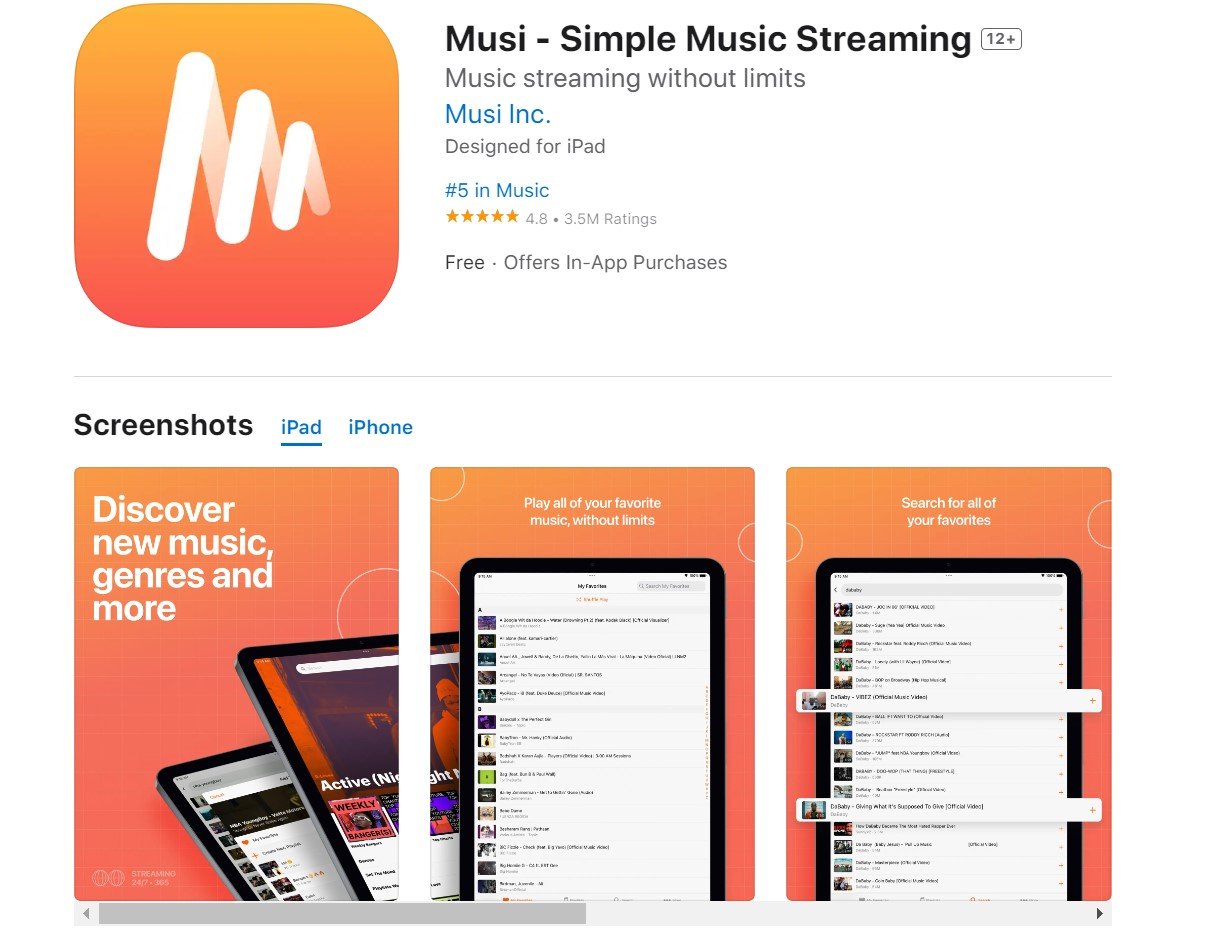
The Rise of musi: A Unique Proposition in Music Streaming
Musi, at its core, offered a distinct alternative to the established giants of the music streaming world. It didn’t rely on licensing deals with major record labels in the traditional sense. Instead, its model revolved around aggregating music from various online sources, including YouTube. This approach allowed musi to offer a vast library of songs, often including content that might not have been readily available on platforms like Spotify or Apple Music, all without requiring users to pay a subscription fee. This was a powerful draw, positioning musi as a democratized gateway to a boundless musical universe.
User-Centric Appeal and Accessibility
The primary appeal of musi lay in its user-centric design and the promise of unfettered access. In an era where subscription fatigue was becoming a growing concern for many consumers, musi presented a compelling free alternative. Users could create playlists, discover new artists, and listen to their favorite tracks without the financial barrier of monthly fees. This accessibility was a significant differentiator, attracting a broad audience, particularly younger demographics and those looking for cost-effective entertainment solutions. The interface was often lauded for its simplicity and intuitive navigation, making it easy for users to find and organize their music.
The YouTube Integration: A Double-Edged Sword
The integration with YouTube was arguably musi’s most significant feature and, ultimately, a critical point of contention. By leveraging YouTube’s extensive music catalog, musi could provide an unparalleled breadth of content. This included official music videos, live performances, remixes, and even obscure tracks that might be difficult to locate elsewhere. For users, this meant a virtually limitless music library at their fingertips. However, this reliance on an external platform with its own terms of service and content policies inherently carried risks. The legality and sustainability of this model were always going to be under scrutiny, a fact that would eventually come to define musi’s fate.
Navigating the Legal and Technical Minefield
The business model that made musi so attractive also exposed it to significant legal and technical challenges. Operating in a gray area of copyright and content usage is a precarious position for any digital service, and musi was no exception. The platform’s ability to function depended heavily on the continued accessibility of YouTube’s content and the legal interpretation of how that content was being repurposed and streamed.
Copyright Concerns and the DMCA
The music industry, particularly major record labels and rights holders, is notoriously protective of its intellectual property. While musi’s use of YouTube content might have been framed as a search engine or aggregator, the act of streaming copyrighted music without direct licensing agreements raised red flags. The Digital Millennium Copyright Act (DMCA) in the United States, and similar legislation in other regions, provides legal frameworks for copyright protection. Services that facilitate the unauthorized distribution or streaming of copyrighted material are subject to takedown notices and legal action. It’s highly probable that musi faced numerous such challenges, which would have necessitated constant adaptation and, at times, removal of certain content to comply with legal demands. The sheer volume of copyrighted material being accessed and re-streamed made it a perpetual target for copyright holders seeking to protect their revenue streams.
Platform Dependency and API Changes

Beyond direct legal challenges, musi’s reliance on YouTube created a significant point of vulnerability. YouTube, as a platform, has its own evolving terms of service, API policies, and content moderation practices. Any changes made by YouTube, whether intentional or unintentional, could disrupt musi’s ability to access and stream content. For instance, YouTube could implement stricter API restrictions, alter how video data is accessed, or even change its content availability policies. These changes, even if not directly aimed at services like musi, could effectively break the app’s functionality, requiring constant updates and engineering efforts to maintain parity. This dependency meant musi was always at the mercy of YouTube’s strategic decisions, which could shift without prior notice.
The Unseen Challenges: Monetization and Sustainability
Beyond the external pressures of copyright and platform dependency, musi faced internal battles for long-term viability. The challenge of monetizing a service that offered so much for free is a complex one, and it’s likely that musi struggled to find a sustainable revenue stream that could support its operations and growth.
The “Free” Model Conundrum
While the “free” aspect was a massive draw for users, it presented a significant hurdle for the app’s creators. Traditional music streaming services generate revenue through subscriptions, advertising, or a combination of both. For a service built on aggregating content from another platform like YouTube, the advertising model becomes complicated. If musi were to display its own ads, it would be competing directly with YouTube’s ad revenue for the same content. Furthermore, the bandwidth and server costs associated with streaming music to a large user base are substantial. Without a robust revenue model, covering these operational expenses would be a constant struggle. It’s plausible that musi experimented with various monetization strategies, such as in-app advertisements or partnerships, but these may not have been sufficient to offset the costs and legal complexities involved.
Competition and User Retention
The music streaming market is fiercely competitive, dominated by well-established players with deep pockets and vast marketing budgets. While musi offered a unique proposition, it had to contend with the brand recognition and vast feature sets of services like Spotify, Apple Music, and Amazon Music. These platforms continuously invest in exclusive content, advanced features, and seamless user experiences. For musi, competing for user attention and retention would have been a significant challenge. Even if users appreciated musi’s free access, the allure of premium features, curated playlists, and exclusive podcasts offered by competitors could lead to user churn. Maintaining user engagement and loyalty in such a saturated market requires continuous innovation and a compelling value proposition that goes beyond just free access.
The Demise and Legacy of musi
The exact timeline and reasons for musi’s eventual disappearance from app stores and online presence are not always clearly documented, which is common for apps that quietly cease operations. However, based on the prevailing challenges faced by similar services, a combination of the aforementioned factors likely contributed to its downfall. Legal battles, insurmountable technical hurdles, and the sheer difficulty of monetizing a free service in a competitive landscape all point towards a difficult operational environment.
The Silence from Developers
When an app like musi fades away, the silence from its developers is often deafening. There isn’t always a grand announcement or a detailed post-mortem. Instead, app stores remove the application, websites go offline, and support channels dry up. This lack of explicit communication can leave users confused and wondering about the fate of their favorite application. For musi, this suggests that the challenges encountered were likely significant enough to warrant a complete cessation of operations rather than a pivot or a rebranding. The operational burden and the risks associated with its core model might have simply become too overwhelming.
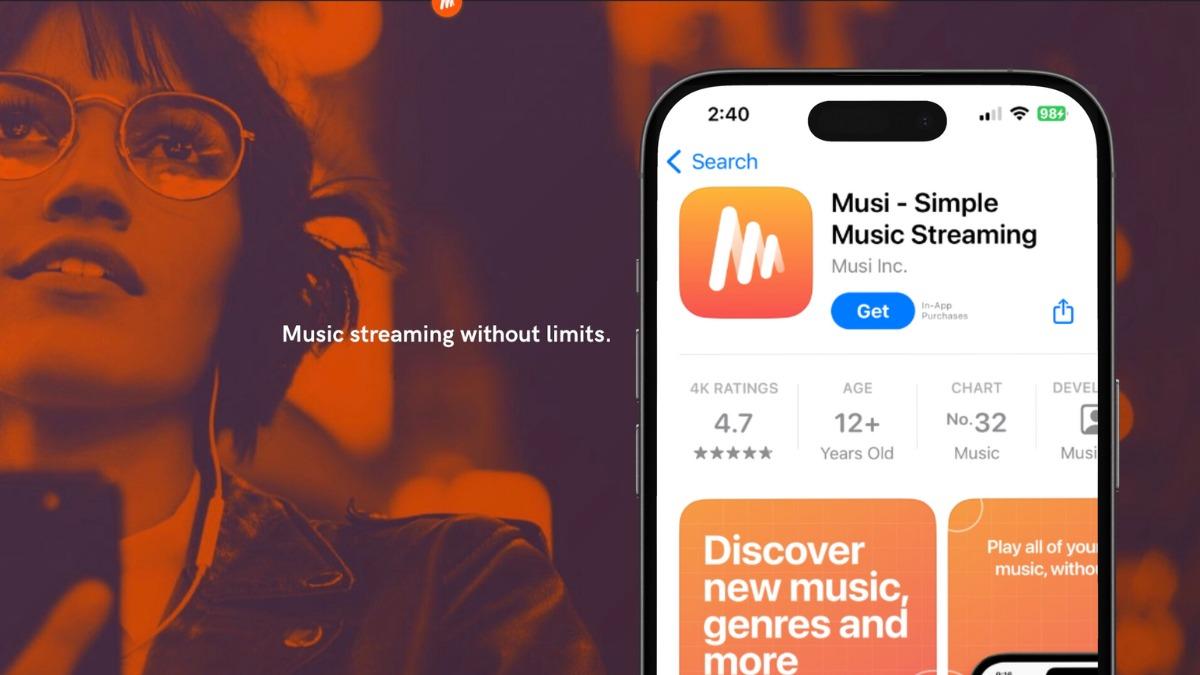
Lessons Learned for the App Ecosystem
The story of musi, while perhaps ending in obscurity, offers valuable lessons for the broader tech and app development community. It underscores the critical importance of a sustainable business model, particularly when operating in legally sensitive areas. It highlights the risks of relying heavily on third-party platforms and the need for robust legal counsel and proactive compliance strategies. Furthermore, it serves as a reminder that while innovative ideas can attract users, long-term success requires a solid foundation of revenue generation and the ability to navigate a constantly evolving technological and regulatory landscape. The memory of musi, for those who used it, might remain as a symbol of a bold, albeit perhaps unsustainable, attempt to redefine music access in the digital age. Its disappearance, like many before it, is a testament to the unforgiving nature of the app market and the intricate balance required for digital services to thrive.
aViewFromTheCave is a participant in the Amazon Services LLC Associates Program, an affiliate advertising program designed to provide a means for sites to earn advertising fees by advertising and linking to Amazon.com. Amazon, the Amazon logo, AmazonSupply, and the AmazonSupply logo are trademarks of Amazon.com, Inc. or its affiliates. As an Amazon Associate we earn affiliate commissions from qualifying purchases.