
In the rapidly evolving landscape of technology, acronyms are ubiquitous. From CPU and SSD to SaaS and AI, these terms form the shorthand of the digital age. However, few terms are as foundational to the hardware and software industries as “OEM.” Standing for Original Equipment Manufacturer, OEM is a term that describes a complex relationship between companies that design, produce, and sell the components that power our modern world.
Whether you are building a custom gaming PC, purchasing a new laptop, or managing an enterprise IT infrastructure, understanding what OEM means—and how it differs from retail—is essential. This guide explores the technical intricacies of the OEM model, its impact on software licensing, and its critical role in the global technology supply chain.
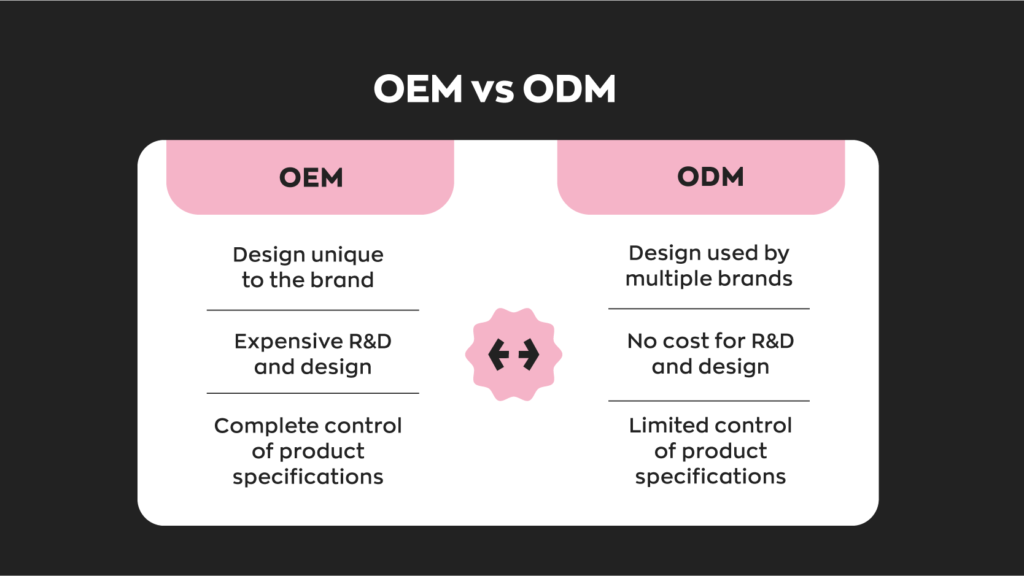
Defining OEM: The Backbone of the Global Tech Supply Chain
At its most basic level, an Original Equipment Manufacturer (OEM) is a company that produces hardware or software to be used in another company’s end product. Contrary to what the name might suggest, the “Original” manufacturer often isn’t the company whose logo appears on the final box. Instead, the OEM acts as a specialist provider of components that are integrated into a larger system.
The Fundamental Concept
In the technology sector, the OEM relationship is a symbiotic one. Consider a major laptop brand like Dell or HP. While these companies design the chassis and manage the brand ecosystem, they do not manufacture every individual component inside the machine. The processor might come from Intel (the OEM), the memory from Samsung (the OEM), and the operating system from Microsoft (the software OEM).
The OEM model allows for specialization. By outsourcing specific components to experts, the final “integrator” (the brand selling the finished product) can focus on design, marketing, and user experience, while the OEM focuses on the high-tech engineering required to produce specialized parts at scale.
OEM vs. Retail: Understanding the Technical Differences
For the average consumer, the term OEM most frequently appears when shopping for computer parts or software. There is often a significant price difference between an “OEM version” of a product and a “Retail version.”
- Packaging and Presentation: Retail products are designed for the shelf. They come in colorful boxes with manuals, stickers, and decorative cooling fans. OEM products, often referred to as “tray” or “white box” versions, are stripped down. They are usually shipped in plain cardboard or anti-static bags with no consumer-facing extras.
- The Target Audience: Retail versions are meant for individual consumers who need a plug-and-play experience. OEM versions are technically intended for “System Builders”—companies or professionals who assemble computers to sell to others.
- Cost Efficiency: Because OEM parts lack the marketing overhead and retail packaging, they are almost always cheaper. For a tech enthusiast building their own rig, choosing an OEM power supply or drive can save significant capital without sacrificing the technical performance of the internal hardware.
Hardware OEMs: From PC Building to Mobile Ecosystems
The hardware sector is where the OEM model is most visible. It defines how gadgets are assembled and how the global economy distributes specialized technology.
The Role of Components (GPUs, CPUs, and RAM)
If you look at the market for graphics cards, you will see brands like ASUS, MSI, and Gigabyte. However, the core technology—the Graphics Processing Unit (GPU)—is manufactured by NVIDIA or AMD. In this scenario, NVIDIA is the OEM providing the silicon, while the secondary brands act as partners who add cooling systems, power delivery, and aesthetic flourishes.
This hierarchy ensures that high-end technology remains accessible. A specialized OEM can focus entirely on the R&D of 5-nanometer chip architecture, while their partners focus on various consumer niches, such as liquid-cooled cards for overclockers or compact cards for small-form-factor builds. Without the OEM framework, every tech company would need to own their own silicon foundries—a multi-billion dollar barrier to entry that would stifle innovation.
Mobile Devices and the White-Label Model
The mobile phone industry utilizes a variation of the OEM model known as “White-Labeling.” Many budget and mid-range smartphones are designed and manufactured by a single OEM and then sold to different brands globally. These brands then apply their own software skin (UI) and logo to the exterior.
This is why you may notice two different phone brands from different countries sharing identical hardware specifications and chassis designs. By utilizing an OEM’s existing hardware template, smaller tech brands can enter the market rapidly without the astronomical costs associated with ground-up hardware engineering.
OEM Software: Licensing, Bloatware, and System Integration

Software OEMs operate under a different set of rules than hardware OEMs. In this context, the term usually refers to how an operating system or application is licensed and bundled with hardware.
The Economics of Pre-installed Software
When you buy a smartphone or a laptop, it comes pre-loaded with an operating system and several utility apps. These are OEM versions of the software. The hardware manufacturer pays a discounted bulk rate to the software developer (like Microsoft or Adobe) to include the software on every device they sell.
This creates a revenue stream for software companies while ensuring the hardware is functional the moment the user turns it on. However, this model is also the source of “bloatware.” To further subsidize the cost of the hardware, OEMs often include trial versions of antivirus software or third-party tools. While often annoying to tech-savvy users, these OEM partnerships are a primary reason why consumer electronics have remained relatively affordable despite increasing complexity.
OS Licensing: Understanding Windows OEM vs. Retail
For PC users, the distinction between a Windows OEM license and a Retail license is a critical technical detail.
- Retail License: This is linked to the user. You can uninstall it from one computer and move it to another. It includes full support from Microsoft.
- OEM License: This is “tethered” to the hardware—specifically the motherboard. Once an OEM Windows key is activated on a machine, it is legally and technically married to that hardware. If you upgrade your motherboard, the license is invalidated.
From a technical support perspective, if you have an OEM license, Microsoft is not responsible for your tech support; the manufacturer of your PC (the System Builder) is. This is the trade-off for the lower price point of OEM software.
Why OEM Matters for Modern Tech Consumers and Professionals
Navigating the world of OEM requires an understanding of the trade-offs involved in performance, support, and longevity.
Performance and Compatibility Considerations
Technically, an OEM hardware component (like an SSD or a CPU) performs identically to its retail counterpart. An Intel i7-13700K OEM chip has the same clock speeds and cache as the retail version. However, compatibility can sometimes be an issue with OEM parts pulled from “pre-built” machines.
Large-scale OEMs like Dell or Lenovo often commission “proprietary” OEM parts. These might have non-standard connectors or custom firmware that prevents them from working in a standard off-the-shelf motherboard. For tech professionals, distinguishing between “Standard OEM” and “Proprietary OEM” is vital for repairability and system upgrades.
The Impact on Technical Support and Warranties
The biggest hurdle with OEM products is the warranty structure. Retail products usually come with a manufacturer’s warranty that lasts 3 to 10 years. OEM products, because they are sold under the assumption that a professional system builder will be responsible for them, often carry much shorter warranties—sometimes as little as 90 days.
Furthermore, if a component fails, the OEM (the original maker) will often direct you to the company that sold you the final product. If you bought an OEM hard drive separately and it fails, you may find yourself in a “support vacuum” where the manufacturer refuses to help because the serial number is flagged as an OEM unit intended for bulk distribution.
The Future of OEM in the Age of AI and Custom Silicon
The traditional OEM model is currently facing a massive shift as the tech industry moves toward “vertical integration” and AI-driven hardware.
Shift Towards In-House Development
For decades, the OEM model was the gold standard. However, giants like Apple have shifted away from it. By replacing Intel (their long-time CPU OEM) with their own “Apple Silicon” (M1, M2, M3 chips), Apple has taken the OEM role in-house. This allows for tighter integration between hardware and software, leading to the extreme efficiency seen in modern MacBooks.
As AI becomes the focal point of technology, we are seeing more companies follow this path. Google is designing its own Tensor chips for Pixel phones, reducing its reliance on traditional OEMs like Qualcomm. This represents a “de-OEMing” of the high-end tech market, where the most successful companies are those that control every layer of the stack.

Sustainable Manufacturing and the Circular Economy
Finally, the OEM sector is being forced to reckon with electronic waste. As the primary producers of the world’s components, OEMs are now being pressured to design for “circularity.” This means creating OEM parts that are easier to recycle or refurbish. The future of OEM is not just about producing parts for new machines, but about creating a standardized ecosystem where components can be recovered from old devices and fed back into the manufacturing loop, reducing the tech industry’s massive carbon footprint.
By understanding the “What, Why, and How” of OEM, consumers and tech professionals can make more informed decisions. Whether it’s choosing the right software license or understanding why a component lacks a fancy box, the OEM model remains the invisible engine that drives the global digital economy.
aViewFromTheCave is a participant in the Amazon Services LLC Associates Program, an affiliate advertising program designed to provide a means for sites to earn advertising fees by advertising and linking to Amazon.com. Amazon, the Amazon logo, AmazonSupply, and the AmazonSupply logo are trademarks of Amazon.com, Inc. or its affiliates. As an Amazon Associate we earn affiliate commissions from qualifying purchases.