
The trajectory of MultiVersus, the crossover platform fighter developed by Player First Games and published by Warner Bros. Games, serves as one of the most fascinating case studies in modern brand management. At its launch, the game was a cultural phenomenon, leveraging an unprecedented stable of intellectual property (IP) to capture the attention of millions. Yet, its journey from a record-breaking Open Beta to a total service shutdown, and finally to a polarizing 2024 relaunch, reveals the complexities of maintaining brand equity in the volatile “Live Service” era. To understand what happened to MultiVersus, we must look beyond the code and examine the strategic decisions that shaped its public identity.
The Meteoric Rise: Leveraging the Power of the Warner Bros. IP Portfolio
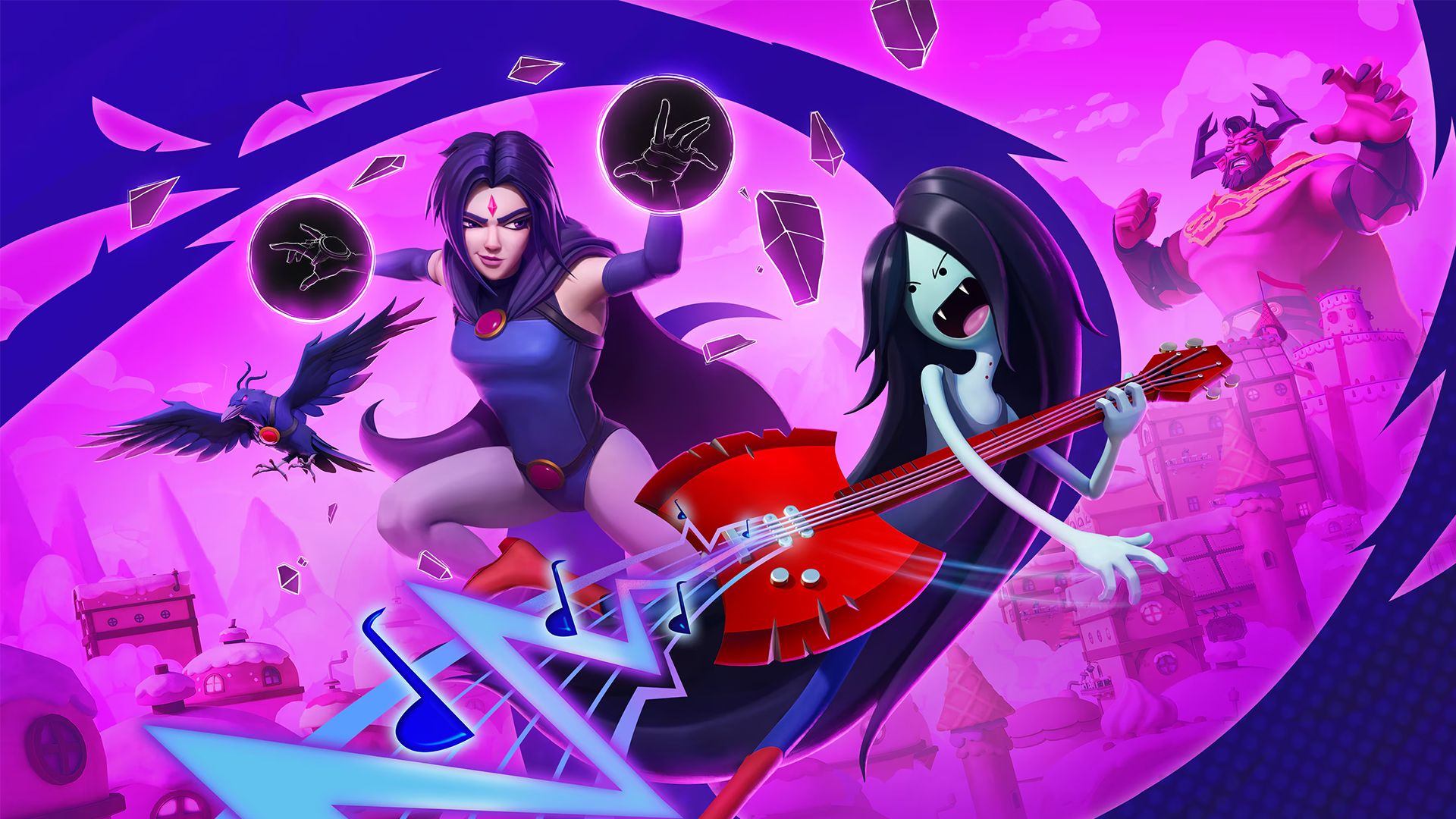
When MultiVersus first entered the scene, its brand proposition was its greatest strength. In a market dominated by Nintendo’s Super Smash Bros., MultiVersus offered something no other competitor could: a “digital toy box” containing the most iconic characters in Western media.
The Allure of the Crossover Brand
The primary driver of the game’s initial success was the sheer strength of the Warner Bros. Discovery brand. The ability to pit Arya Stark from Game of Thrones against Shaggy from Scooby-Doo, or Batman against LeBron James, created an immediate viral marketing loop. This wasn’t just a video game; it was a brand synergy event. The marketing strategy focused heavily on the “infinite possibilities” of the roster, tapping into the nostalgia of older players and the current interests of younger demographics. By positioning itself as the “Smash Bros. for everyone,” MultiVersus secured over 20 million players within its first few months, a feat rarely seen in the fighting game genre.
Initial Community Engagement and Hype
The brand was built on a foundation of “Player First” values—a name literally reflected in the developer’s title. During the early Open Beta phases, the communication was transparent, the social media presence was witty, and the community felt heard. This phase of the brand lifecycle was characterized by high engagement and positive sentiment. The game was viewed as a “disruptor” in the fighting game space, offering a free-to-play model that felt generous compared to its peers. However, this high-water mark set an unsustainable expectation for content delivery that would eventually test the brand’s resilience.
The Open Beta Crisis: Brand Dilution and the Communication Gap
The decline of MultiVersus began not with a single failure, but with a slow erosion of brand trust during its extended Open Beta period. In the world of modern gaming, the label “Beta” is often used as a shield against criticism, but for MultiVersus, it became a brand liability.
When “Beta” Becomes a Permanent Label
As the months progressed throughout late 2022 and early 2023, the “Open Beta” status started to confuse the consumer base. Players were spending significant amounts of money on “Founder’s Packs” and in-game cosmetics, yet the game lacked the polish and feature set of a full release. From a brand strategy perspective, the product was caught in a “no-man’s-land”: it was monetized like a finished product but excused its flaws as an unfinished experiment. This led to a perception of brand inconsistency. When updates slowed down, the community began to question whether the brand was being abandoned by its corporate parent.
The Content Drought and Player Sentiment
In the live service model, a brand’s health is measured by its “cadence.” MultiVersus suffered a catastrophic drop in player retention when the delivery of new characters and maps stalled. A brand built on the promise of “who’s next?” cannot survive when the answer is “no one for three months.” As the player count on platforms like Steam plummeted from peaks of 150,000 to lows of under 1,000, the narrative around the brand shifted from “the Smash-killer” to “the ghost town.” This negative sentiment became a self-fulfilling prophecy, as potential new players were deterred by the public perception of a dying game.
The Controversial Shutdown: A High-Stakes Strategy for Corporate Identity

In March 2023, Warner Bros. Games made a move that was virtually unprecedented in the industry: they announced that MultiVersus would be taken entirely offline for nearly a year to prepare for a “full launch.” This decision was a massive gamble for the brand’s integrity.
Taking the Brand Offline: Risks and Rewards
The decision to pull the plug on a game that had already accepted millions of dollars in microtransactions was a PR nightmare. From a brand management standpoint, this was a “hard reset.” The goal was to protect the long-term value of the IP by ensuring that the “1.0” version of the game was high quality. However, the short-term cost was a total loss of consumer trust. The brand was no longer seen as “Player First,” but rather as a corporate entity that could revoke access to purchased content at any moment. This period of silence—lasting from June 2023 to early 2024—left a vacuum that was filled with skepticism and frustration.
Managing the Backlash of Refund Policy
A significant brand crisis emerged when it was revealed that no refunds would be offered for the digital items players could no longer use during the downtime. This choice prioritized the company’s immediate financial balance sheet over its long-term brand equity. For many loyalists, this was the breaking point. The brand identity of MultiVersus became synonymous with the “volatile nature of digital ownership,” a label that any entertainment brand strives to avoid.
The Relaunch: Rebuilding Trust in a Saturated Market
In May 2024, MultiVersus returned. The relaunch was not just a technical update; it was a comprehensive rebranding effort designed to reclaim its position in the competitive landscape.
Technical Overhauls and Brand Perception
To signal a “New Era,” the game was moved to Unreal Engine 5, and the gameplay mechanics were slowed down to emphasize strategic depth. From a marketing perspective, the brand shifted its focus from “chaotic fun” to “polished competitive play.” The relaunch included high-profile additions like the Joker (voiced by Mark Hamill), signaling that Warner Bros. was still willing to invest its “A-list” assets into the project. This was a crucial move to restore the brand’s perceived value—reminding players that this was still the only place where these legendary characters could interact.
Monetization Friction and the Modern Live Service Reality
Despite the technical improvements, the relaunch faced immediate criticism regarding its economy. The brand struggled to find the balance between being a profitable business and a player-friendly experience. Issues with “grindiness” and the complexity of in-game currencies became the new focal point of player frustration. In the current market, a brand’s “vibe” is often dictated by its monetization strategy. If a game feels like a “chore” or a “cash grab,” the brand’s emotional connection with the player is severed. MultiVersus continues to navigate this tension, attempting to iterate on its systems to prove that it values the player’s time as much as their wallet.
Lessons for Modern Brand Management in Gaming
The story of MultiVersus is far from over, but its journey thus far offers vital lessons for any brand operating in the digital and interactive space. It highlights the fragility of hype and the necessity of structural integrity.
Consistency Over Novelty
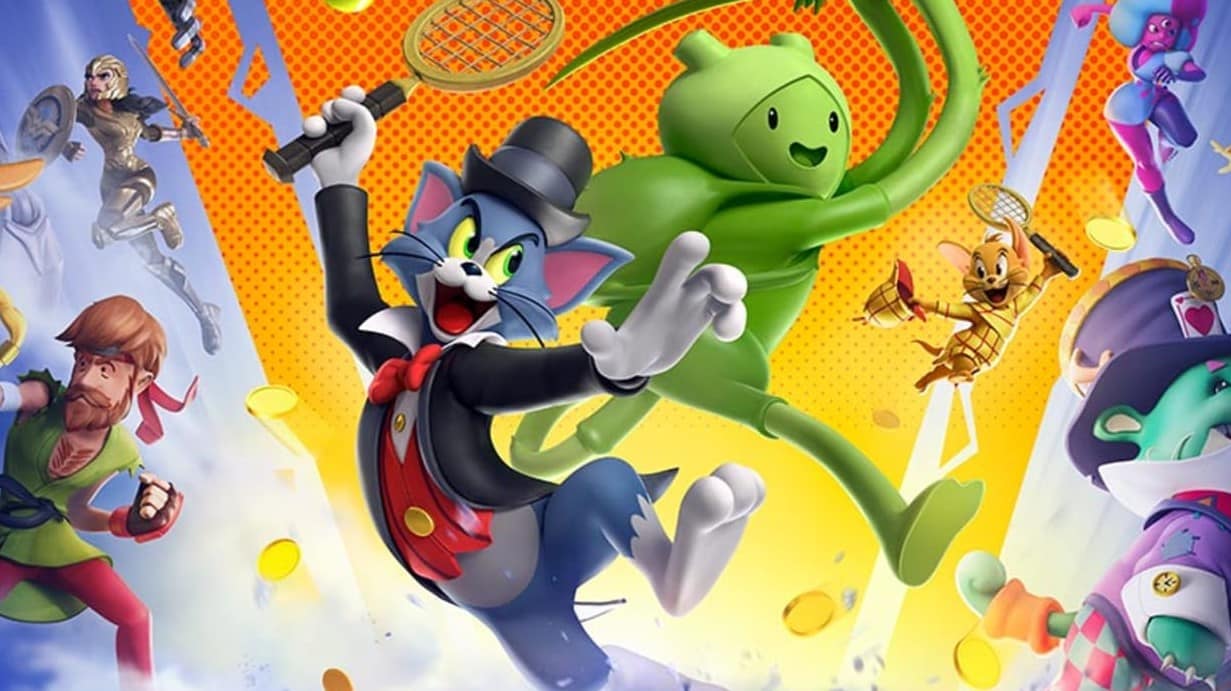
While the “crossover” novelty provided a massive initial boost, it wasn’t enough to sustain the brand. A brand must be defined by its core experience, not just its external trappings. MultiVersus learned the hard way that Batman and Superman can get people through the door, but the brand’s reliability—its update schedule, its server stability, and its fair treatment of customers—is what keeps them inside.
The Vitality of Transparent Communication
The most significant damage to the MultiVersus brand occurred during periods of silence. In the modern age, a brand is a conversation. When Player First Games and Warner Bros. stopped talking, the community felt abandoned. The successful brands of the future are those that maintain a transparent, two-way dialogue with their audience, especially during periods of transition or failure.
In conclusion, what happened to MultiVersus was a collision between ambitious brand scaling and the harsh realities of live-service maintenance. The brand proved that while IP is a powerful tool for customer acquisition, brand loyalty must be earned through consistency, transparency, and a genuine respect for the consumer’s investment. As MultiVersus continues to evolve, it stands as a reminder that in the world of entertainment, your brand is only as strong as your last update.
aViewFromTheCave is a participant in the Amazon Services LLC Associates Program, an affiliate advertising program designed to provide a means for sites to earn advertising fees by advertising and linking to Amazon.com. Amazon, the Amazon logo, AmazonSupply, and the AmazonSupply logo are trademarks of Amazon.com, Inc. or its affiliates. As an Amazon Associate we earn affiliate commissions from qualifying purchases.