
The premise of “What Happened to Monday,” a 2017 science fiction film, presents a chillingly plausible scenario driven by technological advancements and their unintended consequences. Set in a near-future grappling with severe overpopulation, the film introduces a draconian one-child policy enforced by the Child Allocation Resource Executive (C.A.R.E.) agency. To survive, seven identical septuplets, born to a single mother who died during childbirth, are forced to live in hiding, each adopting the identity of the deceased “Monday.” This compelling narrative, while fictional, serves as a powerful springboard for exploring the critical intersection of technology, societal control, and the future of humanity. The film’s title itself, “What Happened to Monday,” is a poignant metaphor for the suppression of individuality and the systematic erasure of identity in a world overwhelmed by its own success.
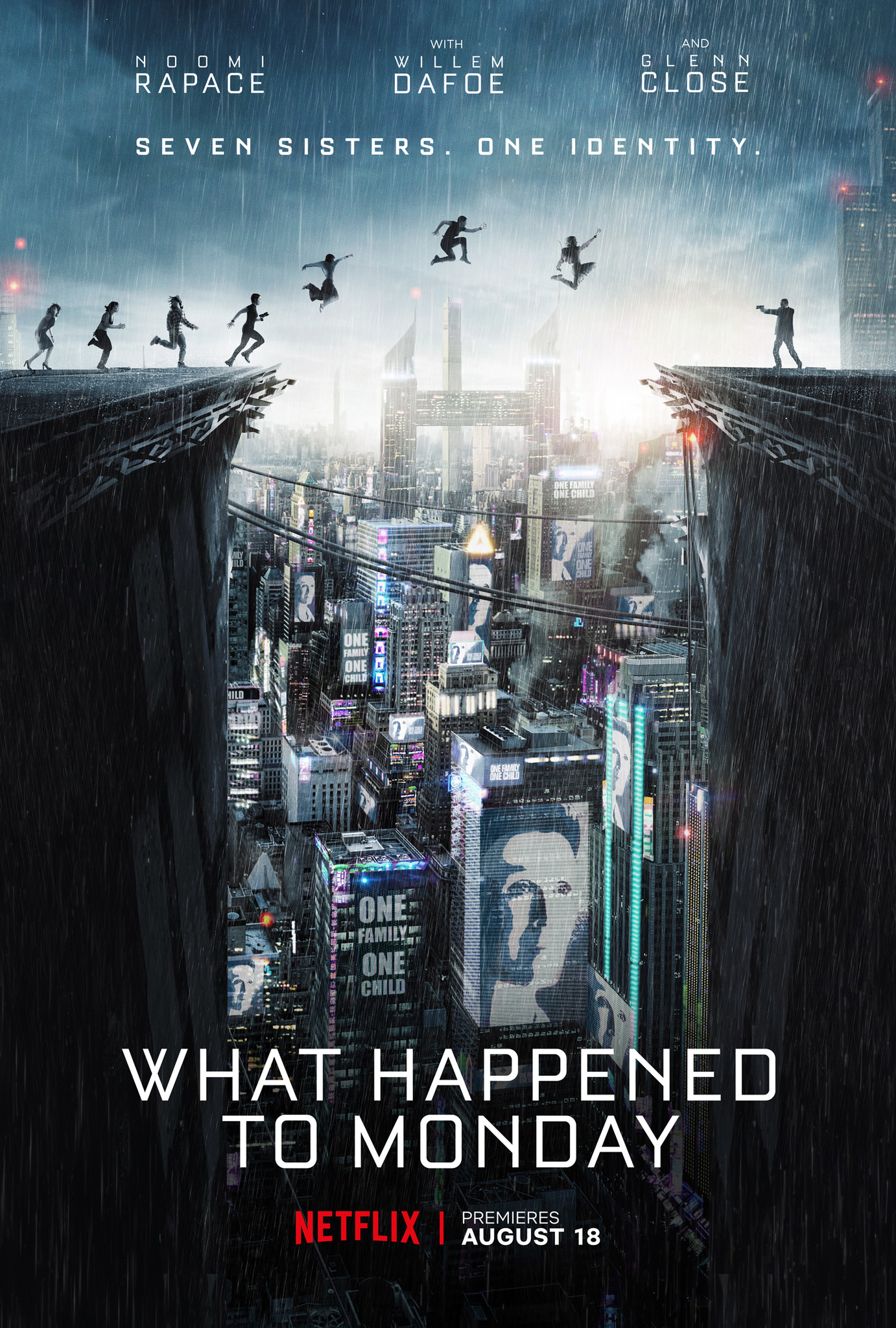
The technological backbone of this dystopian society is multifaceted, ranging from sophisticated surveillance systems to advanced genetic manipulation. The film doesn’t just offer a speculative glimpse into a bleak future; it forces us to confront the ethical quandaries and societal shifts that could arise from the unchecked pursuit of technological solutions to seemingly insurmountable problems. This article will delve into the technological underpinnings of “What Happened to Monday,” examining how advancements in surveillance, bioengineering, and resource management, while potentially beneficial, can be weaponized to create oppressive regimes.
The Technocratic Grip: Surveillance and Control in a Post-Malthusian World
The overarching theme of technological control is central to the film’s narrative. In a world struggling with resource scarcity due to overpopulation, technology is not just an enabler of convenience; it becomes the primary tool for authoritarian governance. C.A.R.E. represents the ultimate technocratic institution, wielding advanced systems to monitor and enforce the one-child policy with ruthless efficiency.
The Panopticon Effect: Ubiquitous Surveillance and the Erosion of Privacy
The film depicts a society where privacy is virtually non-existent. Advanced facial recognition, omnipresent CCTV cameras, and potentially even embedded biometric trackers ensure that every citizen is under constant scrutiny. This level of surveillance goes beyond simple crime prevention; it’s about preemptive population control. The concept of the “panopticon,” a prison design where inmates can be observed at all times, is realized on a societal scale. The fear of detection, of being identified as an unregistered child, forces the sisters to live in constant anxiety, meticulously maintaining their shared persona.
The technology enabling this level of surveillance is extrapolated from current trends. We already see the proliferation of smart devices, smart cities, and sophisticated data analytics capable of tracking our movements, online activities, and even our physiological responses. In the world of “What Happened to Monday,” these technologies are weaponized. Imagine a future where AI algorithms analyze vast datasets to identify anomalies, such as unexpected pregnancies or unregistered individuals, triggering immediate intervention by enforcement agencies. The film suggests that the drive for order and resource preservation can lead to a chilling trade-off: sacrificing fundamental human rights for perceived societal stability.
Digital Identity and the Risk of Erasure
In this world, a digital identity is inextricably linked to one’s existence. C.A.R.E. maintains a comprehensive database of every registered individual. This digital footprint is crucial for survival. For the septuplets, their existence is a constant struggle against this digital record. Their meticulously crafted shared identity, “Karen Settman,” is a digital ghost, a carefully curated persona to circumvent the system.
The film highlights the vulnerability of digital identities. A single error, a slip-up in their carefully maintained routine, could lead to instant exposure and the tragic consequence of “recalibration” – a euphemism for termination. This raises critical questions about our own reliance on digital identities and the potential for such systems to be exploited for control. What happens when our access to essential services, our very right to exist, is tied to a digital ledger that can be manipulated or used against us? The film’s narrative serves as a cautionary tale about the dangers of centralizing and securitizing personal data to such an extreme degree.
Bioengineering and the Illusion of Control: The Ethics of Genetic Purity
Beyond surveillance, “What Happened to Monday” also explores the role of bioengineering in shaping this dystopian society, particularly in its efforts to control reproduction and manage resources.
The Rise of Reproductive Technologies and Their Darker Applications
The film implies that advanced reproductive technologies might have played a role in the initial crisis of overpopulation, perhaps through the widespread adoption of fertility treatments or even engineered solutions to boost birth rates in previous eras. However, in the face of overwhelming numbers, these technologies are then used to enforce the one-child policy. While the specifics are not detailed, it’s plausible that advanced genetic screening and even forced sterilization are part of C.A.R.E.’s arsenal.

The ethical implications are profound. The film suggests a future where genetic manipulation is not just about preventing disease but about controlling the very essence of human reproduction for population management. This blurs the lines between therapeutic intervention and eugenics, raising serious questions about human autonomy and the right to procreate.
Resource Management Technologies: From Sustainability to Scarcity
The film’s premise is rooted in resource scarcity. While not explicitly detailed, it’s reasonable to assume that the society has invested heavily in technologies aimed at maximizing resource efficiency and sustainability. This could include advanced agricultural techniques, water purification systems, and energy generation innovations. However, in a world struggling with an exponentially growing population, these advancements may have simply delayed the inevitable crisis or become instruments of control.
For instance, access to food, water, and energy could be meticulously rationed and allocated by the state, with strict controls dictating who receives what and how much. This creates a system where basic necessities are contingent on adherence to state mandates. The septuplets’ struggle for survival is not just about avoiding detection; it’s also about securing the resources necessary to maintain their hidden existence, often through illicit means, further highlighting the tension between state control and individual survival.
The Social and Psychological Impact: Technology as an Instrument of Dehumanization
The technological systems in “What Happened to Monday” are not just abstract concepts; they have a profound and devastating impact on the human psyche and the fabric of society. The constant threat of discovery and the systematic dehumanization of individuals create an atmosphere of fear and mistrust.
The Psychological Toll of Constant Fear and Secrecy
Living a life of perpetual secrecy and under the shadow of imminent discovery takes an immense psychological toll. The septuplets are forced to suppress their individual personalities, their desires, and their very identities to survive. This constant performance of a singular identity can lead to profound psychological distress, alienation, and a fractured sense of self. Each sister, though physically identical, develops her own unique personality and aspirations, which are systematically stifled by the necessity of maintaining their shared facade.
The film illustrates how technology, when used for oppressive purposes, can strip individuals of their dignity and their right to self-expression. The fear of being “recalibrated” creates a society of compliance, where dissent is not tolerated and individuality is a dangerous liability. This resonates with real-world concerns about the impact of mass surveillance and social credit systems on individual freedoms and mental well-being.
The Erosion of Social Bonds and Trust
In such a tightly controlled society, genuine social connections become fraught with danger. Trust is a luxury that few can afford. The fear of betrayal, whether intentional or accidental, can fracture relationships. The septuplets, while bonded by their extraordinary circumstances, must also constantly guard against any potential slip-ups that could expose them.
The film suggests that a society under constant technological surveillance breeds paranoia and suspicion. When every interaction could be monitored and reported, the natural inclination towards community and empathy is suppressed. This leads to a fragmented and atomized society, where individuals are isolated and vulnerable to the dictates of the governing authorities. The technology that enables connectivity can, paradoxically, be used to enforce isolation and distrust.

Conclusion: Lessons from a Dystopian Tomorrow
“What Happened to Monday” serves as a potent cautionary tale, utilizing technological speculation to highlight the potential dangers of unchecked population growth, resource scarcity, and the weaponization of advanced technologies. The film doesn’t simply present a futuristic scenario; it poses critical questions about the direction of our current technological trajectory.
The intricate surveillance systems, the implications of advanced bioengineering, and the resultant psychological and societal impacts underscore the urgent need for ethical considerations in technological development. As we continue to push the boundaries of what technology can achieve, from AI and genetic editing to global data networks, we must remain vigilant about how these powerful tools can be used. The narrative of “What Happened to Monday” implores us to consider the societal implications, the potential for misuse, and the importance of safeguarding fundamental human rights in an increasingly technologically driven world. The question of “what happened to Monday” is, in essence, a question about what could happen to us if we fail to steer our technological advancements with wisdom, foresight, and a deep commitment to human dignity.
aViewFromTheCave is a participant in the Amazon Services LLC Associates Program, an affiliate advertising program designed to provide a means for sites to earn advertising fees by advertising and linking to Amazon.com. Amazon, the Amazon logo, AmazonSupply, and the AmazonSupply logo are trademarks of Amazon.com, Inc. or its affiliates. As an Amazon Associate we earn affiliate commissions from qualifying purchases.