
The trajectory of a media brand is rarely linear. In the landscape of the 2010s reality television, few franchises possessed the raw, unfiltered brand identity of VH1’s Mob Wives. What began as a voyeuristic look into the lives of women connected to the underworld of Staten Island evolved into a powerhouse of personal branding, lifestyle marketing, and, eventually, a viral aesthetic movement that transcends the original medium. To understand what happened to the Mob Wives brand, one must analyze the strategic shifts from televised content to digital-first identity and the enduring power of a high-contrast visual brand.
The Anatomy of a Niche Reality Brand
The success of Mob Wives was not accidental; it was a masterclass in niche brand positioning. While the Real Housewives franchise focused on aspirational wealth and polished luxury, the Mob Wives brand leaned into “grit-glamour.” This distinction allowed the show to carve out a unique market share within the crowded lifestyle-drama vertical.
Defining the Visual Identity and Tone
The brand was built on a foundation of fierce loyalty, bold fashion, and a “straight-talk” communication style. From a branding perspective, this created a high level of “brand recognition” through specific visual cues: leopard prints, heavy gold jewelry, bold red lips, and fur coats. This was not just a costume; it was a corporate identity for the cast. This visual vocabulary was so strong that it eventually became the blueprint for a global fashion trend a decade later.
The Cast as Brand Pillars
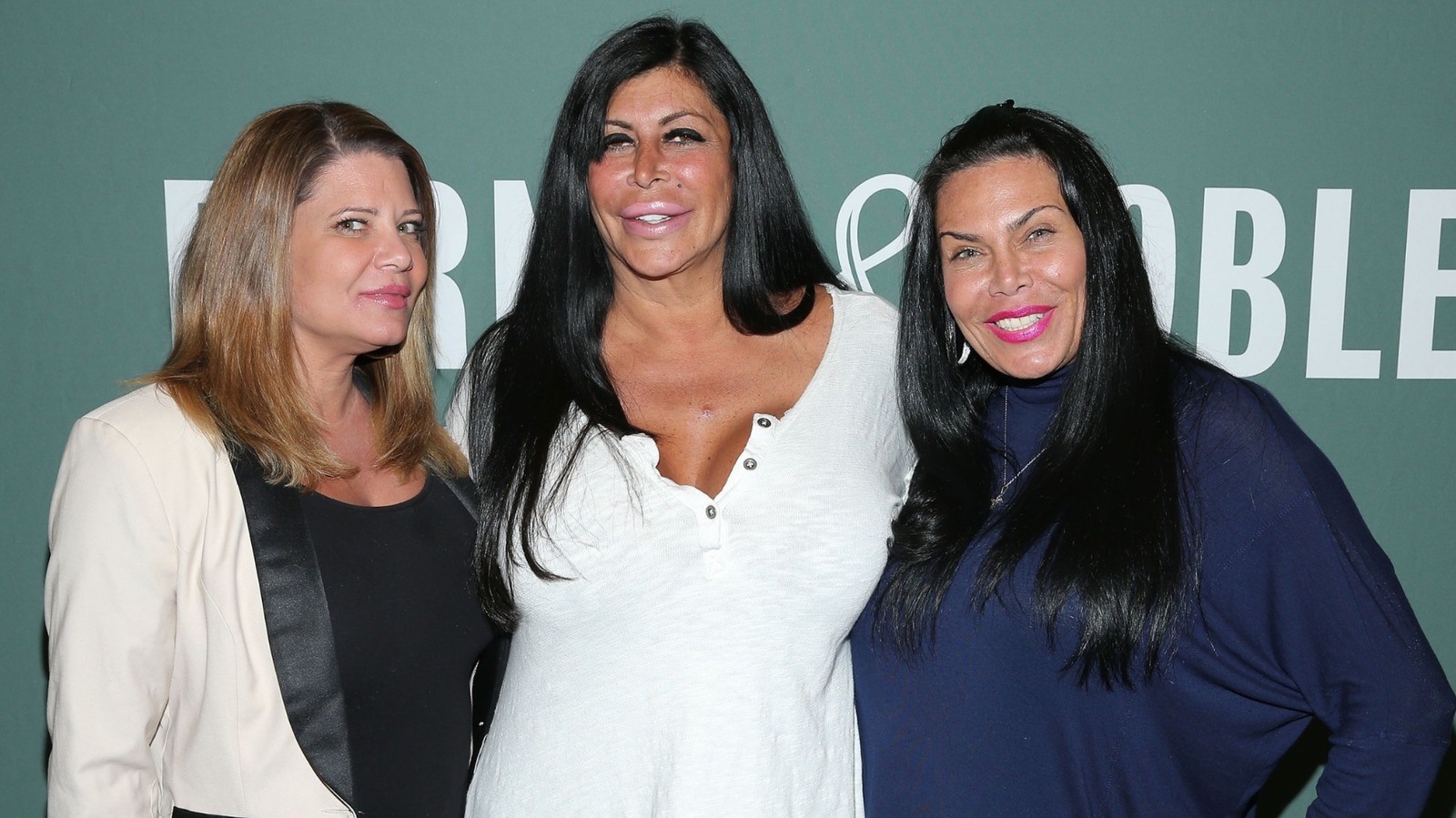
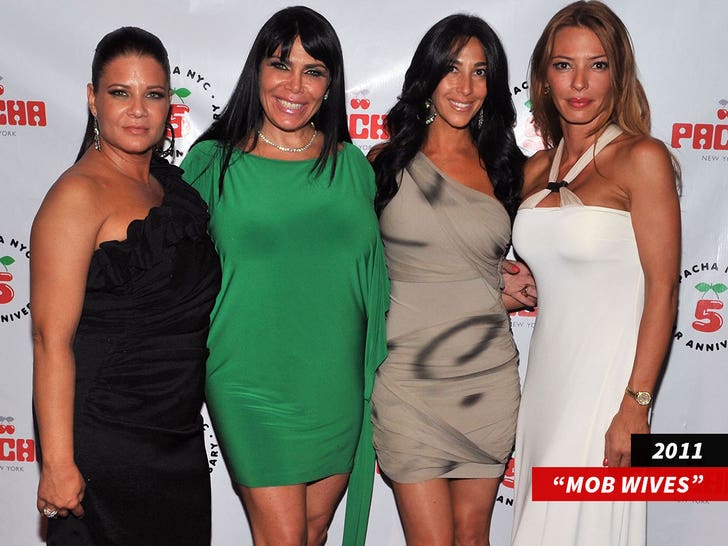
In any personality-driven brand, the individuals are the product. Figures like Drita D’Avanzo, Karen Gravano, and the late Angela “Big Ang” Raiola were more than just participants; they were brand pillars. Big Ang, in particular, became a “sub-brand” so successful that she garnered her own spin-offs. Her brand equity was built on a unique mixture of raspy-voiced toughness and motherly warmth—a juxtaposition that made her highly marketable and universally recognizable.
Why the Original Brand Faded: A Lifecycle Analysis
Every product has a lifecycle: Introduction, Growth, Maturity, and Decline. By 2016, the Mob Wives television brand reached its saturation point. Understanding the decline requires a look at both internal brand fatigue and external market shifts.
Market Saturation and Brand Fatigue
By its sixth season, the “drama-centric” reality model was facing stiff competition from digital creators and a shifting viewer preference toward “lifestyle-plus” content (shows that offered more than just conflict). The primary conflict of the brand—loyalty versus betrayal—began to feel repetitive to the audience. When a brand’s primary value proposition is shock value, it must continually escalate to maintain engagement, which eventually leads to burnout for both the “product” (the cast) and the consumer.
The Loss of a Core Brand Ambassador
The passing of Angela “Big Ang” Raiola in 2016 served as a tragic turning point for the franchise. In branding terms, Big Ang was the “soul” of the brand—the unifying element that softened the harder edges of the other cast members. Without her presence, the brand’s emotional resonance shifted significantly. VH1 made the strategic decision to conclude the series, realizing that the brand identity had been fundamentally altered.
The Resurgence: Branding the “Mob Wife Aesthetic” in the Digital Age
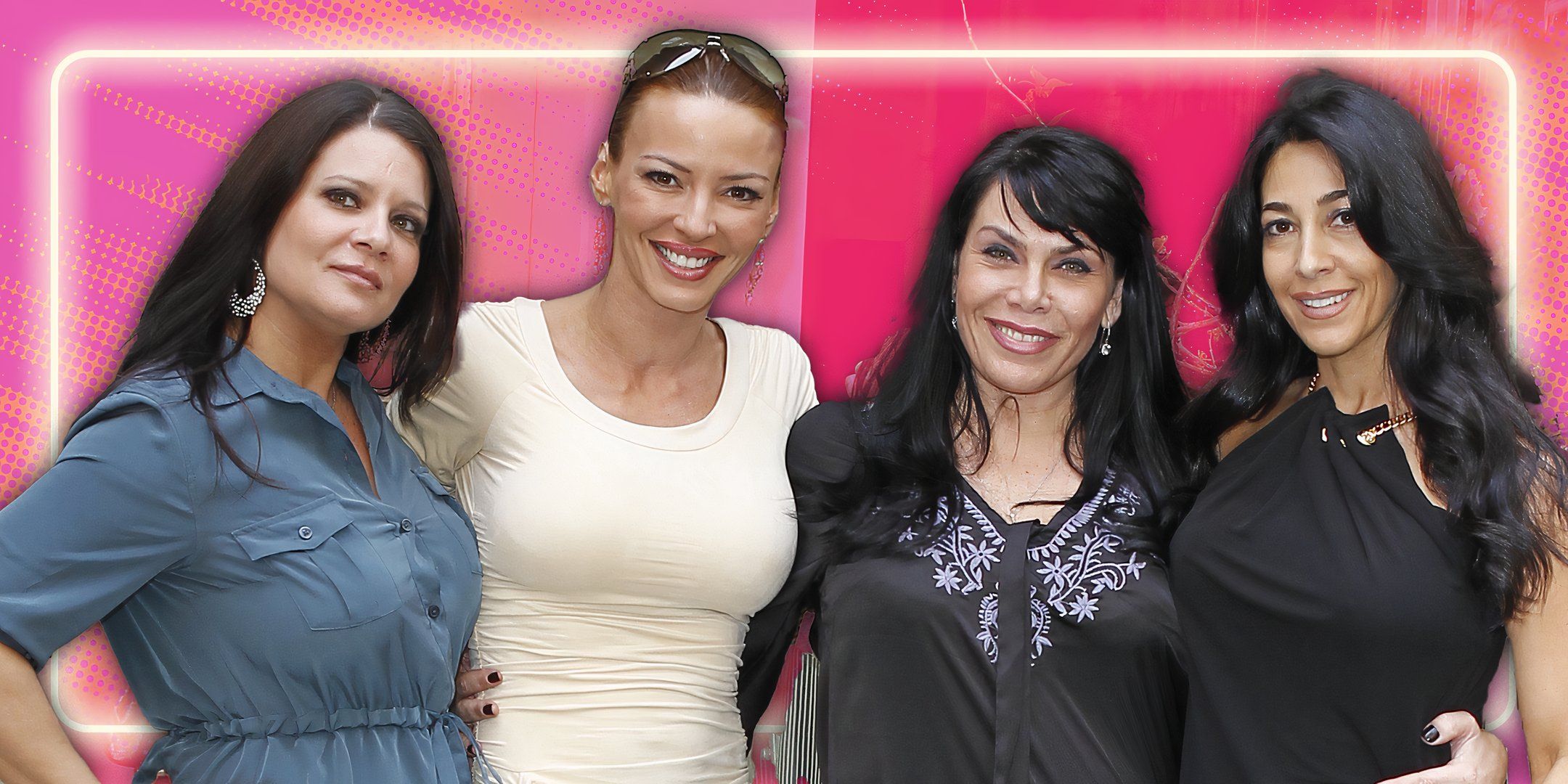
While the television show ended in 2016, the brand did not disappear. Instead, it underwent a fascinating digital transformation. In late 2023 and early 2024, the “Mob Wife Aesthetic” became a viral phenomenon on TikTok and Instagram, proving that the brand’s visual identity had more longevity than its narrative content.
TikTok as a Brand Catalyst
The resurgence of the Mob Wives brand identity is a perfect case study in “algorithmic branding.” Younger generations, many of whom never watched the original VH1 series, began adopting the “Mob Wife” persona as a counter-movement to the “Clean Girl” aesthetic (minimalism, neutrals, and understated luxury). This shift represents a brand pivot from narrative (the stories of the women) to aesthetic (the look and attitude).
The hashtag #MobWifeAesthetic garnered millions of views, demonstrating how a legacy brand can be revived by social media influencers who strip the brand down to its most marketable visual elements.
Luxury vs. Grit in Visual Identity
The “Mob Wife” brand resurgence tapped into a desire for “loud luxury.” From a design and marketing standpoint, this aesthetic communicates power, resilience, and unapologetic presence. Brands like Dolce & Gabbana and Versace have long played in this space, but the Mob Wives cultural brand democratized it. It allowed consumers to buy into a “brand story” of being an empowered, formidable woman without needing the literal connection to the lifestyle depicted in the show.
Lessons in Brand Longevity and Pivot Strategies
The journey of Mob Wives offers critical insights for personal brands and corporate entities alike. It demonstrates how a brand can survive the death of its primary platform (the TV show) through effective identity management.
Leveraging Nostalgia and Archetypes
The Mob Wives brand is successful because it is rooted in a timeless archetype: the “Matriarch Warrior.” By tapping into universal themes of family protection and fierce independence, the brand remains relevant regardless of current media trends. For modern brand strategists, the lesson is clear: build your brand on an archetype, not just a trend. Trends fade, but archetypes are evergreen.
Monetizing Persona Beyond the Screen
The former cast members have successfully pivoted their personal brands into various business ventures. Drita D’Avanzo moved into cosmetics and streetwear; Karen Gravano focused on production and true-crime storytelling. This is a classic “brand extension” strategy. They used the high-awareness generated by the TV show to launch niche products that cater to their specific audience segments.
Authenticity as Brand Equity
Perhaps the most significant reason the Mob Wives brand still resonates is its perceived authenticity. In an era of highly curated, “sanitized” social media brands, the raw and often messy authenticity of the Mob Wives identity feels refreshing. In branding, “perceived authenticity” is one of the most valuable assets a company can possess. It creates a deep emotional connection with the audience that can withstand years of absence from the mainstream eye.
Conclusion: The Future of the Mob Wives Legacy
What happened to Mob Wives is not a story of disappearance, but one of evolution. The brand migrated from the television screen to the wardrobes and social media feeds of a new generation. It proved that a strong brand identity—defined by specific colors, attitudes, and values—can outlive its original medium.
For brand strategists, the Mob Wives trajectory highlights the importance of “Visual DNA.” If you can distill your brand into a recognizable aesthetic that survives without its original context, you have created a legacy brand. Whether through future reboots, documentary follow-ups, or continued fashion influence, the Mob Wives brand remains a potent example of how to market “attitude” as a premium commodity. The show may be over, but the brand is, in many ways, more influential than ever.
aViewFromTheCave is a participant in the Amazon Services LLC Associates Program, an affiliate advertising program designed to provide a means for sites to earn advertising fees by advertising and linking to Amazon.com. Amazon, the Amazon logo, AmazonSupply, and the AmazonSupply logo are trademarks of Amazon.com, Inc. or its affiliates. As an Amazon Associate we earn affiliate commissions from qualifying purchases.