
The iconic, masked figure of Michael Myers has become synonymous with terror in cinematic history. For decades, his relentless pursuit of his sister, Laurie Strode, and anyone who stands in his way, has terrified audiences and cemented his place as one of horror’s most enduring villains. But beyond the visceral jump scares and brutal kills, the narrative surrounding Michael Myers has been a convoluted, often contradictory, journey through sequels, reboots, and retcons. This article delves into the various “what happened” scenarios that have defined Michael Myers’ on-screen existence, focusing not on the character’s fictional narrative, but on the Brand evolution and strategic decisions that have shaped his enduring, albeit fractured, legacy.
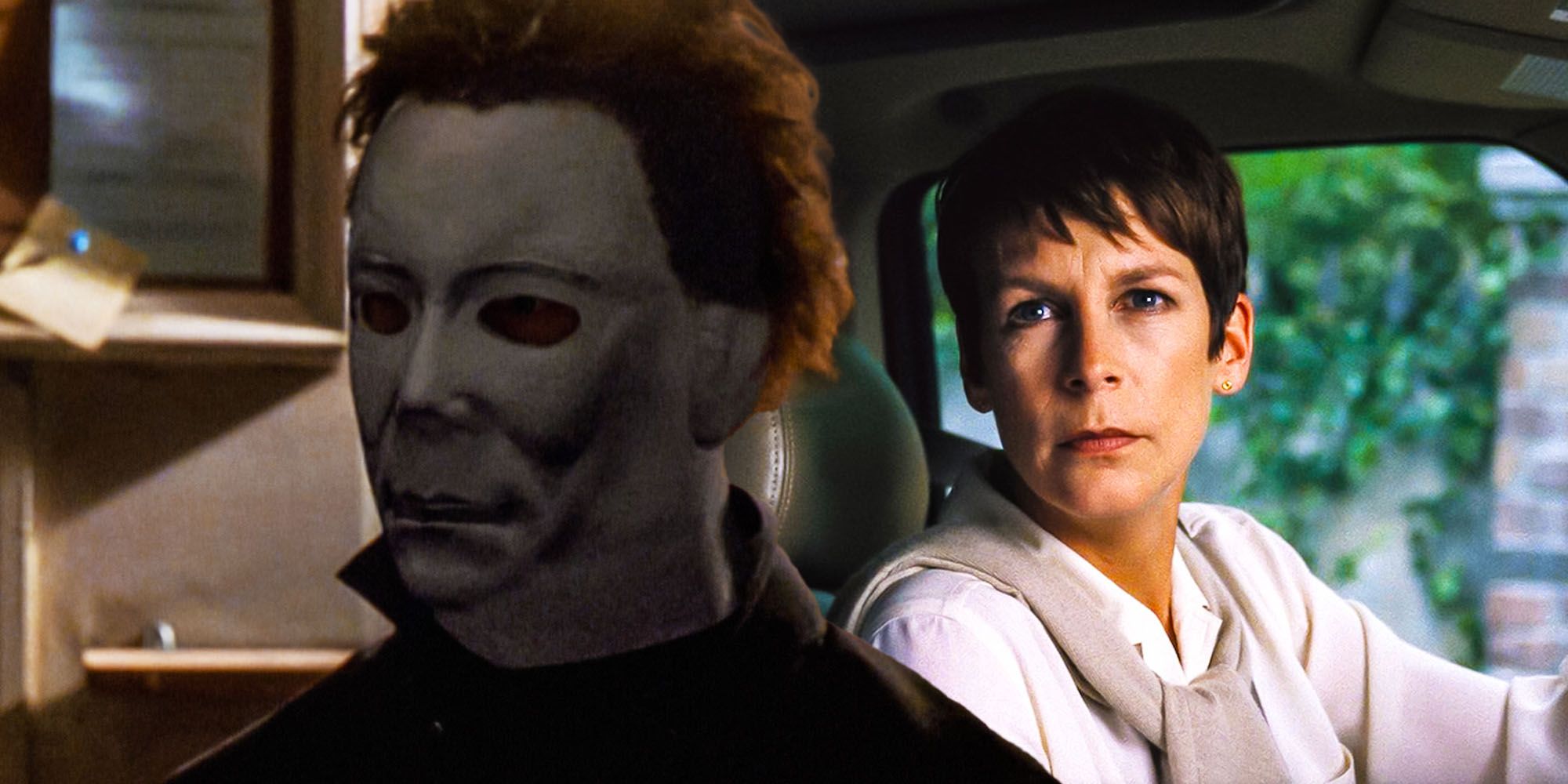
The Genesis of a Slasher Icon: From Indie Darling to Franchise Powerhouse
The original Halloween, released in 1978, was a groundbreaking achievement in independent filmmaking. John Carpenter and Debra Hill crafted a lean, atmospheric thriller that redefined the slasher genre and, in doing so, birthed a cinematic icon. The film’s success was not merely a fluke; it was the result of a potent combination of creative vision, effective marketing, and an understanding of audience appetite for a new kind of horror.
The Strategic Simplicity of the Original
The brilliance of the original Halloween lay in its understated approach. Michael Myers was not a creature of elaborate backstory or supernatural powers; he was simply the embodiment of pure, unadulterated evil. This ambiguity was a deliberate choice, creating a more terrifying and relatable (in a primal sense) villain. His mask, a repurposed William Shatner mask, added to the unsettling anonymity, making him a blank canvas onto which audiences could project their deepest fears.
The marketing of the original film was also key. It tapped into a growing cultural unease and a desire for a cathartic cinematic experience. The low budget and independent spirit allowed for a more grassroots marketing approach, fostering word-of-mouth excitement that grew into a phenomenon. This initial brand identity was built on simplicity, dread, and an undeniable element of the uncanny.
The Birth of a Franchise: Capitalizing on Success
The immediate success of Halloween naturally led to the desire for sequels. This transition marked the first significant shift in the Michael Myers brand. The initial, almost accidental, success had to be consciously translated into a sustainable franchise. This involved a series of strategic decisions about how to continue the story, maintain audience interest, and, crucially, generate revenue.
The early sequels, while varying in quality and critical reception, were driven by the imperative to keep the Michael Myers brand alive and profitable. This often meant introducing new characters, escalating the violence, and, perhaps most controversially, attempting to provide explanations for Michael’s enduring malevolence. The brand began to morph from a singular, terrifying enigma into a repeatable formula, a recognizable commodity in the horror landscape.
The Fractured Legacy: Reboots, Retcons, and Brand Dilution
As with many long-running franchises, the Michael Myers brand has suffered from a lack of consistent creative direction. The sheer number of sequels, reboots, and alternate timelines has created a complex and often contradictory narrative, impacting the brand’s coherence and its ability to resonate with new generations of fans.
The Post-Carpenter Era: Navigating Different Visions
Following John Carpenter’s departure from the franchise after the original, subsequent filmmakers and studios have grappled with how to define and redefine Michael Myers. This led to a period of experimentation. We saw sequels that explored his family connections more deeply, attempted to imbue him with supernatural elements, and even introduced entirely new antagonists.
Each of these attempts, while perhaps well-intentioned, often served to dilute the original brand’s power. The ambiguity that made Michael so terrifying was replaced with increasingly elaborate, and often convoluted, explanations. This resulted in a fractured legacy, where different installments offered vastly different interpretations of the character and his motivations. For instance, the introduction of the Thorn cult in the Rob Zombie era or the “Curse of Thorn” in the original timeline offered explicit, almost mythological, explanations for Michael’s actions, moving him away from the primal fear he represented in 1978.
The Reboots: A Fresh Start or a Fresh Coat of Paint?
The idea of a reboot is often a strategic move to revitalize a flagging brand. For Michael Myers, this has manifested in several attempts to start fresh, often ignoring established continuity. The 2007 Rob Zombie remake of Halloween and its sequel, Halloween II, offered a grittier, more psychological take on Michael’s origin and motivations. While aiming for a fresh perspective, these films also sparked debate among fans about whether they honored the spirit of the original or veered too far into gratuitous violence and character reinterpretation.
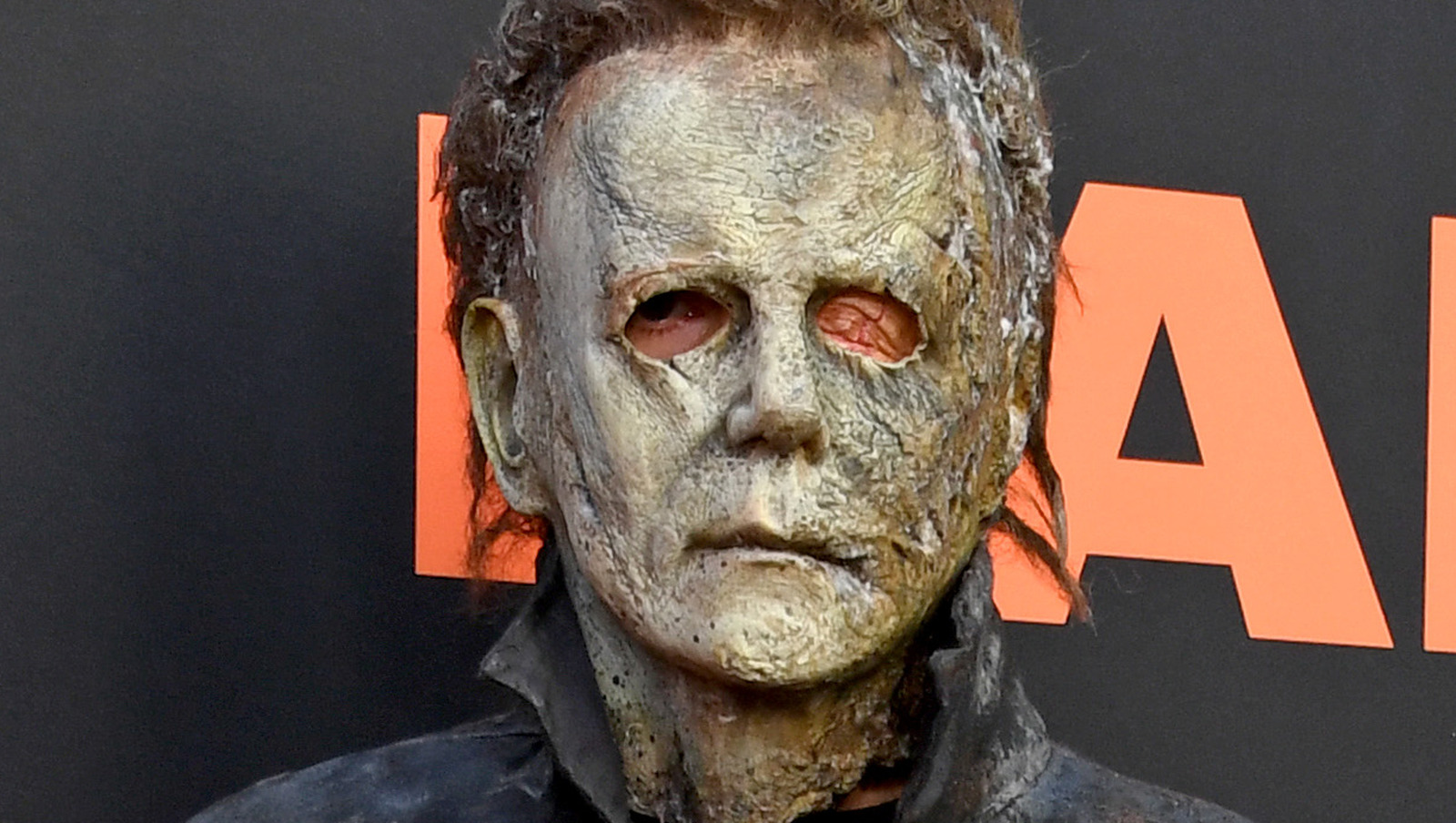
The more recent trilogy initiated by David Gordon Green (starting with Halloween in 2018) attempted a direct sequel to the original, ignoring all intervening films. This was a bold brand strategy, aiming to reclaim the narrative and re-establish Michael Myers as the singular, terrifying force from Carpenter’s vision. This approach was met with considerable success, demonstrating that a return to core brand tenets can be a powerful strategy for franchise rejuvenation. It capitalized on the nostalgia factor while also offering a new narrative arc that resonated with contemporary audiences.
The Enduring Brand Appeal: Why Michael Myers Still Haunts Us
Despite the narrative inconsistencies and the challenges of maintaining a cohesive brand identity over decades, Michael Myers has remarkably endured. His continued presence in popular culture is a testament to the power of the original concept and the strategic decisions that have, at times, successfully revitalized his appeal.
The Power of the Mask: An Unchanging Icon
At the heart of Michael Myers’ enduring brand is the mask. It is an immutable symbol of terror, instantly recognizable and devoid of any discernible emotion or personality. This visual simplicity is a powerful branding tool. It allows for universal recognition and avoids the pitfalls of over-explaining a character’s motivations. The mask ensures that, regardless of the narrative contortions of any given sequel, the core visual identity of the terrifying, silent killer remains intact.
This consistent visual branding is crucial for a franchise that has struggled with narrative continuity. When audiences see that mask, they know what they are getting: a primal, relentless threat. This has allowed the brand to weather the storms of creative differences and narrative inconsistencies, as the core iconography remains a powerful anchor.
Strategic Marketing and Cultural Resonance
The marketing of Michael Myers has consistently leaned into the primal fear he embodies. The emphasis on suspense, the chilling silence, and the inevitability of his presence has been a recurring theme. Even in periods of weaker critical reception, the marketing machine has often managed to generate buzz around a new installment, tapping into the cultural phenomenon that Halloween became.
Furthermore, Michael Myers has become a cultural touchstone, a shorthand for horror itself. His image is ubiquitous, appearing in merchandise, parodies, and countless discussions about the genre. This deep cultural resonance is a testament to the strength of the original concept and the ability of the brand, even with its imperfections, to capture and hold the imagination of audiences. The strategic decision to revisit the original timeline with the 2018 Halloween demonstrated a keen understanding of this enduring appeal, leveraging nostalgia while presenting a fresh narrative that re-centered the brand on its core strengths: Michael as the unstoppable force.
The Future of the Myers Brand: Continuity or Another Reset?
The most recent trilogy, culminating in Halloween Ends (2022), offered a definitive conclusion to the story of Michael Myers and Laurie Strode. This strategic move aimed to provide closure, a significant undertaking for a franchise that has historically thrived on its open-ended nature. The question now becomes: what happens to the Michael Myers brand?
The “End” of an Era: Strategic Closure
The decision to bring a definitive end to the current narrative arc was a significant branding decision. For a character whose longevity was predicated on his ability to simply return, this finality represents a bold move. It suggests a potential shift in strategy, aiming to preserve the legacy of the recently concluded trilogy and perhaps allow for future creative endeavors that might not necessarily involve direct continuation.
This approach could serve to solidify the positive reception of the Green trilogy, providing a satisfying narrative conclusion that fans have long craved. It’s a way of ending on a high note, ensuring that the final impression of this iteration of Michael Myers is one of a completed, impactful story.
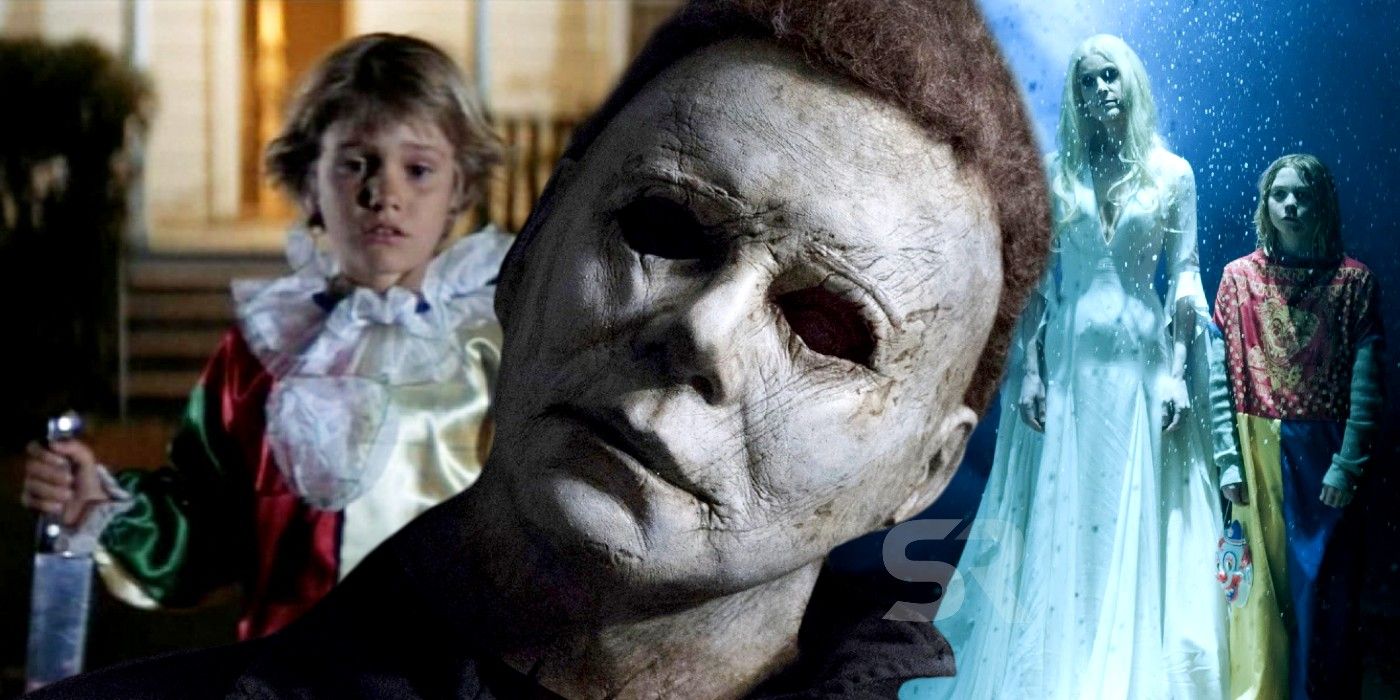
The Potential for Future Reinvention: Beyond the Mask?
While the current narrative may have concluded, the Michael Myers brand is remarkably resilient. The history of the franchise suggests that even definitive endings can be, and often are, revisited. Whether it’s through another reboot, a prequel exploring his early years, or a completely new interpretation, the core elements of the Michael Myers brand – the mask, the silent killer, the primal fear – are so potent that they are likely to be explored again in some form.
The success of the recent trilogy indicates that a return to the foundational principles of the brand, coupled with strong creative execution, can be highly effective. Future iterations will likely face the challenge of either building upon this legacy or attempting another bold reinvention. The key to the continued success of the Michael Myers brand will lie in the ability to strike a balance between honoring its iconic past and offering compelling, fresh narratives that resonate with new audiences, all while maintaining the terrifying simplicity that made him a legend in the first place. The evolution of the Michael Myers brand is a fascinating case study in how creative vision, strategic marketing, and a deep understanding of audience psychology can sustain an enduring cinematic icon, even through decades of narrative twists and turns.
aViewFromTheCave is a participant in the Amazon Services LLC Associates Program, an affiliate advertising program designed to provide a means for sites to earn advertising fees by advertising and linking to Amazon.com. Amazon, the Amazon logo, AmazonSupply, and the AmazonSupply logo are trademarks of Amazon.com, Inc. or its affiliates. As an Amazon Associate we earn affiliate commissions from qualifying purchases.