
In the hyper-competitive landscape of global sports, few individuals have undergone as significant a brand transformation as Max Verstappen. When the young Dutchman first burst onto the Formula 1 scene at the age of 17, he was categorized as a disruptive force—a raw, aggressive, and often polarizing talent. However, the question of “what happened” to Max Verstappen in the years following his debut cannot be answered by looking at his trophy cabinet alone. Instead, it is found in the meticulous construction of a global brand that has redefined the intersection of personal identity and corporate synergy.
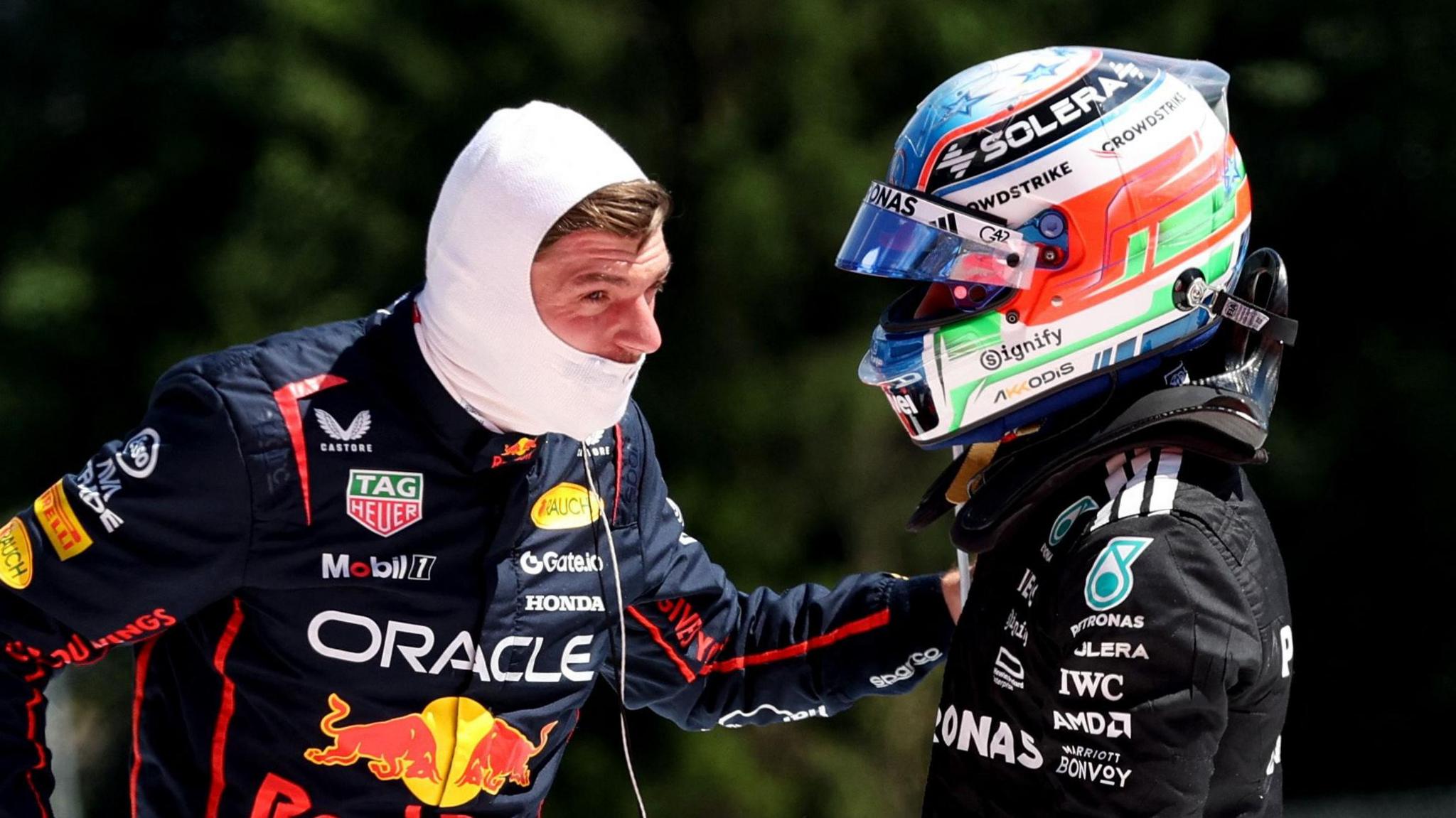
Today, Verstappen is no longer just a driver; he is the centerpiece of a multi-billion dollar marketing machine. His journey from a volatile “Mad Max” persona to a stoic, clinical symbol of excellence represents one of the most successful personal branding shifts in modern sports history. This evolution has not only served his own career but has acted as the catalyst for Red Bull Racing’s dominance as a lifestyle brand and a corporate powerhouse.
From Adolescent Aggression to Corporate Consistency
The early phase of Max Verstappen’s career was defined by “The Disruptor” archetype. In branding terms, a disruptor is someone who challenges the established order, often causing friction but garnering intense attention in the process. When Verstappen began his career, his brand was built on high-risk maneuvers and an uncompromising attitude. This “Mad Max” persona was highly effective for a newcomer needing to steal market share from established icons like Lewis Hamilton and Sebastian Vettel.
The “Mad Max” Era: Building a Disruptor Brand
In the beginning, Verstappen’s brand was synonymous with unpredictability. For a brand like Red Bull, which markets itself through extreme sports and the “gives you wings” philosophy of pushing limits, this was a match made in marketing heaven. His early reputation for aggressive overtaking and verbal outspokenness created a narrative of an underdog taking on the giants.
This era was crucial for establishing his “brand equity.” He wasn’t just another driver on the grid; he was the driver who refused to follow the unwritten rules of the paddock. From a strategic perspective, this polarization was a benefit. In personal branding, being “liked by everyone” often leads to a diluted identity. By being the “rebel,” Verstappen secured a dedicated, passionate fan base—most notably the “Orange Army”—who saw him as an authentic anti-establishment figure.
The Professionalization of Performance
As Verstappen moved from a contender to a champion, his brand required a pivot. A disruptor cannot stay a disruptor forever if they want to achieve institutional longevity. “What happened” during his first championship-winning years was a calculated shift toward “The Professional.”
The aggression remained, but it was repackaged as “clinical precision.” His public appearances became more measured, his communication more focused on technical excellence, and his image shifted from a hot-headed youth to a master of his craft. This transition is essential for any high-level brand; it allows the individual to attract more conservative corporate sponsors and partners who value stability and reliability over controversy. The brand evolved from “will he win?” to “how will he win?”
The Intersection of Personal and Corporate Identity
The success of Max Verstappen is inextricably linked to the corporate identity of Red Bull. While many athletes operate as independent brand entities, Verstappen’s brand is a masterclass in “Co-Branding.” The synergy between the driver and the energy drink giant is so seamless that it is often difficult to distinguish where one ends and the other begins.
Red Bull’s Masterclass in Brand Alignment
Red Bull Racing does not just sell a product; it sells an experience and a mindset. Verstappen has become the living embodiment of that mindset. Unlike other teams that prioritize corporate polish and heritage (like Mercedes-Benz or Ferrari), Red Bull prioritizes performance, speed, and a touch of “edge.”
Verstappen’s personal brand reinforces Red Bull’s corporate strategy by proving that their “extreme” approach works at the highest level of traditional sport. In return, Red Bull provides the infrastructure—not just the car, but the media house, the social media reach, and the global events—that amplifies Verstappen’s personal brand to an audience far beyond Formula 1 fans. This is a circular brand economy where the success of the individual feeds the prestige of the corporation, which in turn fuels the marketability of the individual.
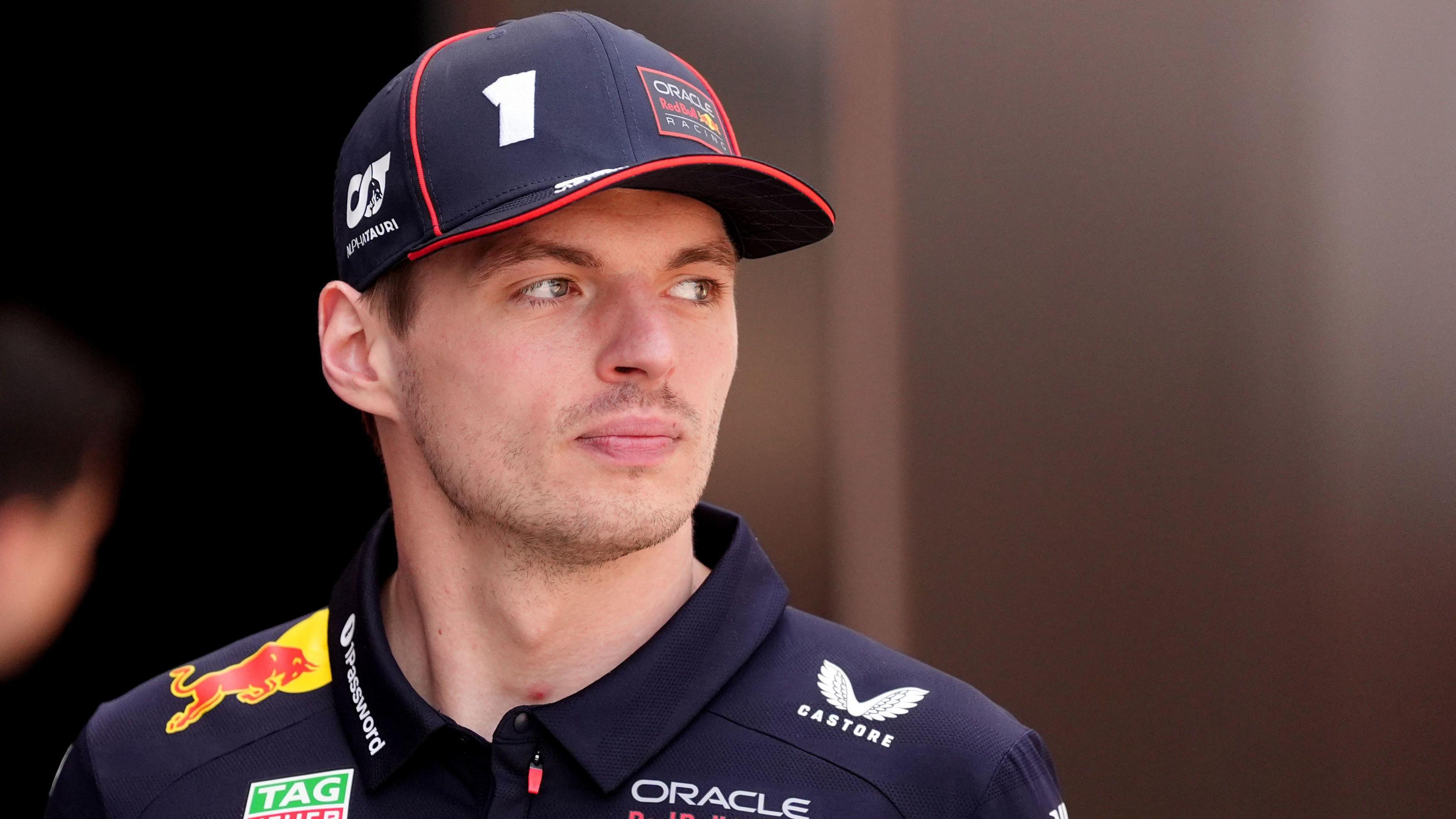
The Dutch Lion: National Identity as a Marketing Asset
A significant component of the Verstappen brand is the strategic use of national identity. In marketing, tapping into a “tribal” identity is one of the most effective ways to build a loyal customer base. Verstappen has effectively “branded” the Netherlands as his own territory.
Through the use of the “Dutch Lion” iconography and the sea of orange that follows him to every race, Verstappen has turned his personal brand into a national movement. This has massive financial implications. It has revitalized the Dutch Grand Prix at Zandvoort, creating a local economic powerhouse centered entirely around his personal brand. By aligning himself so closely with his heritage, he has created a level of brand loyalty that transcends performance. Even when he is not winning, the “Orange Army” remains a captive market for merchandise, tickets, and sponsor products.
Managing the Narrative in Times of Turbulence
No brand survives without facing a crisis or a shift in the market. In the world of Formula 1, the narrative can change with a single race or a single season. What happened to Max Verstappen’s brand during periods of internal team tension or technical struggle provides a fascinating case study in crisis management and narrative control.
Crisis Management and Internal Brand Friction
The modern era of Formula 1 is as much about the soap opera off-track as the racing on-track. When Red Bull Racing faced internal management controversies or when high-profile engineers like Adrian Newey announced their departure, Verstappen’s brand was put to the test.
The strategy employed was one of “Brand Isolation.” Verstappen and his management team worked to distance his personal brand from the administrative turbulence of the team. By focusing exclusively on his role as the “dedicated athlete” and the “sim-racing enthusiast” during his off-hours, he maintained a clean image while the corporate structure around him was scrutinized. This demonstrates a sophisticated understanding of personal branding: the ability to remain the “product” that customers trust, even if the “store” is undergoing a renovation.
The Post-Dominance Pivot: Maintaining Brand Value Without the Win
One of the greatest challenges for a “Winner” brand is maintaining value when the winning streak inevitably ends. As the field in Formula 1 leveled out, the Verstappen brand had to move toward “Resilience” and “Leadership.”
What happened to Verstappen during the moments when the car was no longer the fastest was a pivot toward the “Mentor” and “Technical Specialist” archetypes. Instead of the frustration seen in his younger years, he began to project an image of a leader helping his team find their way back to the top. From a brand perspective, this creates a more mature and relatable narrative. It shifts the value proposition from “he wins every time” to “he is the most valuable asset in the sport, regardless of the result.”

The Future of the Verstappen Brand: Beyond the Cockpit
The most significant indicator of a successful personal brand is its ability to transcend its original industry. Max Verstappen is currently laying the groundwork for a post-racing empire that focuses on digital integration and the future of competition.
Verstappen.com is not merely a fan site; it is a burgeoning lifestyle and tech ecosystem. His heavy investment in sim-racing and his own team, Team Redline, showcases a forward-thinking brand strategy. He is positioning himself at the intersection of traditional sports and the digital gaming world—a market that is projected to grow exponentially in the coming decades.
Furthermore, his personal brand is becoming synonymous with a “no-nonsense” approach to business and media. In an era of curated, PR-heavy athlete personas, Verstappen’s brand thrives on perceived authenticity. He has resisted the typical celebrity circuit in favor of a “pure racer” identity. This scarcity of public appearances makes his brand more premium; he is not an influencer, he is an icon.
In conclusion, “what happened” to Max Verstappen is a transformation from a talented athlete into a strategic global brand. Through careful alignment with Red Bull, the cultivation of a fierce national following, and a shift from a disruptive youth to a clinical professional, he has built a persona that is resilient, highly marketable, and poised for longevity. He has proven that in the modern world of branding, performance is just the entry requirement—narrative, identity, and strategic alignment are what create a legacy.
aViewFromTheCave is a participant in the Amazon Services LLC Associates Program, an affiliate advertising program designed to provide a means for sites to earn advertising fees by advertising and linking to Amazon.com. Amazon, the Amazon logo, AmazonSupply, and the AmazonSupply logo are trademarks of Amazon.com, Inc. or its affiliates. As an Amazon Associate we earn affiliate commissions from qualifying purchases.