
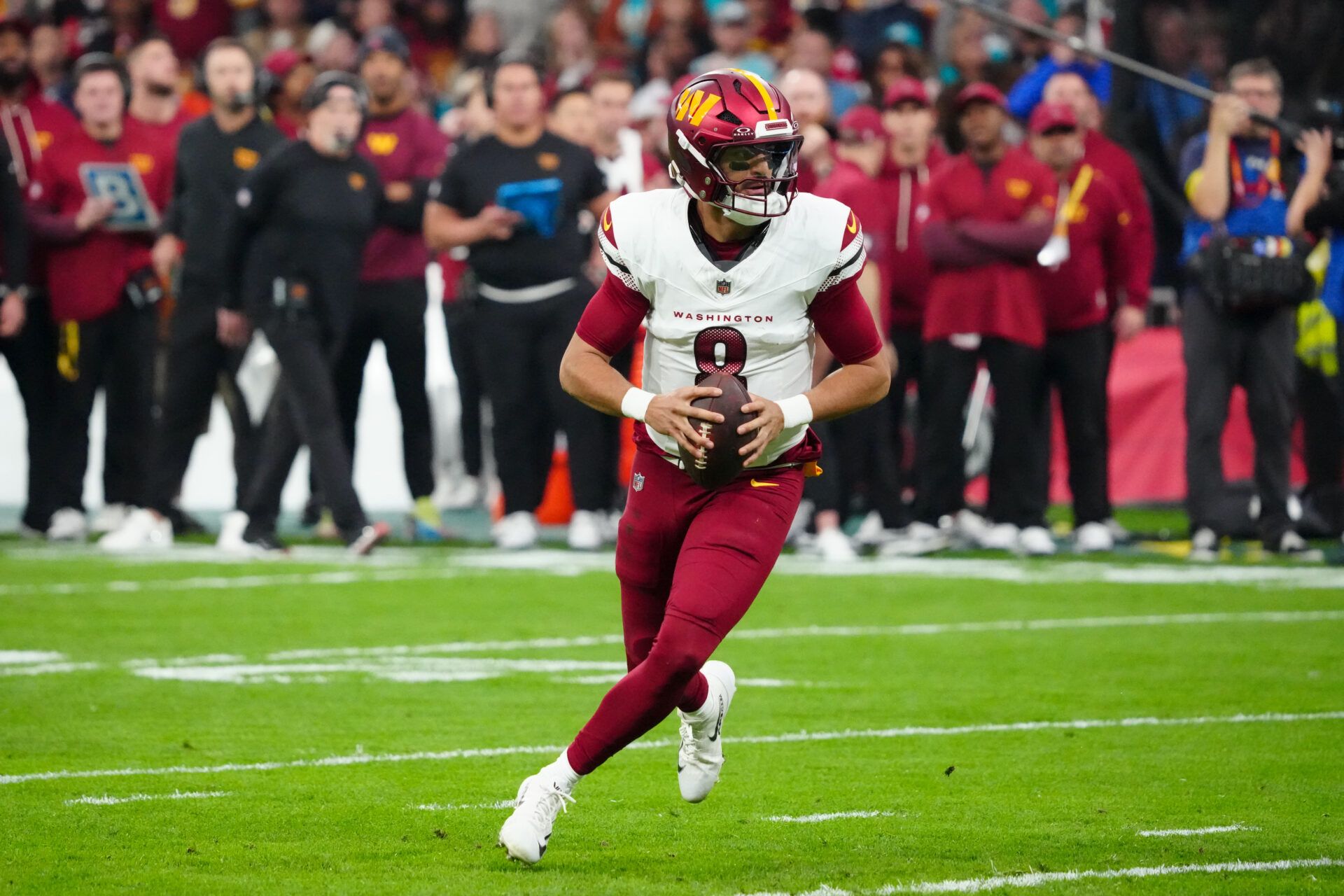
The trajectory of Marcus Mariota’s professional life offers a masterclass in the complexities of personal branding. Once the golden boy of college football—a Heisman Trophy winner and the second overall pick in the NFL Draft—Mariota’s journey from a franchise cornerstone to a veteran backup serves as a compelling case study for anyone managing a public identity. His career path demonstrates that in the high-stakes world of elite performance, your “brand” is not just about your initial promise; it is about your capacity to evolve, pivot, and maintain relevance when the narrative shifts beneath your feet.
The Architecture of an Early Professional Brand
When Marcus Mariota entered the NFL in 2015, he arrived with a pristine brand identity. He was the “quiet leader,” the humble underdog from Hawaii who let his play do the talking. In the world of professional sports, this archetype is incredibly valuable. It suggests reliability, coachability, and a lack of ego—traits that franchises crave when investing millions of dollars in a face-of-the-franchise quarterback.
The Power of the “Clean Slate” Narrative
Mariota’s early brand equity was built on high performance paired with a stoic demeanor. This narrative was reinforced by his performance on the field, which was marked by dual-threat athleticism and poise under pressure. For sponsors and the Tennessee Titans organization, he was an ideal vessel: a marketable, scandal-free athlete who could headline marketing campaigns. During his tenure in Tennessee, the branding was seamless. He was positioned as the “savior” of a struggling franchise, a role that brought immense visibility but also immense pressure.
The Fragility of Performance-Linked Identity
The danger of building a brand exclusively on the “savior” narrative is that it is entirely dependent on performance metrics. When an athlete suffers injuries or a decline in production, the brand architecture begins to crack. As Mariota’s health concerns and performance fluctuations became the central focus of sports media, his brand identity shifted from that of an emerging superstar to that of an unfulfilled prospect. This highlights a critical lesson for any personal brand: when your value is tethered to a single outcome, your marketability becomes volatile.
Managing Identity Shifts in the Public Eye
As his starting role in Tennessee ended, Mariota faced a crucial pivot point. In the world of personal branding, this is known as a “repositioning strategy.” For many athletes, the transition from starter to backup is viewed as a failure. However, Mariota navigated this period by recalibrating his identity. He moved away from the “franchise savior” image and leaned into the “professional veteran” persona—the reliable teammate who brings wisdom and stability to a locker room.
The Art of the Strategic Pivot
Repositioning yourself after an initial failure is one of the most difficult exercises in personal branding. Mariota’s move to the Las Vegas Raiders to serve as a backup for Derek Carr was a masterclass in humility and long-term career strategy. By accepting a secondary role, he effectively lowered expectations while maintaining his status as an elite professional. He transitioned his brand from “the guy who needs to win every game” to “the high-IQ backup who can execute a game plan on short notice.”

Controlling the Narrative Through Silence
One of the most effective aspects of Mariota’s brand management has been his silence. In an era where athletes are pressured to be constantly present on social media, Mariota has maintained a low digital footprint. By not reacting to media speculation or the inevitable critiques of his performance, he has preserved a level of mystique. He avoids the “victim” label, choosing instead to focus on the immediate task at hand. This restraint is a powerful branding tool; it prevents his public image from being defined by the reactions of others.
The Economics of Long-Term Professional Viability
Beyond the optics, Marcus Mariota’s career path provides insights into the financial sustainability of a professional career. Often, when the media asks “what happened” to a player, they are looking at the box score. From a business perspective, however, Mariota’s career remains a success story. He has successfully extended his professional tenure through adaptability—a key component of any sustainable career strategy.
Versatility as a Competitive Advantage
Mariota has survived in the NFL long past the average career span because he transformed himself into a specialized asset. By leveraging his unique skill set—his mobility, his understanding of diverse offensive schemes, and his ability to mentor younger players—he made himself indispensable to organizations like the Atlanta Falcons and the Philadelphia Eagles. In personal branding, this is the shift from being a “commodity” (someone who can be replaced by a draft pick) to being a “specialized expert” (someone who provides specific, hard-to-replicate value).
Lessons in Legacy Building
Mariota’s current phase represents the final, often overlooked, stage of a high-profile personal brand: the mentor and the seasoned pro. As players move into the later stages of their careers, the focus shifts from “what can you do for us today?” to “what can you leave behind?” By mentoring younger quarterbacks and acting as a steady hand in the locker room, Mariota has ensured that his final legacy will not be defined by his draft status, but by his professionalism. This is how you successfully transition from a transient icon to a respected pillar of the industry.
Synthesizing the “What Happened” Narrative
When observers ask what happened to Marcus Mariota, they are usually looking for a dramatic conclusion. They want a rise-and-fall story. However, the reality of his career is a much more grounded study in resilience and strategic branding. He has navigated a high-pressure environment for nearly a decade, constantly evolving his persona to match the realities of his situation.
Success Beyond the Initial Objective
If we define success as achieving the initial, idealized version of a career—the Super Bowl win as a primary starter—then the narrative is one of unmet expectations. But if we define success as the ability to command value, maintain professional respect, and navigate institutional changes while retaining one’s personal integrity, then Mariota is a resounding success. His brand survived the harsh critique of the sports media machine, a feat that is rarely accomplished by athletes who are cast out of the “star” category.

The Takeaway for Personal Branding
For the average professional, the Marcus Mariota case study provides a roadmap for career longevity:
- Never tie your brand to a single outcome: Performance fluctuates, but your identity as a professional and a person should remain constant.
- Embrace the pivot: When your circumstances change, change your narrative to fit the new reality rather than clinging to the old one.
- Prioritize the locker room: In any organization, your value is often defined by your peer relationships. Being a “good teammate” is a brand trait that pays dividends long after your primary technical role has diminished.
Marcus Mariota remains an active participant in his own story. He has successfully transitioned from the face of a franchise to a valued veteran, proving that even when the original narrative burns out, there is always an opportunity to build a new one. The “what happened” to him is not a tragedy; it is an evolution. He is a reminder that in the realm of professional identity, you are the author of your own story, and even the most unexpected plot twists can lead to a long, enduring, and successful professional legacy.
aViewFromTheCave is a participant in the Amazon Services LLC Associates Program, an affiliate advertising program designed to provide a means for sites to earn advertising fees by advertising and linking to Amazon.com. Amazon, the Amazon logo, AmazonSupply, and the AmazonSupply logo are trademarks of Amazon.com, Inc. or its affiliates. As an Amazon Associate we earn affiliate commissions from qualifying purchases.