
MADtv, the sketch comedy powerhouse that defined a generation of late-night television, was once a ubiquitous presence in the comedic landscape. For over a decade, its irreverent humor, sharp social commentary, and roster of unforgettable characters made it a must-watch for millions. But as with many television shows that burn brightly, the question inevitably arises: what happened to MADtv? This exploration delves into the show’s rise and fall, not just as a television phenomenon, but through the lens of the very topics that define our modern world: technology, branding, and the ever-shifting currents of money.
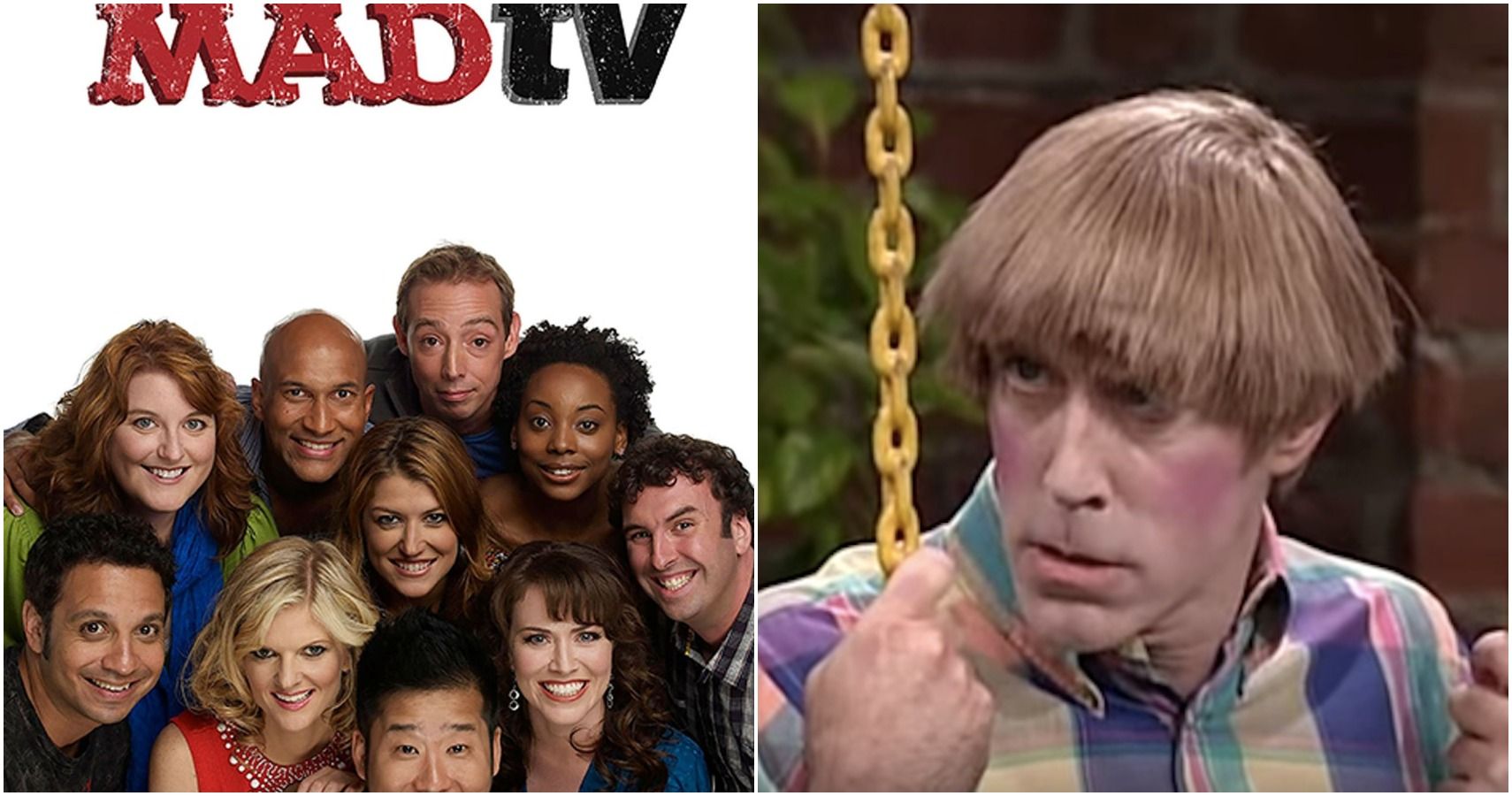
The Rise of a Comedy Maverick: MADtv’s Place in the Cultural Zeitgeist
MADtv burst onto the scene in 1995, a product of the burgeoning Fox network’s ambition to challenge the established comedic order. In a television era dominated by Saturday Night Live, MADtv carved out its own distinct niche. Its humor was often more edgy, more pop-culture obsessed, and more inclined to lampoon the everyday absurdities of American life. The show wasn’t afraid to tackle controversial topics, lampoon celebrities with ruthless abandon, and create characters that, while often exaggerated, felt strangely familiar.
This was a time before the internet was the primary driver of meme culture and viral content. Television was king, and MADtv understood how to leverage its platform to create moments that would be discussed at water coolers and schoolyards alike. The show’s success wasn’t accidental; it was a carefully crafted blend of writing talent, comedic timing, and an uncanny ability to tap into the collective consciousness. Its longevity, spanning 14 seasons and over 300 episodes, speaks volumes about its initial impact and its ability to resonate with audiences.
The Power of the Sketch: MADtv’s Content Machine
At its core, MADtv was a content-generating machine. Each week, the writers and performers delivered a fresh batch of sketches designed to entertain, provoke, and sometimes, even inform. This relentless output required a robust creative engine, fueled by a constant stream of inspiration drawn from news, current events, and the ever-evolving landscape of popular culture.
The show’s reliance on topical humor meant it was intrinsically tied to the technologies of its time. The printing press was the initial conduit for MAD Magazine, the show’s namesake, but television itself was the dominant technology for MADtv. The rise of cable television and the proliferation of channels created a more fragmented audience, but also an opportunity for niche programming to thrive. MADtv’s ability to capture the zeitgeist meant it could draw viewers across demographics, united by a shared understanding of the cultural references being parodied.
Technology’s Unseen Influence: From Broadcast to Broadband
While MADtv was a product of the broadcast era, the seeds of technological change that would eventually impact its trajectory were already being sown. The internet, still in its nascent stages for many households, was beginning to offer alternative avenues for entertainment and information. Early online forums and nascent video-sharing platforms, though primitive by today’s standards, were precursors to the digital revolution that would fundamentally alter how content was consumed.
The production of MADtv itself was also a reflection of its era’s technological capabilities. While digital editing and special effects were advancing, the show likely relied on a mix of practical sets, costuming, and traditional filmmaking techniques. The speed at which sketches had to be produced and broadcast meant that efficiency and adaptability were paramount. This technological foundation, while impressive for its time, would soon be dwarfed by the exponential growth of digital media.
The Shifting Sands of Brand and Reputation
MADtv wasn’t just a show; it was a brand. Its logo, its recurring characters, and its distinctive comedic voice all contributed to a strong and recognizable identity. The show’s brand was built on a foundation of irreverence, relatability, and a willingness to push boundaries. This allowed it to cultivate a loyal fanbase and establish itself as a significant player in the comedy genre.
However, the brand also carried inherent risks. The same edginess that attracted viewers could also alienate others. In an increasingly sensitive cultural climate, humor that was once considered edgy could quickly be perceived as offensive. The challenge for any long-running show is to adapt its brand to evolving societal norms without alienating its core audience or losing its distinctive voice.
Navigating the Digital Brandscape: The Rise of Online Influence
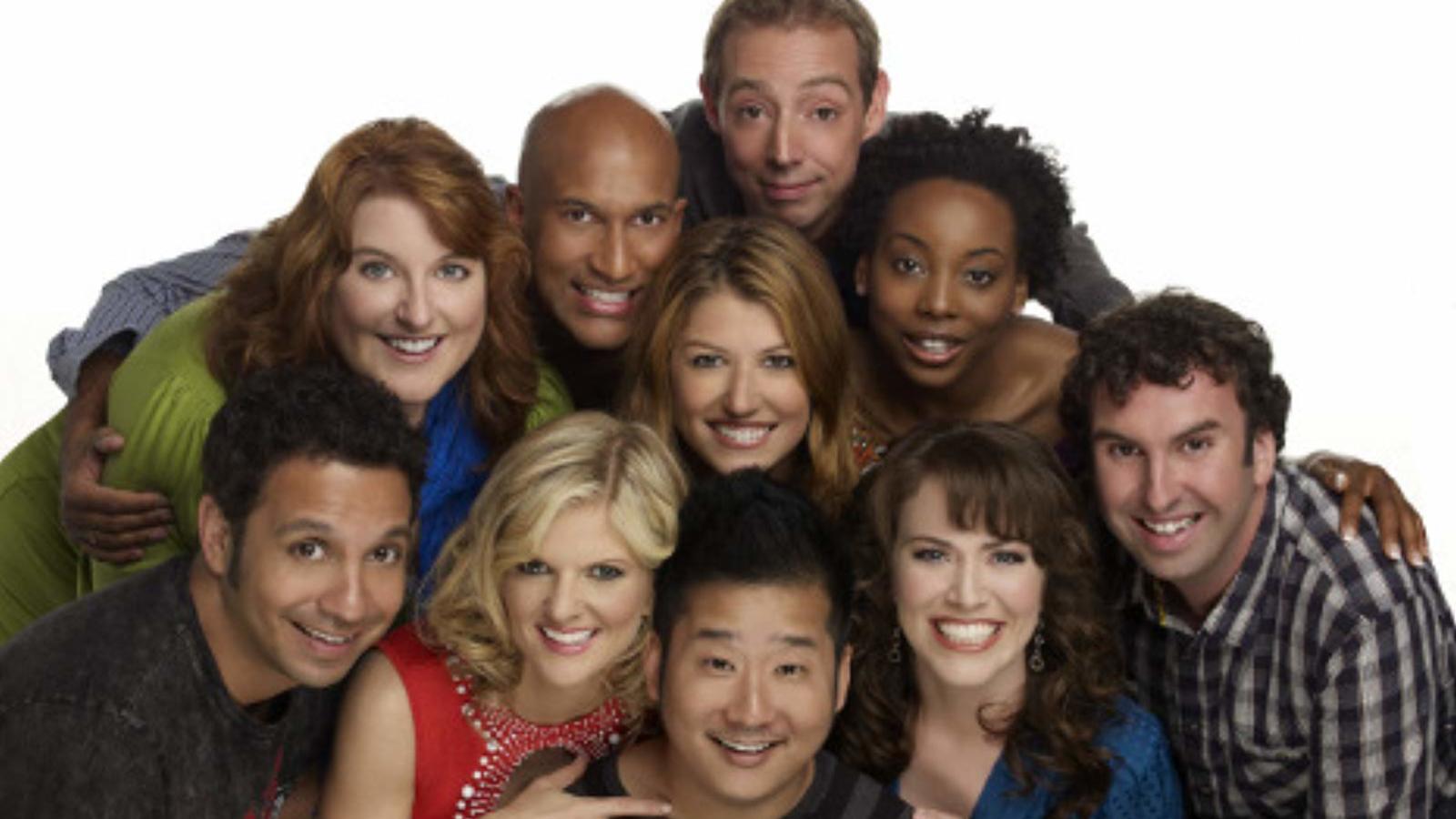
The advent of the internet and social media platforms irrevocably changed the landscape of brand management. Suddenly, brands were no longer solely in control of their narrative. Online reviews, fan discussions, and viral trends could significantly impact public perception. For a show like MADtv, this presented both opportunities and threats.
On one hand, the internet could have been a powerful tool for MADtv to connect with its audience, promote new sketches, and build a more interactive community. Imagine the potential for short-form clips to go viral on YouTube, driving viewers back to the main broadcast. However, the show’s traditional broadcast model may have struggled to keep pace with the rapid evolution of digital marketing and audience engagement strategies. The ability to create and distribute content instantly across multiple platforms became a crucial advantage for newer forms of entertainment.
The Challenge of Online Reputation Management
As the internet matured, so did the concept of online reputation management. For MADtv, this meant navigating the amplified voices of critics and fans alike. Negative reviews, discussions about the show’s perceived declining quality, or controversies surrounding specific sketches could spread like wildfire online, impacting its overall brand perception.
The rise of user-generated content also meant that fans could create their own parodies and critiques of MADtv, further blurring the lines of ownership and influence. While this could be seen as a testament to the show’s cultural impact, it also meant that the original brand had to constantly compete for attention and relevance in a crowded digital space. The ability of viewers to curate their own entertainment through streaming services and on-demand content meant that appointment television, like MADtv’s weekly broadcast, began to lose its grip.
The Economic Realities: The Changing Face of Comedy and Television
The television industry is a business, and the success of any show ultimately hinges on its financial viability. MADtv, like all commercial endeavors, was subject to the economic forces that shape the media landscape. From advertising revenue to production costs, a multitude of factors influenced its longevity.
The late 1990s and early 2000s represented a golden age for broadcast television in terms of advertising revenue. However, as the internet began to siphon off advertising dollars and the proliferation of cable channels created a more fragmented audience, the economic model for traditional television began to shift.
The Rise of Streaming and the Demise of Traditional Broadcast
Perhaps the most significant economic factor impacting MADtv’s fate was the seismic shift towards streaming services and on-demand viewing. Platforms like Netflix, Hulu, and later Disney+ offered viewers unprecedented control over what they watched and when they watched it. This directly challenged the appointment-viewing model that had sustained shows like MADtv for decades.
The economics of advertising also changed dramatically. Advertisers began to shift their spending from traditional television to digital platforms, where they could target specific demographics with greater precision and track engagement more effectively. This reduced the revenue stream for broadcast networks, making it more challenging to fund expensive, long-running shows.

The Content Arms Race: Producing for a Digital World
The rise of streaming services also fueled an unprecedented content arms race. Networks and studios poured billions of dollars into producing original content, often with higher production values and more niche appeal than traditional network television. This created a highly competitive environment where established shows had to prove their continued relevance and financial worth.
For MADtv, the challenge was not just about producing funny sketches, but about fitting into this new economic paradigm. While reruns and syndication provided some revenue, the show’s core format was intrinsically tied to weekly broadcast. The ability to adapt to the new demands of the digital marketplace, to produce content specifically for streaming, or to leverage its back catalog in innovative ways, became increasingly important. The cost of maintaining a large ensemble cast and elaborate production for a shrinking broadcast audience likely became unsustainable in the face of these evolving economic realities.
In conclusion, the question of “what happened to MADtv” is not a simple one. It’s a narrative that weaves together the threads of technological evolution, the challenges of brand management in a digital age, and the fundamental economic shifts within the entertainment industry. MADtv was a product of its time, a brilliant comedic force that captured the spirit of an era. While its broadcast run may have ended, its legacy, like many enduring cultural phenomena, continues to be re-examined and appreciated in the ever-evolving landscape of entertainment.
aViewFromTheCave is a participant in the Amazon Services LLC Associates Program, an affiliate advertising program designed to provide a means for sites to earn advertising fees by advertising and linking to Amazon.com. Amazon, the Amazon logo, AmazonSupply, and the AmazonSupply logo are trademarks of Amazon.com, Inc. or its affiliates. As an Amazon Associate we earn affiliate commissions from qualifying purchases.