
In the landscape of modern branding, few case studies offer as much complexity as the trajectory of Limp Bizkit. Often dismissed by music critics as a relic of the late 90s nu-metal explosion, the band’s story is actually a profound lesson in brand positioning, market saturation, and the power of a well-executed pivot. To understand “what happened” to Limp Bizkit is to understand the lifecycle of a brand that transformed from a cultural juggernaut into a pariah, only to emerge decades later as a masterclass in ironic nostalgia and self-aware rebranding.
The Architecture of an Anti-Establishment Brand
To analyze the rise of Limp Bizkit, one must first look at the precision of their initial brand architecture. In the late 1990s, the music industry was undergoing a transition from the polished pop of the boy-band era to something more visceral. Limp Bizkit did not just fill a void; they engineered a brand that was perfectly calibrated for the demographic of the time.
The Dual-Identity Value Proposition
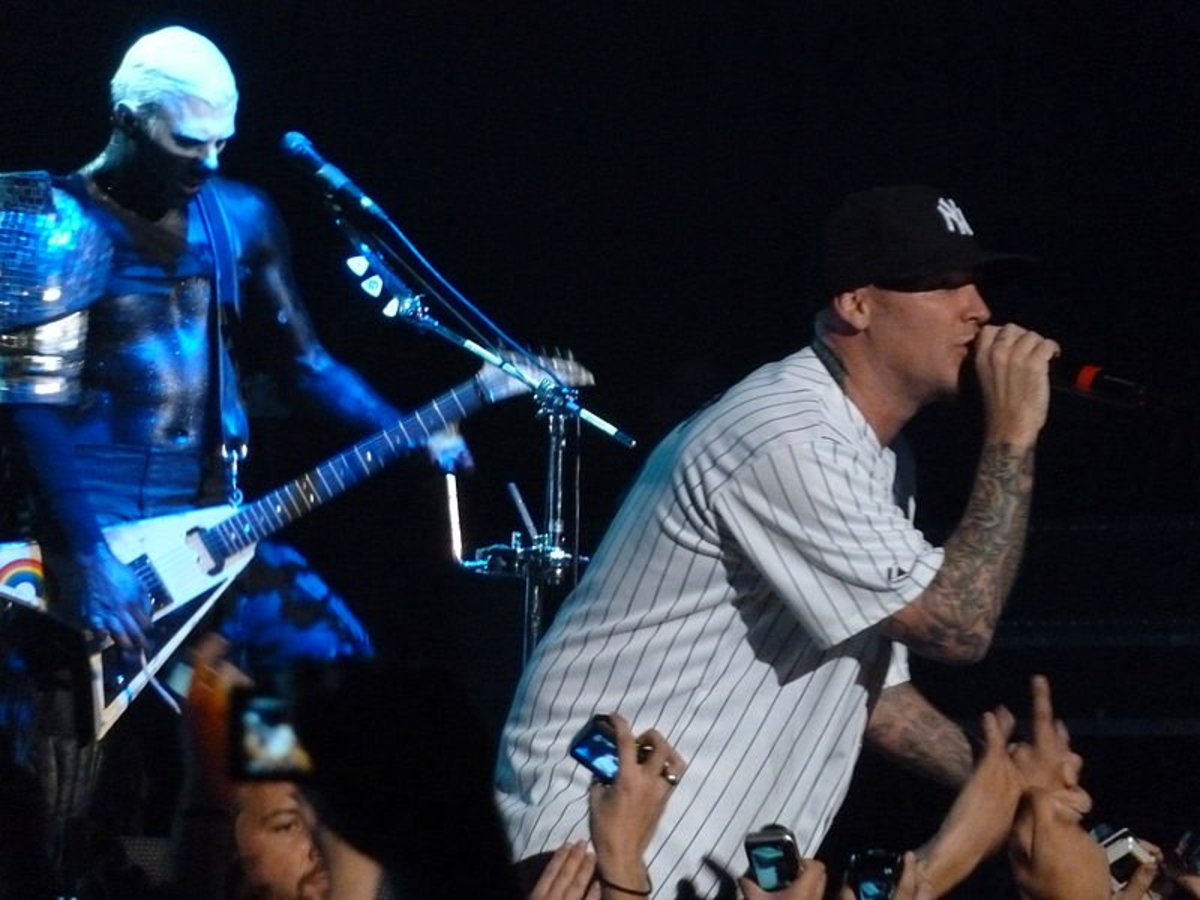
The brand’s strength lay in its duality. On one side, you had Fred Durst, the “CEO” of the band, whose red New Era cap became one of the most recognizable brand logos in the world. Durst represented the consumer—the disenfranchised, aggressive, and energetic youth. On the other side was Wes Borland, the “Creative Director,” whose elaborate costumes and avant-garde visual identity provided the brand with an artistic legitimacy that separated them from their peers. This tension between the “jock” and the “artist” allowed the Limp Bizkit brand to capture a massive market share that spanned multiple subcultures.
Aggressive Market Penetration
Limp Bizkit’s early success was a result of aggressive “guerrilla” marketing. By leveraging the nascent power of the internet and building a street team culture, the band created a sense of exclusivity and rebellion. They didn’t just sell music; they sold an identity. At their peak, the brand equity was so high that their third studio album, Chocolate Starfish and the Hot Dog Flavored Water, sold over one million copies in its first week. This remains a benchmark for brand velocity in the entertainment sector.
Brand Dilution and the Perils of Oversaturation
The downfall of Limp Bizkit provides a cautionary tale for any brand that fails to manage its lifecycle. Between 1999 and 2001, the brand was everywhere. However, this ubiquity eventually led to a phenomenon known as brand fatigue. When a brand becomes the default choice, it loses its “cool factor” and begins to alienate its core audience.
The Woodstock ’99 PR Disaster
Every brand faces a crisis, but Limp Bizkit’s brand crisis was systemic. Their performance at Woodstock ’99 became a PR nightmare that redefined the brand’s public perception. Instead of being seen as a voice for the youth, the brand was increasingly associated with volatility, destruction, and a lack of corporate responsibility. In the eyes of the general public, Limp Bizkit transitioned from “rebellious” to “obnoxious”—a shift that is often fatal for lifestyle brands.
The Loss of Key Intellectual Property
In branding, the departure of a key visionary can be devastating. When Wes Borland left the band in 2001, the brand lost its visual and sonic “hook.” Borland was the aesthetic anchor that kept the brand from becoming a caricature. Without his input, the subsequent iterations of the Limp Bizkit brand felt diluted and uninspired. The market responded accordingly; their 2003 release, Results May Vary, saw a significant decline in both critical reception and commercial performance. The brand had entered a period of negative equity.
The Long Hibernation: Strategic Silence as Crisis Management
For nearly a decade, Limp Bizkit essentially went “dark.” In the world of brand strategy, silence can often be a powerful tool for rehabilitation. By removing themselves from the cultural conversation, the band allowed the heated animosity toward their brand to cool. This period of hibernation was essential for the eventual “nostalgia cycle” to begin.

Navigating the “Uncool” Phase
Every legacy brand goes through a period where it is considered “out of touch.” During the mid-2000s and early 2010s, Limp Bizkit became a punchline. However, instead of attempting to chase modern trends—a move that often smells of desperation—the band largely retreated. This prevented them from further damaging their core identity by trying to be something they weren’t. They maintained a small but loyal “legacy” customer base while waiting for the market conditions to shift.
The Rise of Nu-Metal Nostalgia
Brand cycles are often twenty years long. By the late 2010s, the generation that had grown up with Limp Bizkit had entered the workforce and gained significant purchasing power. Nostalgia became a primary driver in the entertainment market. This cultural shift created a “blue ocean” opportunity for Limp Bizkit to re-enter the market not as a contemporary competitor, but as a nostalgic icon.
The “Dad Vibes” Pivot: A Case Study in Rebranding
The most remarkable chapter of the Limp Bizkit story occurred in 2021. Their appearance at Lollapalooza served as the official “relaunch” of the brand, and it was executed with surgical precision. Fred Durst appeared on stage with grey hair, a “dad” outfit, and a self-deprecating attitude. This was a masterstroke in brand repositioning.
Embracing Self-Awareness
The “Dad Vibes” rebrand worked because it leaned into the brand’s biggest weakness—its age—and turned it into a strength. By acknowledging that they were no longer the “angry youths” of the 90s, they removed the primary target for critics. You cannot mock a brand that is already in on the joke. This transparency created a new layer of brand authenticity that resonated with both old fans and a new, younger audience on platforms like TikTok.
The Product: “Still Sucks”
The release of their 2021 album, Still Sucks, followed the same strategic logic. Even the title was a preemptive strike against negative reviews. The album was lean, focused, and didn’t attempt to reinvent the wheel. It delivered exactly what the loyal customer base wanted while signaling to the broader market that the brand was comfortable with its legacy. This move successfully transitioned Limp Bizkit from a “has-been” brand to a “cult classic” brand.
Lessons for Modern Brand Strategy
The story of Limp Bizkit offers several critical takeaways for brand managers and corporate strategists. Their journey illustrates that brand sentiment is not permanent and that even the most damaged brand can be rehabilitated with the right timing and tone.
1. Authenticity Over Adaptation
Limp Bizkit’s eventual resurgence succeeded because they stopped trying to fit into the current musical landscape and instead leaned into what made them unique. Brands that chase every new trend often lose their identity. True longevity comes from understanding your core brand pillars and presenting them in a way that is honest about where the brand currently stands in its lifecycle.
2. The Power of Visual Signifiers
Limp Bizkit understood the importance of the “visual hook.” From the red cap to the “Dad Vibes” wig, the brand always provided a clear, easily identifiable image. In a crowded marketplace, having a distinct visual identity is often more important than the product itself. It creates a shorthand for the consumer, allowing for instant brand recognition.
3. Owning the Narrative
By naming their comeback album Still Sucks, the band took control of the narrative. In crisis management, whoever tells the story first wins. By embracing their status as cultural outcasts, they neutralized their detractors and built a “fortress brand” that is now largely immune to traditional criticism.

4. Market Timing and the Nostalgia Economy
Timing is everything. Had Limp Bizkit attempted their “Dad Vibes” comeback in 2011, it likely would have failed. The market wasn’t ready for it. By waiting for the twenty-year nostalgia cycle to complete, they were able to capitalize on a market that was primed for their return.
In conclusion, what happened to Limp Bizkit was not a simple case of a band fading away. It was a complex evolution of a brand that experienced the highest highs and lowest lows of the cultural marketplace. Today, Limp Bizkit stands as a resilient entity that has successfully navigated the move from mainstream dominance to cultural infamy and, finally, to a respected legacy position. They are a testament to the fact that in the world of branding, there are no permanent endings—only new chapters.
aViewFromTheCave is a participant in the Amazon Services LLC Associates Program, an affiliate advertising program designed to provide a means for sites to earn advertising fees by advertising and linking to Amazon.com. Amazon, the Amazon logo, AmazonSupply, and the AmazonSupply logo are trademarks of Amazon.com, Inc. or its affiliates. As an Amazon Associate we earn affiliate commissions from qualifying purchases.