
In the modern digital economy, the launch of a product is rarely just about the product itself; it is about the narrative constructed around it. When the internet began asking “what happened to Lil Nas X’s baby,” they weren’t participating in a celebrity gossip cycle regarding a biological child. Instead, they were reacting to one of the most sophisticated, provocative, and successful personal branding campaigns of the 21st century. The “baby” in question was Lil Nas X’s debut studio album, Montero, and the campaign surrounding its “birth” offers a masterclass in narrative marketing, audience engagement, and brand disruption.

To understand what happened to the “baby,” one must analyze the strategic framework Lil Nas X used to turn a standard album release into a global cultural event. By personifying his creative output as a literal offspring, the artist bypassed traditional advertising filters, going straight for the “shock and awe” of viral storytelling.
The Concept of “Musical Labor”: Redefining the Product Launch
At the heart of the Montero campaign was a commitment to a metaphor. Lil Nas X didn’t just announce an album; he announced a pregnancy. This choice was a calculated move within the realm of personal branding to create a “human” connection to a digital product.
From Pregnancy Announcement to Delivery Day
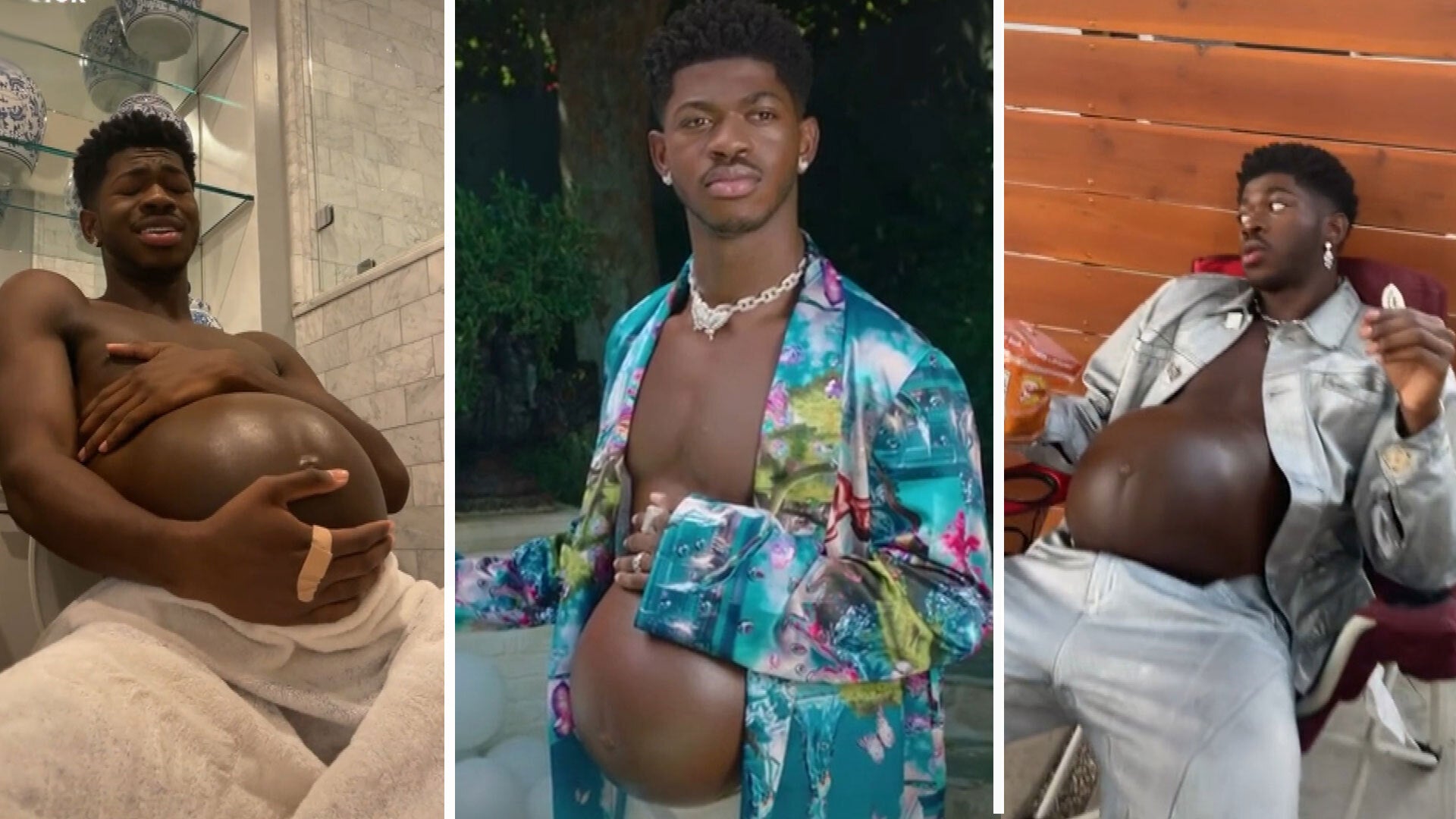
In September 2021, Lil Nas X appeared in a stylized “pregnancy” photoshoot for People magazine, complete with a prosthetic baby bump and a floral crown. This was the opening salvo of a multi-week brand narrative. By adopting the visual language of traditional celebrity pregnancy reveals, he co-opted an existing cultural ritual. This created an immediate “hook”—a curiosity gap that forced even those outside his core demographic to ask what was happening. The “labor” culminated in a comedic video where he was rushed to a hospital to “give birth” to a vinyl copy of the album. This dedication to the bit ensured that the product (the music) was inextricably linked to a memorable visual performance.
The Symbolism of the “Baby” in Creative Industries
From a brand strategy perspective, labeling an album as a “baby” serves a dual purpose. First, it emphasizes the vulnerability and personal nature of the work, signaling to the audience that this is “soul-searching” content rather than a commercial assembly-line product. Second, it creates a sense of stakes. You don’t ignore a baby; you check in on its progress. By framing the release as a delivery, Lil Nas X shifted the audience’s role from “consumers” to “witnesses” of a milestone event, significantly increasing the emotional investment of his followers.
Narrative Marketing and the Power of Shock Value
The Montero campaign succeeded because it understood the “Attention Economy.” In a world where consumers are bombarded with thousands of brand impressions daily, subtlety is often the enemy of growth.
Breaking Through the Digital Noise
The “baby” campaign was designed to be shared. In brand marketing, “shareability” is often prioritized over “likability.” By presenting himself as a pregnant man, Lil Nas X triggered a massive influx of user-generated content, memes, and polarized debates. Whether the reaction was one of support or outrage, the result was the same: the brand “Lil Nas X” was trending globally for weeks. This is a classic “disruptor” strategy—using a high-contrast visual or concept to stop the thumb-scroll and force engagement.
Emotional Resonance vs. Controversy
While the campaign was undeniably controversial, it was anchored in a deeper brand identity of LGBTQ+ empowerment and self-expression. Effective branding requires a “North Star.” For Lil Nas X, the “baby” represented his growth and his refusal to conform to the hyper-masculine expectations of the hip-hop industry. By leaning into the controversy, he didn’t just sell albums; he solidified his position as a cultural icon who stands for radical authenticity. This alignment between the marketing stunt and the artist’s core values prevented the campaign from feeling like a hollow gimmick.
Visual Identity and Multimodal Branding
A brand is only as strong as its consistency across different platforms. The “what happened to the baby” narrative was not confined to a single tweet; it was a multimodal experience that utilized every tool in the modern digital marketer’s kit.
Aesthetic Consistency Across Platforms
From TikTok snippets to high-production YouTube videos and Instagram stories, the “pregnancy” aesthetic remained consistent. The use of specific colors, themes of divinity and rebirth, and the recurring prosthetic bump created a unified visual language. In brand design, this is known as “Integrated Marketing Communications” (IMC). By ensuring that every touchpoint of the brand told the same story, Lil Nas X created an immersive world for his audience to inhabit during the lead-up to the album’s release.
The Role of Social Media Satire in Brand Building
Lil Nas X’s brand is unique because it incorporates “internet native” humor. He understands the mechanics of Twitter (X) and TikTok better than almost any other contemporary artist. He used the “baby” narrative to troll his critics, effectively turning their negativity into fuel for his brand. When conservative pundits expressed outrage at the pregnancy photos, he responded with satirical “baby registry” links that actually led to charitable organizations. This pivot—from “stunt” to “social good”—added a layer of sophistication to the brand, proving that the artist was in total control of the narrative.
Post-Release Longevity: What Happened After the “Birth”?
The true test of a brand campaign is what happens after the initial hype dies down. Once the “baby” (the album) was born, the strategy shifted from acquisition to retention.
Sustaining the Momentum of a Viral Moment
After the “delivery” video, the brand didn’t simply go quiet. Lil Nas X continued the narrative through “milestone” updates, treating the album’s chart performance as the baby’s growth markers. This kept the metaphor alive and allowed him to celebrate his commercial success without appearing boastful; he was simply a “proud parent.” This extended the lifecycle of the campaign far beyond the typical 48-hour viral window, keeping Montero in the conversation for months.
Conversion: Turning Spectators into Long-Term Fans
The ultimate goal of the “baby” campaign was conversion. While millions tuned in for the spectacle, the quality of the product—the music—had to sustain them. The campaign successfully funneled a massive amount of “cold traffic” (people who only knew him for “Old Town Road”) into “warm leads” (people who listened to the new album). The result was a critically acclaimed, platinum-certified record. What “happened” to the baby was that it became a cornerstone of his professional legacy, proving that he was not a one-hit wonder but a visionary brand architect.
Lessons for Modern Brand Strategists
The “Lil Nas X baby” phenomenon provides several actionable insights for businesses and personal brands looking to make an impact in a crowded marketplace.
Authenticity in the Age of Performance
One might argue that a fake pregnancy is the opposite of authenticity. However, in branding, authenticity is defined by the alignment of actions and values. Lil Nas X’s “baby” was a metaphorical truth—the album was a product of his labor and a representation of his identity. Brands should learn that “playing a character” or “using a metaphor” can often reveal deeper truths than a standard corporate message. The key is to ensure the performance reflects the brand’s core mission.
Navigating Backlash While Protecting Brand Equity
Many brands are terrified of controversy, fearing it will alienate potential customers. Lil Nas X’s strategy suggests the opposite: a polarizing campaign can actually strengthen brand equity by clearly defining who the brand is for and who it is not for. By leaning into the “baby” narrative despite the backlash, he built a fiercely loyal community of fans who felt seen and defended by his actions. This “tribal” branding is far more valuable in the long run than a generic, middle-of-the-road appeal.
The Importance of Narrative Closure
Every good brand story needs a beginning, middle, and end. If Lil Nas X had just posted one photo and then dropped the album, the impact would have been minimal. By building a narrative arc—announcement, gestation, labor, and delivery—he provided a sense of closure that satisfied the audience. When the “baby” was finally “born,” the audience felt a sense of relief and accomplishment alongside the artist. This psychological “loop-closing” is a powerful tool for driving engagement and ensuring that a brand message sticks.
In conclusion, what happened to Lil Nas X’s baby is that it grew into a definitive example of how to execute a disruptive brand strategy. It wasn’t just about a prosthetic bump or a funny video; it was about the meticulous construction of a narrative that demanded attention, sparked conversation, and ultimately delivered a high-quality product to a captivated global audience. In the history of personal branding, the “birth” of Montero will be remembered as the moment the music industry was forced to recognize the power of the artist as a Chief Marketing Officer.
aViewFromTheCave is a participant in the Amazon Services LLC Associates Program, an affiliate advertising program designed to provide a means for sites to earn advertising fees by advertising and linking to Amazon.com. Amazon, the Amazon logo, AmazonSupply, and the AmazonSupply logo are trademarks of Amazon.com, Inc. or its affiliates. As an Amazon Associate we earn affiliate commissions from qualifying purchases.