
From Street Rapper to Industry Mogul: The Evolution of a Personal Brand
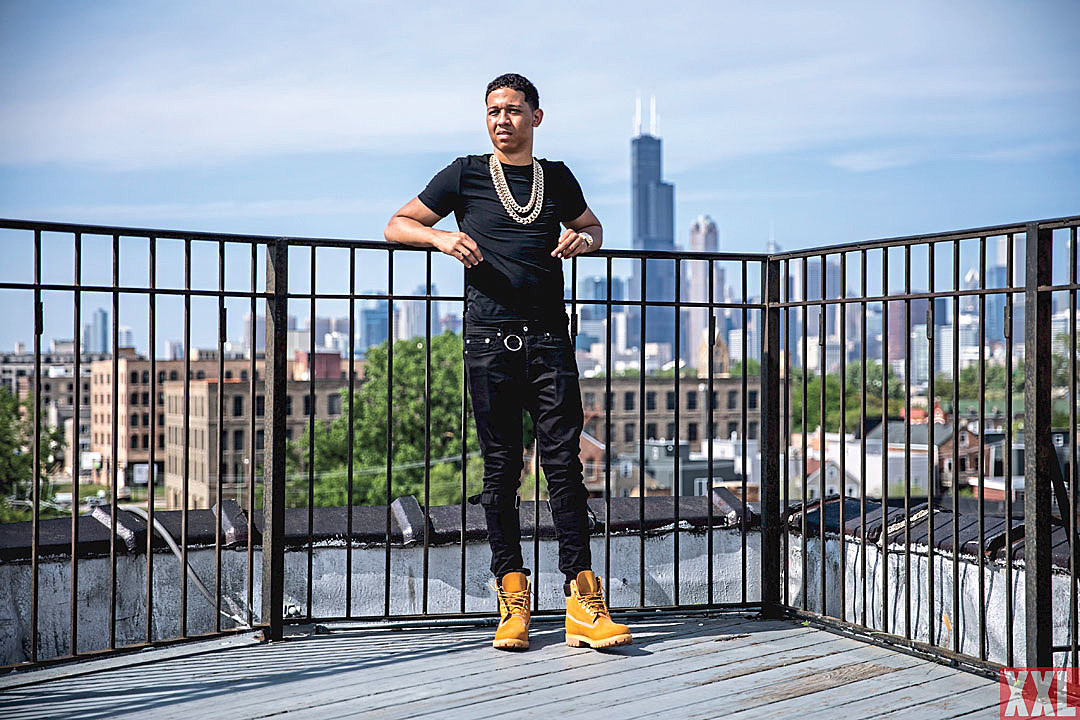
The question “what happened to Lil Bibby” frequently surfaces among fans who remember his ascendance as a formidable voice in drill music. The answer lies not in a disappearance, but in a profound and calculated evolution of his personal brand from a prominent recording artist to a powerful, behind-the-scenes music executive. This strategic pivot exemplifies a masterful understanding of brand adaptability and market repositioning within the dynamic entertainment industry. His journey from the raw, gritty streets of Chicago to the executive suites of the music world offers a compelling case study in personal branding, demonstrating how authenticity, foresight, and strategic shifts can transform a performer into a power player.

The Raw Authenticity of Lil Bibby’s Early Brand
Lil Bibby, born Brandon Dickinson, first captured public attention with his distinct baritone, intricate lyricism, and unvarnished storytelling. His early mixtapes, particularly “Free Crack” (2013) and “Free Crack 2” (2014), solidified his brand as an authentic voice of Chicago’s drill scene. This brand was built on credibility derived from lived experiences, which resonated deeply with a specific demographic. His image was one of unflinching honesty, reflecting the realities he depicted in his music. He eschewed flashy theatrics, opting instead for a grounded, relatable persona that earned him respect from both critics and a fiercely loyal fanbase. This authenticity was not merely a stylistic choice; it was the cornerstone of his early personal brand, distinguishing him in a crowded musical landscape. He meticulously cultivated a brand identity that was synonymous with resilience, truth, and a commanding presence, laying the groundwork for future ventures by establishing a strong, recognizable foundation.
Navigating the Transition: Artist to Executive
The shift from being the face of a brand to being the architect behind others’ brands is a complex undertaking, demanding a significant re-evaluation of public perception and internal strategy. For Lil Bibby, this transition was gradual but deliberate. While continuing to release music, he began exploring the business side of the industry, subtly preparing for his next act. This move wasn’t a sudden departure but a carefully planned metamorphosis, recognizing the finite nature of a performance career and the enduring power of intellectual property and talent development. He understood that his established credibility as an artist could be leveraged to identify, nurture, and market new talent. This strategic repositioning involved a conscious effort to step back from the spotlight, allowing his executive prowess to emerge. It required shifting from self-promotion to promoting a vision, a label, and other artists, fundamentally altering his personal branding narrative from “rapper” to “visionary entrepreneur.”
Grade A Productions: Building a Label Brand on Vision and Talent
The most tangible manifestation of Lil Bibby’s brand evolution is the establishment and subsequent success of Grade A Productions. Co-founded with his brother, George “G-Money” Dickinson, the label didn’t just emerge; it was forged with a clear mission: to discover and elevate artists who possessed genuine talent and a unique voice, much like Bibby himself had. The Grade A brand quickly became synonymous with quality, authenticity, and a keen eye for raw, untapped potential, distinguishing itself in a highly competitive market saturated with established labels.
Identifying and Cultivating New Talent (Juice WRLD’s Impact)
The cornerstone of Grade A Productions’ brand identity is its unparalleled success in identifying and cultivating groundbreaking talent. The most prominent example, and arguably the catalyst for the label’s meteoric rise, was the signing of Juice WRLD. Bibby’s ability to recognize Juice WRLD’s distinct sound—a melodic fusion of emo, rock, and hip-hop—when many others had overlooked it, cemented Grade A’s reputation as a tastemaker and a nurturing environment for unconventional artists. This wasn’t merely a stroke of luck; it was a result of Bibby applying his deep understanding of artist development and market appeal, honed during his own career. The label’s strategy involved not just signing artists, but actively developing their sound, managing their brand image, and strategically positioning them for success. Juice WRLD’s unprecedented global impact, both during his lifetime and posthumously, became the ultimate testament to Grade A Productions’ brand promise: transforming raw talent into global phenomena. This success significantly amplified Grade A’s corporate identity, signaling to the industry and aspiring artists alike that it was a place where artistic visions could truly flourish.
The Strategic Underpinnings of a Successful Music Label
Building a successful music label is far more complex than simply signing talented artists; it requires a robust brand strategy, astute business acumen, and a deep understanding of market dynamics. Grade A Productions’ success under Bibby’s leadership can be attributed to several strategic pillars that define its brand:
- Artist-Centric Approach: The label positions itself as a partner to artists, fostering creativity and providing comprehensive support, from production to marketing. This builds trust and attracts high-caliber talent.
- Market Niche Identification: Grade A recognized a gap in the market for artists who blended genres and spoke to a younger, digitally native audience, and it strategically filled that void.
- Digital-First Marketing: Leveraging platforms like SoundCloud, YouTube, and later TikTok, Grade A understood the power of digital virality and direct-to-fan engagement in a way that many legacy labels struggled with. Their marketing efforts focused on organic growth and authentic connections.
- Long-Term Vision: Bibby and his team demonstrated a commitment to building sustainable careers for their artists, rather than chasing fleeting trends. This long-term perspective contributes to the label’s stability and reputable corporate identity.
These strategic decisions solidified Grade A Productions as a formidable brand, not just as a vehicle for Lil Bibby’s continued influence, but as an independent powerhouse capable of shaping the sound of a generation.
The Art of Reinvention: Leveraging Past Credibility for Future Ventures
Lil Bibby’s journey is a masterclass in brand reinvention, showcasing how one can transition from a front-facing public figure to an influential, behind-the-scenes power broker while maintaining and even enhancing one’s credibility. His ability to leverage his past identity as a respected artist has been instrumental in carving out his new niche as a successful music executive. This strategic recalibration involved a delicate balance of maintaining a connection to his roots while projecting a new, professional image.
The Silent Force: Shifting from Frontman to Behind-the-Scenes Influence
The pivot from rapper to executive required Lil Bibby to consciously shift his personal brand from being the central focus to becoming a silent, yet powerful, force in the industry. This isn’t about disappearing; it’s about altering the nature of one’s presence. Instead of commanding the stage, he began to command boardrooms and studio sessions, guiding the careers of others. His influence transformed from lyrical prowess to strategic acumen. The “what happened to Lil Bibby” question itself indicates a successful reorientation of his public persona. He is no longer primarily marketed as an artist, but his name holds weight and respect due to his past accomplishments. This respect, or brand equity, built during his rapping career, became a valuable currency in his executive role, opening doors and attracting talent. He implicitly communicated that his understanding of the artist’s journey was authentic and empathetic, qualities that resonate deeply with emerging musicians seeking guidance in a complex industry. His reputation became his most potent marketing tool.
Maintaining Relevance and Reputation in a Dynamic Industry
In an industry perpetually in flux, maintaining relevance and a sterling reputation is paramount for sustained brand success. Lil Bibby has achieved this by consistently demonstrating a commitment to quality and a keen understanding of market trends. His brand’s relevance is no longer tied to hit singles, but to the hit singles and successful careers he facilitates for others. The Grade A Productions brand, as an extension of his vision, has become a benchmark for identifying and nurturing talent. Furthermore, Bibby actively engages with the industry, albeit in a different capacity, attending events, fostering relationships, and staying abreast of technological and cultural shifts. This active, yet often understated, presence ensures his brand remains current and influential. His reputation as a shrewd businessman with an artist’s heart reinforces Grade A’s brand narrative, positioning it as a trusted entity that truly understands and respects the creative process, thereby solidifying its corporate identity and market standing.
Marketing a New Era: Promoting a Vision, Not Just a Sound
Lil Bibby’s transformation underscores a critical aspect of modern branding: the ability to market a broader vision rather than just a product. His current efforts are centered on promoting Grade A Productions as an ecosystem for artistic growth, a brand that represents opportunity and innovation in music. This requires a sophisticated marketing approach that transcends traditional artist promotion.
Digital Strategy and Fan Engagement in the Modern Music Landscape
In the digital age, effective marketing is intrinsically linked to robust digital strategy and authentic fan engagement. Grade A Productions, under Bibby’s guidance, has excelled in this arena. They leverage social media not just for announcements, but for storytelling, building narratives around their artists and the label’s ethos. They understand the power of virality on platforms like TikTok and how to cultivate a dedicated online community. This digital-first approach ensures that the Grade A brand remains accessible and relatable to a younger demographic, mirroring the direct connection Lil Bibby cultivated with his own fanbase during his rapping career. Their marketing campaigns often highlight the journey of their artists, creating compelling content that resonates emotionally and builds a strong, loyal following for both the individual artists and the Grade A brand as a whole. This engagement isn’t just about sales; it’s about building a collective identity and a shared passion, which is the hallmark of strong brand loyalty in the 21st century.

The Long-Term Brand Play: Legacy Building Beyond the Mic
Ultimately, “what happened to Lil Bibby” is the story of a successful long-term brand play: the conscious decision to build a legacy that extends far beyond his individual performance career. His focus is now on establishing Grade A Productions as an enduring institution, a brand that will continue to discover and shape music for generations to come. This legacy building is a testament to strategic foresight and a profound understanding of industry longevity. By shifting from being the entertainer to being the facilitator of entertainment, he has secured a more sustainable and impactful position within the music landscape. His brand now embodies mentorship, entrepreneurship, and artistic vision. It’s a powerful testament to the idea that a personal brand, when nurtured and strategically evolved, can transcend its original form, creating new avenues for influence and success, building a lasting impact that echoes far beyond the microphone.
aViewFromTheCave is a participant in the Amazon Services LLC Associates Program, an affiliate advertising program designed to provide a means for sites to earn advertising fees by advertising and linking to Amazon.com. Amazon, the Amazon logo, AmazonSupply, and the AmazonSupply logo are trademarks of Amazon.com, Inc. or its affiliates. As an Amazon Associate we earn affiliate commissions from qualifying purchases.