
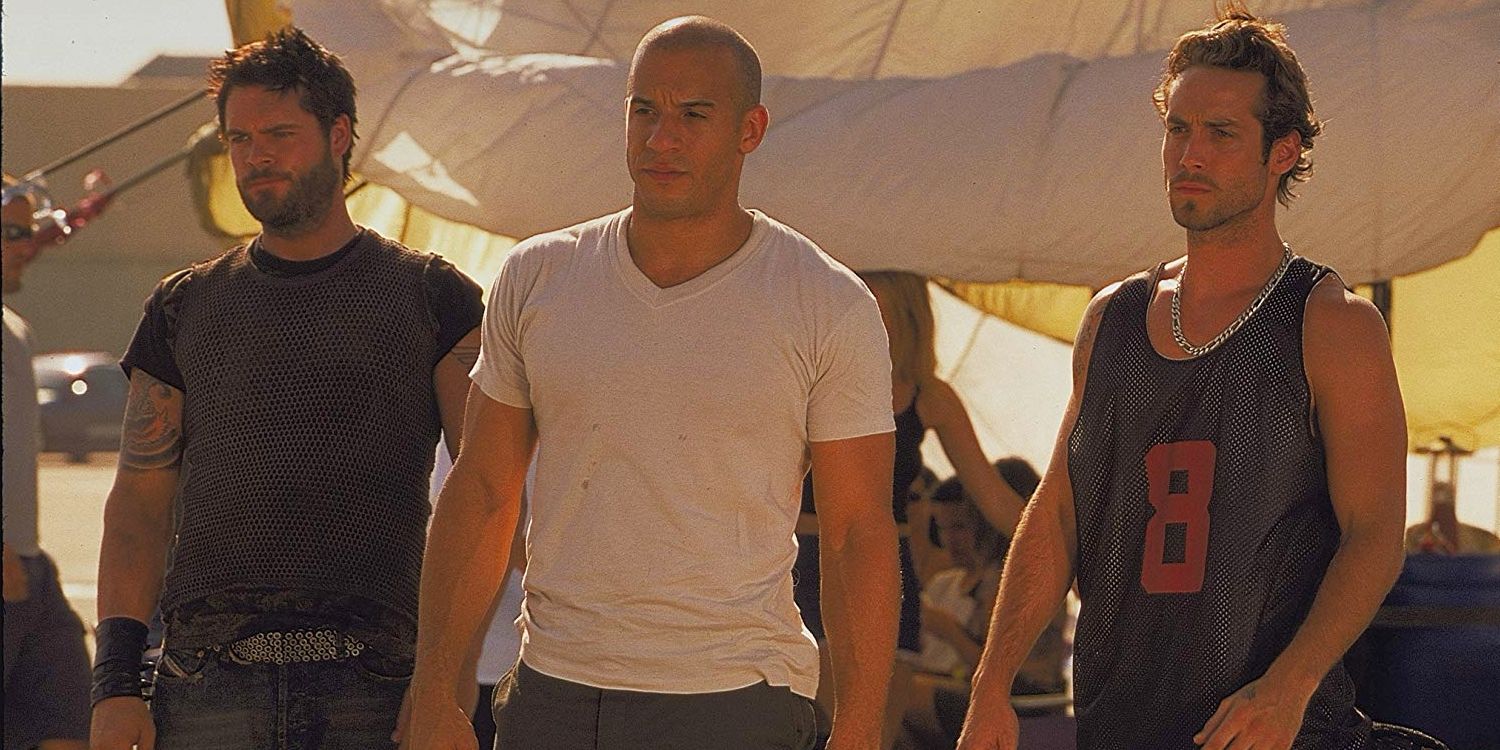
In the multi-billion-dollar machinery of the Fast and Furious franchise, “Family” is more than a recurring theme—it is the central pillar of the brand’s global identity. However, as the series evolved from a gritty, localized street-racing drama into a physics-defying global espionage juggernaut, certain elements of its foundation were discarded. The most glaring omission in this corporate evolution is the character of Leon, played by Johnny Strong.
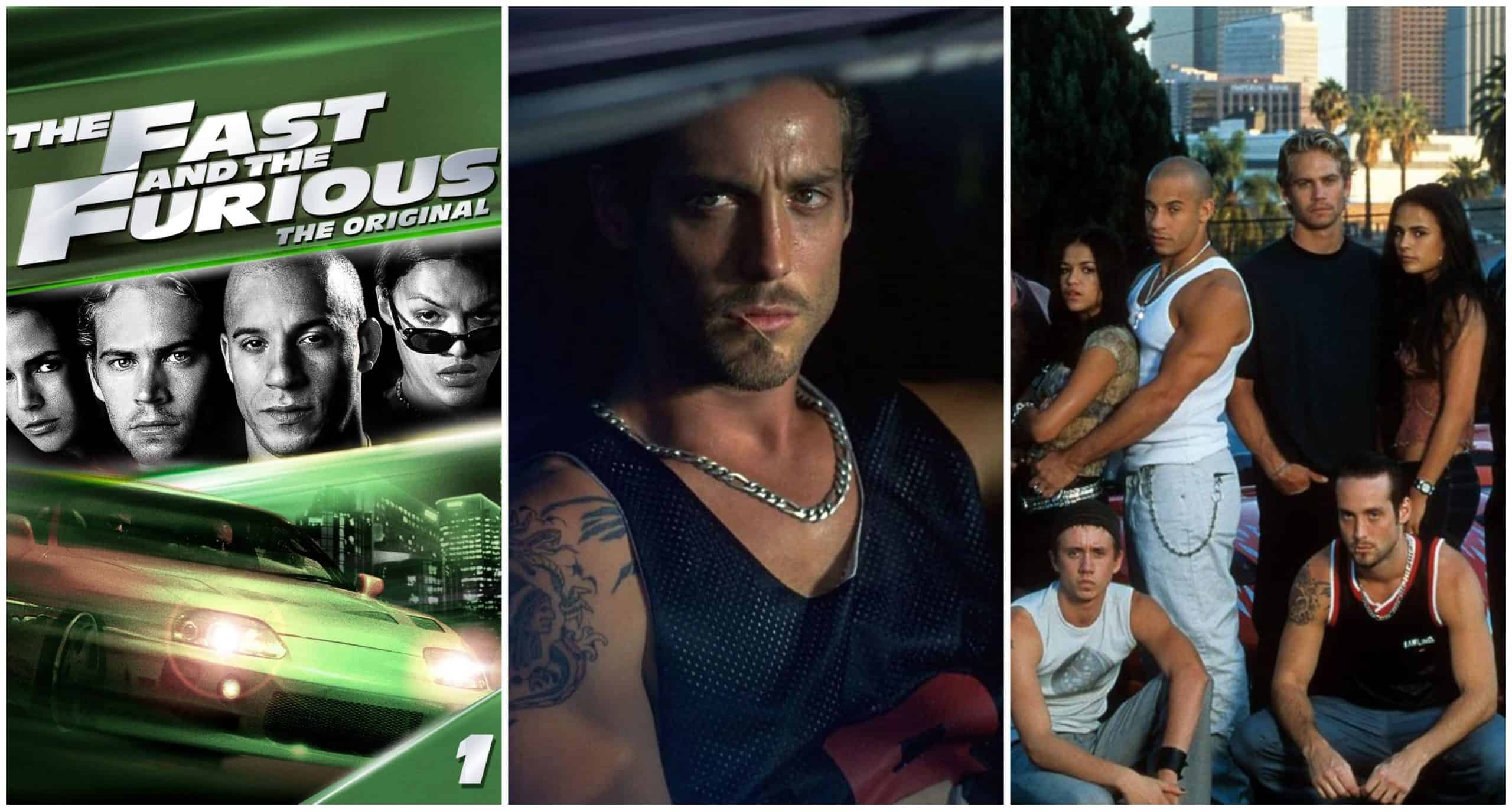
Leon served as the “lookout” for Dominic Toretto’s original crew in the 2001 film. Unlike Vince, Letty, or Jesse, Leon simply vanished after the first installment, never to be mentioned again in the ensuing ten films. From a brand strategy perspective, the disappearance of Leon offers a profound look into how intellectual properties (IP) manage their legacy, how personal branding influences career trajectories, and how the “mystery” of a forgotten asset can actually increase its long-term market value.
The Ghost in the Machine: Leon and the Architecture of the Fast Brand
To understand why Leon was left behind, one must first analyze the branding shift of the Fast and Furious franchise itself. In 2001, the brand was built on “street credibility.” It was an urban subculture exploration. Leon’s character design—quiet, observant, and visually aligned with the punk-rock/skater aesthetic of the early 2000s—fit perfectly into that niche.
Establishing the Original Identity
Leon represented the “authentic” wing of the Toretto crew. He wasn’t there for the drama; he was there for the operation. In branding terms, he was a functional asset rather than a narrative one. While the franchise eventually leaned into high-stakes melodrama and soap-opera-style character resurrections (such as Han and Letty), Leon remained rooted in the realism of the first film. When the franchise underwent a massive brand pivot starting with Fast Five, transitioning from “racing” to “heist,” the utility of a localized street lookout became obsolete.
Why Some Characters Fade While Others Scale
Brand scalability requires characters to have “hooks” that can evolve. Dominic Toretto evolved into a superhero figure; Brian O’Conner became the moral compass. Leon, as established in the original script, lacked a specific emotional hook or a “superpower” that could be exaggerated for global audiences. In the cold calculus of franchise branding, if a character does not contribute to the expansion of the IP’s scale or provide a direct emotional catalyst for the protagonist, they are often excised to make room for more marketable “star power” like Dwayne Johnson or Jason Statham.
The Johnny Strong Brand: Choosing Artistic Integrity Over Corporate Expansion
The story of Leon cannot be told without examining the personal branding of the man who played him: Johnny Strong. In an industry where most actors would give anything to be part of a billion-dollar recurring revenue stream, Strong’s trajectory is a fascinating case study in niche brand positioning and the prioritization of creative autonomy over mass-market visibility.
The Pivot to Niche Markets
Following The Fast and the Furious and his role in Black Hawk Down, Johnny Strong did not pursue the traditional Hollywood “A-list” path. Instead, he cultivated a brand built on authenticity, tactical expertise, and multi-disciplinary artistry. Strong is not just an actor; he is a professional martial artist, a knife maker, and a musician. By leaning into these specialized niches, he built a “hard-core” personal brand that resonates deeply with a specific demographic—tactical enthusiasts and fans of gritty, independent cinema.

Personal Branding vs. IP Attachment
For many actors, their personal brand becomes inseparable from a major franchise (e.g., Mark Hamill and Star Wars). Strong, however, successfully decoupled his identity from the Fast brand. By starring in independent action films like Sinners and Saints, The Daylight’s End, and Warhorse One, he established a brand identity defined by “competence porn”—the portrayal of highly skilled, stoic professionals. This pivot allowed him to maintain a loyal following without being beholden to the creative whims of a major studio’s tentpole franchise. In his own words in various interviews, Strong has indicated a preference for projects where he has creative control, something that is impossible within the rigid brand guidelines of a Universal Pictures blockbuster.
Strategic Absence: How “The Forgotten Member” Became a Marketing Asset
In a world of constant digital connectivity and cinematic universes that explain every minute detail, mystery has become a rare and valuable commodity. The fact that the Fast franchise never officially addressed Leon’s whereabouts created a “vacuum of information” that fans have filled with their own narratives for over two decades.
The Power of the Fan-Driven Narrative
From a marketing perspective, Leon has become the franchise’s “urban legend.” Online forums, YouTube theorists, and social media commentators frequently revisit the “What happened to Leon?” question. This organic engagement is arguably more valuable to the character’s legacy than a mediocre cameo would have been. Leon has gained a “cult brand” status because he remains untainted by the increasingly absurd plotlines of the later films. He exists in a state of perpetual 2001 “cool,” preserved in the amber of the original film’s aesthetic.
Scarcity as a Brand Value
The Fast franchise has a habit of over-saturating its brand. By bringing back every dead or forgotten character, the emotional stakes of the “Family” brand have arguably been diluted. Leon represents the “one that got away.” In branding, scarcity creates desire. Because fans cannot have Leon back, they want him more. If the studio were to bring him back now, the reality would likely fail to live up to twenty years of fan speculation. His absence serves as a bridge to the franchise’s humble beginnings, a reminder of a time when the stakes were just a few DVD players and a quarter-mile race.
Lessons for Modern Brand Management: When to Walk Away from a Multibillion-Dollar IP
The “Leon phenomenon” provides several key takeaways for brand managers and professionals looking to navigate high-stakes corporate environments. It highlights the tension between being a “part of something big” and “owning something small.”
Balancing Longevity and Overexposure
Johnny Strong’s career illustrates that you don’t need to be part of a top-tier global brand to have a successful, sustainable career. By diversifying his “brand portfolio” into music, weapon smithing, and niche acting, he protected himself from the volatility of the film industry. For professionals, this is a lesson in “brand diversification.” Relying on a single major employer or project for your identity can be risky. Building a multi-faceted personal brand ensures that if you are “written out” of one narrative, your value remains intact elsewhere.
The Legacy of the “One-Off” Icon
Not every brand needs to be a “forever brand.” Some of the most impactful brand experiences are those that are short-lived but perfectly executed. Leon was a perfect character for the 2001 street-racing landscape. His departure, whether intentional or accidental, prevented the character from being “Fonzied”—the point at which a character outlives their usefulness and becomes a caricature of themselves.
In the final analysis, what happened to Leon is that he became a casualty of a brand’s growth strategy. As the Fast and Furious brand expanded its “Total Addressable Market” (TAM) to include families, international audiences, and fans of superhero-style action, the “Leon” asset no longer provided a sufficient Return on Investment (ROI). However, through the lens of personal branding, Johnny Strong’s exit from the franchise stands as a rare example of an actor maintaining their brand integrity by walking away from the noise, proving that sometimes, the most powerful move a brand can make is to simply disappear.
aViewFromTheCave is a participant in the Amazon Services LLC Associates Program, an affiliate advertising program designed to provide a means for sites to earn advertising fees by advertising and linking to Amazon.com. Amazon, the Amazon logo, AmazonSupply, and the AmazonSupply logo are trademarks of Amazon.com, Inc. or its affiliates. As an Amazon Associate we earn affiliate commissions from qualifying purchases.