
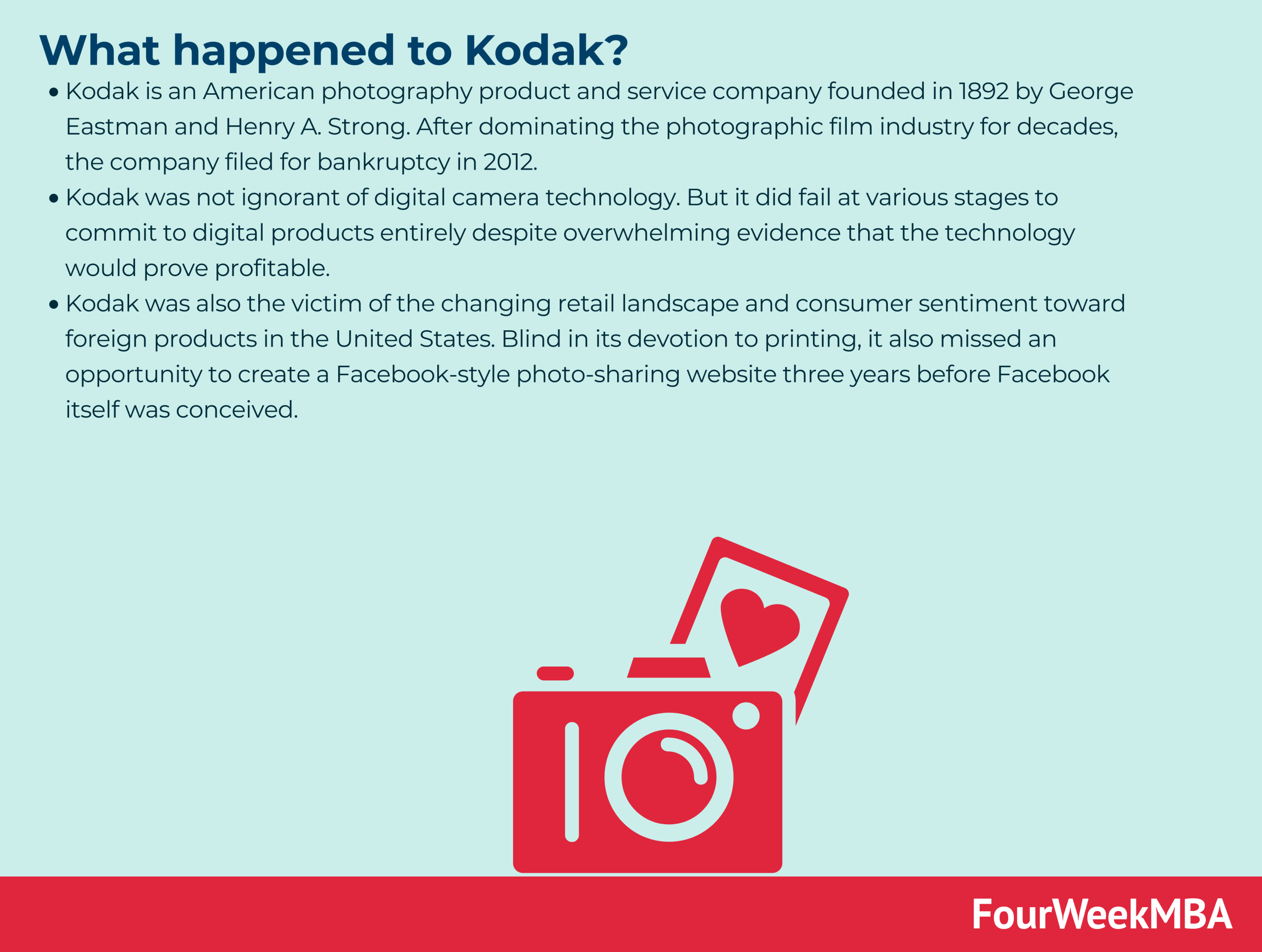
Kodak, once a ubiquitous name synonymous with photography, experienced a dramatic and often painful transformation in the late 20th and early 21st centuries. Its story is a classic case study in the challenges of technological disruption and the critical importance of adapting a brand’s core identity to evolving market realities. While the company hasn’t entirely disappeared, its journey from a near-monopoly in film photography to a significantly diminished presence in the digital age is a compelling narrative of missed opportunities, strategic missteps, and a desperate struggle for relevance. This article will delve into the core reasons behind Kodak’s decline, focusing specifically on its brand evolution and strategic miscalculations in the face of seismic technological shifts.
The Golden Age of Film: A Brand Built on Memories
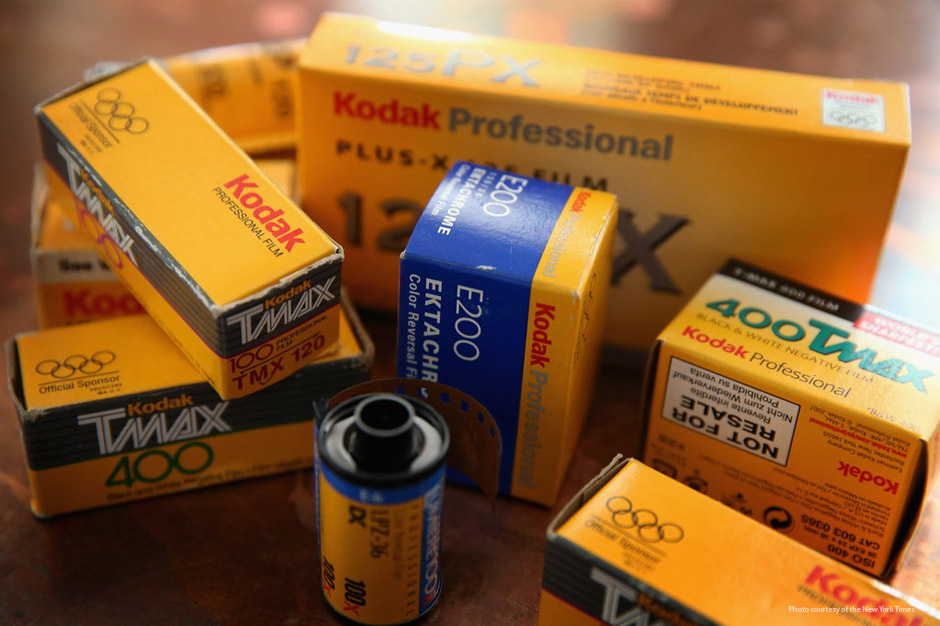
For decades, Kodak was not just a company; it was an emotional anchor for countless families. Its brand was intrinsically linked to capturing life’s most precious moments, from childhood birthdays and graduations to exotic vacations and everyday snapshots. This deeply ingrained emotional connection formed the bedrock of its immense success.
The Power of a Single Brand Promise: “You Press the Button, We Do the Rest.”
This iconic slogan, introduced in the late 19th century, perfectly encapsulated Kodak’s brand promise. It spoke to simplicity, reliability, and the democratization of photography. Before Kodak, photography was a complex, often cumbersome process. The company’s innovation, particularly with the Kodak Brownie camera, made capturing images accessible to the masses. This not only created a vast market but also solidified Kodak’s brand as the guardian of memories. Every roll of film purchased, every print developed, reinforced this association.
Market Dominance and the Halo Effect
At its zenith, Kodak held an overwhelming market share in film and photographic paper. This dominance fostered a powerful halo effect. Consumers instinctively reached for Kodak products because they were perceived as the best, the most trusted, and the most readily available. The brand’s ubiquity in drugstores, department stores, and camera shops created a self-perpetuating cycle of recognition and preference. Competitors struggled to gain a foothold, and for many years, the question wasn’t if you’d use Kodak, but which Kodak camera or film you’d choose.
The Brand’s Financial Engine: The “Razor and Blades” Model
Kodak’s business model, often referred to as “razor and blades,” was highly effective. The initial sale of cameras (the razor) generated recurring revenue from the sale of film and processing services (the blades). This consistent, high-margin revenue stream fueled extensive research and development, further solidifying its technological leadership and brand appeal. The brand’s strength was so profound that consumers rarely questioned the cost of film; it was simply the price of preserving memories. This financial strength, however, would later prove to be a double-edged sword, creating inertia and a resistance to fundamental change.
The Dawn of Digital: A Paradigm Shift Ignored
The most significant factor in Kodak’s decline was its failure to fully embrace and lead the digital photography revolution, a revolution it, ironically, helped to spark. While Kodak invented the first digital camera, its leadership ultimately chose to protect its lucrative film business, a decision that proved catastrophic.
The Invention and Underestimation of Digital Photography
In 1975, Kodak engineer Steven Sasson invented the world’s first digital camera. It was a bulky, low-resolution device, but it represented a fundamental shift in how images could be captured and stored. However, Kodak’s management viewed digital as a threat to their core film business. They feared that if digital photography became mainstream, it would erode their massive profits from film sales and processing. This fear led to a deliberate decision to slow down the development and adoption of digital technology, a decision that would haunt the company for decades.

The “Kodak Moment” in Reverse: Cannibalizing the Core
The irony of Kodak’s situation is that their own innovations in digital technology were eventually adopted by competitors who were unburdened by Kodak’s legacy film business. Companies like Canon, Nikon, Sony, and others aggressively pursued digital camera development and marketing. They saw digital not as a threat, but as the future. As digital cameras improved in quality and affordability, consumers began to embrace them, gradually abandoning film. This led to a slow but steady erosion of Kodak’s market share, a process that felt like a betrayal of the very “Kodak Moment” they had so successfully cultivated.
The Digital Divide: A Failure in Brand Repositioning
Kodak’s brand, deeply entrenched in the tactile experience of film and physical prints, struggled to transition into the intangible, ephemeral world of digital images. While they did eventually launch digital cameras and photo-sharing services, these efforts felt piecemeal and lacked the cohesive vision that had defined their film empire. The brand failed to articulate a compelling new promise for the digital age. What did it mean to capture a “Kodak Moment” on a memory card? The emotional resonance of film was difficult to replicate in the digital realm, and Kodak never quite found the right language or experience to bridge that gap effectively.
The Struggle for Relevance: A Brand in Search of a New Identity
In the wake of its film business decline, Kodak embarked on a series of strategic shifts, attempting to leverage its brand equity and technological expertise in new areas. These efforts, while sometimes innovative, often failed to achieve the scale or market impact needed to restore the company to its former glory.
Diversification and the Loss of Focus
Kodak’s attempts at diversification were broad and often unfocused. They ventured into areas like digital printing, commercial printing solutions, and even pharmaceuticals. While some of these ventures showed promise, they diluted the brand’s core identity and stretched its resources thin. The brand, once laser-focused on capturing and preserving memories, became associated with a disparate range of products and services, none of which managed to capture the public’s imagination in the way film once had. The brand lost its clear signal, becoming a jumble of initiatives rather than a cohesive narrative.
The Perils of Legacy Thinking: A Cultural Inertia
A significant impediment to Kodak’s reinvention was its deeply ingrained corporate culture, which was built around the success of film. This created a form of “legacy thinking” where decisions were often made through the lens of protecting the existing business rather than embracing transformative change. There was a reluctance to fully commit to digital, a hesitant step rather than a leap of faith. This cultural inertia, born from decades of unprecedented success, proved to be a formidable barrier to adaptation. The brand’s identity was so tied to its past that it struggled to envision a future where that past was no longer dominant.
The Bankruptcy and Reorganization: A Brand Reborn, But Scarred
In 2012, Eastman Kodak filed for Chapter 11 bankruptcy. This was a pivotal moment, forcing the company to shed assets, restructure its debt, and fundamentally reimagine its future. Following its reorganization, Kodak emerged as a smaller, more focused entity. While the company continues to exist today, its brand recognition and market presence are a pale shadow of its former self. It now primarily focuses on commercial printing, packaging, and advanced materials, areas where it can leverage its technological expertise. However, the emotional resonance of the “Kodak Moment” has largely faded, replaced by the more pragmatic association with industrial solutions. The brand, once a symbol of personal memory-making, is now primarily known for its B2B offerings, a stark reminder of its dramatic fall from grace.
Conclusion: A Cautionary Tale of Brand Adaptation
The story of Kodak is a profound and enduring cautionary tale for any brand operating in a rapidly evolving technological landscape. Its downfall wasn’t due to a lack of innovation – indeed, they were pioneers in digital technology. Instead, it stemmed from a failure of vision, a fear of disrupting its own highly profitable legacy, and an inability to effectively reposition its brand for the future. The core lesson is that even the most powerful brands must remain agile, willing to cannibalize their own successes if necessary, and consistently redefine their core promise to remain relevant. Kodak’s journey underscores that a brand’s true strength lies not just in its past achievements, but in its capacity to adapt, reinvent itself, and continue to resonate with consumers in a constantly changing world. The legacy of the “Kodak Moment” remains, but as a poignant reminder of what happens when a brand fails to evolve with the times.
aViewFromTheCave is a participant in the Amazon Services LLC Associates Program, an affiliate advertising program designed to provide a means for sites to earn advertising fees by advertising and linking to Amazon.com. Amazon, the Amazon logo, AmazonSupply, and the AmazonSupply logo are trademarks of Amazon.com, Inc. or its affiliates. As an Amazon Associate we earn affiliate commissions from qualifying purchases.