
The music industry is a dynamic landscape, where the careers of artists and bands can ebb and flow with the tides of public opinion, evolving tastes, and the ever-present challenge of staying relevant. Kings of Leon, once a seemingly unstoppable force in the alternative rock scene, experienced a period where their trajectory shifted, prompting many to ask: “What happened to Kings of Leon?” While the question often implies a decline in popularity or creative output, a deeper analysis reveals a complex interplay of brand evolution, strategic decisions, and the inherent challenges of maintaining a distinct identity in a crowded market. This article will delve into the branding aspects of Kings of Leon’s career, examining how their initial rise, the impact of immense success, and their subsequent positioning have shaped their enduring, albeit altered, brand presence.

The Genesis of a Raw, Southern Rock Brand
Kings of Leon emerged from the American South with a sound that was both familiar and refreshingly gritty. Their early branding was intrinsically linked to their origins, their family ties (brothers Caleb, Nathan, and Jared Followill, alongside cousin Matthew Followill), and a palpable sense of authenticity. This raw, unpolished aesthetic was a key differentiator in a music scene that was increasingly leaning towards polished production and manufactured personas.
Cultivating an Authentic, Southern Identity
From their debut EP Holy Roller Novocaine in 2003, Kings of Leon established a sonic palette steeped in blues, country, and southern rock influences. This was not just a musical choice; it was a deliberate branding element. Their early music videos often depicted them in a more understated, almost documentary-style fashion, highlighting their natural swagger and the passion of their live performances. This resonated with an audience seeking something genuine, a departure from the more overtly commercial acts. The band members themselves, with their distinct personalities and familial dynamic, became central to their brand narrative. They were presented as relatable, almost outsider figures who had stumbled upon an extraordinary talent, rather than polished industry products.
The Power of “Unsigned” and Indie Credibility
In the early stages of their career, Kings of Leon benefited significantly from their association with the indie music scene. They built a loyal following through rigorous touring and positive word-of-mouth, fostering a sense of exclusivity and insider knowledge among their fans. This “indie cred” became a valuable asset, attracting attention from major labels while allowing them to maintain an image of artistic integrity. Their music was often described as “raw,” “explosive,” and “authentic,” adjectives that perfectly encapsulated their brand and appealed to a demographic that valued substance over superficiality. This initial branding laid a strong foundation, creating a passionate fanbase eager to follow their journey.
The Double-Edged Sword of Global Stardom
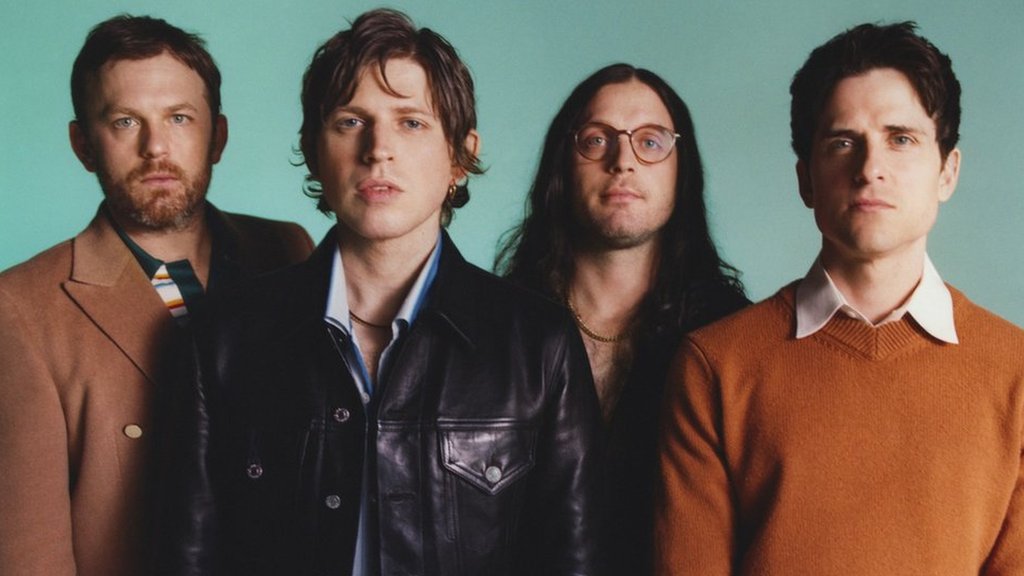
The release of Because of the Times in 2007 and, most notably, Only by the Night in 2008, propelled Kings of Leon from critically acclaimed indie darlings to global superstars. This seismic shift in their career brought unprecedented commercial success, but it also presented significant branding challenges. The very authenticity that had defined them was now being scrutinized under the intense spotlight of mainstream attention.
Navigating the Mainstream Machine: Success and Scrutiny
The massive success of singles like “Sex on Fire” and “Use Somebody” brought Kings of Leon to a level of global recognition few bands achieve. Their music was ubiquitous, from radio airwaves to stadium tours. However, this widespread exposure also meant their brand was being consumed by a much broader audience, many of whom might not have connected with their initial gritty, southern roots. The band found themselves navigating the complexities of the mainstream music machine, which often demands a certain level of accessibility and can lead to a dilution of an artist’s original identity. This transition, while financially beneficial, could alienate some of their early, more devoted fans who felt their beloved band was becoming something they no longer recognized.
The Perils of Overexposure and Fan Fatigue
With immense success comes the expectation of constant output and visibility. Kings of Leon, like many bands who experience rapid ascents, faced the risk of overexposure. Their tours became larger, their media appearances more frequent, and the pressure to replicate their previous successes intensified. This can lead to fan fatigue, where even loyal listeners might begin to feel a sense of weariness with an artist’s presence. Furthermore, the pressure to maintain their global appeal might have influenced their creative direction, leading to a more polished and less experimental sound on subsequent albums. This shift, perceived by some fans as a departure from their original essence, contributed to the ongoing discussion about their evolving brand and what might have “happened” to the band they once knew.
Rebranding and Re-engagement: Finding a New Equilibrium
The period following their peak commercial success was a crucial juncture for Kings of Leon’s brand. Instead of fading into obscurity or attempting to recapture their past glory, the band has demonstrated a capacity for adaptation and a subtle redefinition of their brand identity, focusing on longevity and continued artistic expression.
The Art of Creative Evolution and Diversification
Kings of Leon’s subsequent albums, while not always reaching the same commercial heights as Only by the Night, have showcased a willingness to experiment and evolve creatively. They have explored different sonic territories, pushing the boundaries of their established sound. This demonstrates a commitment to artistic growth rather than simply churning out formulaic hits. From a branding perspective, this evolution can be seen as a strategic move to remain relevant to a new generation of listeners while also retaining their core fanbase who appreciate their continued artistic exploration. Their willingness to deviate from expectations, even if met with mixed critical or commercial reception, is a testament to their desire to avoid creative stagnation.

Maintaining a Global Presence Without Constant Saturation
The band’s approach to touring and promotion has also shifted. While they still command large audiences and perform at major festivals, their presence might feel less overwhelming than during their peak popularity. This strategic recalibration allows them to maintain their global brand recognition and connection with fans without falling into the trap of overexposure. They have learned to balance their output with periods of relative quiet, allowing anticipation to build for their return. This controlled visibility is a sophisticated branding tactic, ensuring their impact when they do emerge. Furthermore, their enduring familial dynamic and their continued commitment to their craft provide a stable, authentic core to their brand, even as their sound and market position evolve. The question of “what happened” to Kings of Leon is less about a disappearance and more about a natural maturation of a band’s brand within the ever-changing music industry. Their story is a compelling case study in how an artist can navigate the complexities of fame, adapt their identity, and forge a path towards a sustainable, long-term career by prioritizing both artistic integrity and strategic brand management.
aViewFromTheCave is a participant in the Amazon Services LLC Associates Program, an affiliate advertising program designed to provide a means for sites to earn advertising fees by advertising and linking to Amazon.com. Amazon, the Amazon logo, AmazonSupply, and the AmazonSupply logo are trademarks of Amazon.com, Inc. or its affiliates. As an Amazon Associate we earn affiliate commissions from qualifying purchases.