
In the fast-paced world of mobile application development, few titles have managed to achieve the cultural saturation and longevity of Kim Kardashian: Hollywood. Launched in June 2014 by Glu Mobile, the game didn’t just serve as a digital extension of a reality star’s brand; it redefined the technical and commercial landscape of the “freemium” mobile gaming model. However, in early 2024, the digital sun finally set on this mobile powerhouse. The removal of the app from major storefronts and the subsequent shuttering of its servers marked the end of a decade-long experiment in celebrity-driven software. Understanding what happened to the game requires a deep dive into the lifecycle of live-service applications, the technical burdens of legacy software, and the shifting priorities of the giants in the gaming industry.
The Lifecycle of a Mobile Powerhouse: From Launch to Shutdown
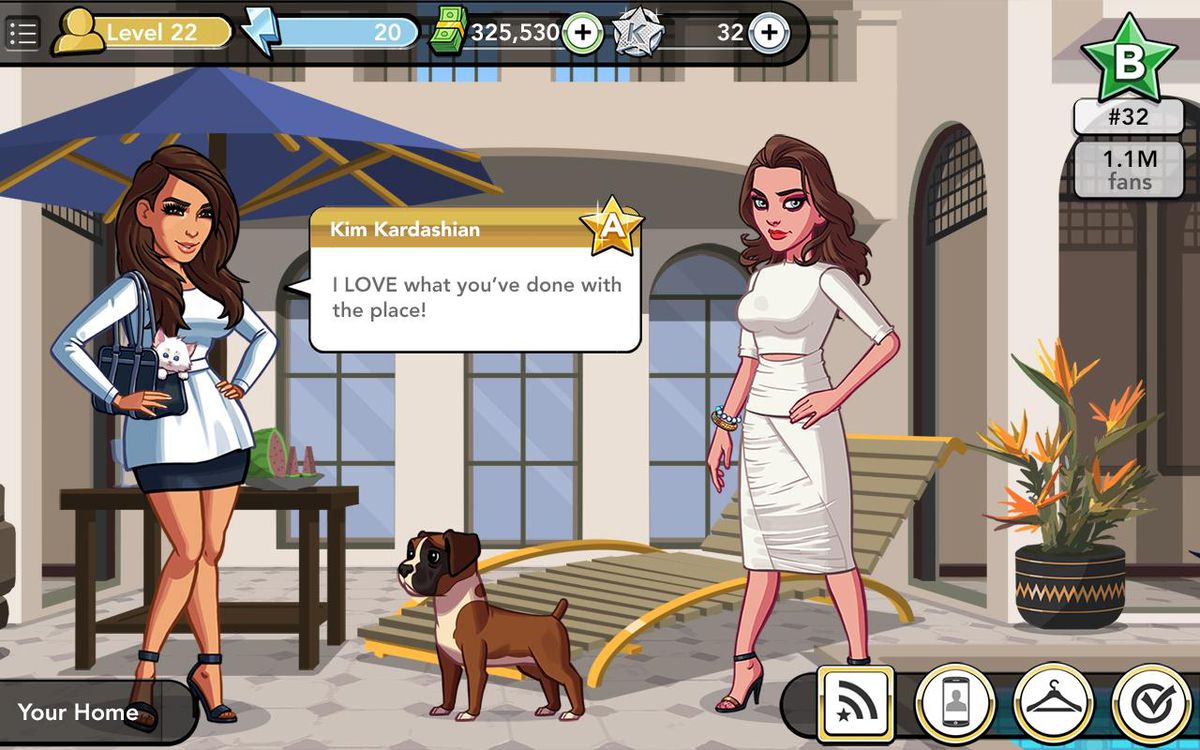
When Kim Kardashian: Hollywood first hit the App Store and Google Play, it was a technical anomaly. While most celebrity-endorsed apps at the time were simple soundboards or low-budget promotional tools, Glu Mobile developed a sophisticated role-playing game (RPG) built on a robust content delivery network. The game allowed users to navigate a stylized version of Hollywood, managing everything from red-carpet appearances to digital photoshoots.
The Rise of the Celebrity Sim
The success of the app was rooted in its frequent update cycle. From a technical standpoint, the developers utilized a modular content system that allowed them to inject new clothing items, storylines, and characters without requiring a full binary update of the app every week. This “live-ops” strategy was revolutionary in 2014, ensuring that the app remained relevant to the real-world events of Kim Kardashian’s life. If she wore a specific outfit to the Met Gala, the digital equivalent could be rendered and pushed to the app’s servers within days. This synergy between real-world data and virtual assets set a new benchmark for mobile engagement.
Maintaining a Live-Service Ecosystem
For ten years, the app functioned as a “live service,” a software category that requires constant server-side management. Unlike a standalone game that exists locally on a device, Kim Kardashian: Hollywood relied on a persistent connection to Glu Mobile’s servers to verify transactions, sync progress across devices, and deliver seasonal content. Maintaining this ecosystem for a decade is a significant technical feat. Most mobile games see their active user base dwindle within 18 to 24 months. To keep a title viable for ten years requires constant refactoring of code to ensure compatibility with evolving mobile operating systems and hardware architectures.
Why Mobile Games Eventually Go Dark: The Technical Reality
In January 2024, players were greeted with a bittersweet notification: the game was being delisted. By April 2024, the servers were officially turned off. To the casual observer, it might seem simple to keep an old app running, but the technical reality is far more complex and costly.
Server Maintenance and Operating Costs
Every live-service app incurs monthly “burn” in the form of server hosting fees. Kim Kardashian: Hollywood utilized cloud infrastructure to handle the data of millions of users. As the player base naturally declined over a decade, the revenue generated by in-app purchases eventually hit a point of diminishing returns. When the cost of server maintenance, security patches, and database management exceeds the monthly recurring revenue, developers are forced to make a “sunset” decision. For Glu Mobile (and its parent company, Electronic Arts), the infrastructure required to support a 2014-era codebase was likely becoming an inefficient use of resources.
Software Compatibility and OS Fragmentation
One of the greatest challenges in mobile tech is OS fragmentation. Each year, Apple and Google release new versions of iOS and Android. These updates often deprecate old APIs (Application Programming Interfaces) and introduce new security protocols. For an app built in 2014 to run on a 2024 iPhone 15 or Pixel 8, developers must constantly update the underlying engine.
Over time, this results in “technical debt.” The original code becomes a patchwork of fixes and workarounds. Eventually, the effort required to make the game compatible with the latest screen resolutions, processor architectures, and privacy permissions becomes greater than the cost of building a new app from scratch. By 2024, Kim Kardashian: Hollywood was a digital antique struggling to survive in a modern hardware environment.
The Evolution of Mobile App Monetization Post-Kardashian
The “Kardashian” game was a pioneer in what we now call the “Whale Economy” of mobile gaming. It utilized a dual-currency system: “Cash,” which could be earned through gameplay, and “K-Stars,” which were primarily purchased with real money. This monetization architecture was incredibly successful, generating over $200 million in its first two years alone.
The Freemium Model and Microtransactions
The game’s technical design focused heavily on “energy mechanics”—a common tactic in mobile software where actions are gated by a timer that can be bypassed with a microtransaction. While this is standard practice today, Kim Kardashian: Hollywood perfected the integration of social status with digital goods. The app’s backend was designed to track “fame points,” creating a competitive environment that encouraged spending. This model paved the way for the current landscape of mobile gaming, where the software is free to download but designed around a sophisticated internal economy.
User Retention vs. Technical Debt
As the gaming industry evolved, so did user expectations for graphics and performance. The 2D, puppet-style animation of the Kardashian game began to look dated compared to the 3D environments of modern titles like Genshin Impact or Roblox. From a product management perspective, there is a constant tension between retaining a loyal, aging user base and the technical debt involved in updating the graphics engine. Ultimately, the industry shifted toward high-fidelity, cross-platform experiences, leaving the simpler celebrity-sim genre behind.
The Acquisition of Glu Mobile and the Future of Celebrity Tech
The fate of Kim Kardashian: Hollywood was sealed not just by its age, but by a major shift in the corporate landscape. In 2021, Electronic Arts (EA) acquired Glu Mobile for $2.1 billion. This acquisition changed the technical roadmap for every title in the Glu portfolio.
The Acquisition of Glu Mobile by EA
When a massive entity like EA acquires a smaller studio, they perform a rigorous audit of the existing software library. Their goal is “live service at scale.” EA’s strategy focuses on franchises with massive, global growth potential, such as EA Sports FC or The Sims. While the Kardashian game was profitable, it didn’t fit into the long-term scalability requirements of a conglomerate like EA. The decision to sunset the game was likely a strategic move to reallocate the engineering and support talent to newer, more technologically advanced projects.
Lessons Learned for Future App Developers
The lifecycle of this game serves as a masterclass for app developers and tech entrepreneurs. It proved that:
- Content is King in Live Services: Regular, automated content updates are essential for longevity.
- Infrastructure Matters: Having a scalable server architecture can extend an app’s life by years.
- The Sunset is Inevitable: Every software product has a shelf life, and knowing when to decommission an app is as important as knowing when to launch it.
Developers now look at the “Kardashian model” when building social-media-integrated apps, but they do so with an eye toward the future of the “Metaverse” and 3D social spaces, rather than the static 2D environments of 2014.

Conclusion: The End of a Digital Era
The disappearance of Kim Kardashian: Hollywood from app stores represents more than just the end of a game; it signals the end of the first major era of celebrity-branded software. For ten years, the app survived hardware transitions, software updates, and shifts in mobile gaming trends. It proved that a mobile application could be a powerful extension of a personal brand, provided it was backed by solid software engineering and a relentless update cycle.
Today, the technical lessons learned from the game live on in the DNA of modern mobile RPGs and social simulators. While the servers may be dark and the “K-Stars” have lost their value, the impact of Kim Kardashian: Hollywood on the mobile app industry remains a permanent fixture in the history of digital entertainment. The sunsetting of the game was a necessary step in the evolution of mobile technology—clearing the way for the next generation of immersive, high-performance applications that will define the next decade of our digital lives.
aViewFromTheCave is a participant in the Amazon Services LLC Associates Program, an affiliate advertising program designed to provide a means for sites to earn advertising fees by advertising and linking to Amazon.com. Amazon, the Amazon logo, AmazonSupply, and the AmazonSupply logo are trademarks of Amazon.com, Inc. or its affiliates. As an Amazon Associate we earn affiliate commissions from qualifying purchases.