
The saga of Jimbo Fisher is a masterclass in the volatility of professional branding. In the modern era of high-stakes college athletics, a head coach is no longer merely a tactician; they are the face of a multimillion-dollar corporate entity. Fisher’s transition from a national champion at Florida State to a polarizing figure at Texas A&M serves as a quintessential case study in the perils of misaligned brand identity, the erosion of organizational authority, and the high cost of failing to adapt to a changing market.
The Architecture of a Personal Brand
Jimbo Fisher entered the national consciousness not just as a coach, but as a brand. When he succeeded Bobby Bowden at Florida State, he inherited a legacy. His early success—culminating in a 2013 National Championship—solidified his brand as an elite recruiter and a developer of NFL talent. At that stage, his personal branding strategy was built on the foundation of “The FSU Standard.”

The Authority of the Champion
A personal brand’s value is intrinsically linked to its perceived leverage. For years, Fisher operated with the aura of a winner. In the branding world, winners dictate terms. This leverage allowed him to demand top-tier facilities, lucrative contracts, and near-total control over his program. When an individual’s personal brand becomes synonymous with a specific institution’s identity, the stakes for both parties skyrocket.
The Risks of Over-Leveraging
The challenge arises when the brand outgrows the capacity for delivery. Fisher’s move to Texas A&M in 2017 was marketed as a branding coup. It was a fusion of two powerful corporate identities: an elite coach and an institution with seemingly bottomless financial resources. However, this shift highlighted a common branding pitfall: the assumption that a proven strategy in one environment will yield identical results in another. Fisher’s brand became defined by the massive, fully guaranteed contract he signed, which set a new, unsustainable precedent in collegiate sports. Once the focus shifted from his coaching acumen to the financial weight of his contract, the narrative control slipped from his hands.
The Erosion of Corporate Identity
In any high-profile organization, the alignment between the leader and the corporate culture is the bedrock of longevity. At Texas A&M, the branding mandate was clear: compete for championships immediately. Fisher was the hired gun tasked with executing this vision. Yet, as the years progressed, the dissonance between the “expectations of excellence” and the “reality of execution” grew.
Cultural Misalignment and Stakeholder Trust
A corporate identity is only as strong as its stakeholders’ belief in it. For a major university, the stakeholders include donors, alumni, and players. When Fisher’s teams began to underperform relative to their recruiting rankings, the “brand promise” was broken. In marketing terms, he was selling a premium product that failed to deliver consistent performance. This led to a collapse in internal confidence. When the narrative shifted from “Jimbo is building a dynasty” to “Jimbo is underperforming,” the brand damage became irreversible.
Internal Communication and Narrative Control
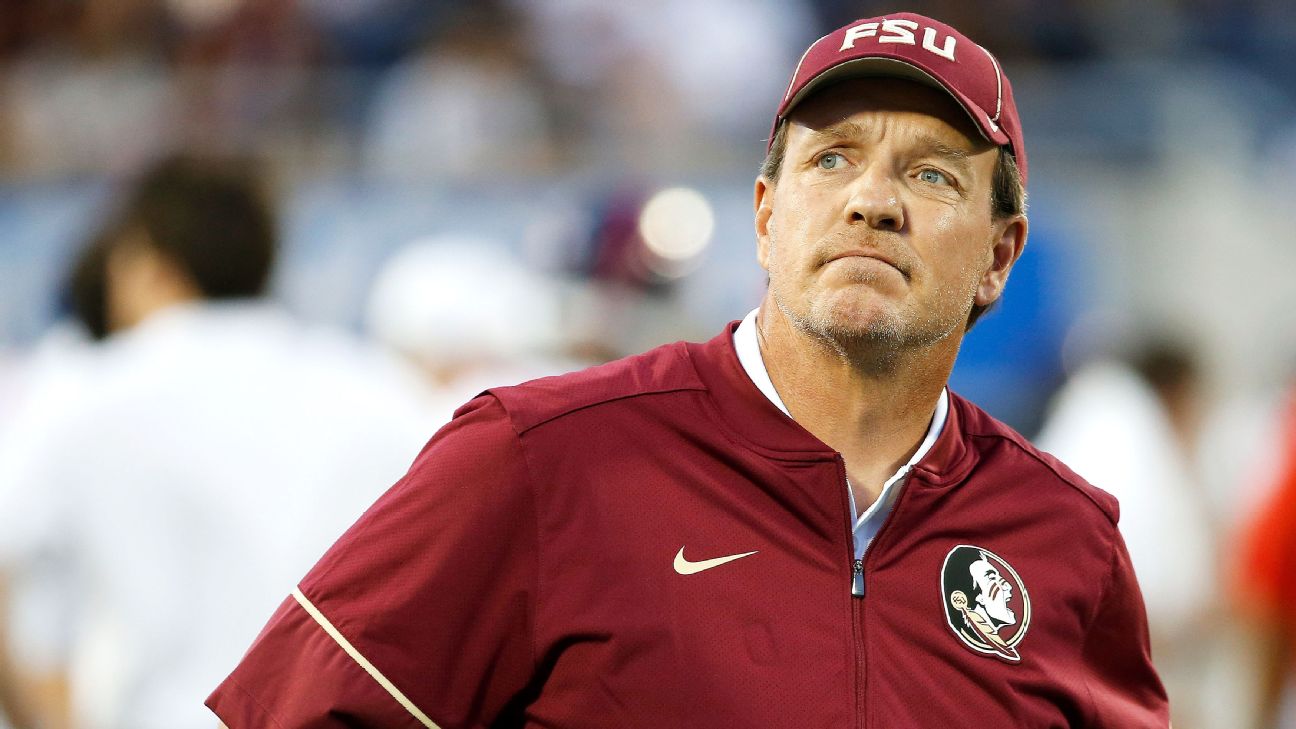
One of the most critical aspects of maintaining a corporate identity is the management of the public narrative. Fisher’s public-facing persona often became combative, creating a defensive posture that alienated the media and, by extension, the fan base. In the arena of public perception, defensiveness is rarely a winning strategy. By failing to pivot his communication style to meet the growing scrutiny, Fisher lost the ability to control the story. The narrative became one of stagnation, making him a liability to the very institution that had invested so heavily in his image.
Adapting to a Disruptive Market
The college football landscape underwent a massive disruption during Fisher’s tenure: the advent of Name, Image, and Likeness (NIL) deals and the proliferation of the transfer portal. These changes fundamentally altered the business model of college athletics, turning players into free agents and programs into franchises that needed to operate like startups.
The Failure to Pivot
Strategic agility is the hallmark of a successful leader. The most effective coaches in the modern era were those who embraced the complexities of NIL and modern recruiting dynamics. Fisher, however, appeared to view these changes as external threats to his traditional coaching philosophy rather than opportunities to refine his brand. When a leader refuses to adapt to a changing market, they don’t just fall behind; they become obsolete. His resistance to the new paradigm created a friction that stalled his program’s progress.
The Cost of Stagnation
In professional and collegiate spheres, stagnation is the silent killer of brands. The market—in this case, the fans and the university administration—eventually demands a refresh. The decision to terminate Fisher’s contract, despite the record-breaking buyout, was a business move. It was an admission that the current iteration of the Fisher brand no longer served the university’s long-term objectives. It was a “write-off” of a failing investment, designed to clear the slate and attempt to rebuild a brand that could effectively compete in a new, hyper-competitive marketplace.
The Aftermath and Future Implications
What happened to Jimbo Fisher is a cautionary tale about the limitations of personal branding when divorced from tangible, repeatable results. It serves as a reminder that even the most celebrated figures are subject to the same market forces that govern businesses.
The Fragility of Reputation
Fisher’s decline underscores how quickly a reputation can shift from “valuable asset” to “sunk cost.” The intensity of the spotlight ensures that there is no middle ground in high-stakes leadership; you are either building equity or liquidating it. His departure was the final result of a years-long erosion of trust and the inability to redefine his value proposition in an increasingly fast-paced environment.

Lessons in Sustainability
For those navigating their own careers or managing organizational brands, the Fisher case study highlights three fundamental truths:
- Never rely on past achievements. The market is interested in what you can do for the organization today, not what you won in 2013.
- Control the narrative through adaptability. Defensiveness in the face of change is a failure of leadership. Embrace the pivot before the market forces it upon you.
- Align personal goals with institutional health. When a leader’s personal requirements become too heavy for the institution to bear, the partnership is destined to collapse.
Jimbo Fisher’s tenure at Texas A&M was a grand experiment in high-priced corporate branding. Its failure provides a profound look at how quickly a narrative can sour when the product, the strategy, and the cultural landscape fall out of sync. He remains a significant figure in the history of the sport, but his story will likely be cited for decades to come as a primary example of why, in the business of elite performance, adaptation is the only path to survival.
aViewFromTheCave is a participant in the Amazon Services LLC Associates Program, an affiliate advertising program designed to provide a means for sites to earn advertising fees by advertising and linking to Amazon.com. Amazon, the Amazon logo, AmazonSupply, and the AmazonSupply logo are trademarks of Amazon.com, Inc. or its affiliates. As an Amazon Associate we earn affiliate commissions from qualifying purchases.