
The finale of Breaking Bad, “Felina,” left audiences with one of the most iconic images in television history: Jesse Pinkman screaming in a mix of agony and catharsis as he sped away from a neo-Nazi compound in a stolen Chevrolet El Camino. While Walter White’s story reached a definitive conclusion, Jesse’s brand—as a character, a cultural icon, and a narrative asset—remained open-ended.
In the world of modern media, characters are more than just roles; they are brands. The “Jesse Pinkman” brand represents a unique intersection of trauma, resilience, and the possibility of redemption. This article analyzes how the narrative of Jesse Pinkman evolved after the events of Breaking Bad, examining the strategic brand management employed by creators Vince Gilligan and Peter Gould, and how the character’s “rebrand” in Alaska serves as a masterclass in identity pivot.
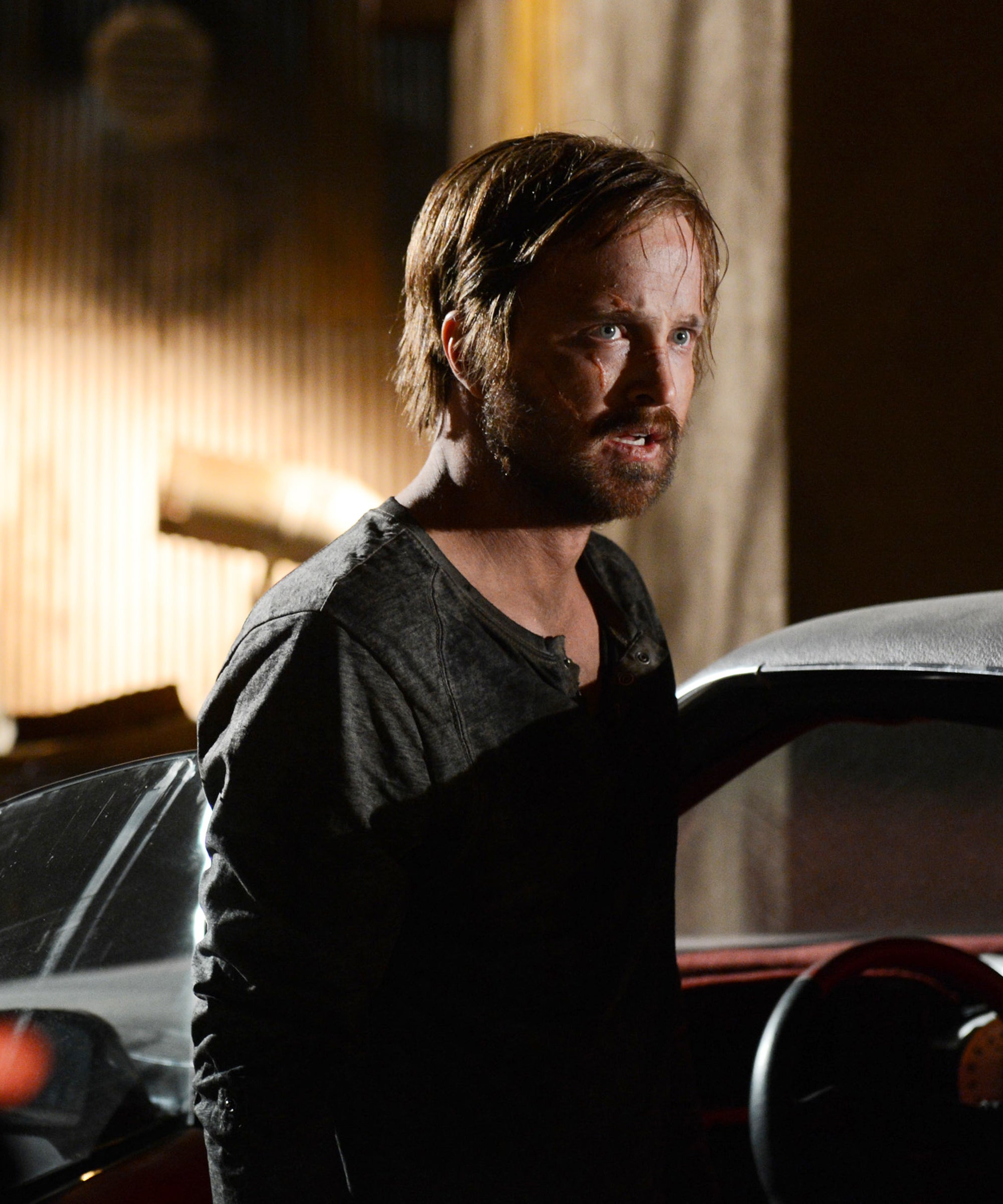
1. The Strategic Pivot: From Sidekick to Solo Brand
In the early seasons of Breaking Bad, Jesse Pinkman was positioned as the “comic relief” sidekick—a secondary asset to Walter White’s primary brand of cold, calculating intellect. However, as the series progressed, the audience’s emotional investment shifted. Jesse became the moral compass of a show that was rapidly losing its direction.
The Power of Narrative Equity
Narrative equity is the emotional value an audience builds with a character over time. By the time the credits rolled on the series finale, Jesse Pinkman had accumulated more narrative equity than any other character in the “Heisenberg” universe. This equity allowed the creators to spin off his story into El Camino: A Breaking Bad Movie. This wasn’t just a sequel; it was a strategic move to capitalize on the Jesse Pinkman brand during a time when streaming platforms were desperate for high-engagement, “pre-sold” content.
Rebranding the “Cap’n Cook” Identity
Jesse’s initial brand was “Cap’n Cook”—a persona built on bravado, street slang, and a specific aesthetic of baggy clothes and beanies. Post-Breaking Bad, this brand was entirely dismantled. The transition Jesse undergoes is a literal and figurative stripping away of his former self. In El Camino, we see the “Pinkman Brand” move from the loud, chaotic energy of the early seasons to a silent, hyper-focused survivalist. This shift reflects a professional rebranding: Jesse moved from a volatile middleman to a disciplined professional capable of executing a complex “exit strategy.”
2. ‘El Camino’ and the Marketing of Closure
When El Camino was announced, it served a dual purpose: providing fan service and reinforcing the longevity of the Breaking Bad IP (Intellectual Property). From a brand strategy perspective, closure is a valuable commodity. Audiences are willing to pay—in time, attention, and subscription fees—for the resolution of an open-ended narrative brand.
Leveraging Nostalgia as a Brand Asset
The marketing of Jesse’s post-series life leaned heavily into nostalgia. By bringing back characters like Skinny Pete and Badger, the “Jesse Pinkman brand” re-established its roots. These characters served as brand ambassadors for Jesse’s past, providing a contrast to the hardened, scarred man he had become. This contrast emphasized the brand’s growth. In marketing terms, this is akin to a legacy brand launching a “heritage collection” while simultaneously introducing a futuristic product line.
The Strategic Timing of the Release
The release of El Camino years after the original series ended was a calculated move in brand lifecycle management. It revitalized interest in the original series on Netflix, driving a new wave of viewership and ensuring that the “Breaking Bad” brand remained relevant even as the spin-off Better Call Saul was reaching its peak. Jesse Pinkman acted as the bridge between the two eras of the franchise, a reliable asset that could anchor the entire ecosystem.
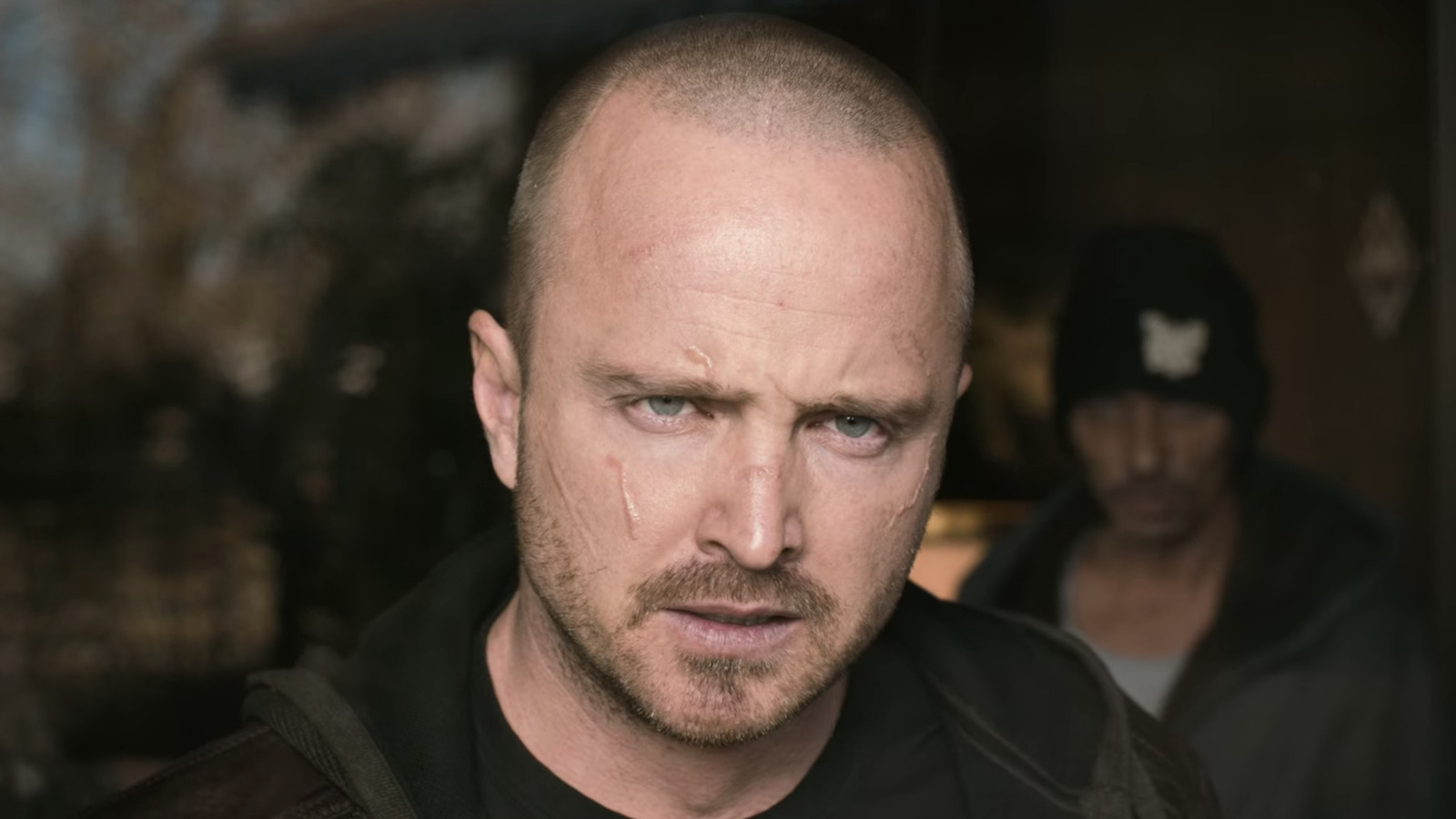
3. The Alaska Rebrand: Starting from Scratch
The ultimate conclusion of Jesse’s journey is his relocation to Alaska under the alias “Mr. Driscoll.” In business, this is the equivalent of a complete corporate rebranding following a major scandal. To survive, Jesse had to kill the Pinkman brand entirely.
Maintaining Core Values Amidst Change
Even in a total rebrand, successful entities retain their “core values.” For Jesse, those values are empathy and a desire to do right by those he has harmed. His final actions—writing a letter to Brock Cantillo and seeking the help of Ed the “Disappearer”—show that while his name and location changed, his brand’s internal mission remained intact. This is essential in brand management: you can change the logo and the market, but if you lose the core mission, you lose the audience’s trust.
The “Clean Slate” Niche
Alaska represents the ultimate “niche market” for Jesse. It is a place of isolation where the noise of his past cannot reach him. By choosing such a remote location, the narrative brand of Jesse Pinkman transitions from a “publicly traded” character (one whose actions have massive consequences for the Albuquerque underworld) to a “private boutique” brand. He is no longer defined by his relationship to Walter White or the DEA; he is defined by his quiet autonomy.
4. Legacy Management: How the Character Sustains Global Relevance
Jesse Pinkman’s story didn’t just end with a movie; it lives on through the broader cultural impact of the Breaking Bad universe. The way Jesse’s post-show life was handled has set a benchmark for how to manage a character’s legacy without overextending the brand.
Transmedia Storytelling and Character Integrity
The Jesse Pinkman brand is reinforced through transmedia storytelling—the way a story unfolds across different platforms and formats. His brief cameo in the final season of Better Call Saul was a strategic “brand touchpoint.” It didn’t advance his post-Breaking Bad story, but it reaffirmed his importance to the timeline. It reminded the audience that Jesse was the “soul” of the franchise, ensuring that his brand remained untarnished by the cynical or over-commercialized tropes often found in long-running series.
Navigating the “Sidekick” Trap
Many characters who start as sidekicks fail when they attempt to go solo. Their “brand identity” is too closely tied to the lead. The success of Jesse Pinkman’s post-show narrative lies in the creators’ ability to differentiate his brand from Walter White’s. While Walter’s brand was about “Empire” and “Ego,” Jesse’s brand evolved into one of “Endurance” and “Escapism.” By pivoting Jesse’s motivations, the creators ensured he could stand alone as a viable, independent narrative brand.

5. Conclusion: The Enduring Value of the Jesse Pinkman Identity
What happened to Jesse after Breaking Bad is more than a plot point; it is a case study in successful brand evolution. Jesse Pinkman began as a character designed to be killed off in the first season, yet through the power of Aaron Paul’s performance and Vince Gilligan’s strategic writing, he became the most enduring asset in the Breaking Bad portfolio.
By the time he reaches Alaska, Jesse has undergone a total transformation. He has successfully navigated the “rebranding” process, moving from a position of forced labor and trauma to one of quiet, self-determined peace. For brand strategists and storytellers alike, Jesse Pinkman serves as a reminder that even the most damaged brands can find a new market and a second life if they remain true to their core emotional resonance.
The Jesse Pinkman brand survived the collapse of the Heisenberg empire because it offered something Walter White’s brand could not: the possibility of a future. In the final analysis, that is the most powerful brand promise of all. Jesse didn’t just escape the law; he escaped the narrative gravity of his past, proving that a well-managed brand can always find its way to a “clean slate.”
aViewFromTheCave is a participant in the Amazon Services LLC Associates Program, an affiliate advertising program designed to provide a means for sites to earn advertising fees by advertising and linking to Amazon.com. Amazon, the Amazon logo, AmazonSupply, and the AmazonSupply logo are trademarks of Amazon.com, Inc. or its affiliates. As an Amazon Associate we earn affiliate commissions from qualifying purchases.