
The trajectory of Jane Foster within the Marvel Cinematic Universe (MCU) serves as a masterclass in brand evolution, strategic repositioning, and the management of high-value intellectual property (IP). While audiences often view the character’s journey through a narrative lens, brand strategists see it as a calculated effort to revitalize a stagnating asset. From her introduction in 2011’s Thor to her dramatic transformation and eventual conclusion in Thor: Love and Thunder, what happened to Jane Foster is not just a story of a scientist becoming a superhero; it is a case study in how a global entertainment brand manages character fatigue, talent relations, and market diversification.

The Evolution of Jane Foster: From Supporting Archetype to Primary Intellectual Property
In the early stages of the Marvel Cinematic Universe, Jane Foster was branded as a traditional “love interest” archetype. As a world-class astrophysicist, her character possessed inherent value, but within the brand architecture of the first two Thor films, she functioned primarily as a narrative bridge between Earth and Asgard. This positioning, while functional for the brand’s initial growth, eventually led to diminishing returns.
The Limitations of the “Damsel” Brand
In Thor (2011) and Thor: The Dark World (2013), Jane Foster’s brand identity was tethered to the protagonist. She was a secondary asset designed to humanize the god-like Thor. However, this strategy faced significant criticism for underutilizing Natalie Portman’s star power—a high-value talent asset. From a brand perspective, Jane Foster was “under-leveraged.” Her role in The Dark World, where she became a vessel for the Aether, further commodified the character, turning her into a plot device rather than a driver of the brand’s narrative. This led to a period of “brand dormancy,” where the character was notably absent from the MCU for nearly a decade.
The Absence and Re-emergence Strategy
The decision to exclude Jane Foster from Thor: Ragnarok was a strategic move in brand pruning. By removing the character, Marvel Studios allowed the Thor sub-brand to undergo a radical aesthetic and tonal shift under director Taika Waititi. This absence created a “nostalgia vacuum” and a sense of unfinished business among the core audience. When the brand eventually announced her return at San Diego Comic-Con in 2019, it wasn’t as a supporting character, but as a primary hero. This was a classic “relaunch” strategy: taking a familiar asset, removing it from the market, and reintroducing it with significantly upgraded features and a new value proposition.
The Natalie Portman Factor: Strategic Alignment and Market Positioning
A crucial component of what happened to Jane Foster involves the professional brand of the actress portraying her. For any franchise brand, maintaining positive relationships with A-list talent is essential for long-term sustainability. The “rebranding” of Jane Foster was as much about satisfying the requirements of the talent asset as it was about the storyline.
Realigning the Actor with the Brand
Natalie Portman is an Academy Award-winning actress whose personal brand is associated with intellectual depth and prestige. The initial iteration of Jane Foster did not align with this brand image. To secure Portman’s return, the MCU had to offer a “Brand Upgrade.” By transforming Jane Foster into the Mighty Thor, the studio provided the actress with a role that offered physicality, agency, and a complex emotional arc involving a battle with terminal illness. This alignment of the character’s new brand identity with the actor’s professional stature ensured a high-quality “product” for the audience.
The San Diego Comic-Con “Hammer” Reveal as Marketing Genius
The moment Natalie Portman walked onto the stage at Hall H and hoisted Mjolnir was a watershed moment in corporate marketing. It was a visual manifesto of the character’s new brand direction. This single image generated millions of dollars in earned media and signaled to the market that the Thor franchise was diversifying its portfolio. By positioning Jane Foster as a “Thor-equivalent” rather than a “Thor-adjacent” character, Marvel effectively doubled its protagonist power within a single film’s marketing campaign.
Rebranding the Hero: The Mechanics of the “Mighty Thor” Transition
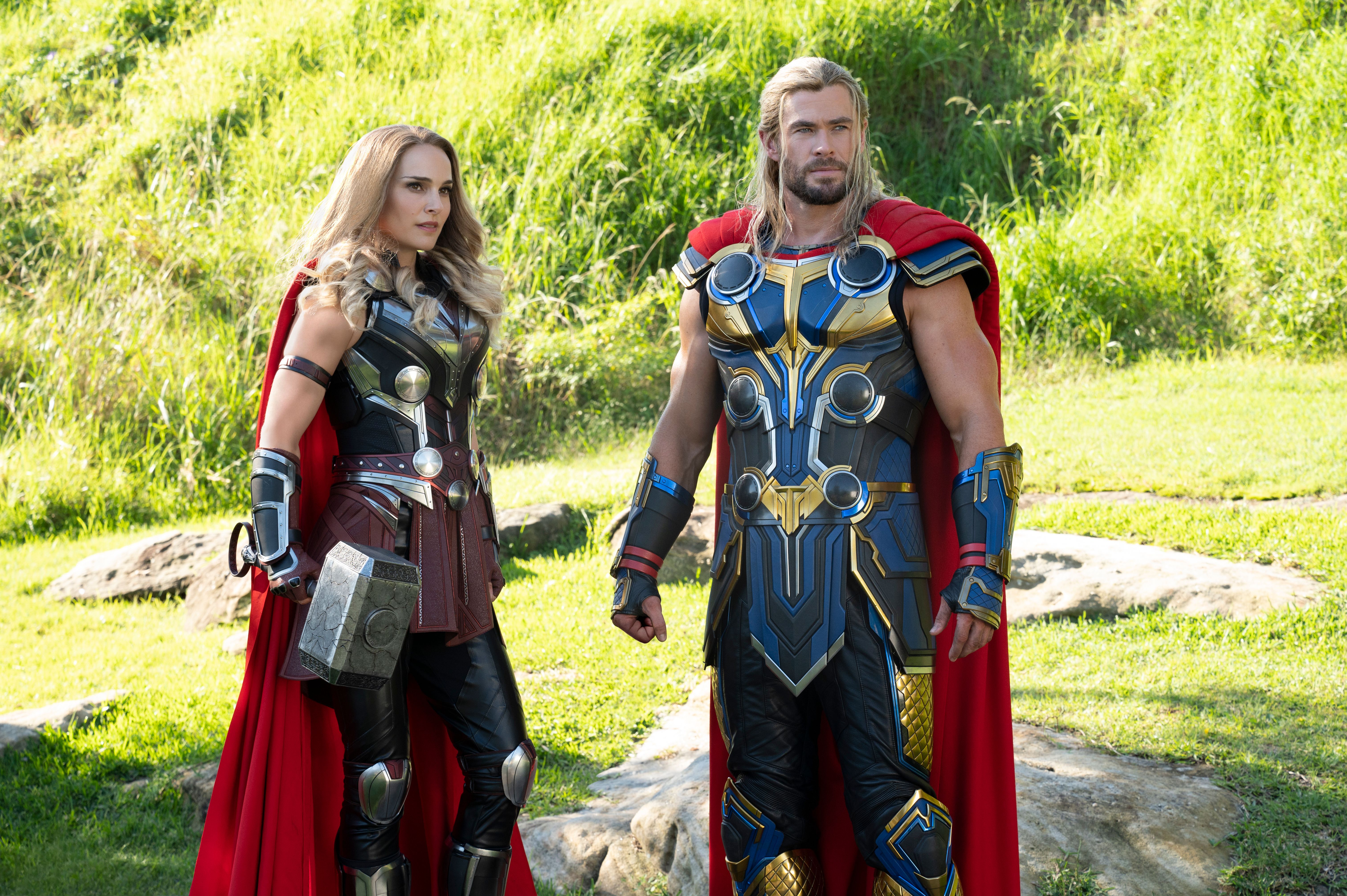
When Jane Foster reappeared in Thor: Love and Thunder, she had undergone a total brand overhaul. The shift from “Dr. Jane Foster” to “The Mighty Thor” involved significant changes in visual identity, tone, and market appeal.
The Visual Identity Shift
In branding, visual cues are everything. Jane’s transformation included a meticulously designed costume that mirrored Thor’s but maintained its own distinct aesthetic. The shattered Mjolnir, which she wielded, served as a powerful metaphor for her brand: it was something broken that had been put back together with new power. This visual storytelling allowed the brand to appeal to existing fans while attracting a demographic looking for female-led superhero narratives. The “Mighty Thor” was not just a name; it was a new product line designed to move merchandise, inspire cosplay, and drive ticket sales.
Emotional Resonance as a Brand Loyalty Driver
One of the most profound “pivots” in Jane’s character arc was the inclusion of her battle with Stage 4 cancer. From a brand management standpoint, this was a move to inject “human vulnerability” into a high-fantasy product. By grounding the superhero spectacle in a relatable human struggle, the brand increased its emotional equity. This narrative choice ensured that Jane’s journey was not just about cosmic battles, but about resilience, legacy, and the cost of heroism. High-value brands often use vulnerability to build deeper connections with their “customers” (audiences), and Jane’s arc is a textbook example of this.
Diversification and De-risking: How Jane’s Narrative Served the MCU Brand Ecosystem
The fate of Jane Foster also speaks to the broader corporate strategy of the MCU’s Phase 4. During this period, the brand was focused on “Legacy Management”—the process of introducing new versions of established heroes to ensure the longevity of the franchise as original actors’ contracts expired.
Expanding the Demographic Reach
The branding of the Mighty Thor was a strategic effort to capture a more diverse market share. By elevating a female character to the mantle of Thor, Marvel engaged with a broader demographic and responded to market demands for more inclusive storytelling. This wasn’t just a creative choice; it was a response to shifting market trends. In the modern era, brands that fail to diversify their “offering” risk obsolescence. Jane Foster’s evolution allowed the Thor brand to remain relevant in a changing cultural landscape.
Legacy and Post-Mortem Brand Sustainability
Jane Foster’s eventual death in Thor: Love and Thunder and her entrance into Valhalla was a strategic “retirement” of the asset. By providing her with a heroic conclusion, the brand ensured that her legacy would remain untarnished. However, by showing her in Valhalla during the post-credits scene, the brand also maintained “residual value.” It left the door open for future appearances in different formats (multiverse stories, flashbacks, or spiritual guides), ensuring that the investment in her character’s rebranding could still yield future returns.

Lessons in Brand Longevity: What Corporate Marketers Can Learn from the Jane Foster Arc
What happened to Jane Foster provides several key insights for brand managers and strategists across all industries.
- Don’t Fear the Pivot: If a brand asset is underperforming or feels outdated, a radical pivot is often better than a slow decline. Jane Foster’s transformation from a scientist to a god was a bold move that breathed new life into the character.
- Align Talent with the Brand: Ensure that the people representing your brand (whether they are influencers, CEOs, or actors) are aligned with the brand’s value proposition. The MCU successfully realigned Portman’s prestige with the character’s new importance.
- Visual Consistency Matters: The “Mighty Thor” rebrand worked because it was visually striking and consistent with the established world-building, yet distinct enough to be recognized as something new.
- Emotional Equity is Invaluable: Connecting with your audience on a human level—addressing themes of mortality and sacrifice—creates a level of brand loyalty that “spectacle” alone cannot achieve.
In conclusion, the journey of Jane Foster is a testament to the power of strategic character management. By recognizing the limitations of her early brand identity, the MCU was able to relaunch her as a powerhouse asset that drove the narrative of a billion-dollar franchise. What happened to Jane in Thor was not an accident; it was a deliberate, well-executed branding strategy that successfully navigated the complexities of modern cinema and consumer expectations. Through her evolution, Marvel proved that even the most sidelined characters can be transformed into lead assets with the right combination of market insight, creative vision, and strategic timing.
aViewFromTheCave is a participant in the Amazon Services LLC Associates Program, an affiliate advertising program designed to provide a means for sites to earn advertising fees by advertising and linking to Amazon.com. Amazon, the Amazon logo, AmazonSupply, and the AmazonSupply logo are trademarks of Amazon.com, Inc. or its affiliates. As an Amazon Associate we earn affiliate commissions from qualifying purchases.