
In the landscape of modern media, characters are more than just plot points; they are valuable components of a multi-billion dollar corporate brand. However, the story of “what happened to Izzie Stevens”—both the fictional doctor on Grey’s Anatomy and the personal brand of the actress who portrayed her, Katherine Heigl—serves as one of the most significant case studies in the intersection of personal branding, corporate identity, and reputation management.
While viewers remember Izzie Stevens for her dramatic exit and surgical prowess, brand strategists view the “Izzie Stevens incident” as a cautionary tale of how an individual’s personal brand can clash with a corporate brand, leading to a decade-long exercise in damage control and market repositioning.

The Rise of the Stevens Brand: Archetypal Perfection and Market Fit
To understand the eventual decline and subsequent rehabilitation of the brand associated with Izzie Stevens, one must first analyze the immense brand equity built during the first four seasons of Grey’s Anatomy.
Identifying the Brand Identity
From a strategic branding perspective, Izzie Stevens was positioned as the “empath” of the franchise. In a show populated by “dark and twisty” characters, Izzie represented the “Girl Next Door” archetype—relatable, emotionally driven, and aspirational. This specific market positioning made her highly valuable to advertisers and the network. She wasn’t just a character; she was a consumer-facing asset that appealed to a broad demographic of viewers who valued emotional intelligence and resilience.
The Intersection of Talent and Relatability
Katherine Heigl’s personal brand was initially perfectly aligned with Izzie Stevens. In the mid-2000s, Heigl’s brand was synonymous with “America’s Sweetheart.” This alignment created a synergistic effect: the success of the character fueled the actress’s film career (Knocked Up, 27 Dresses), and her rising movie-star status brought further prestige to the Grey’s Anatomy corporate brand. At this peak, the “Izzie Stevens brand” was at its maximum valuation, commanding high salaries and significant influence within the industry.
The Inflection Point: When Personal Branding Clashes with Corporate Interests
In brand strategy, a “brand fracture” occurs when the public’s perception of a brand begins to diverge from its core values. For the Izzie Stevens brand, this fracture happened in 2008, and it remains one of the most analyzed moments in the history of reputation management.
The Emmy Withdrawal Incident
In 2008, Katherine Heigl famously withdrew her name from Emmy consideration, stating that she “did not feel that I was given the material this season to warrant an Emmy nomination.” From a personal branding standpoint, this was a catastrophic strategic error. By publicly criticizing the “product” (the scripts provided by the writers), she inadvertently attacked the corporate brand that facilitated her success.
In the world of corporate identity, internal grievances are meant to be handled through private HR or legal channels. When these grievances are aired publicly, it shifts the individual’s brand from “collaborator” to “liability.” The move signaled to the market that the personal brand was no longer in alignment with the corporate objectives of ABC and Shondaland.
The “Difficult” Label: A Branding Death Sentence
Following the Emmy incident and subsequent criticisms of her film projects, the industry applied a “difficult” label to the Heigl/Stevens brand. In branding terms, this is a “negative brand anchor.” Once an individual is anchored by a negative trait, every subsequent action is filtered through that lens.
For the character of Izzie Stevens, this meant a strategic narrative pivot. The writers began to detach the character from the central “core” of the show, eventually leading to a disjointed exit that many fans found unsatisfying. The corporate brand (the show) decided that the cost of maintaining the “Izzie Stevens asset” outweighed the benefits, leading to a divestment in her character arc.

The Corporate Brand Resilience of Grey’s Anatomy
A key takeaway for brand strategists is how the Grey’s Anatomy corporate brand (Shondaland) managed the fallout. The departure of a major brand asset like Izzie Stevens could have destabilized the entire franchise, yet the show has persisted for nearly two decades.
Decoupling the Talent from the Intellectual Property
Shondaland demonstrated a masterclass in “Brand Decoupling.” By focusing on the strength of the Grey’s Anatomy ensemble and the “medical drama” brand rather than individual stars, the production ensured that no single person was bigger than the IP. When the Izzie Stevens brand became toxic due to off-screen friction, the corporate entity simply “rebranded” the show’s focus toward other characters like Alex Karev and Cristina Yang.
This is a vital lesson for businesses: never allow the corporate brand to be entirely dependent on a single personal brand. Diversification of brand assets is the key to longevity.
Managing the Brand Narrative Post-Exit
For years after Izzie Stevens left the show, her name was used sparingly. This was a deliberate choice in narrative brand management. By leaving the “Izzie” brand in a state of ambiguity, the showrunners maintained the ability to leverage her nostalgia value without needing the actual asset present. The eventual closure of her story—revealed years later via a letter—allowed the corporate brand to provide “consumer closure” without the logistical and reputational risks of bringing the original talent back to the set.
The Long Road to Brand Rehabilitation
What happened to Izzie Stevens wasn’t just a career hiatus; it was a decade-long journey of brand repositioning. For Katherine Heigl, moving past the Izzie Stevens era required a complete overhaul of her personal brand strategy.
Strategic Silence vs. Public Apology
For a period, the brand strategy was “strategic withdrawal.” By stepping away from high-profile blockbusters, the “difficult” narrative was allowed to cool. However, silence is only half of the strategy. Brand rehabilitation requires a “mea culpa” phase. In later years, Heigl began to speak openly about her struggles with mental health and the pressure of her rapid rise to fame. This shifted the brand narrative from “ungrateful star” to “human being under pressure,” a much more marketable and sympathetic positioning.
The Modern Pivot: Reclaiming the Narrative
Today, we see the final stage of this brand evolution. Through projects like Firefly Lane and a guest stint on Suits, the brand has been successfully repositioned. It is no longer about “the girl who left Grey’s,” but rather “the seasoned professional with a loyal fan base.”
The recent reunion of Heigl with her former Grey’s Anatomy cast members at award shows signifies a “Brand Reconciliation.” In the world of corporate marketing, this is equivalent to a legacy brand returning to its roots for a successful “limited-time engagement.” It signals to the market that the past conflicts have been resolved, effectively clearing the path for future collaborations.
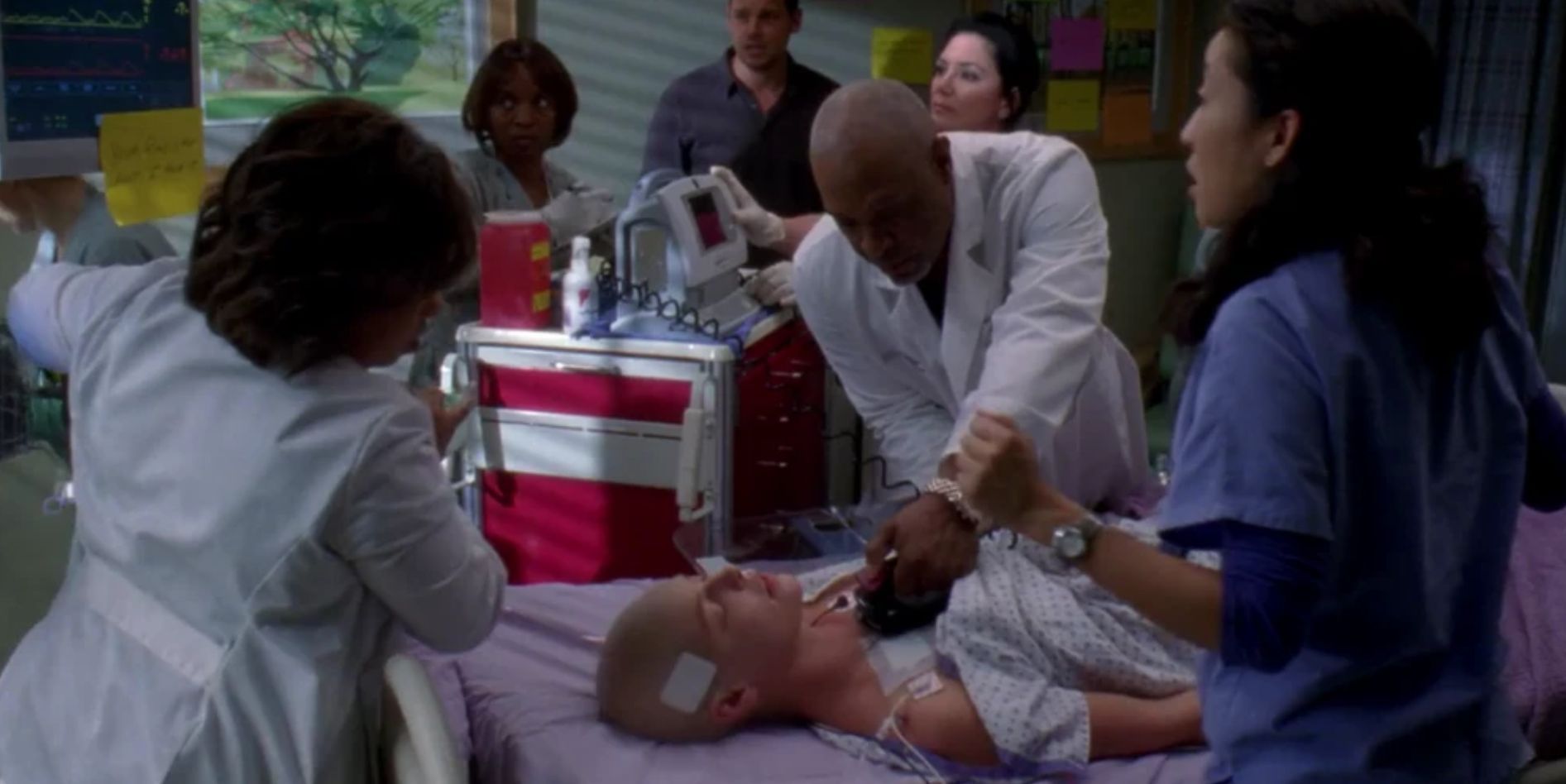
Conclusion: Lessons for Modern Personal Branding
The saga of what happened to Izzie Stevens provides three essential pillars for modern personal branding and reputation management:
- Alignment is Essential: Your personal brand must find a way to coexist with the corporate brands you serve. Publicly devaluing your employer’s product devalues your own brand equity.
- The Perils of the “Negative Anchor”: Once a brand is labeled (e.g., “difficult,” “unreliable”), it takes ten times the effort to remove that label than it took to acquire it. Proactive reputation management is always cheaper than reactive damage control.
- Resilience Through Evolution: Brands are not static. The Izzie Stevens/Katherine Heigl brand survived by evolving from a “starlet” to a “survivor” and finally to a “veteran.”
Ultimately, Izzie Stevens didn’t just disappear into the fictional world of Kansas; she became a permanent entry in the manual of brand strategy—a reminder that in the digital and entertainment age, your reputation is your most valuable currency, and managing it requires both tactical precision and long-term vision.
aViewFromTheCave is a participant in the Amazon Services LLC Associates Program, an affiliate advertising program designed to provide a means for sites to earn advertising fees by advertising and linking to Amazon.com. Amazon, the Amazon logo, AmazonSupply, and the AmazonSupply logo are trademarks of Amazon.com, Inc. or its affiliates. As an Amazon Associate we earn affiliate commissions from qualifying purchases.