
In the landscape of modern media, few figures represent the complex intersection of personal branding and corporate intellectual property (IP) as vividly as Henry Cavill. Known globally for his portrayals of Superman and Geralt of Rivia, Cavill’s recent career trajectory has become a focal point for brand strategists and marketing analysts alike. What appeared to be a series of professional setbacks—losing the cape and the silver sword in quick succession—has actually revealed a masterful exercise in personal brand preservation and strategic pivoting.
To understand “what happened” to Henry Cavill is to understand the mechanics of brand equity in an era where individual “talent brands” often clash with multi-billion dollar “franchise brands.” This article examines the strategic maneuvers Cavill employed to transform from a corporate asset into a brand architect.

The Intersection of Personal Brand and Global Intellectual Property
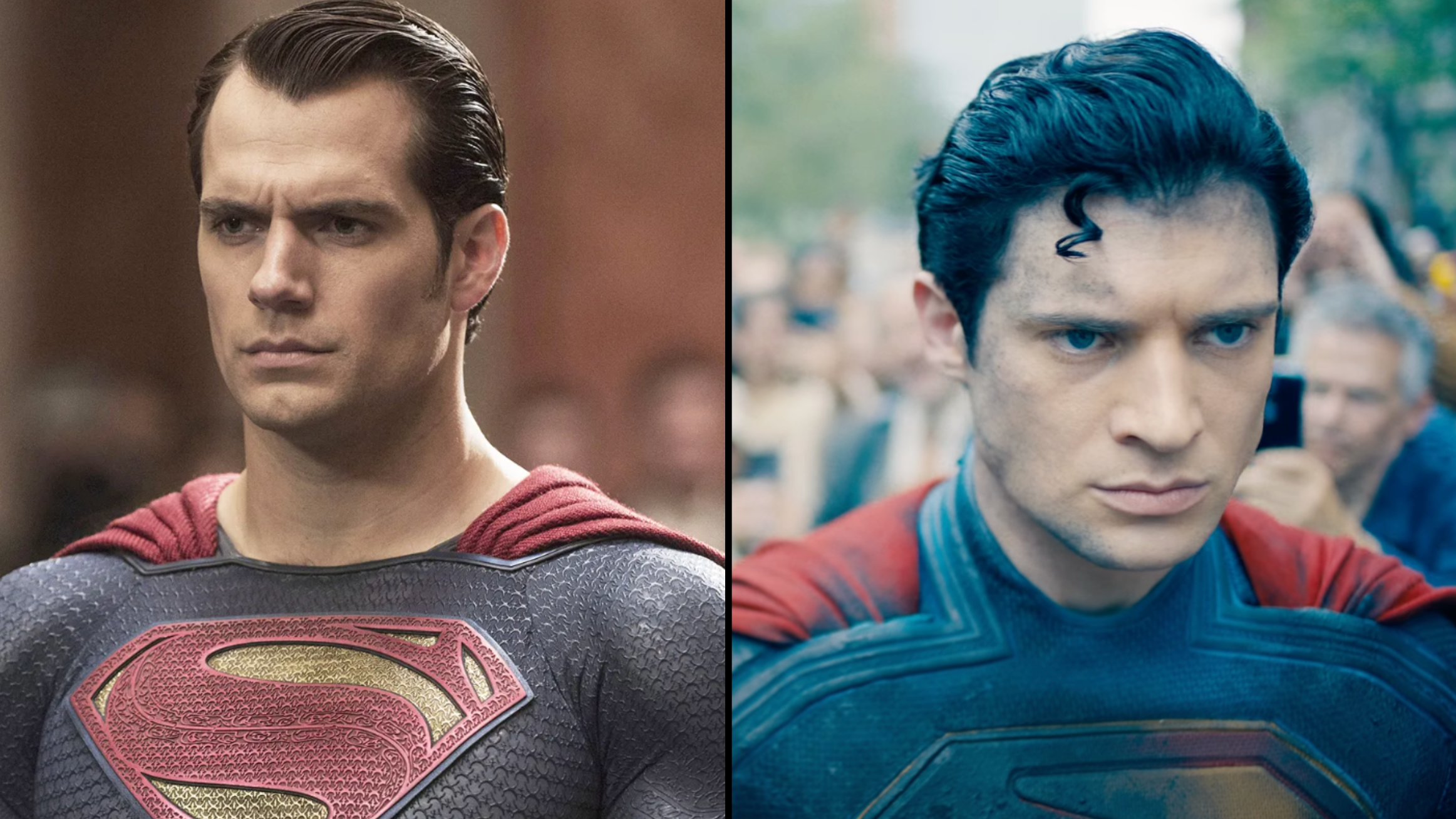
The first chapter of Cavill’s modern brand story is defined by his association with legacy IP. For over a decade, his personal brand was inextricably linked with the DC Extended Universe (DCEU) and the iconic silhouette of Superman. This relationship highlights the precarious balance of “co-branding” between a performer and a legacy corporate entity.
The “Man of Steel” Paradigm: Aligning with a Legacy Brand
When an individual aligns themselves with a brand as powerful as Superman, they inherit immediate global recognition. For Cavill, this was an exercise in “Brand Association.” He adopted the physical and professional discipline required to embody a symbol of hope. However, the risk of such an alignment is “Brand Overlap,” where the individual’s identity becomes subsumed by the corporate logo. Cavill’s strategy during this era was to maintain a professional, almost stoic public persona that mirrored the reliability of the character he played, thereby strengthening his marketability to other high-stakes franchises.
The Risks of Co-Branding with Large-Scale Franchises
The “what happened” in the context of DC was a textbook example of corporate restructuring affecting sub-brands. When Warner Bros. Discovery shifted its strategic direction under new leadership, Cavill’s personal brand was caught in a “strategic misalignment.” Despite a high-profile cameo in Black Adam signaling a return, the corporate brand decided to “reboot”—a common corporate tactic to shed old baggage and start fresh. The lesson for brand managers here is clear: no matter how much equity a sub-brand (the actor) builds, it remains subject to the pivots of the parent corporation.
Authenticity as a Brand Moat: The Geralt of Rivia Departure
While the loss of Superman was a result of corporate shifting, Cavill’s departure from Netflix’s The Witcher represented a more proactive brand defense. This move demonstrated how “Authenticity” can serve as a “Moat”—a protective barrier that preserves the value of a personal brand even when walking away from a lucrative contract.
Protecting Brand Integrity Through Creative Alignment
Cavill’s personal brand is unique because it is built on the foundation of the “Authentic Fan.” He is famously a scholar of the source material for the projects he joins. When the creative direction of The Witcher began to diverge significantly from the established lore of the books, Cavill faced a branding crisis: stay for the paycheck and risk “Brand Dilution,” or leave to protect his reputation for integrity. By choosing the latter, he signaled to his core demographic (the enthusiast community) that his loyalty lies with the quality of the product rather than the corporate machine.
When the Talent Becomes the Brand’s Custodian
In the eyes of the consumer, Cavill transitioned from being a mere employee of Netflix to being the “Custodian” of the Witcher brand. When he departed, the public outcry was directed at the platform, not the performer. This is a rare achievement in branding; he managed to exit a failing project while actually increasing his personal “Brand Sentiment” scores. He proved that for a niche-driven brand, fidelity to the “Product Core” (the original story) is more valuable than long-term tenure in a declining franchise.

Strategic Pivoting: From Employee to Executive Producer
The most significant answer to “what happened” to Henry Cavill lies in his transition from an actor-for-hire to a “Brand Architect.” Instead of waiting for another studio to offer him a role, Cavill leveraged his high brand equity to secure a landmark deal with Amazon Studios to bring the Warhammer 40,000 universe to life.
The Warhammer 40,000 Deal: Taking Ownership of the Narrative
This move is a masterclass in “Vertical Integration” for a personal brand. By securing the rights and an Executive Producer credit, Cavill is no longer just the “face” of a product; he is a stakeholder in the “manufacturing process.” This shift allows him to control the brand narrative from the ground up, ensuring that the creative misalignments he faced in previous roles do not recur. For professionals in any industry, this represents the ultimate goal: moving from a service provider to a director of the brand’s future.
Building a Brand Ecosystem Around Passion Projects
The Warhammer project is not just a job for Cavill; it is a “Brand Extension.” It connects his personal hobbies (PC building and miniature painting) with his professional output. This creates a “Holistic Brand Ecosystem” where his public life and professional life reinforce each other. In modern marketing, this level of synergy is highly coveted because it feels “Organic” rather than “Manufactured.” It allows Cavill to tap into a fiercely loyal niche market while maintaining his status as a mainstream leading man.
Lessons in Resilience and Brand Management for the Modern Professional
The trajectory of Henry Cavill offers several vital takeaways for brand managers, entrepreneurs, and public figures. His story is not one of a career in decline, but of a brand in a state of “Sophisticated Evolution.”
Managing Public Perception During Contractual Turmoil
During the period between his DC exit and the Amazon announcement, Cavill’s brand management was characterized by “Strategic Silence.” He avoided public grievances and kept his communications professional and forward-looking. This prevented his personal brand from being labeled as “Difficult” or “Toxic”—labels that often plague talent after a high-profile firing. Instead, he maintained a “Premium Brand” status, ensuring that when he did make his next move, it was viewed as a massive win for his new partners.
The Importance of Diversifying Brand Assets
Cavill’s career illustrates the necessity of “Brand Diversification.” While he was the “Action Hero” brand, he was simultaneously cultivating the “Tech-Savvy Nerd” brand through social media (notably his viral PC building video). When the “Action Hero” side hit a corporate roadblock, the “Enthusiast” side of his brand provided the leverage needed to secure the Warhammer deal. This taught a valuable lesson in professional development: never rely on a single “Revenue Stream” or “Brand Pillar.” By diversifying his appeal, Cavill made himself “Anti-fragile”—a term used in finance and strategy to describe something that gets stronger in the face of volatility.
Conclusion: The Future of the Cavill Brand
So, what happened to Henry Cavill? He successfully navigated a “Brand Audit” and came out the other side with more control, higher equity, and a more loyal following. He transitioned from being a cog in the Hollywood franchise machine to becoming a primary driver of his own creative and commercial destiny.
The “Henry Cavill Case Study” serves as a reminder that in the modern economy, your brand is your most valuable asset. It must be protected, it must be authentic, and most importantly, it must be managed with a long-term strategic vision. As he prepares to lead the Warhammer cinematic universe, Cavill is no longer just following a script—he is writing the brand strategy for his own future. For brands looking to build longevity and deep consumer loyalty, the Cavill model of authenticity and strategic pivoting provides a blueprint for success in an increasingly volatile market.
aViewFromTheCave is a participant in the Amazon Services LLC Associates Program, an affiliate advertising program designed to provide a means for sites to earn advertising fees by advertising and linking to Amazon.com. Amazon, the Amazon logo, AmazonSupply, and the AmazonSupply logo are trademarks of Amazon.com, Inc. or its affiliates. As an Amazon Associate we earn affiliate commissions from qualifying purchases.