
In the landscape of early 2010s reality television, few brands were as loud, aggressive, or commercially successful as Hardcore Pawn. Set in the heart of Detroit at American Jewelry and Loan, the show was more than just a window into the world of high-stakes collateralized lending; it was a masterclass in brand building, market positioning, and the strategic use of media to scale a family business into a global household name. When the cameras stopped rolling after nine seasons, fans and brand analysts alike were left asking: what happened to the show, and more importantly, how did the brand survive the transition away from the spotlight?

To understand the fate of Hardcore Pawn, we must look at it through the lens of brand strategy. The show didn’t just “end”; it reached the final stage of a specific media-driven brand lifecycle. Today, the Gold family continues to operate a thriving enterprise, proving that a well-executed brand can outlive its primary marketing vehicle.
The Architecture of a Reality TV Brand
The success of Hardcore Pawn was not accidental. It was built on a foundation of strong brand identity that differentiated American Jewelry and Loan from thousands of other pawn shops across the United States. In a crowded marketplace, the Golds understood that a brand is not just a logo—it is a promise of a specific experience.
Identifying the Unique Selling Proposition (USP)
While competitors like Pawn Stars focused on the historical and educational aspects of items, the Hardcore Pawn brand leaned into the raw, high-friction environment of Detroit. Their USP was authenticity and intensity. By positioning the brand around the “hardcore” reality of urban pawnbroking, they captured a demographic that valued grit over trivia. This strategic choice allowed them to carve out a niche that was distinct from the “boutique” feel of the Gold & Silver Pawn Shop in Las Vegas.
Personas as Brand Assets: Les, Seth, and Ashley
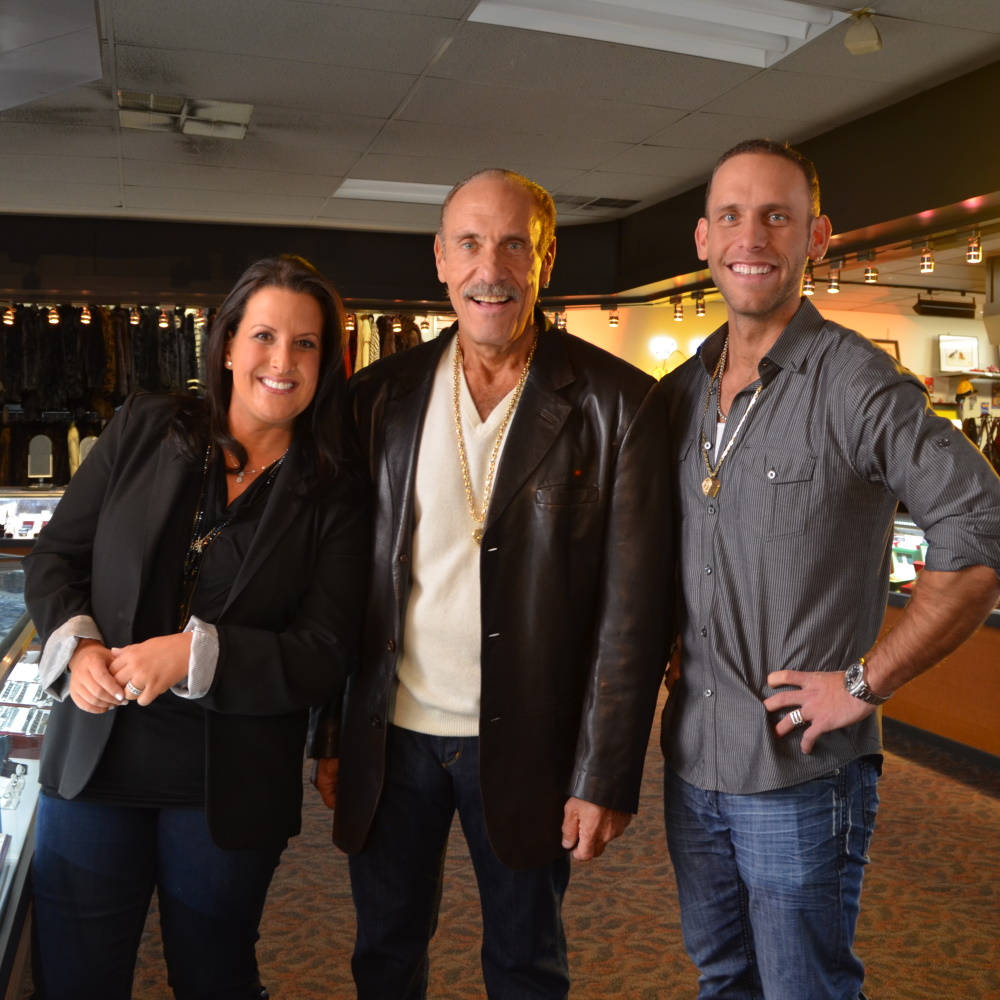
In personal branding, consistency is king. The Gold family—Les, Seth, and Ashley—represented different facets of the corporate identity. Les was the seasoned veteran and the emotional anchor; Seth represented the modern, data-driven future of the business; and Ashley provided a fierce, competitive counter-balance. By leaning into these personas, the business created a multifaceted brand that viewers could connect with on a personal level. These were not just employees; they were brand ambassadors whose interpersonal dynamics became the “story” of the brand.
Leveraging Geographic Identity
The “Detroit” brand was an essential component of the show’s DNA. At a time when Detroit was synonymous with economic struggle and resilience, American Jewelry and Loan positioned itself as a pillar of the community. This geographic branding created a sense of place that made the store a destination. It transformed a local shop into a landmark, proving that where you are is often as important as what you sell.
Strategic Brand Expansion Through Media
As the show gained traction, the Golds shifted their focus from merely running a pawn shop to managing a global media brand. This transition required a sophisticated understanding of how content marketing can drive retail traffic.
Content Marketing on a Massive Scale
At its peak, Hardcore Pawn was the highest-rated show on truTV, reaching millions of viewers weekly. From a brand perspective, the show functioned as a long-form commercial. It showcased the variety of inventory, the expertise of the staff, and the fairness (however loudly debated) of their valuations. This level of exposure is something traditional advertising could never achieve. The “content” was the marketing, and the marketing was the revenue driver.
Diversifying the Product Portfolio
With the fame brought by the show, the American Jewelry and Loan brand began to diversify. They weren’t just selling jewelry and electronics anymore; they were selling merchandise, books (such as Les Gold’s For What It’s Worth: Business Wisdom from a Pawnbroker), and public appearances. This diversification is a classic brand expansion strategy, moving from a single service (pawn loans) to a lifestyle and expertise-based brand.
Crisis Management and Brand Reputation
Being “hardcore” comes with risks. The brand frequently faced criticism for its portrayal of customers and the aggressive nature of the shop floor. However, from a brand strategy standpoint, they leaned into the controversy. They understood that their target audience appreciated the “no-nonsense” attitude. By staying true to their brand voice—even when it was polarizing—they maintained brand loyalty among their core demographic.
The Pivot: Why the Show Ended but the Brand Continued
The disappearance of Hardcore Pawn from television schedules was not a sign of business failure, but rather a reflection of shifting media landscapes and strategic pivots. In 2015, after nine seasons, the show ceased production. The reasons behind this move offer valuable lessons in brand longevity and the risks of overexposure.
Managing Brand Fatigue and Market Saturation
Every brand has a lifecycle. By the ninth season, the “scripted reality” genre was beginning to see diminishing returns. truTV was undergoing a total brand refresh, shifting its focus from high-drama reality shows to comedy-based programming (such as Impractical Jokers). For the Gold family, this presented a choice: fight to stay on a network that no longer aligned with their brand, or pivot back to their core business while the brand was still at its peak.
Moving Beyond the “Scripted Reality” Stigma
While reality TV provides immense exposure, it can also trap a brand in a “caricature” phase. To maintain professional credibility in the high-end jewelry and business lending sectors, the Golds needed to move beyond the televised drama. Ending the show allowed Seth and Les to focus on the operational excellence of American Jewelry and Loan, ensuring that the brand remained synonymous with professional pawn services rather than just “TV entertainment.”
The Decision to Stop Filming
Contrary to rumors of cancellation due to low ratings, the decision to end the show was largely a mutual realization between the network and the business. The production process of a reality show is incredibly intrusive. For a high-volume business like American Jewelry and Loan, the logistical burden of cameras, lighting, and legal clearances eventually outweighed the marketing benefits. The brand had achieved its goal: it was now globally recognized.
The Modern Brand Strategy of American Jewelry and Loan
Since the show ended, the Golds have not faded into obscurity. Instead, they have executed a flawless transition into the digital age, maintaining their brand relevance without the need for a weekly cable television slot.
Transitioning to Digital Presence and E-commerce
The modern American Jewelry and Loan brand is digital-first. They have shifted their focus to e-commerce, allowing fans from around the world to purchase items from the store. Their website and social media platforms are active, engaging, and professional. By utilizing platforms like YouTube and Facebook, they continue to produce content that keeps the brand in the public eye, but on their own terms and without the “forced drama” of television producers.
Personal Branding and Individual Ventures
Seth Gold, in particular, has become a prominent voice in the pawn industry, winning the National Pawnbrokers Association’s “Pawnbroker of the Year” award. This reinforces the brand’s authority and expertise. Les Gold continues to be a sought-after speaker. By evolving from “TV stars” to “industry thought leaders,” they have successfully rebranded themselves for a more professional audience while retaining their celebrity status.
Lessons in Brand Longevity
The story of Hardcore Pawn teaches us that a brand must be adaptable. American Jewelry and Loan survived the Great Recession, the rise and fall of reality TV, and the transition to digital commerce. They did this by keeping their core values—family, resilience, and Detroit pride—at the center of everything they do. They understood that the TV show was a tool, not the business itself.

Conclusion: The Legacy of a Media-First Business Model
What happened to the Hardcore Pawn TV show? It served its purpose. It took a local family business and transformed it into a global powerhouse. When the show ended, the brand didn’t die; it evolved.
The legacy of Hardcore Pawn is a testament to the power of aggressive, authentic branding. By embracing their unique identity and leveraging the reach of television, the Gold family built a brand that remains a dominant force in the pawn industry today. They proved that while television shows are temporary, a strong, well-managed brand is permanent. American Jewelry and Loan continues to thrive in Detroit, not as a relic of a defunct TV show, but as a living example of how to successfully navigate the intersection of media, personality, and business strategy.
aViewFromTheCave is a participant in the Amazon Services LLC Associates Program, an affiliate advertising program designed to provide a means for sites to earn advertising fees by advertising and linking to Amazon.com. Amazon, the Amazon logo, AmazonSupply, and the AmazonSupply logo are trademarks of Amazon.com, Inc. or its affiliates. As an Amazon Associate we earn affiliate commissions from qualifying purchases.