
In the rapidly evolving landscape of the digital creator economy, few figures have embodied the meteoric rise and the puzzling volatility of personal branding quite like Darryle “Hamlinz” Hamlin. Once a cornerstone of the professional gaming organization TSM (Team SoloMid) and a titan of the Fortnite era, Hamlinz commanded an audience of millions with a unique blend of high-level skill and infectious comedic timing. However, his career has been defined by a series of prolonged, unexplained disappearances that have left fans and brand analysts alike questioning the long-term viability of his professional identity.
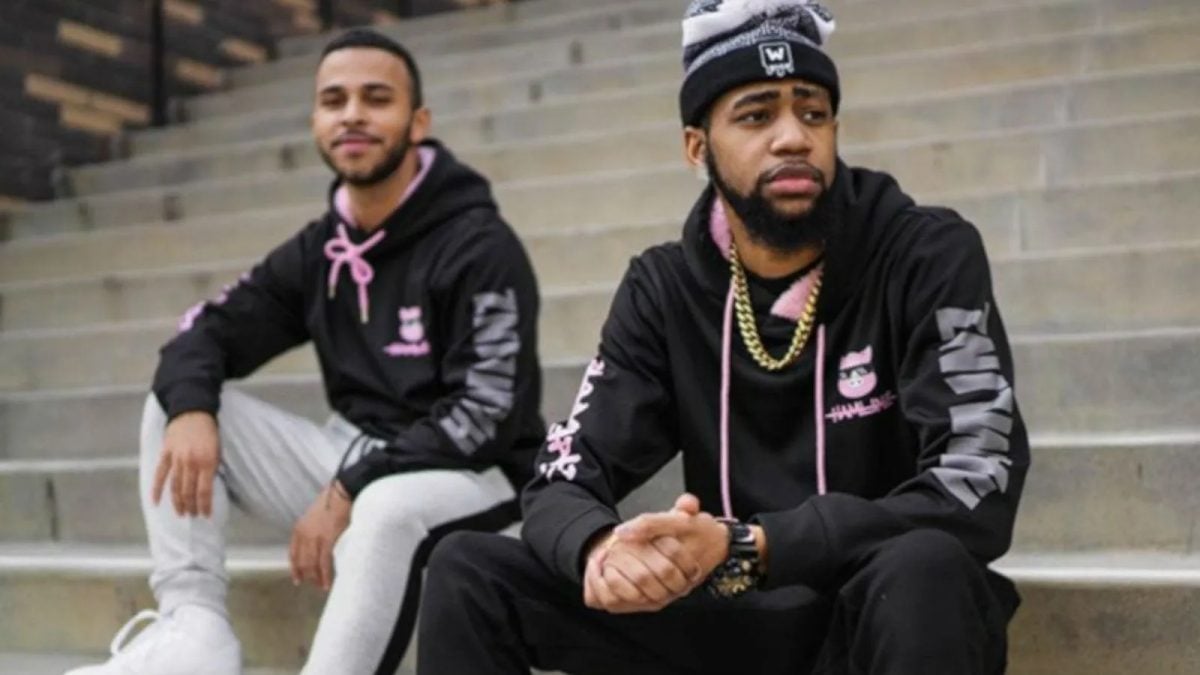
The story of “what happened to Hamlinz” is more than just a tale of a missing streamer; it is a profound case study in personal brand management, the psychological toll of digital fame, and the precarious nature of audience loyalty in an era of infinite content choices.
The Rise of the Hamlinz Brand: Authenticity as a Market Differentiator
To understand the current state of the Hamlinz brand, one must first analyze the pillars upon which it was built. In the competitive world of live streaming, where thousands of creators compete for the same “eyeballs,” Hamlinz successfully carved out a niche that relied less on high-production value and more on a raw, charismatic brand persona.
Humor as a Brand Pillar
While many streamers focus strictly on “pro-play” mechanics, Hamlinz prioritized entertainment. His brand was built on “the bits”—recurring jokes, vocal impressions, and a chaotic energy that felt both spontaneous and welcoming. This created a strong emotional connection with his audience, transforming passive viewers into a dedicated community. In marketing terms, he transitioned from a “service provider” (providing gameplay) to an “emotional anchor” for his followers.
The TSM Era and Collaborative Brand Growth
Joining TSM during the peak of the Fortnite craze was a masterstroke in brand positioning. By aligning himself with other top-tier personalities like Daequan Loco and Myth, Hamlinz leveraged the “halo effect.” The collective brand of the “TSM Fortnite House” was greater than the sum of its parts. For Hamlinz, this association provided instant credibility and a massive funnel of new subscribers, establishing him as a top-five creator on the Twitch platform.
Community Engagement and the “Sus” Identity
Hamlinz successfully cultivated a specific brand vernacular. Terms like “sus” and his signature high-pitched laugh became brand assets. This “insider language” fostered a sense of belonging among his fans, which is the holy grail of community-based branding. When fans adopt a creator’s language, the brand is no longer just the creator; it becomes a cultural identity for the audience.
The Inconsistency Paradox: How Scarcity Affects Brand Value
In traditional luxury branding, scarcity can drive up demand. In the creator economy, however, the opposite is usually true. Digital platforms like Twitch and YouTube are governed by algorithms that reward consistency and punish absence. Hamlinz’s career has been marked by “the ghosting phenomenon,” where the brand essentially goes dark for months or years at a time without communication.
The “Ghosting” Strategy: Risk vs. Reward
When a brand disappearances without a PR strategy or a “closing statement,” it creates a vacuum. In Hamlinz’s case, every time he returned from a hiatus, he experienced a massive surge in viewership—a “hype spike.” However, from a brand sustainability perspective, these spikes are unsustainable. They rely on nostalgia rather than current relevance. Over time, the “diminishing returns” of these returns became evident; the audience’s patience wore thin, and the “brand trust” was eroded.
The Erosion of Audience Retention
The fundamental challenge of a personal brand that relies on live engagement is that the audience’s habits are fragile. If a creator is not part of a viewer’s daily routine, the viewer will find a replacement. By disappearing frequently, the Hamlinz brand essentially trained its audience to live without it. This led to a significant drop in “brand equity,” as the community dispersed to more consistent creators who offered a reliable content schedule.

The Psychological Cost of Brand Maintenance
A major factor in Hamlinz’s disappearances, as occasionally alluded to in his rare updates, is the mental health strain of maintaining a high-energy persona. This highlights a critical flaw in many personal brands: if the brand is inextricably tied to the creator’s physical and mental presence, it lacks “operational resilience.” Unlike a corporate brand that can function without its founder, the Hamlinz brand is a “single point of failure” system.
Crisis Management and the “Thoom House” Rebrand
In late 2021, Hamlinz attempted a major brand relaunch. Alongside his long-time collaborator Daequan, he signed with the NRG organization to launch the “Thoom House.” This was an attempt to transition from individual streaming to a “content house” model—a structured corporate identity designed to provide a support system for the creators.
The Failed Relaunch: A Study in Expectations
The Thoom House was marketed with high-budget trailers and massive social media fanfare. It was a classic “rebranding” exercise. However, the project collapsed within months. The primary reason was a misalignment between the brand promise and the brand delivery. The marketing promised a new era of consistent, high-octane content, but the internal issues (health problems, infrastructure issues, and personal burnout) prevented the creators from delivering.
The Importance of a Defined Value Proposition
The Thoom House failure serves as a warning for personal brands: do not over-promise during a pivot. When a brand undergoes a high-profile relaunch and then fails to deliver, the damage to its reputation is often greater than if it had stayed dormant. The “Hamlinz” name, which once stood for joy and laughter, began to be associated with “unreliability” and “unfulfilled potential.”
Navigating the “Missing” Narrative
Currently, the “Hamlinz” brand exists in a state of purgatory. The narrative surrounding him is no longer about his content, but about his absence. From a marketing standpoint, he has lost control of his own narrative. When the primary search term associated with your brand is “where is [Name]?” or “what happened to [Name]?”, the brand is no longer in a growth phase; it is in a state of historical archiving.
Strategic Takeaways for the Modern Personal Brand
The trajectory of Hamlinz offers vital lessons for influencers, entrepreneurs, and digital marketers. It illustrates the delicate balance between the “human” behind the brand and the “business” of the brand.
Prioritizing Brand Longevity over Short-term Virality
Hamlinz had the virality, but he lacked the infrastructure for longevity. For a personal brand to survive decades, it needs more than just a charismatic founder. It needs a “contingency plan” for content—whether that means a team of editors keeping social channels active during a hiatus or a shift toward asynchronous content (like YouTube videos) that can earn revenue and maintain relevance while the creator is offline.
Communication: The Glue of Digital Loyalty
The most significant error in the management of the Hamlinz brand was the lack of transparent communication. In the modern era, audiences are remarkably empathetic toward mental health struggles and the need for breaks. However, they demand transparency. A simple “I am taking a six-month break for my health” preserves brand trust. Total silence, followed by a return, followed by silence again, creates “brand fatigue.”

Diversification of Brand Touchpoints
One of the risks highlighted by Hamlinz’s career is the over-reliance on a single platform (Twitch). Because his brand was so tied to “going live,” his absence meant his brand effectively ceased to exist in the digital space. Diversifying into merchandise, secondary YouTube channels, or even investment ventures can allow a personal brand to remain “active” even when the person behind it is taking a necessary step back.
In conclusion, “what happened to Hamlinz” is a story of a brilliant entertainer whose personal brand was built on the highest peaks of the creator economy but was ultimately undermined by the lack of a sustainable operational strategy. As the creator economy matures, the Hamlinz case will remain a pivotal example of why consistency, communication, and structural resilience are just as important as talent and charisma in the pursuit of a lasting digital legacy.
aViewFromTheCave is a participant in the Amazon Services LLC Associates Program, an affiliate advertising program designed to provide a means for sites to earn advertising fees by advertising and linking to Amazon.com. Amazon, the Amazon logo, AmazonSupply, and the AmazonSupply logo are trademarks of Amazon.com, Inc. or its affiliates. As an Amazon Associate we earn affiliate commissions from qualifying purchases.