
In the landscape of global intellectual properties, few brands carry the weight and historical significance of the Dragon Ball franchise. At the heart of this brand is Son Goku, a character whose visual identity has undergone several radical transformations over four decades. While most discussions regarding Goku focus on his escalating power levels or hair-color shifts, a significant case study in brand management and “legacy asset” retirement exists in the mystery of his first iconic tool: the Power Pole (Nyoibo).
To understand what happened to the Power Pole is to understand the strategic shift in the Dragon Ball brand architecture—moving from a whimsical, adventure-based martial arts brand to a high-stakes, universal-scale sci-fi powerhouse.
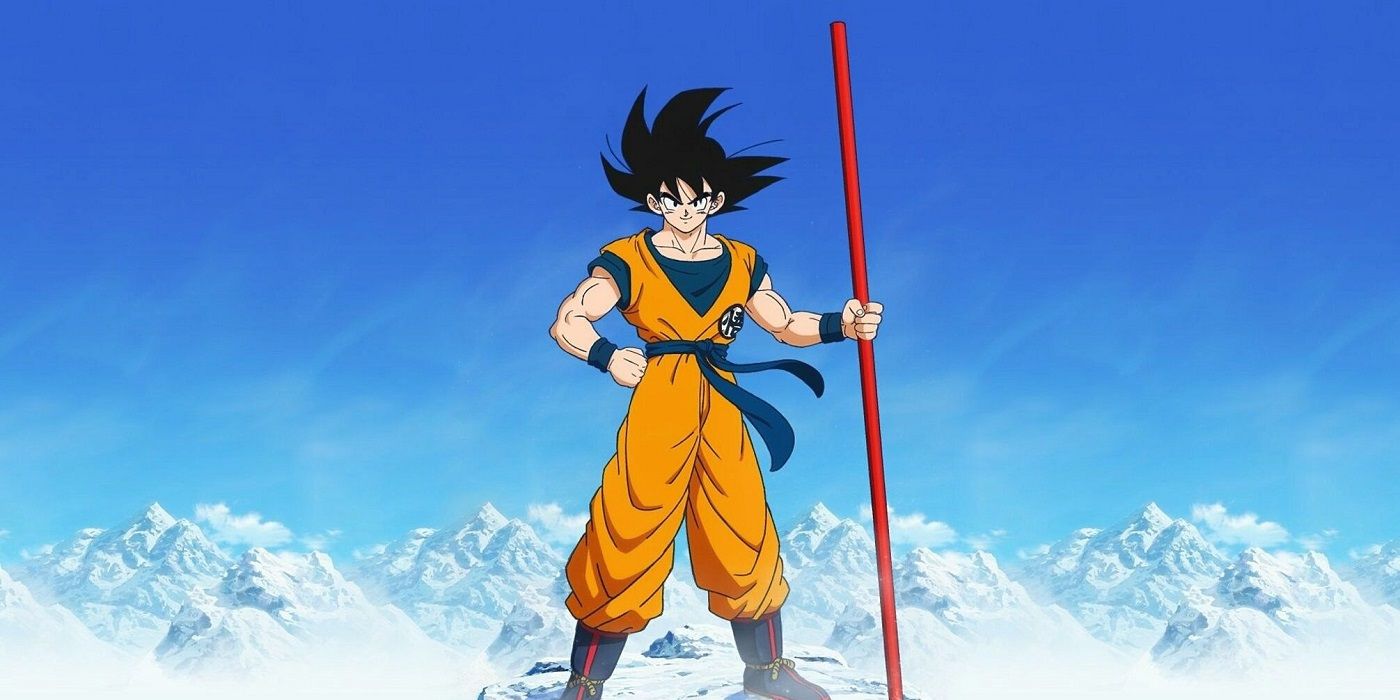
The Visual Identity of an Icon: Why the Power Pole Defined Early Goku
When Akira Toriyama first conceptualized Goku, the character was heavily influenced by the legendary Sun Wukong from Journey to the West. The Power Pole was not just a weapon; it was a primary brand identifier. In marketing and character design, a “silhouette-distinct tool” is essential for immediate consumer recognition. For the first several years of the franchise, the Power Pole served as that anchor.
Minimalist Utility as Brand Differentiation
In the early 11th-century inspired setting of Dragon Ball, Goku’s brand was built on the concept of the “underdog adventurer.” The Power Pole represented minimalist utility—a simple red staff that could extend to the moon. This visual simplicity allowed the brand to differentiate Goku from other contemporary shonen protagonists who relied on complex gadgets or traditional swords. The Pole was an extension of Goku’s own flexibility and limitless potential, a physical manifestation of the brand’s core values: growth, reach, and simplicity.
The Power Pole as a Symbol of Adventure and Origin
From a storytelling perspective, the Power Pole acted as a legacy asset passed down from Grandpa Gohan. In brand strategy, “heritage” is used to build trust and emotional resonance with the audience. By carrying the Pole, Goku was carrying his brand’s origin story. It anchored the narrative in a world of mystical fantasy, signaling to the audience that the brand was rooted in folklore and traditional martial arts rather than the cosmic battles that would define its later iterations.
Brand Repositioning and the Pivot to High-Stakes Combat
As the Dragon Ball brand transitioned into the Dragon Ball Z era (the “Z” representing a significant rebrand toward a more mature, action-oriented demographic), the Power Pole began to lose its “market fit.” The shift in the series’ power scaling meant that physical tools were becoming obsolete in favor of internal energy (Ki).
Outgrowing the Tool: When Legacy Assets Become Liabilities
In any long-term brand evolution, certain assets that were once vital can become “brand baggage.” As Goku’s power levels increased, a wooden (or even mystical) staff became a visual liability. It hindered the brand’s new focus on high-speed, aerial combat. To have Goku rely on a staff while he was capable of shattering mountains with his bare hands created a “cognitive dissonance” in the brand’s logic.
The decision to phase out the Power Pole was a strategic move to reposition Goku as a “Universal Protector” rather than a “Wilderness Adventurer.” The brand needed to shed its terrestrial limitations to embrace its new cosmic identity.
From Mystical Fantasy to Sci-Fi Power Scaling
The retirement of the Power Pole coincided with the brand’s pivot from the “Fantasy/Adventure” category to the “Sci-Fi/Supernatural Battle” category. In this new niche, the Power Pole—a tool of physical leverage—was replaced by “Ki” and “Super Saiyan” transformations. These new visual markers were more scalable and allowed for more varied merchandising opportunities (such as varying hair colors and aura designs), which provided a higher “return on investment” for the brand’s visual identity than a single static staff ever could.
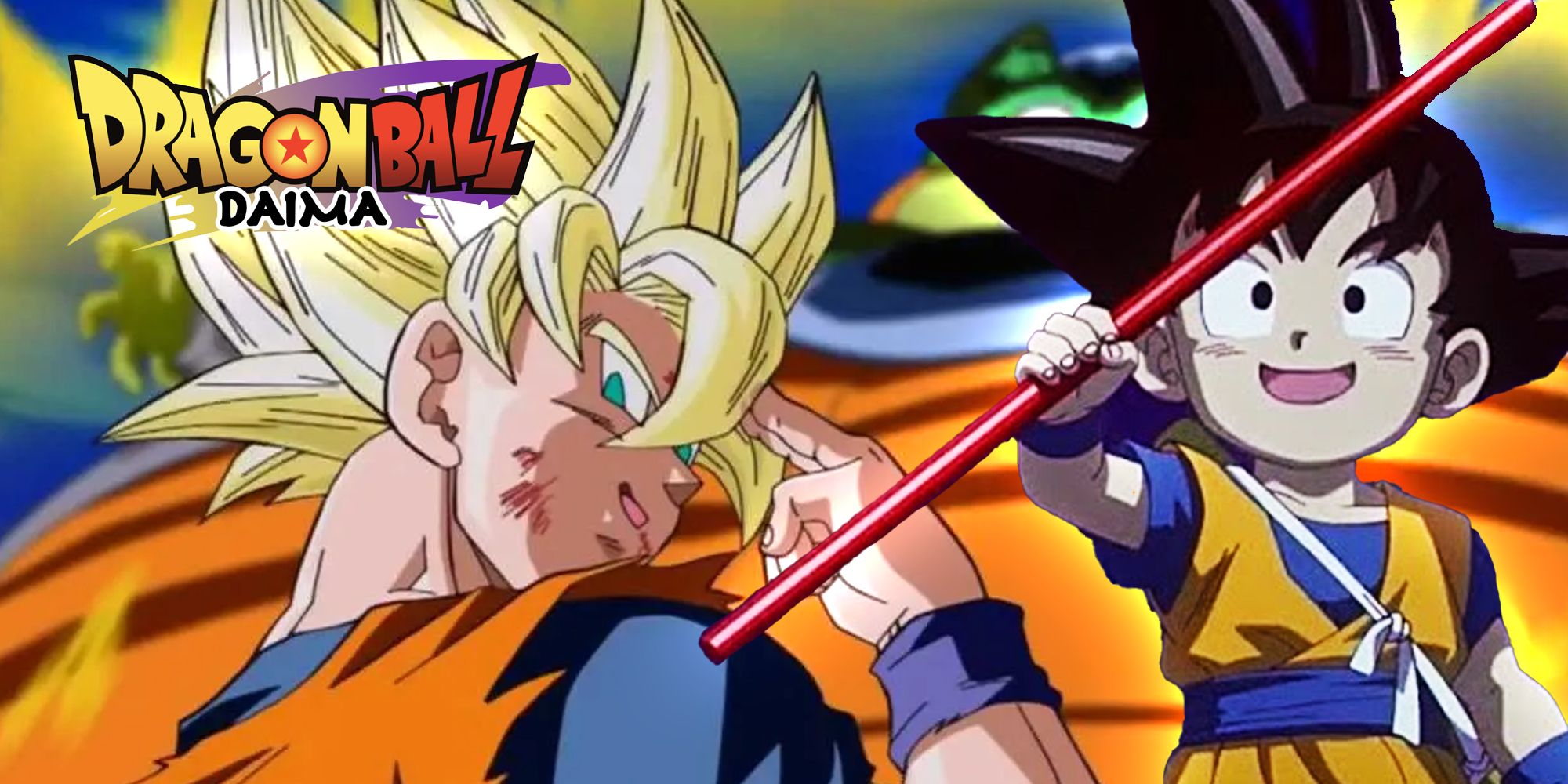
The Korin Tower Connection: A Structural Brand Integration
While the Power Pole disappeared from Goku’s person, it was not deleted from the brand’s history. Instead, it was repurposed into a structural element of the world-building. This is a classic example of “asset repurposing” in narrative branding—taking a character-level tool and making it part of the infrastructure.
The Infrastructure of the Dragon Ball Universe
The Power Pole’s ultimate fate was to serve as the physical bridge between Korin Tower and Kami’s Lookout. In the brand’s lore, the Pole is the only way to reach the “Heavens.” By placing the Power Pole in a fixed location, the brand managers (Toriyama and Toei Animation) effectively “retired” the asset while maintaining its “canon status.” It became a literal pillar of the world’s architecture, signifying that while Goku had moved beyond the need for the tool, the foundation it provided remained essential to the world’s hierarchy.
Purpose-Driven Design: The Pole’s Final Resting Place
In professional branding, when an icon is retired, it is often placed in a “hall of fame” or a legacy museum. By having the Power Pole reside permanently at the top of Korin Tower, the franchise created a landmark. This allowed the brand to maintain the “lore value” of the item without it interfering with the modern aesthetic of Goku’s combat style. It signaled the end of Goku’s apprenticeship and his transition into the role of a master who no longer requires external aids to reach the divine.
Nostalgia Marketing and the Return of Legacy Imagery
Despite its absence in the primary “Z” and “Super” storylines, the Power Pole remains one of the most profitable pieces of iconography in the Dragon Ball portfolio. This is due to the phenomenon of “Nostalgia Marketing,” where brands leverage early assets to appeal to long-term fans and collectors.
Leveraging the “Classic Era” for Modern Merchandising
If you look at modern Dragon Ball merchandising—specifically high-end collectibles and statues—Goku is frequently depicted with the Power Pole. From a brand management perspective, the “Classic Goku” (Kid Goku with the tail and staff) is treated as a separate sub-brand from “Modern Goku.”
The Power Pole serves as the primary visual anchor for this sub-brand. It appeals to the demographic that grew up with the original 1980s run, providing a sense of “purity” and “simplicity” that the modern, complex power-ups lack. This allows the parent brand to capture two distinct market segments: the “Legacy Fans” who value the staff and the “Modern Fans” who value the transformations.
The Power Pole in Non-Canon Media and Fan Engagement
The Power Pole has seen a “brand revival” in non-canon media such as Dragon Ball GT, Dragon Ball Heroes, and various video games. In these spaces, the brand experiments with “What If” scenarios. For instance, “Xeno Goku” often utilizes the Power Pole as a way to differentiate him from the main-timeline Goku. This demonstrates the brand’s understanding that the Power Pole still carries significant “equity.” By re-introducing the Pole in spin-offs, the brand keeps the asset alive for future use without disrupting the continuity of the flagship product.
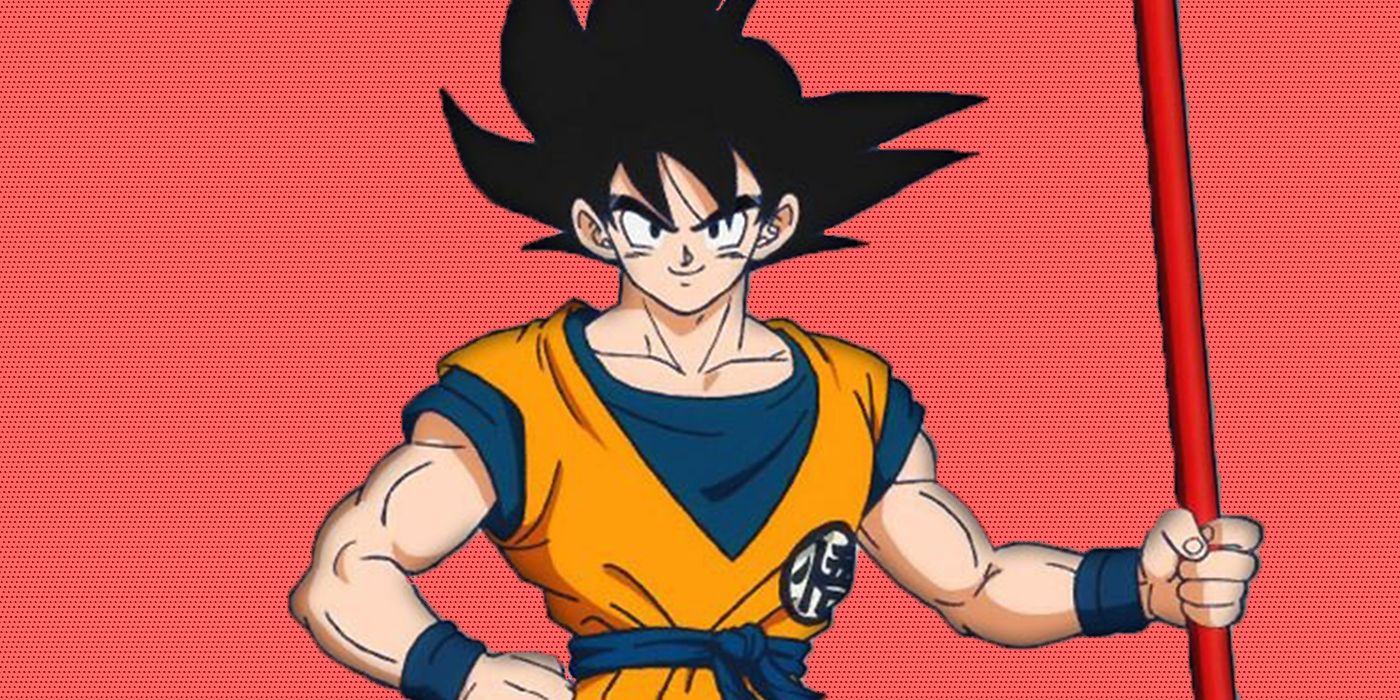
Conclusion: The Strategic Retirement of a Brand Icon
What happened to Goku’s Power Pole was not a narrative accident; it was a masterclass in brand evolution. As the Dragon Ball IP grew from a local success into a global multi-billion dollar entity, its lead character had to grow with it. The Power Pole, while iconic, represented a version of the brand that was too small for the universe it eventually created.
By transitioning the Pole from a character tool to a world-building structural element, the brand successfully:
- Maintained Lore Integrity: It didn’t just “disappear”; it was given a permanent, respected place in the world.
- Allowed for Evolution: It cleared the visual clutter to allow for more modern, scalable transformations.
- Preserved Equity: It kept the item available for nostalgia-driven marketing and merchandising.
The Power Pole remains atop Korin Tower, a silent testament to where the brand began. While Goku may have moved on to the power of the gods, the brand ensures we never forget the simple red staff that first reached for the stars. In the world of branding, sometimes the best way to move forward is to leave your most iconic tools behind, turning them from functional assets into legendary symbols.
aViewFromTheCave is a participant in the Amazon Services LLC Associates Program, an affiliate advertising program designed to provide a means for sites to earn advertising fees by advertising and linking to Amazon.com. Amazon, the Amazon logo, AmazonSupply, and the AmazonSupply logo are trademarks of Amazon.com, Inc. or its affiliates. As an Amazon Associate we earn affiliate commissions from qualifying purchases.