
The character arc of Glenn Rhee in The Walking Dead serves as one of the most compelling case studies in modern television history, not just for its emotional impact on audiences, but for its profound implications on brand strategy, character positioning, and the management of a high-value intellectual property. When analyzing the trajectory of such an iconic figure, we must look beyond the plot points and examine how the showrunners navigated the delicate balance of audience loyalty versus the necessity of narrative evolution.

The Evolution of Brand Loyalty: Glenn as the Moral Compass
In the ecosystem of The Walking Dead, characters function much like products within a brand portfolio. Glenn Rhee entered the narrative as a utility player—a delivery pizza boy with agile skills who quickly transitioned into the heart and soul of the survivor group. From a branding perspective, Glenn represented “the relatable hero.” Unlike the hardened archetypes of Rick Grimes or the cynical survivalist nature of Daryl Dixon, Glenn maintained a core identity rooted in optimism, human decency, and long-term vision.
The Value of Consistency
For any brand, consistency is the bedrock of consumer trust. Glenn was the constant variable in an ever-shifting landscape of chaos. By maintaining his core values—loyalty, empathy, and courage—he built an unmatched level of brand equity with the audience. When viewers tuned in, they were looking for a moral tether, and Glenn provided that anchor. This created a specific challenge for the creators: when a brand identity becomes too stable, it can inadvertently limit the “risk profile” of the narrative. To increase the stakes, the brand managers—in this case, the writers—had to eventually test that stability.
The Pivot Point: Transitioning from Survivor to Leader
As the series progressed, Glenn’s character arc underwent a strategic pivot. He moved from a peripheral scout to a pillar of the community at the Alexandria Safe-Zone. This evolution mirrored a brand moving from a startup phase to a mature corporate entity. He began to represent the promise of a future, signaling to the audience that civilization could be rebuilt. This shift significantly increased his “brand value” within the show, making him not just a beloved character, but a symbol of the audience’s hope for the show’s ultimate resolution.
Narrative Risk Management: The “Fake-Out” and Audience Trust
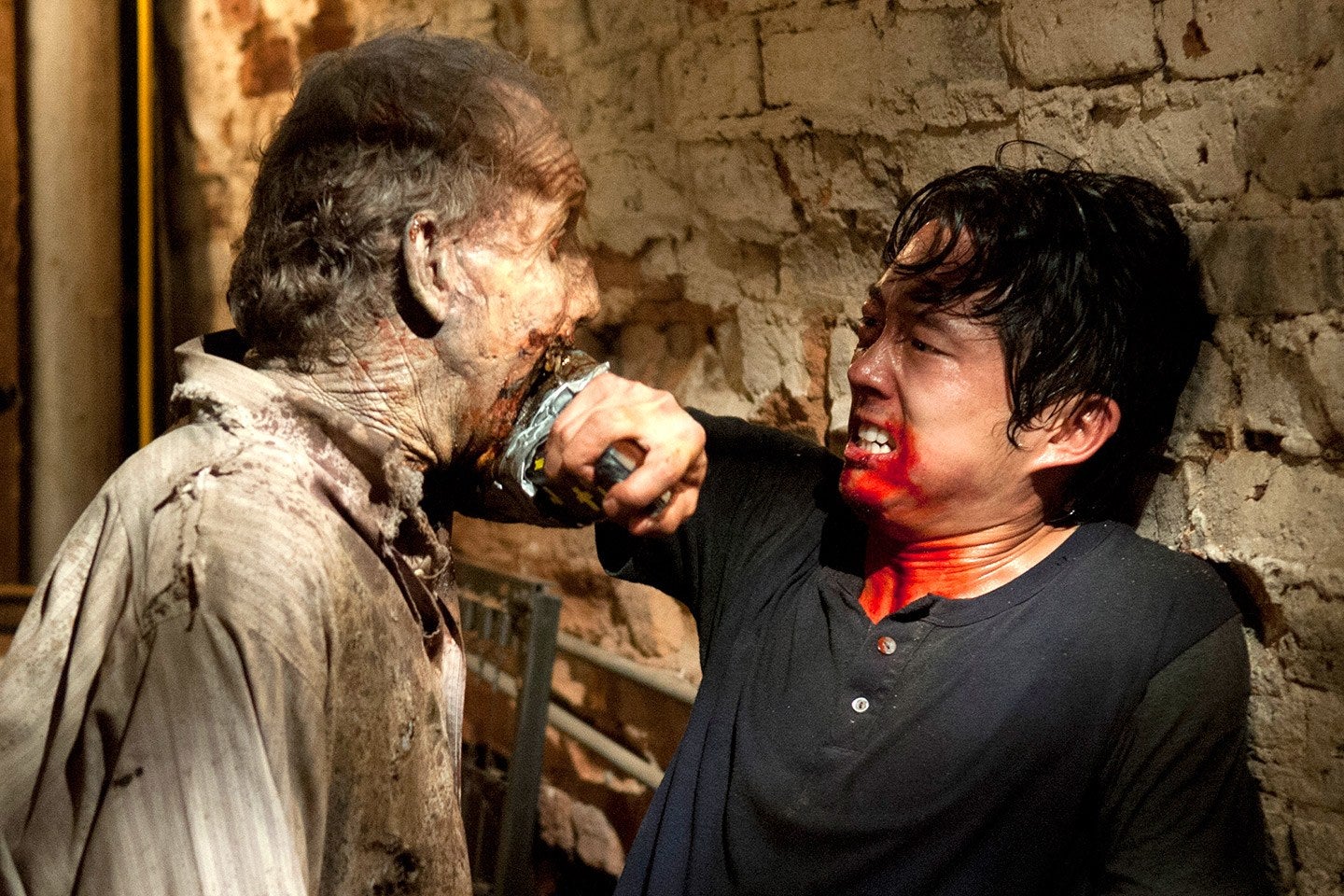
The most controversial branding maneuver regarding Glenn’s character occurred in the dumpster sequence during Season 6. By temporarily “killing” Glenn in a way that left the door open for his survival, the show utilized a high-stakes marketing tactic often seen in digital engagement strategies: the “cliffhanger bait.”
The Cost of Misleading the Consumer
When a brand misleads its core demographic, there is an immediate risk of brand dilution. The decision to fake Glenn’s death resulted in a period of intense fan backlash. From a marketing strategy perspective, this demonstrated that even in entertainment, there is a “contract” between the content creator and the consumer. If you manipulate the audience’s emotional investment too transparently, you risk breaking the brand promise. The audience felt cheated, not because they wanted Glenn to die, but because the narrative manipulation felt unearned.
Rebuilding Equity After the Dust Settled
Once Glenn returned, the writers had to work overtime to restore the integrity of his arc. They doubled down on his relationship with Maggie Greene, leveraging the “power couple” trope to further humanize his struggle. This was a tactical retreat: when a brand strategy fails, you return to your core assets. By focusing on his personal connections and his impending fatherhood, the show managed to restore the emotional stakes that had been dampened by the dumpster incident.
The Final Termination: Deciphering the Strategic Brutality of Season 7
The death of Glenn at the hands of Negan was not merely a narrative choice; it was a cold, calculated re-branding of the entire series. By removing the show’s most consistent moral compass, the creators forced a systemic change in the tone of The Walking Dead.
Disruptive Innovation through Tragedy
In business, disruptive innovation often requires the destruction of legacy systems. By eliminating Glenn, the writers destroyed the “old way” of doing things—the hope, the optimism, and the belief that good people survive through sheer willpower. They replaced it with the reality of the “New World Order” characterized by Negan’s rule. This was a jarring transition, akin to a tech company suddenly deprecating a beloved software feature to force users onto a new, more aggressive platform. The shock was the point; it was meant to signal that the brand had matured into a darker, more unforgiving genre.
Impact on Brand Equity and Retention
Was this the right move? From a long-term retention standpoint, the decision remains debated. Killing off a character with such high affinity scores inevitably leads to churn—viewers who simply stop watching because their “favorite feature” is gone. However, from a creative brand perspective, it was the only way to establish the villain as a genuine threat. If the “best” character could be extinguished so casually, no one was safe. The brand had successfully pivoted from a story of hope to a story of endurance.
The Legacy of Glenn Rhee: Brand Longevity and Influence
Even years after his departure, Glenn remains the benchmark against which other characters are measured. This speaks to the power of a well-defined character strategy. He was never just a survivor; he was a manifestation of the audience’s desire for progress.
The “Glenn Effect” in Modern Television
We see the “Glenn Effect” in modern streaming content, where writers now carefully curate characters to serve as emotional lightning rods. The industry learned from The Walking Dead that the most effective way to maximize narrative tension is to invest heavily in the brand equity of a character, only to deploy their absence as a tool for deeper exploration of the remaining cast.

Strategic Lessons for Content Creators
- Invest in Core Values: Build characters that stand for something beyond their immediate circumstances. Glenn stood for humanity; that is why he mattered.
- Handle Audience Trust with Care: Manipulative plot devices yield short-term engagement but long-term resentment. Authenticity matters more than shock value.
- Understand the “Exit Strategy”: A character’s departure should serve a higher strategic purpose for the overall narrative. When a major asset is removed, it must justify the shift in the brand’s direction.
Ultimately, what happened to Glenn in The Walking Dead was a masterclass in the intersection of storytelling and audience psychology. His arc—from the humble delivery boy to the sacrifice that changed the world—provides a roadmap for how to cultivate, leverage, and eventually transition a brand’s most vital identity. He remains a testament to the idea that a character is never truly gone as long as their impact continues to define the landscape they left behind. Through the lens of brand strategy, Glenn Rhee was not just a survivor; he was the standard by which all subsequent survival was measured.
aViewFromTheCave is a participant in the Amazon Services LLC Associates Program, an affiliate advertising program designed to provide a means for sites to earn advertising fees by advertising and linking to Amazon.com. Amazon, the Amazon logo, AmazonSupply, and the AmazonSupply logo are trademarks of Amazon.com, Inc. or its affiliates. As an Amazon Associate we earn affiliate commissions from qualifying purchases.