
The journey of Dr. George O’Malley through the halls of Seattle Grace Hospital, later Seattle Grace Mercy West, and finally Grey Sloan Memorial, was a cornerstone of Grey’s Anatomy for much of its early and mid-run. His character, often perceived as the unassuming, earnest everyman amidst a sea of ambitious and often morally ambiguous surgeons, provided a crucial emotional anchor for viewers. While the question of “what happened to George O’Malley” primarily refers to his tragic in-universe demise, a deeper examination reveals a carefully crafted character arc that explored themes of growth, purpose, and the profound impact of individual lives on a collective narrative. This exploration delves into the trajectory of his career, his personal development, and the ultimate, devastating event that defined his exit from the series, analyzing it not merely as a plot point, but as a significant thematic and emotional beat within the larger tapestry of Grey’s Anatomy.

The Unfolding of a Surgical Dream: George’s Early Years at Seattle Grace
George O’Malley’s introduction to the world of Grey’s Anatomy was marked by an endearing vulnerability. He was the intern who fumbled, who doubted himself, and who often felt overshadowed by his more confident peers like Meredith Grey, Cristina Yang, Izzie Stevens, and Alex Karev. Yet, beneath this initial facade of insecurity lay a deep-seated passion for medicine and a profound sense of empathy.
The Insecure Intern and the Stumbles of Inexperience
From his very first moments at Seattle Grace, George struggled to find his footing. His performance in his initial surgical rotations was often characterized by a lack of confidence, famously leading to him being dubbed “007” (a play on “00” for his low score on his intern exam and “7” for his perceived low rank). This label, initially a source of embarrassment, became a shorthand for his journey of overcoming self-doubt. Viewers witnessed his anxieties in high-pressure situations, his fear of making mistakes, and his constant quest for validation from the attending surgeons, particularly from Dr. Miranda Bailey, who served as a stern but ultimately caring mentor. His early surgical attempts were often marked by minor setbacks, creating relatable moments of human error and highlighting the steep learning curve inherent in the medical profession. These initial struggles were crucial in establishing his character as someone the audience could root for, someone who was actively fighting against his own perceived limitations.
The Seed of Compassion: Empathy as a Defining Trait
Despite his surgical shortcomings in the early stages, George possessed an innate ability to connect with patients on a deeply human level. This empathy, often more pronounced than in some of his more technically gifted colleagues, became a defining characteristic. He was the doctor who spent extra time with patients, who listened to their stories, and who offered comfort and reassurance. This compassionate approach was evident in his interactions with patients dealing with life-altering diagnoses, personal tragedies, or simple, everyday anxieties. His genuine concern for their well-being often transcended the sterile environment of the hospital, reminding both the characters and the audience of the true purpose of medicine: to heal and to care. This trait would later become a crucial element in his development as a surgeon, as he learned to balance technical skill with emotional intelligence.
The Pursuit of Specialization: Finding a Surgical Niche
As George progressed through his internship and into his residency, he grappled with the daunting task of choosing a surgical specialty. Unlike some of his peers who had a clear path, George’s journey was one of exploration and self-discovery. He dipped his toes into various fields, from general surgery to orthopedic surgery, trying to find where his skills and passions best aligned. This period was characterized by further learning, both in terms of surgical techniques and in understanding his own aptitudes. His attempts at different specialties were not always successful, but each experience contributed to his growth, refining his understanding of his strengths and weaknesses. Ultimately, his dedication and perseverance, coupled with the unwavering encouragement of his mentors and friends, began to shape him into a competent and compassionate surgeon in his own right.
The Growth of Dr. O’Malley: From Intern to Surgeon
George O’Malley’s evolution from a bumbling intern to a promising surgeon was one of the most significant character arcs in the early seasons of Grey’s Anatomy. His journey was not just about acquiring surgical skills; it was about maturing, gaining confidence, and discovering his true potential.
Overcoming Personal Adversity and Building Resilience
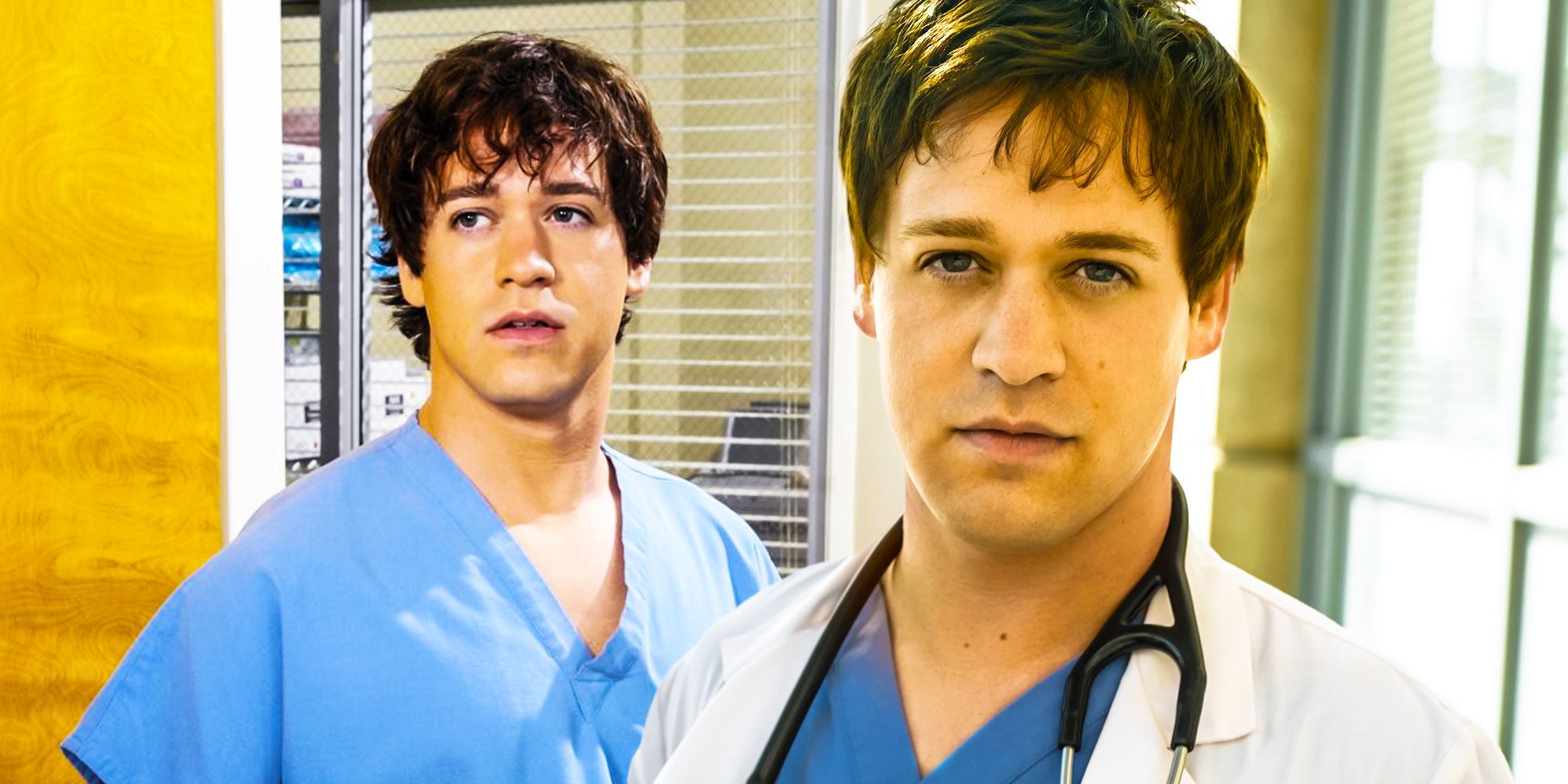
George’s path was far from smooth. He faced numerous personal challenges that tested his resilience. His unrequited love for Meredith Grey, his rocky relationship with Callie Torres, and the constant pressure to prove himself all contributed to a complex emotional landscape. The loss of his father, a significant event that deeply impacted him, forced him to confront mortality and his own vulnerabilities in a profound way. These experiences, while painful, were instrumental in building his character. He learned to pick himself up after setbacks, to navigate difficult relationships, and to find strength in his support system. His ability to persevere through these personal trials directly translated into his growth as a medical professional, as he developed a deeper understanding of the human condition and the emotional toll that illness and injury can take.
The Defining Moments of Surgical Competence
While George’s early career was marked by uncertainty, there were pivotal moments where his latent talent and dedication shone through. These were the instances where he, against the odds or through sheer determination, executed a complex procedure or made a critical decision that saved a patient’s life. These successes, though perhaps less flamboyant than those of some of his peers, were crucial for his self-belief and for the perception of him by his colleagues and mentors. They demonstrated that his empathy was not a weakness but a complementary strength to his developing surgical acumen. These defining moments were not just about technical skill but about the crucial combination of knowledge, quick thinking, and the unwavering commitment to patient care that marked his progress.
Embracing His Role: The Steadfast and Caring Surgeon
By the later seasons of his tenure, George had shed much of his earlier insecurity. He had become a dependable, capable surgeon, known for his thoroughness and his unwavering focus on patient well-being. He was no longer the intern who needed constant supervision but a colleague who could be relied upon. His bedside manner, always a strength, became even more polished, and his surgical skills were honed through experience. He had found his place within the surgical hierarchy, earning the respect of his peers and the gratitude of his patients. This transformation underscored the series’ consistent theme of growth and the idea that even the most unassuming individuals can achieve greatness through dedication and perseverance.
The Tragic Exit: George O’Malley’s Final Sacrifice
The narrative arc of George O’Malley reached its heartbreaking conclusion with a selfless act of bravery that encapsulated his journey from an uncertain intern to a heroic figure. His death was not just a plot device; it was a profound thematic statement about sacrifice, legacy, and the enduring impact of a life lived with purpose.
The Unforeseen Accident and the Race Against Time
The circumstances surrounding George’s fatal accident were sudden and shocking. Hit by a bus while in the process of saving a civilian from oncoming traffic, he was rushed to the hospital in critical condition. The ensuing hours were a desperate race against time, with his friends and colleagues fighting to save his life. This sequence was designed to maximize emotional impact, highlighting the fragility of life and the unexpected ways in which tragedy can strike. The graphic nature of his injuries and the desperate efforts of his loved ones to save him underscored the gravity of the situation and the deep bonds that had formed between the doctors.
The Unveiling of Identity: A Legacy of Selflessness
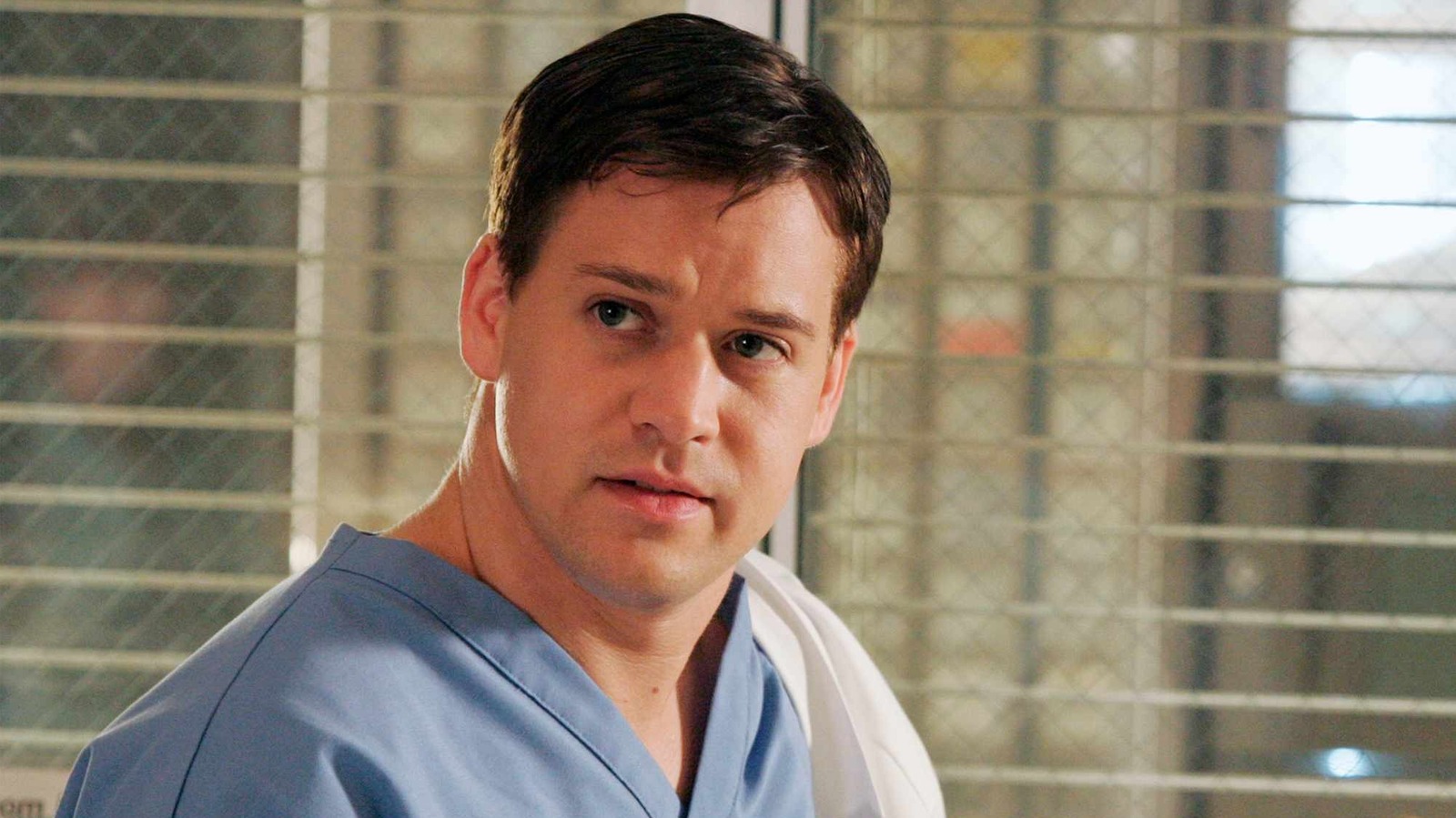
In a poignant and devastating reveal, George’s identity was only recognized by Meredith when he wrote her name in her hand, having been rendered unable to speak due to his severe facial trauma. This moment served as a stark reminder of the importance of individual identity and the profound connections that bind people together, even in the face of unimaginable physical disfigurement. His final act of sacrificing himself to save another was the ultimate testament to the compassionate and heroic surgeon he had become. It was the culmination of his character development, a definitive demonstration of his courage and his commitment to the core principles of medicine.
The Impact of Loss: A Void in Seattle Grace
George O’Malley’s death left an indelible mark on Seattle Grace and its inhabitants. His absence was keenly felt by his friends, colleagues, and particularly by Izzie Stevens, with whom he shared a deeply significant relationship. His passing served as a catalyst for further character development, forcing the surviving doctors to confront their own mortality, the fragility of their profession, and the enduring power of love and friendship. The memory of his kindness, his dedication, and his ultimate sacrifice continued to inspire them, serving as a constant reminder of the profound impact one life can have on many. His legacy was not just in the patients he saved or the surgeries he performed, but in the hearts of those he touched, solidifying his place as one of Grey’s Anatomy‘s most beloved and impactful characters.
aViewFromTheCave is a participant in the Amazon Services LLC Associates Program, an affiliate advertising program designed to provide a means for sites to earn advertising fees by advertising and linking to Amazon.com. Amazon, the Amazon logo, AmazonSupply, and the AmazonSupply logo are trademarks of Amazon.com, Inc. or its affiliates. As an Amazon Associate we earn affiliate commissions from qualifying purchases.