
The Long Shadow of the Ring: Frodo’s Post-Quest Life
Frodo Baggins, the unassuming hobbit from the Shire, became the reluctant hero of Middle-earth, bearing the immense burden of the One Ring and ultimately destroying it in the fires of Mount Doom. His journey was one of unimaginable sacrifice, courage, and profound trauma. But what happened to Frodo after the echoes of war faded and peace was supposedly restored? While the immediate aftermath saw him celebrated and hailed as a savior, the true story of Frodo’s post-quest life is one of lingering shadows, quiet melancholy, and a profound sense of displacement that speaks volumes about the enduring impact of trauma and the often-unseen consequences of heroism. This is not a tale of triumphant retirement, but rather a nuanced exploration of a soul irrevocably altered by an experience few could comprehend.
The Weight of Unseen Scars: Psychological Aftermath
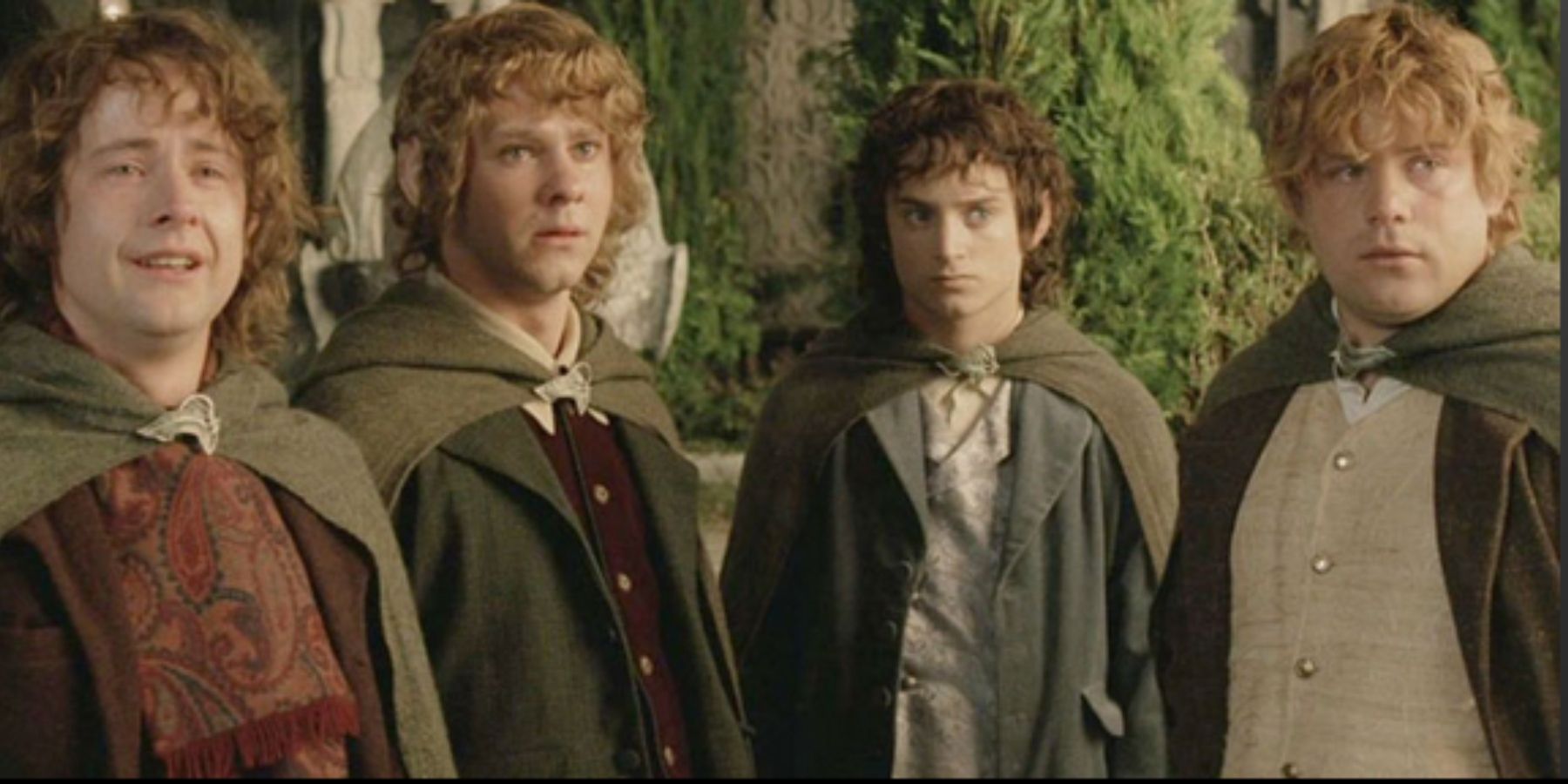
The physical wounds Frodo sustained – the Morgul-blade stab, the spider bite, the burns from Mount Doom – were significant and left indelible marks. However, the deeper wounds were invisible, festering in the recesses of his mind. The weight of carrying the Ring, its insidious whispers, and the constant temptation it posed, had a profound psychological toll. Even after its destruction, the echoes of its influence remained, a spectral presence that haunted his waking hours and colored his dreams.
The Lingering Whisper of the Ring
The One Ring was not merely an object of power; it was a sentient entity that preyed on the wearer’s deepest desires and fears. Frodo, despite his inherent goodness, was subjected to its relentless psychological assault for an extended period. Even without the Ring, the ingrained paranoia, the heightened sense of danger, and the ingrained suspicion of others lingered. He had learned to trust his own judgment above all else, a necessary survival mechanism during his quest, but one that made it difficult to fully reintegrate into the communal life of the Shire. The world, once filled with simple joys, now seemed tinged with a subtle menace that only he could perceive. This constant vigilance, while a testament to his strength, also created an internal barrier, separating him from those who had not shared his ordeal.
The Burden of Memory and Nightmares
The memories of Mordor, of Shelob’s lair, of the desolate plains and the suffocating dread, were not easily banished. These experiences, etched into his psyche, manifested as vivid nightmares. He would wake in a cold sweat, reliving moments of terror and despair, the screams of the Nazgûl still ringing in his ears. These nocturnal visitations served as constant reminders of what he had endured, preventing him from finding true rest and solace. The peace he had fought so hard to secure for others remained elusive for him. The joy of the Shire felt distant, a fragile illusion that could be shattered by the persistent specter of his past. This internal conflict made it challenging to participate fully in the celebrations and the restoration of normalcy.
A Changed Perspective: The Disconnect with the Shire
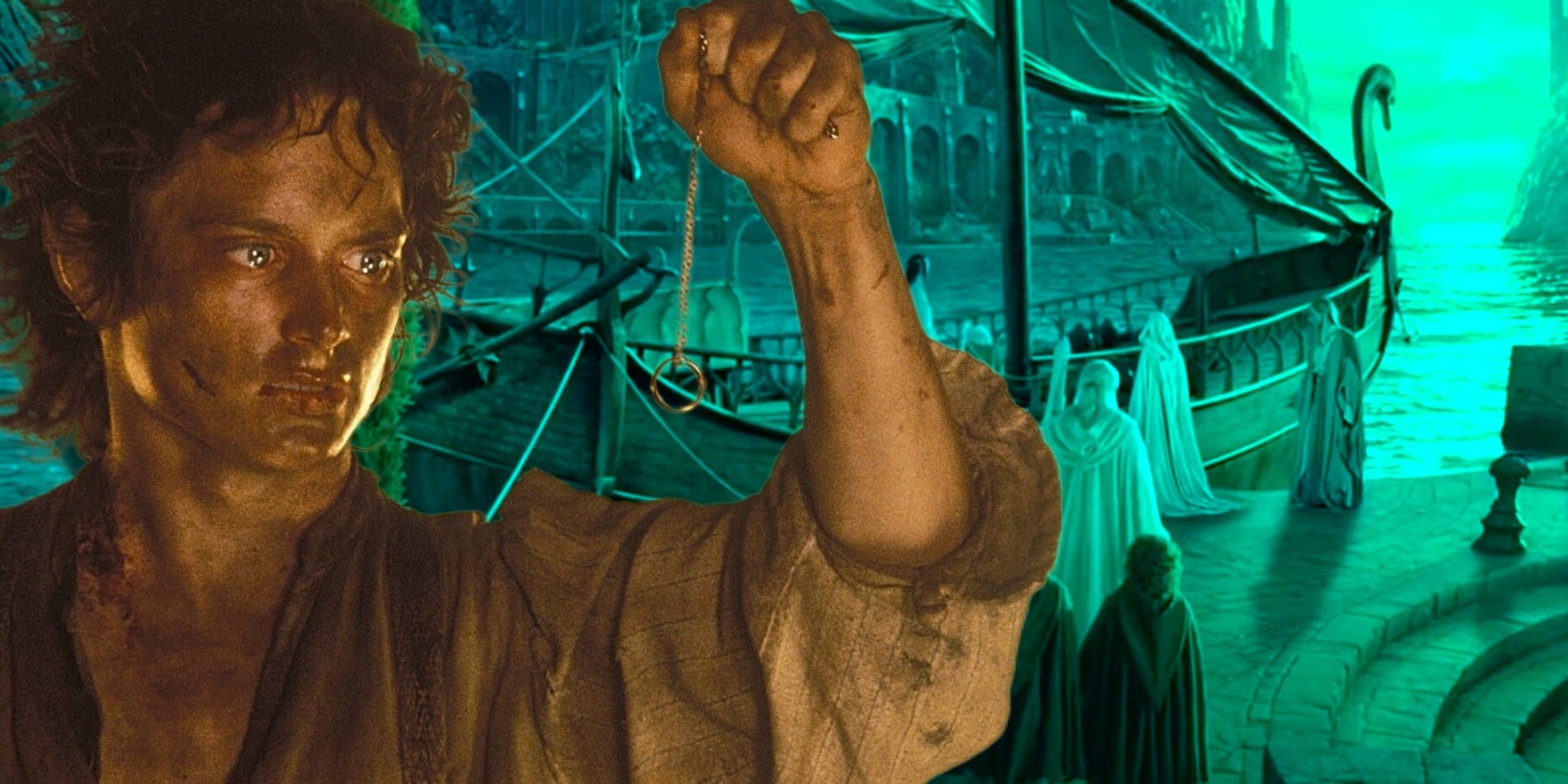
Frodo returned to the Shire a hero, a figure of legend. Yet, he found himself increasingly unable to connect with the simple pleasures and concerns of his kinsfolk. The life he once cherished now felt distant, almost alien. The petty squabbles, the gossip, and the everyday routines that once occupied hobbit lives seemed trivial in the face of the cosmic struggle he had witnessed and participated in.
The Triviality of Shire Life
For Frodo, the Shire represented innocence and peace, a fragile paradise worth fighting for. However, after confronting the true depths of evil and witnessing the vastness of the world beyond his borders, the familiar comfort of hobbit life began to feel constricting. The concerns of his neighbors about gardening, harvest yields, and social etiquette, while perfectly valid in their own context, now seemed incredibly small. He had walked through the shadows of a world teetering on the brink of annihilation; returning to debates about the best way to preserve mushrooms felt like a betrayal of that experience. This sense of disconnect was not born of arrogance, but from a profound shift in his understanding of reality and the stakes involved.
The Alienation of the Hero
The adulation of the Shire, while well-intentioned, also served to isolate Frodo further. He was lauded as a hero, but few truly understood the depth of his suffering. Their praise was for the outward accomplishment, not for the internal battle he had fought and continued to fight. This created a chasm between him and his community. He was a celebrated outsider, a figure admired from a distance, but not fully integrated into the fabric of everyday life. This feeling of being perpetually on the periphery, despite his central role in saving them all, contributed to his growing melancholy. He longed for understanding, but found only admiration, a poor substitute for genuine connection.
The Call of the Undying Lands: A Search for True Healing
It became increasingly clear that the Shire, despite its beauty and the love of its people, could no longer offer Frodo the solace he desperately needed. The wounds he carried were too deep to be healed by the familiar rhythms of hobbit life. He sought a place where the echoes of the Ring would finally fall silent, a place of true peace and respite.
The Limits of Mortal Comfort
Frodo’s experiences had transcended the ordinary concerns of mortal life. He had touched upon the ancient powers and the profound evil that shaped Middle-earth. The Shire, a land of mortal beings, could not provide him with the unique healing he required. The physical and psychological scars were too profound, too fundamentally tied to the supernatural forces he had encountered. He was a hobbit who had carried a burden meant for beings of immense power and resilience, and the toll was immense. The familiar comforts of home, once his greatest joy, now felt insufficient to mend a spirit that had been so thoroughly tested and scarred.
The Final Voyage
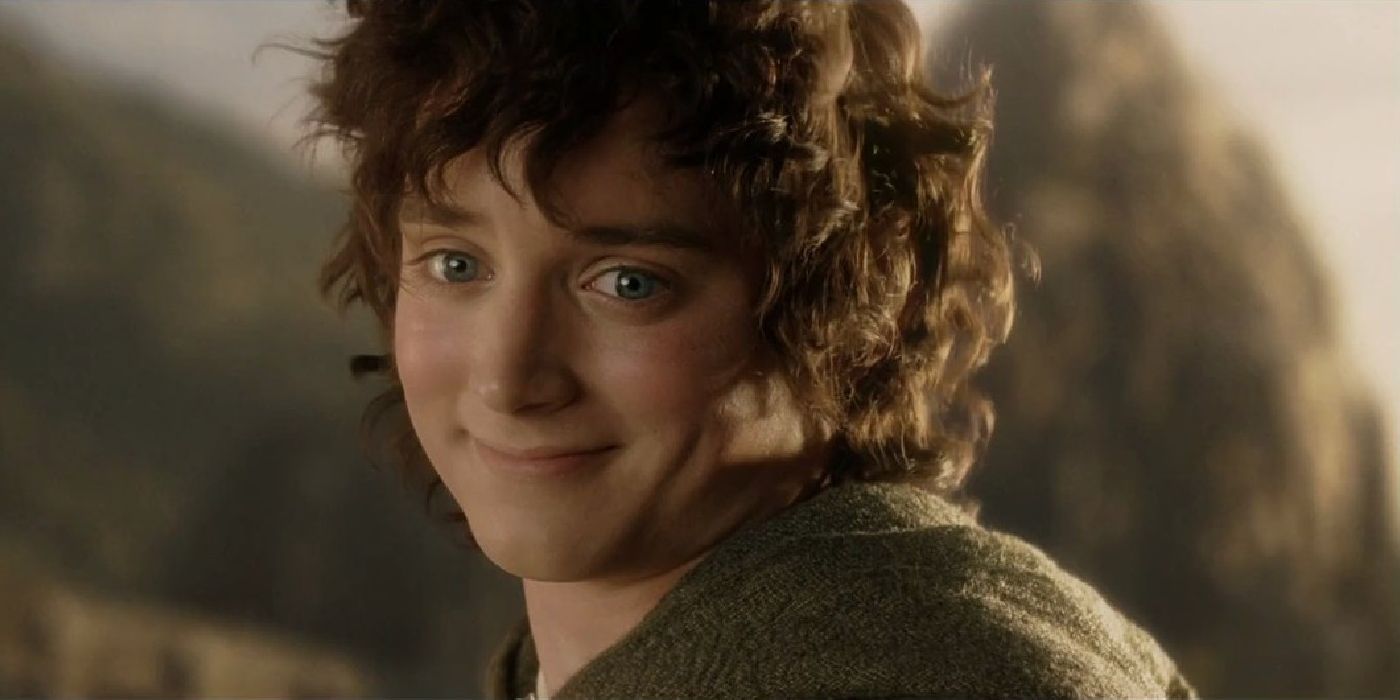
The eventual departure of Frodo, along with Bilbo, Gandalf, and the Elves, to the Undying Lands across the Sea is not a sign of failure, but a testament to the unique nature of his healing. The Undying Lands, a place of eternal peace and beauty, were reserved for those who had borne great burdens and had earned a respite from the cares of the mortal world. For Frodo, this journey was not an escape, but a final, necessary step towards true healing and peace. It was an acknowledgment that some experiences leave an imprint that can only be soothed by the restorative power of a realm beyond mortal comprehension. His final voyage was not an abdication of his responsibilities, but the ultimate fulfillment of his long and arduous journey, a quest for a peace that the mortal world, for all its newfound freedom, could no longer provide. He had paid his dues, and now it was time for him to find his rest.
aViewFromTheCave is a participant in the Amazon Services LLC Associates Program, an affiliate advertising program designed to provide a means for sites to earn advertising fees by advertising and linking to Amazon.com. Amazon, the Amazon logo, AmazonSupply, and the AmazonSupply logo are trademarks of Amazon.com, Inc. or its affiliates. As an Amazon Associate we earn affiliate commissions from qualifying purchases.