
The digital landscape is littered with content series that flash brightly and then fade into the background. However, few have achieved the peculiar, cult-like status and strategic brilliance of “Fridays with Frank.” Originally conceived as a community outreach tool for the Pinal County Sheriff’s Office (PCSO), the series transcended its local origins to become a global case study in personal branding, corporate identity, and the power of “edutainment.” When the frequency of the series shifted and the primary face of the brand transitioned, audiences were left asking: What happened to Fridays with Frank?
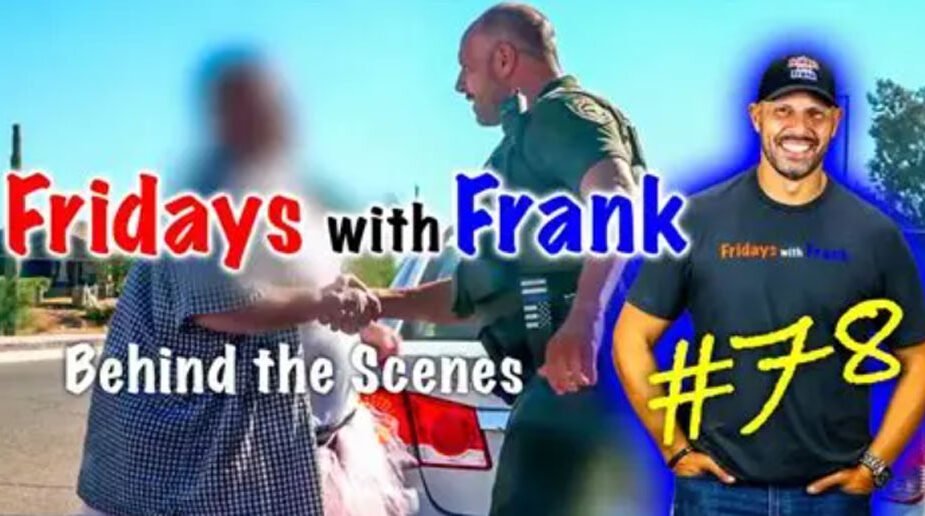
To understand the current state of this digital phenomenon, one must look past the viral clips and analyze the underlying brand strategy that built its success, the inherent risks of personality-driven marketing, and the natural lifecycle of a content-first brand.
The Anatomy of a Viral Brand: Why Fridays with Frank Succeeded
The success of “Fridays with Frank” was not an accident of the algorithm; it was the result of a perfectly executed brand strategy that broke the traditional molds of government communication. Before the series, law enforcement branding was typically rigid, formal, and distant. “Fridays with Frank” introduced a radical shift in corporate identity by utilizing a specific brand voice: the “stern yet relatable mentor.”
Humanizing the Entity Through Personal Branding
At the heart of the series was Deputy Frank Sloup. His persona served as the “human face” of a large, bureaucratic organization. In brand strategy, this is known as the “Personification of the Brand.” By centering the content around a single, charismatic individual, the PCSO moved from being an abstract concept of “authority” to a tangible personality that audiences could connect with, laugh with, and even debate.
The personal branding of Deputy Frank—characterized by his quick wit, signature sunglasses, and unwavering stance on road safety—created a parasocial relationship with millions of viewers. This connection is the holy grail of marketing. When a brand moves from being a service provider to a personality, it gains a level of loyalty and engagement that traditional advertising cannot buy.
The “Edutainment” Framework
The series utilized an “edutainment” model—a hybrid of education and entertainment. Most government-led public service announcements (PSAs) are ignored because they lack engagement. “Fridays with Frank” flipped this by leading with entertainment. The “hook” was the humor or the tension of a traffic stop, while the “value” was the educational component regarding traffic laws and safety. This balance ensured high retention rates, as the audience didn’t feel they were being lectured; they felt they were being entertained while happenstance learning occurred.
The Pivot: Navigating the Lifecycle of Personality-Led Content
Every brand faces the challenge of the “Product Lifecycle,” and content series are no different. After years of rapid growth, “Fridays with Frank” reached a point of saturation. In the world of brand strategy, this is often where a “Pivot” or a “Refresh” becomes necessary to prevent brand fatigue.
Managing Brand Fatigue and Content Evolution
Brand fatigue occurs when an audience becomes over-exposed to the same format, leading to diminishing returns in engagement. For “Fridays with Frank,” the formula—while successful—was inherently limited by its setting. There are only so many ways to discuss a speeding violation before the content begins to feel repetitive.
The shift in the series’ frequency and the eventual transition of Deputy Frank Sloup into different roles or platforms was a strategic move to preserve the brand’s legacy rather than letting it dilute through over-saturation. For the PCSO, the brand had already achieved its primary objective: it had put their department on the map, humanized their officers, and created a massive platform for recruitment and community relations.
The Challenge of Key Person Risk
The most significant hurdle for any brand built around a single individual is “Key Person Risk.” This is a common issue in both corporate identity and personal branding. When the brand is the person, what happens when that person moves on, retires, or changes roles?

The “What happened to Fridays with Frank” query is a direct result of this risk. Because the audience was loyal to the person (Frank) as much as the brand (PCSO), any change in his involvement felt like a loss to the consumer. For the organization, the challenge became: How do we maintain the brand equity built by Frank while transitioning the content to be more sustainable or diverse? This led to the introduction of other deputies and different content styles, a necessary but difficult transition in brand management.
Strategic Lessons for Modern Brand Identity
The rise and evolution of “Fridays with Frank” offer several high-level lessons for brand strategists and marketing professionals looking to build a loyal following in a crowded digital space.
1. Authenticity Over Production Value
In its early days, the series didn’t rely on high-end cinematography or expensive sets. It relied on authenticity. Modern consumers, particularly Gen Z and Millennials, have a high “cynicism filter” for polished corporate marketing. They gravitate toward content that feels raw and real. The “Fridays with Frank” brand was built on real interactions, real dashcam footage, and real reactions. This authenticity built a level of trust that a million-dollar ad campaign could never replicate.
2. Consistency is the Foundation of Trust
The “Fridays” in the title was a strategic promise. By anchoring the content to a specific day of the week, the brand created a habit for its audience. In brand strategy, habit formation is key to long-term retention. When a brand becomes part of an audience’s weekly routine, it moves from being “content” to being a “destination.” The lesson here is that consistency in delivery is just as important as the quality of the content itself.
3. Owning the Narrative in a Crisis
One of the most brilliant aspects of the “Fridays with Frank” brand was how it allowed the PCSO to own the narrative. In an era where law enforcement is often under intense scrutiny, having a direct line of communication with the public—unfiltered by traditional media—is an invaluable brand asset. By being proactive with their content, they could shape public perception rather than simply reacting to it. This is a vital strategy for any corporate entity operating in a high-stakes environment.
The Future of the “Frank” Model and Corporate Identity
While the “classic” era of “Fridays with Frank” has evolved, its impact on brand strategy persists. The series proved that even the most “boring” or “serious” organizations could find a voice that resonates with a global audience.
The Transition to Multichannel Branding
We are seeing the “Frank” model being adopted by other industries. From law firms to manufacturing plants, brands are realizing that they need a “Frank”—a personality who can translate corporate values into engaging content. The “What happened” isn’t a story of a brand failing, but of a brand maturing. The PCSO has continued to leverage digital media, using the foundation laid by the series to explore new formats, such as long-form podcasts and behind-the-scenes documentaries.
The Longevity of Digital Brand Assets
The videos created during the peak of “Fridays with Frank” continue to circulate as “evergreen content.” In the world of online marketing, evergreen assets are those that continue to provide value (and views) long after their initial release. Because the topics—safety, humor, and human interaction—are timeless, the “Fridays with Frank” library remains a powerful tool for brand awareness. It serves as a permanent digital footprint that continues to recruit new followers to the brand’s ecosystem.
Conclusion: The Legacy of a Strategic Masterpiece
The question “What happened to Fridays with Frank” is ultimately a testament to the power of the brand that was built. It didn’t disappear; it evolved, as all successful brands must. The series transitioned from a viral novelty into a cornerstone of a larger, more complex organizational identity.
For brand strategists, the takeaway is clear: find your “Frank.” Find the human element within your organization, lean into authenticity, and don’t be afraid to use humor to deliver your core message. Whether through a specific person or a unique brand voice, the goal is to create a connection that lasts long after the video ends. The “Fridays with Frank” era may have changed form, but the lessons it taught about brand engagement, personal branding, and the power of “edutainment” will influence content strategy for years to come.
aViewFromTheCave is a participant in the Amazon Services LLC Associates Program, an affiliate advertising program designed to provide a means for sites to earn advertising fees by advertising and linking to Amazon.com. Amazon, the Amazon logo, AmazonSupply, and the AmazonSupply logo are trademarks of Amazon.com, Inc. or its affiliates. As an Amazon Associate we earn affiliate commissions from qualifying purchases.