
The digital age has fundamentally altered the lifecycle of a personal brand. In the mid-2010s, the music industry witnessed a seismic shift as the “SoundCloud Rap” era prioritized high-energy aesthetics, viral social media presence, and a direct-to-consumer relationship that bypassed traditional gatekeepers. At the epicenter of this movement was Dexter Tiewon Gore Jr., known professionally as Famous Dex. To understand “what happened” to Famous Dex is to study the evolution, peak, and subsequent erosion of a high-octane personal brand.
This article explores the trajectory of Famous Dex through the lens of brand strategy, analyzing how he built a multimillion-dollar identity and the strategic lessons to be learned from his brand’s decline.
The Architecture of the Famous Dex Brand: Building Viral Equity
Famous Dex did not just happen by accident; his brand was a masterclass in high-visibility marketing. In an era where attention is the primary currency, Dex positioned himself as the ultimate purveyor of “joyful chaos.” His brand was built on three foundational pillars: visual distinctiveness, consistent sonic identity, and relentless digital engagement.
Visual Branding and Identity Systems
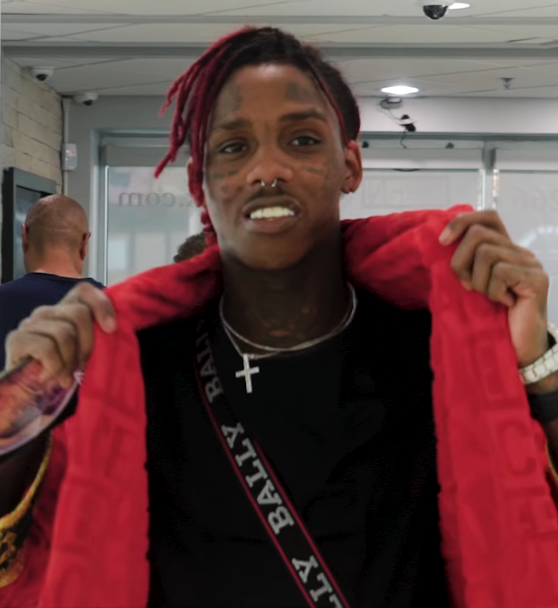
In brand strategy, visual cues are the fastest way to achieve market recognition. Famous Dex utilized a vibrant, neon-colored aesthetic that made him instantly recognizable in a crowded digital landscape. From his signature “Dexter’s Laboratory” references to his colorful hair and eclectic fashion, he created a visual “logo” out of his own persona. This visual consistency allowed him to stand out on platforms like YouTube and Instagram, where a split-second scroll determines whether a user engages with content.
The Power of the “Always-On” Social Strategy
Before the term “influencer” was as ubiquitous as it is today, Dex utilized Instagram Live and Snapchat to create an “always-on” brand experience. He understood that his product wasn’t just his music—it was his lifestyle. By documenting every waking hour, he built deep brand loyalty through perceived intimacy. His audience felt they were part of his daily journey, which converted passive listeners into active brand advocates.
Sonic Branding and the “Dexter” Sound
Consistency is key to brand longevity. Dex developed a sonic signature—characterized by high-energy ad-libs, repetitive hooks, and upbeat production—that functioned as an auditory brand mark. When a listener heard “Ohh-Man-God-Damn,” they immediately knew the brand they were consuming. This level of sonic recognition is similar to the “Intel Bong” or the Netflix “Ta-dum”; it creates immediate brand recall.
Brand Erosion and the Crisis of Reputation Management
Every brand faces a “maturity” phase where it must either evolve or risk obsolescence. For Famous Dex, the transition from a viral sensation to a sustainable industry mainstay was hampered by a series of reputation management crises. In the world of personal branding, the individual’s personal life is the brand’s supply chain; if the supply chain is compromised, the product suffers.
The Conflict Between Persona and Reality
The Famous Dex brand was built on “high energy.” However, as public reports of substance abuse and health struggles began to surface, the “high energy” persona began to look like a liability rather than an asset. From a brand strategy perspective, this created “brand dissonance.” The audience could no longer reconcile the joyful, dancing artist with the concerning images circulating on social media. When a brand’s promise (joy and energy) contradicts the brand’s reality (health crises), consumer trust begins to evaporate.
Strategic Misalignment in Partnerships
Early in his career, Dex’s association with Rich The Kid and the “Rich Forever” imprint was a textbook example of brand synergy. They cross-pollinated their audiences and strengthened their market position. However, as Dex’s personal brand faced instability, these strategic partnerships became strained. In corporate branding, when a sub-brand becomes a liability, the parent brand often distances itself. The lack of a stable corporate infrastructure or a crisis management team allowed Dex’s brand to drift without a clear corrective strategy.
The Impact of Public Relations Failures
In the digital age, a brand’s response to a crisis is often more important than the crisis itself. Dex’s public struggles were often played out in real-time on the same platforms that built his fame. Without a professional PR filter, the brand narrative was dictated by gossip blogs and concerned fans rather than a controlled strategic message. This led to a loss of “Brand Equity,” making it difficult for him to secure high-level sponsorships or mainstream collaborations that require a “safe” brand image.

The Digital Footprint: Social Media as a Double-Edged Sword
For Famous Dex, social media was both the architect of his success and the catalyst for his brand’s overexposure. In brand management, there is a fine line between “accessibility” and “over-saturation.”
The Saturation Point and Brand Fatigue
By being “always-on,” Dex eventually hit a saturation point. When a brand is constantly present without a change in narrative or a new product “drop,” the audience can experience brand fatigue. The novelty of the viral videos began to wear off, and without a strategic pivot into a new “era” (a tactic used successfully by artists like Tyler, The Creator or Drake), the Dex brand remained stagnant in its 2016-2018 iteration.
Algorithm Dependency and the Evolution of Platforms
Dex’s brand was optimized for the Instagram and SoundCloud algorithms of 2017. As platforms shifted toward TikTok and short-form vertical video with different engagement metrics, many artists of that era struggled to adapt. Brand sustainability requires “platform agility”—the ability to translate a brand identity across changing technological landscapes. Dex’s brand was so heavily tied to a specific “vibe” of a specific era that it struggled to find its footing in the post-pandemic digital economy.
Lessons in Personal Brand Sustainability: Why Longevity Matters
The trajectory of Famous Dex provides a vital case study for modern creators and brand strategists. Building a brand is about the sprint; maintaining a brand is about the marathon.
The Necessity of Brand Evolution
A successful personal brand must have the capacity to grow with its audience. The “wild youth” archetype has an expiration date. To maintain market share, a brand must eventually transition into a “legacy” phase or a “sophisticated” phase. Dex’s brand struggled to make this pivot, remaining tethered to an image that became increasingly difficult to sustain as he aged and faced life’s complexities.
The Value of “Dark Time” in Brand Strategy
One of the most effective strategies for a declining brand is a “rebrand through absence.” By stepping away from the spotlight, a brand can reset public expectations and return with a new narrative. Dex’s constant presence—even during his lowest points—prevented him from ever having a “comeback moment.” In brand strategy, sometimes the most powerful move is silence, allowing the market to miss the product before introducing a “New and Improved” version.
Wellness as a Brand Pillar
In the modern market, consumers are increasingly conscious of the human element behind the brand. For personal brands, self-care and wellness are no longer just personal matters; they are essential for brand stability. A brand that is perceived as “unstable” is a high-risk investment for labels, promoters, and corporate partners. Establishing “Brand Safety” through personal stability is a prerequisite for long-term financial success in the entertainment industry.

Conclusion: The Current State of the Dex Brand
What happened to Famous Dex is not just a story of a rapper’s career path; it is a case study on the volatility of the digital-first personal brand. Today, the Famous Dex brand exists in a state of potential recovery. With stints in rehabilitation and occasional returns to music, there is a path toward brand “reclamation.”
For the Dex brand to return to its former heights, it would require a complete strategic overhaul: a shift from the “viral chaos” of the past to a narrative of “resilience and redemption.” In the world of branding, the “Redemption Arc” is one of the most powerful narratives available. If managed correctly, the very struggles that eroded his brand equity could become the foundation for a more mature, relatable, and sustainable identity.
The story of Famous Dex serves as a reminder that while the internet can build a brand overnight, the longevity of that brand depends on strategic management, the ability to evolve, and the protection of the brand’s most valuable asset: the health and reputation of the individual behind the name.
aViewFromTheCave is a participant in the Amazon Services LLC Associates Program, an affiliate advertising program designed to provide a means for sites to earn advertising fees by advertising and linking to Amazon.com. Amazon, the Amazon logo, AmazonSupply, and the AmazonSupply logo are trademarks of Amazon.com, Inc. or its affiliates. As an Amazon Associate we earn affiliate commissions from qualifying purchases.