
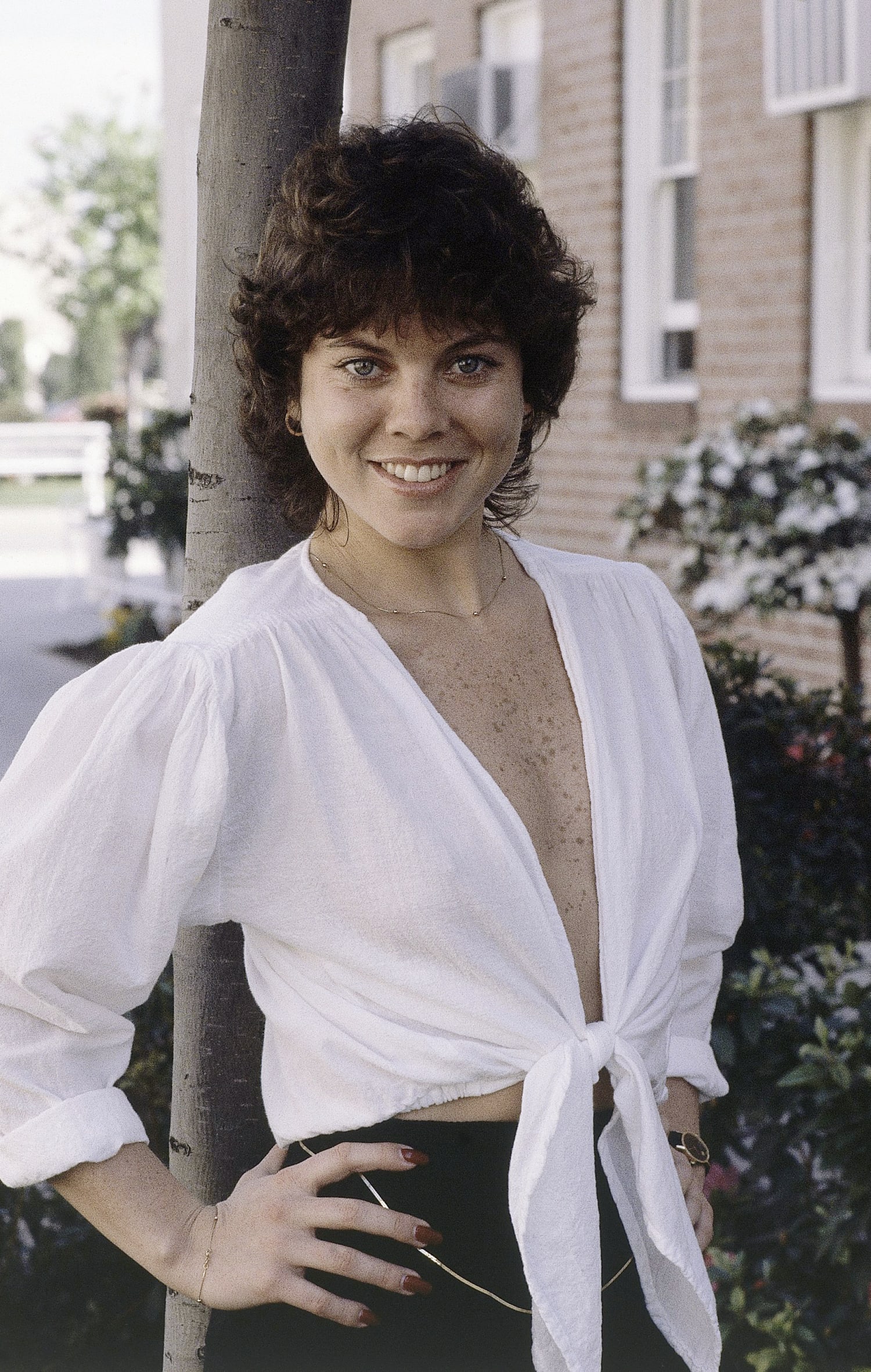
The trajectory of a child star is often viewed through the lens of a Hollywood narrative—a rise to stardom followed by a potential fall. However, when we examine the life and career of Erin Moran, best known as Joanie Cunningham on the iconic sitcom Happy Days, the story transcends entertainment news and becomes a profound case study in personal finance, wealth management, and the precarious nature of variable income.
The question of “what happened to Erin Moran” is often answered with tragedy, but from a financial perspective, it serves as a cautionary tale about the importance of financial literacy, the volatility of the entertainment industry’s payment structures, and the necessity of long-term asset protection. Understanding the economic mechanics behind her life helps illuminate the challenges faced by anyone whose income is front-loaded in their youth.

The Residuals Trap: Understanding Variable Income in Entertainment
In the world of personal finance, stability is the cornerstone of wealth building. For television actors in the 1970s and 80s, income was often categorized by two phases: the initial salary and the residuals. Erin Moran’s career peaked during an era where syndication was becoming a gold mine for studios, yet the contractual structures for actors did not always reflect the long-term value of the content.
The Mechanics of Screen Actors Guild (SAG) Residuals
Residuals are payments made to creators and performers for the reuse of their work. For a star like Moran, Happy Days was a massive success that lived on in reruns for decades. However, the financial reality of residuals is that they are front-heavy. Under standard SAG-AFTRA agreements, the amount paid decreases with each subsequent airing. By the time a show has been in syndication for thirty years, the checks that once arrived in the thousands might dwindle to mere cents. Relying on residuals as a primary source of long-term income is a high-risk financial strategy because it fails to account for the “decay rate” of the asset’s earning power.
Inflation and the Diminishing Returns of Syndication
A significant factor in the financial decline of many stars from the 1970s is the silent erosion of purchasing power. The dollars earned during the peak of a show’s popularity do not maintain their value unless they are aggressively reinvested. For those who treated their residual checks as a steady salary rather than a diminishing dividend, the economic impact was devastating. In Moran’s case, the gap between her peak earning years and her later life saw massive shifts in the cost of living, effectively devaluing the “mailbox money” she relied upon.
Wealth Management Challenges for Young Professionals
Financial literacy is rarely taught in schools, and it is even more scarce on television sets. When an individual achieves high-net-worth status before the age of twenty-one, they face a unique set of psychological and economic hurdles. The “boom and bust” cycle of a child star is a specialized version of the “lottery winner syndrome,” where sudden wealth leads to a lack of long-term planning.
The Absence of Financial Literacy in Early Career Success
During the filming of Happy Days, Moran was a minor. While the Coogan Law (the California Child Actor’s Bill) was designed to protect a portion of a child’s earnings, it was not always foolproof in the mid-20th century. Without a robust financial advisory team to transition those earnings into diversified portfolios, much of that early capital was subject to mismanagement or simply spent on immediate needs. The lack of a “second act” career strategy meant that once the primary income stream dried up, there was no diversified infrastructure to support her.
High-Burn Rates and Lifestyle Inflation
One of the most dangerous concepts in business finance and personal wealth management is lifestyle inflation—the tendency to increase spending as income rises. In the entertainment industry, “keeping up with the Joneses” is often a professional requirement. Maintaining the image of a successful actress requires significant capital. When the high-paying roles stopped appearing, the high-burn rate of a Hollywood lifestyle often remained, leading to a rapid depletion of cash reserves. For Moran, this misalignment between current income and ongoing expenses eventually led to a total exhaustion of liquid assets.

Real Estate and Housing Stability as a Financial Foundation
In the later years of her life, Moran’s living situation became a focal point of public discussion. Her journey from a California home to a trailer park in Indiana highlights the critical importance of real estate as a component of a financial safety net. In personal finance, your primary residence is often your most significant asset, but it can also be your most significant liability if not managed correctly.
The Impact of Foreclosure on Long-term Net Worth
Moran’s financial struggles were exacerbated by the loss of her California home to foreclosure in 2010. Foreclosure is more than just the loss of a roof; it is the total evaporation of home equity and a catastrophic blow to one’s credit score. In the realm of business finance, equity is leverage. Once that leverage was lost, Moran’s ability to secure loans, refinance debt, or utilize property as a wealth-generating tool vanished. This forced a transition into a “renter” or “dependent” status, which is far more vulnerable to economic shifts.
Asset Diversification vs. Liquid Reliance
The tragedy of Moran’s financial story is a lack of diversification. Diversification is the practice of spreading investments across various financial instruments, industries, and categories to reduce risk. Many actors of her era focused solely on their “brand” and their industry earnings. Had those earnings been diverted into low-cost index funds, commercial real estate, or other passive income vehicles during the 1980s, the compounding interest alone likely would have provided a comfortable lifestyle regardless of her acting career’s status.
The Social Safety Net and Financial Support Systems
Beyond personal choices, the story of what happened to Erin Moran also touches upon the institutional support systems—or lack thereof—for gig economy workers and independent contractors in the creative arts.
Navigating Medical Expenses and Financial Hardship
In the final years of her life, Moran battled throat cancer. In the United States, medical debt is a leading cause of bankruptcy and financial ruin. For a former child star with no steady employer-provided health insurance and dwindling assets, the cost of specialized care is insurmountable. This highlights the necessity of a “crisis fund” and robust insurance planning. In professional wealth management, we often prioritize “protective” assets (like health, disability, and long-term care insurance) just as much as “growth” assets.
The Role of Industry-Specific Financial Aid
There are organizations, such as the SAG-AFTRA Foundation and The Actors Fund, designed to help performers in need. While these organizations provide a vital safety net, they are often a last resort. The economic lesson here is that even in industries with powerful unions, the individual must remain the primary architect of their financial security. Moran’s reliance on the kindness of family and temporary housing underscored the fragility of a financial life that lacks institutionalized stability.
Conclusion: The Legacy of Financial Vigilance
The life of Erin Moran serves as a poignant reminder that earning potential and financial security are not the same thing. One is a function of talent and opportunity; the other is a function of discipline, strategy, and education.
To answer “what happened to Erin Moran” from an economic perspective is to see a series of systemic and personal financial challenges: the decline of residual income, the absence of early-career wealth management, the loss of real estate equity, and the crushing weight of medical expenses. Her story is a call to action for anyone with a high-fluctuation income to prioritize the “boring” aspects of finance—diversification, emergency funds, and long-term asset protection.
While she will always be remembered for the joy she brought to millions as Joanie Cunningham, her enduring legacy for the modern professional should be the importance of building a financial fortress that can withstand the inevitable cycles of a career. Success in the marketplace is fleeting, but a well-managed financial plan is designed to last a lifetime.
aViewFromTheCave is a participant in the Amazon Services LLC Associates Program, an affiliate advertising program designed to provide a means for sites to earn advertising fees by advertising and linking to Amazon.com. Amazon, the Amazon logo, AmazonSupply, and the AmazonSupply logo are trademarks of Amazon.com, Inc. or its affiliates. As an Amazon Associate we earn affiliate commissions from qualifying purchases.