
The music industry is a relentless landscape, a churning ocean where trends rise and fall with breathtaking speed. For groups that achieve meteoric success, the question of longevity is a constant, often unanswerable, riddle. En Vogue, the iconic R&B quartet that dominated the late 1980s and early 1990s with their sophisticated harmonies, striking visuals, and undeniable vocal prowess, is a prime example of a brand that has navigated these turbulent waters with a unique and often understated resilience. While they may not command the same ubiquitous presence as in their heyday, their story is not one of simple disappearance, but rather a nuanced narrative of adaptation, artistic integrity, and a enduring connection with their core audience. To understand “what happened to En Vogue” is to examine the dynamics of brand identity, the challenges of maintaining relevance in a shifting market, and the strategic choices that define a lasting legacy.
The Genesis of a Brand: Defining En Vogue’s Identity
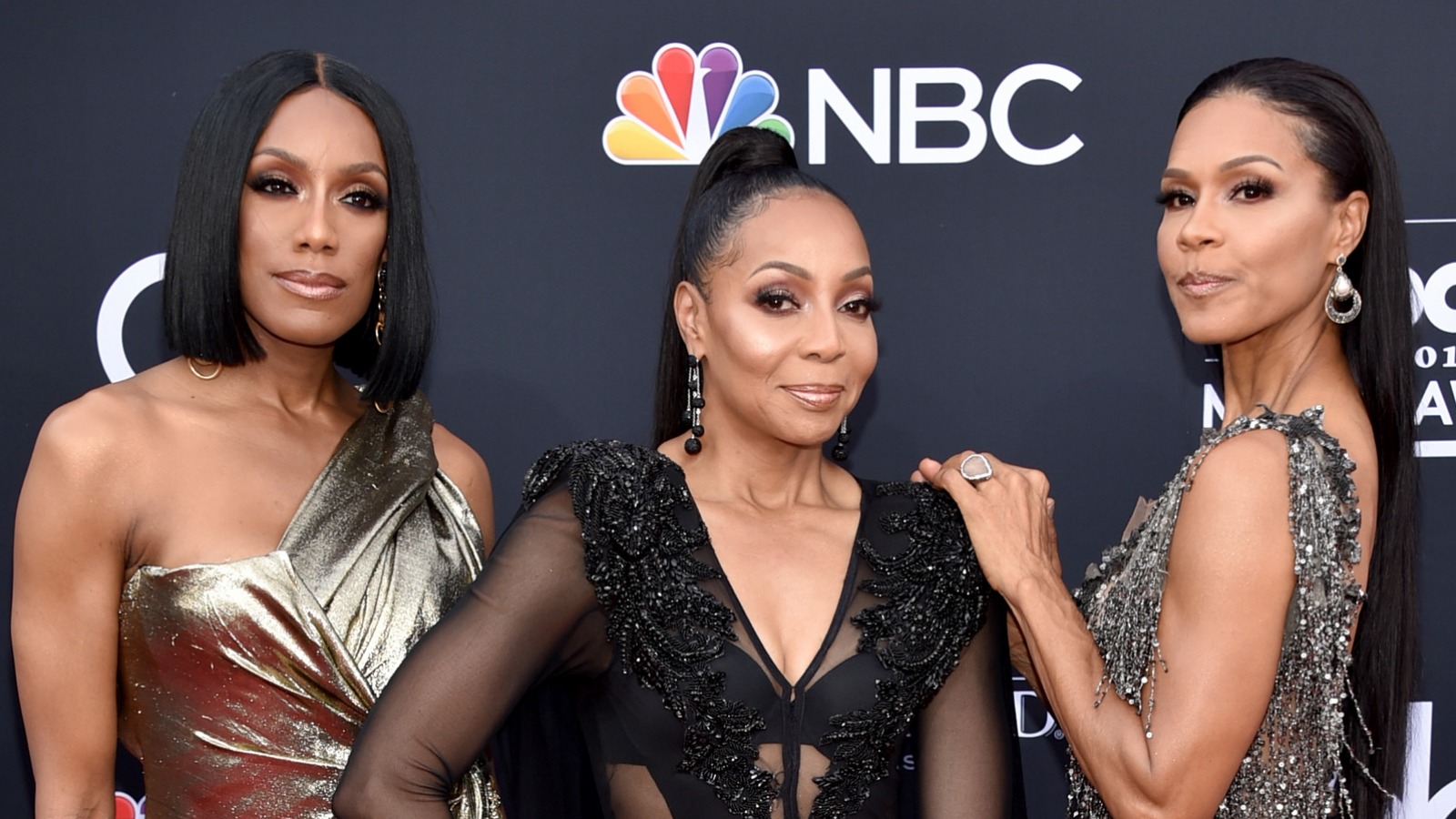
En Vogue’s emergence was not an accident of fate, but a meticulously crafted brand proposition. Formed in Oakland, California, in 1989, the quartet – comprised of Dawn Robinson, Cindy Herron, Maxine Jones, and Terry Ellis – possessed a potent combination of raw talent and a distinct aesthetic that set them apart. Their debut album, “Born to Sing,” released in 1990, was a critical and commercial triumph, heralded for its seamless blend of contemporary R&B with classic soul influences. This initial success was built upon a carefully cultivated brand identity that resonated with audiences seeking something more refined than the prevailing trends of the era.
Vocal Prowess as the Cornerstone
At the heart of En Vogue’s brand was their extraordinary vocal ability. Unlike many contemporary groups, En Vogue was characterized by its four distinct, yet harmonically complementary, lead vocalists. This allowed for a dynamic range of performances, with each member having moments to shine while simultaneously creating rich, layered harmonies that became their signature. This focus on genuine vocal talent wasn’t just a musical choice; it was a foundational element of their brand. In an era where visual appeal often overshadowed vocal substance, En Vogue consistently demonstrated that sophisticated vocal arrangements and powerful individual performances could be a compelling and enduring brand differentiator. Their ability to execute complex harmonies live, without the reliance on excessive studio trickery, solidified their reputation for authenticity and exceptional musicianship. This commitment to vocal excellence became a benchmark for R&B groups and a key reason why their music has aged so gracefully.
Visual Identity: Elegance and Empowerment
Beyond their sonic prowess, En Vogue cultivated a powerful and memorable visual identity. Their fashion choices were consistently elegant, sophisticated, and often daring, reflecting a sense of polished glamour that was aspirational yet accessible. From sharp suits to flowing gowns, their styling conveyed a sense of confidence and empowerment. This visual branding was not merely about looking good; it was an integral part of their storytelling. It communicated a mature, self-assured femininity that resonated with a broad demographic. The meticulous attention to detail in their music videos and live performances further cemented this image, creating a holistic brand experience that was both visually striking and thematically cohesive. This carefully curated aesthetic helped to elevate them beyond the typical pop group, positioning them as artists with a distinct point of view and a timeless appeal.
Navigating the Market: Challenges and Strategic Adaptations
The early to mid-1990s represented a golden age for En Vogue, but the music industry is a dynamic entity. As trends shifted and the landscape evolved, the group, like all enduring brands, faced significant challenges that necessitated adaptation. These challenges were both internal, concerning group dynamics and personnel changes, and external, related to the changing music industry and the emergence of new genres.
The Impact of Personnel Changes
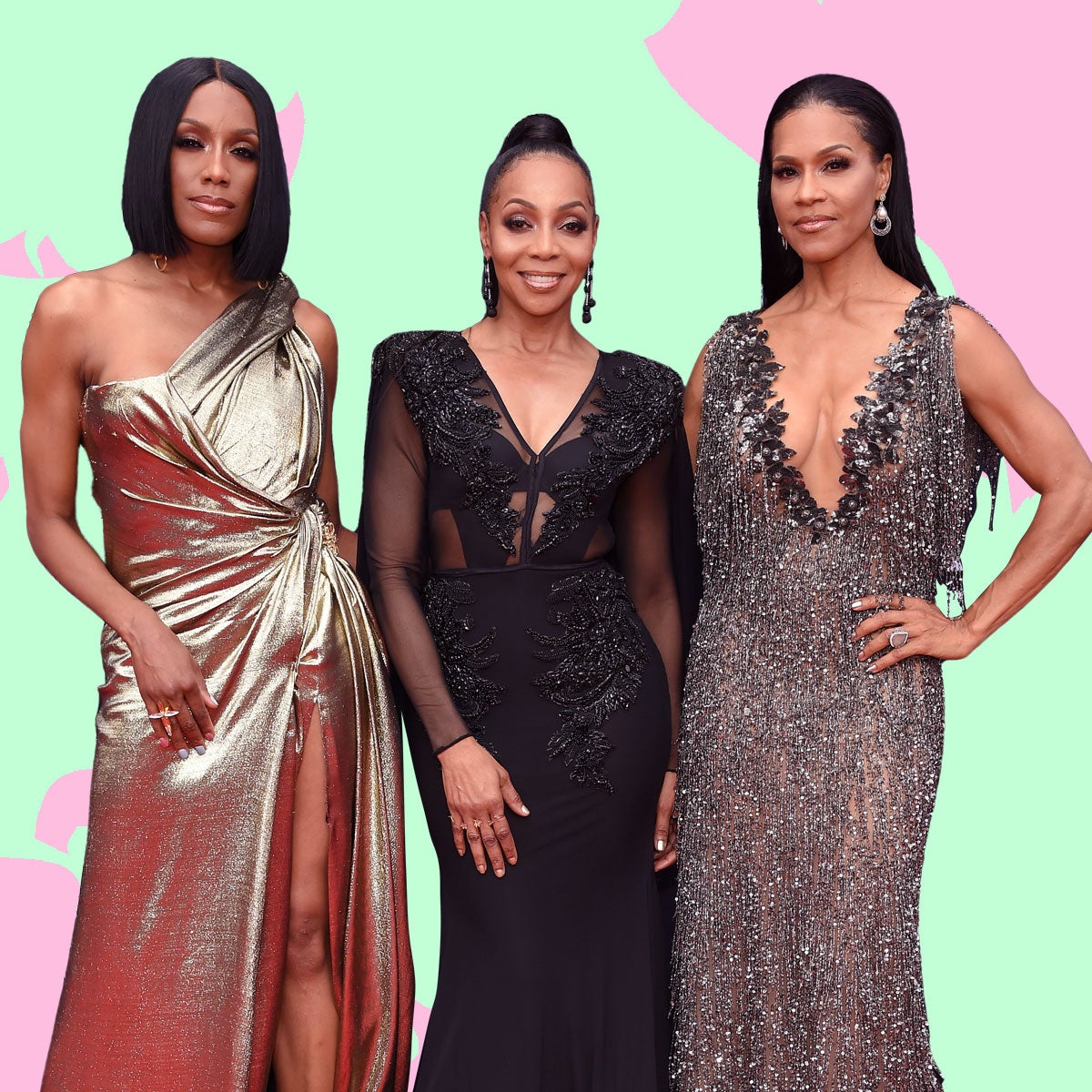
One of the most significant factors impacting En Vogue’s trajectory was the eventual departure of founding members. Dawn Robinson’s exit in 1997 marked a pivotal moment, and subsequent departures and additions to the lineup inevitably altered the group’s internal chemistry and, to some extent, its brand perception. While the remaining members, and new additions, have consistently upheld the group’s vocal standards and commitment to quality, personnel changes can create a perception of instability and can dilute the original brand equity. For a vocal group whose identity is so intrinsically tied to the interplay of four distinct voices, such shifts present a considerable branding hurdle. The challenge lies in maintaining the core essence of the “En Vogue sound” while acknowledging the evolution of the lineup. This requires strong leadership, a clear artistic vision, and consistent delivery of high-quality music that reaffirms the group’s enduring appeal.
Adapting to Shifting Musical Tastes and Industry Evolution
The late 1990s and the new millennium saw a significant evolution in popular music. Hip-hop and more rap-infused R&B began to dominate the charts, and the sonic landscape began to favor different production styles and lyrical themes. En Vogue, with their foundation in more traditional R&B and soul, had to navigate this shifting terrain. While they demonstrated their ability to adapt by incorporating contemporary influences into their later work, the challenge of maintaining their distinct brand identity within a rapidly changing market remained. The rise of digital music, streaming, and social media also presented new avenues for artist discovery and fan engagement, requiring a strategic recalibration of their marketing and promotional efforts. For brands that have built their success on a particular era’s sound, the ability to evolve without alienating their core fanbase while also attracting new listeners is a delicate balancing act. En Vogue’s approach has often been characterized by a measured integration of new sounds, prioritizing their vocal strengths and sophisticated arrangements, rather than chasing fleeting trends.
The Enduring Legacy: Beyond Chart Dominance
Despite the inherent challenges of maintaining relevance in the entertainment industry, En Vogue’s story is far from over. The concept of “what happened to En Vogue” often implies a decline, but a closer examination reveals a brand that has achieved a different, yet equally valuable, form of success: enduring legacy and a dedicated fanbase. Their continued ability to perform, record, and connect with audiences speaks to a brand that has transcended mere chart performance.
Maintaining a Loyal Fanbase Through Authenticity
A significant aspect of En Vogue’s continued presence is their remarkably loyal fanbase. These are individuals who grew up with the group’s music, who appreciate their vocal talent, and who value the sophisticated artistry they represent. This core audience remains a powerful force, supporting their tours, their new releases, and their continued presence in the music industry. The group’s commitment to delivering authentic performances and high-quality music has fostered a deep sense of trust and connection with these fans. In an age of ephemeral celebrity, the enduring appeal of En Vogue is a testament to the power of genuine artistry and consistent brand integrity. Their ability to consistently deliver the “En Vogue” experience, whether on stage or in the studio, has solidified their place in the hearts of their supporters.
Reimagining Brand Presence in the Digital Age
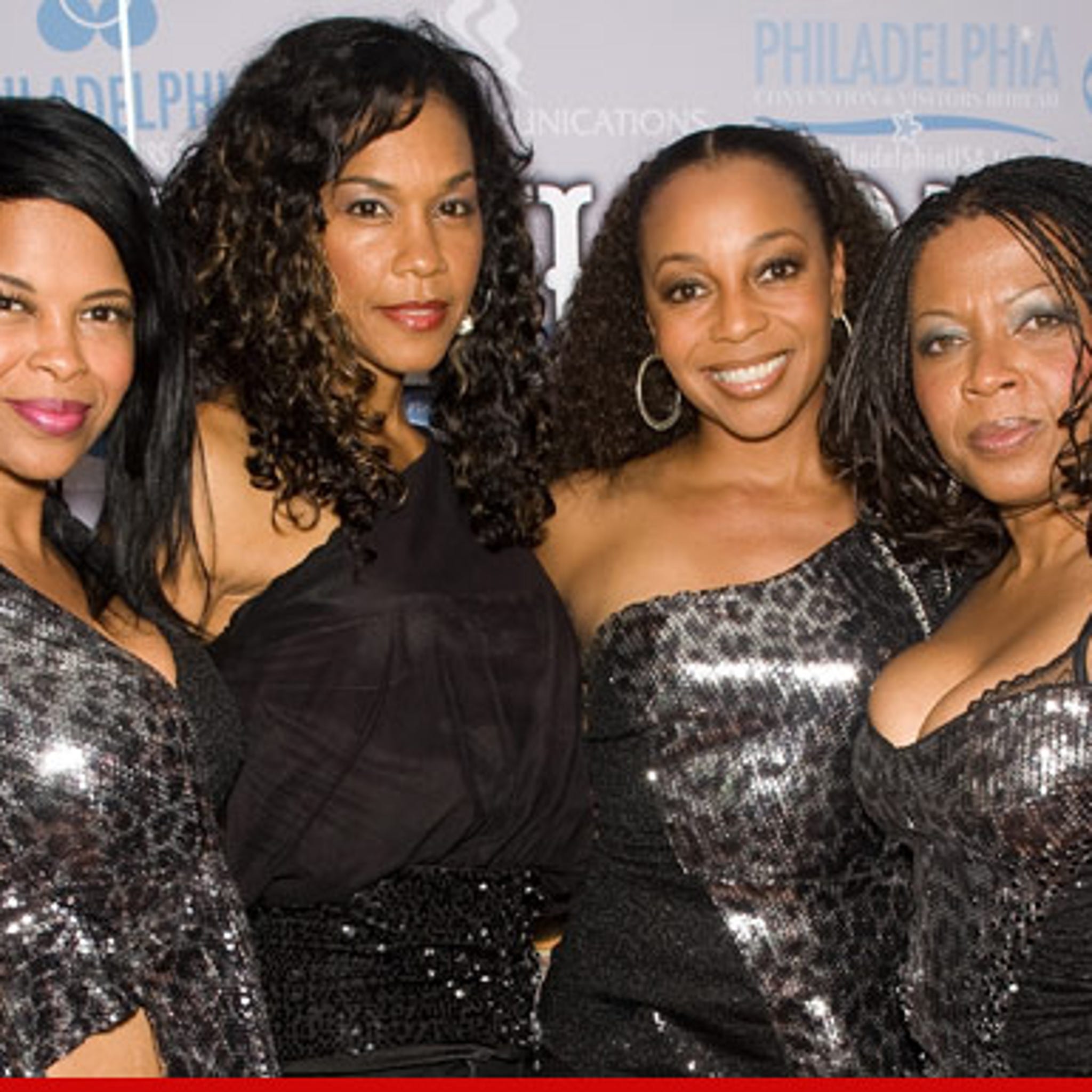
In the contemporary music landscape, brand presence is no longer solely defined by radio airplay and physical record sales. En Vogue has, with varying degrees of public visibility, embraced the opportunities presented by the digital age. Their continued touring schedule is a primary driver of their engagement, allowing them to connect directly with fans and showcase their enduring talent. Furthermore, their presence on social media platforms, while perhaps not always as overtly commercial as some newer artists, allows for a more direct line of communication with their audience, sharing updates, behind-the-scenes glimpses, and celebrating their legacy. The strategic use of digital platforms, even if more understated, is crucial for maintaining brand awareness and reinforcing their artistic relevance. The challenge for legacy artists is to leverage these new tools effectively without compromising the established image and artistic credibility they have worked so hard to build. En Vogue’s approach often involves a measured integration, focusing on authentic fan engagement rather than constant self-promotion.
In conclusion, the question of “what happened to En Vogue” is less about a disappearance and more about an evolution. They have navigated the complexities of the music industry by prioritizing their core strengths: exceptional vocal talent, elegant branding, and artistic integrity. While the spotlight may have shifted, their legacy as one of the most influential and enduring vocal groups in R&B history remains firmly intact. Their story serves as a compelling case study for any brand seeking to understand the dynamics of longevity, adaptation, and the profound power of a well-defined identity in a constantly changing world. They are not simply a group from the past; they are a testament to the enduring appeal of true artistry and a brand that continues to resonate.
aViewFromTheCave is a participant in the Amazon Services LLC Associates Program, an affiliate advertising program designed to provide a means for sites to earn advertising fees by advertising and linking to Amazon.com. Amazon, the Amazon logo, AmazonSupply, and the AmazonSupply logo are trademarks of Amazon.com, Inc. or its affiliates. As an Amazon Associate we earn affiliate commissions from qualifying purchases.