
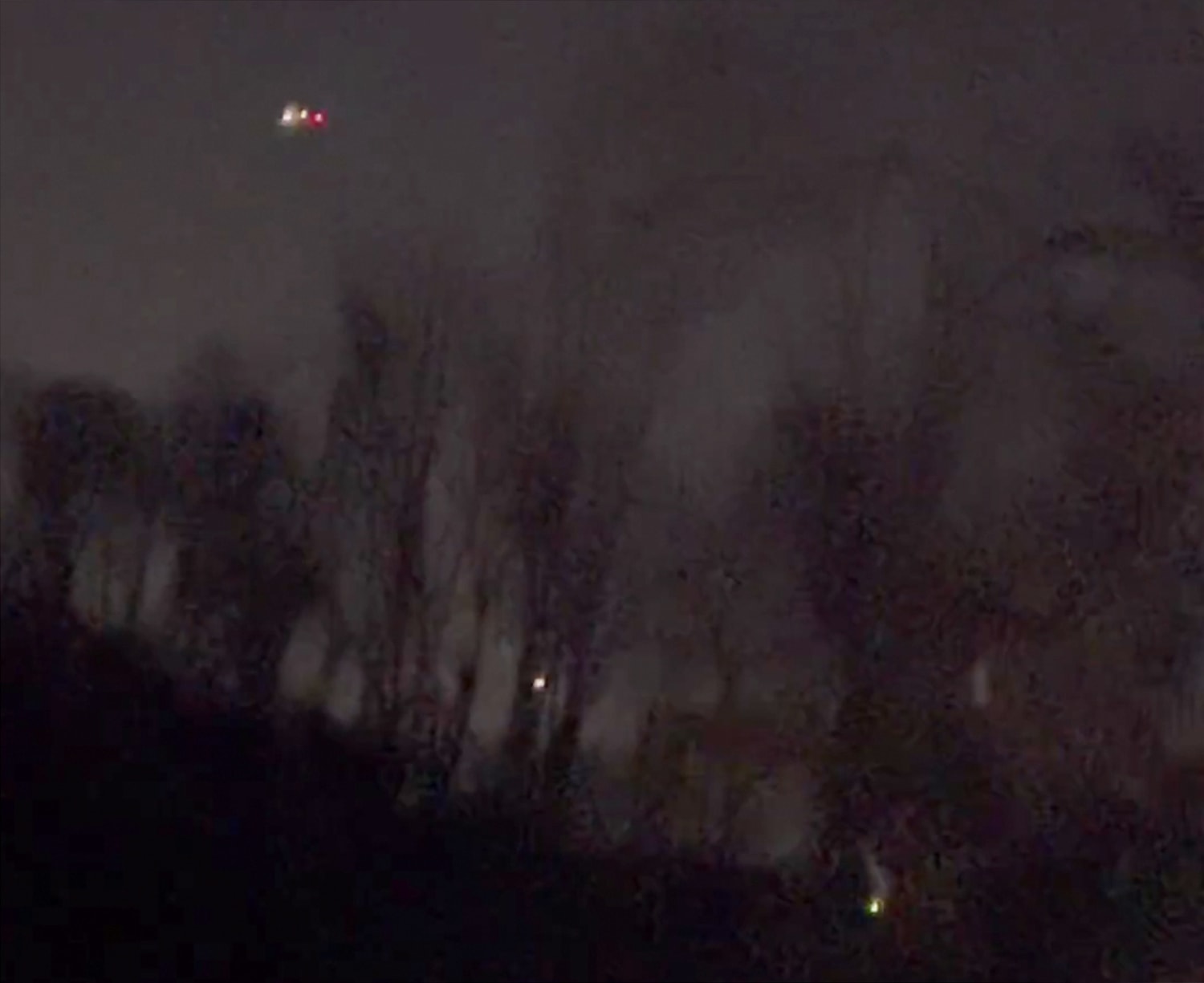
The recent spate of mysterious drone sightings across New Jersey has sparked a national conversation about the intersection of aerospace technology, digital security, and the adequacy of current airspace regulations. For technology enthusiasts and security professionals, these incidents serve as a critical case study in the vulnerability of domestic airspace and the rapid evolution of autonomous aerial systems. What began as anecdotal reports from residents quickly escalated into a multi-agency investigation, highlighting the difficulty of tracking, identifying, and mitigating unmanned aerial vehicles (UAVs) in civilian sectors.
The Technological Landscape of Modern UAVs
The drones reported over New Jersey represent a significant leap in consumer and commercial drone capabilities. Unlike the hobbyist quadcopters of a decade ago, modern high-end drones are equipped with sophisticated navigational arrays that allow for autonomous flight, extended battery life, and near-silent propulsion.

Advances in Autonomous Navigation
The primary technological challenge presented by these sightings is the reliance on GPS-denied navigation. Modern UAVs often utilize SLAM (Simultaneous Localization and Mapping) technology, which allows them to build a map of their environment and navigate without constant communication with a ground control station. This autonomous capability makes these drones difficult to jam or intercept using traditional radio-frequency (RF) countermeasures, as they do not require a persistent link to a pilot.
Sensor Suites and Data Gathering
The speculation regarding the motive behind these flights points toward sophisticated data collection. The hardware involved likely includes high-resolution infrared imaging, LIDAR for precise topographical mapping, and multispectral sensors. For companies and state actors, this technology represents a significant shift in how surveillance is conducted. The ability to silently monitor critical infrastructure—such as power grids, telecommunication hubs, and transit lines—from hundreds of feet in the air has changed the threat assessment model for private and public sector facilities alike.
Digital Security and the Vulnerability of Airspace
The New Jersey sightings emphasize a glaring gap in the digital security architecture of the United States. While we have robust protocols for cybersecurity concerning data breaches and network infiltration, physical airspace security remains a chaotic landscape of overlapping jurisdictions and outdated detection methods.
The Problem with Traditional Radar
Traditional radar systems are optimized to detect large, high-velocity objects like commercial aircraft or missiles. Small, slow-moving drones often fall below the “clutter filter” of standard radar configurations. Because these devices often hover at low altitudes, they blend into the background noise of birds, weather patterns, and urban interference. The tech industry is currently scrambling to deploy specialized Counter-UAS (C-UAS) systems that utilize active electronically scanned array (AESA) radar specifically calibrated to pick up the micro-Doppler signatures of drone rotors.
The RF Spectrum Challenge
Identifying the ownership of a drone is often a matter of analyzing its digital footprint. Every drone broadcasts a signature, whether through an encrypted command-and-control link or via broadcast protocols like Remote ID. However, the software on these drones can be modified—often called “de-badging” or “protocol stripping”—to mask the identity of the device. When drones are operated with custom-built software or off-the-shelf components that bypass standard registration requirements, the digital trail goes cold quickly. This highlights an urgent need for better signal intelligence (SIGINT) capabilities at the local law enforcement level.
Counter-UAS Tech and Future Mitigation Strategies
As incidents of unauthorized drone activity increase, the market for counter-drone technology has exploded. The technology to detect and neutralize drones is evolving as fast as the drones themselves. From signal jamming to physical interception, the industry is entering a new arms race.
Signal Jamming vs. Protocol Manipulation
There are two primary schools of thought in drone mitigation. The first is “soft kill” measures, such as RF jamming. By flooding the control frequency or the GPS signal, defenders can force a drone to land or return to its home point. However, this is legally complex in the United States, as federal law often prohibits the interference with radio signals by non-governmental entities. The second approach, which is gaining traction, is protocol manipulation. This involves “spoofing” the drone’s GPS or command link to trick it into flying to a designated location or disabling its navigational sensors. This requires a high degree of technical precision to avoid collateral damage to other electronics in the area.
The Role of Artificial Intelligence in Airspace Management
AI is becoming the cornerstone of effective drone defense. Because manual monitoring of airspace is impossible for humans, AI-driven software is being deployed to automate the detection process. These systems use machine learning algorithms trained on thousands of hours of drone footage to distinguish between a harmless hobbyist drone and a purposeful, pre-programmed surveillance UAV.
In the future, we may see a “Digital Fence” model, where urban areas are protected by a network of edge computing sensors that share data in real-time. If a drone is detected, the system can automatically triangulate its launch point by analyzing its flight path and signal strength. This transition from reactive observation to proactive, automated defense is the necessary next step for domestic security.
The Intersection of Privacy and Technology
The mystery of the New Jersey drones forces a necessary debate about the balance between privacy and the advancement of aerial robotics. Technology is neutral, but the deployment of that technology in the public sphere demands accountability.
Standardizing UAV Registration and Tracking
Current regulatory frameworks, such as those provided by the FAA, require remote identification for many drones, but compliance is inconsistent. Technology companies are now looking at hardware-level enforcement, where drones are designed to be “geofenced” by default. This means the drone’s internal software would recognize restricted zones—such as government facilities or high-density residential areas—and automatically prevent the drone from entering those regions. While this provides a layer of security, it also raises questions about the openness of technology and the potential for corporate overreach in controlling hardware functionality.

The Future of Aerial Transparency
The New Jersey incidents serve as a catalyst for a broader push toward “Airspace Transparency.” Just as we expect digital devices to have traceable IP addresses, the industry is moving toward a future where every UAV is digitally tethered to its operator. This will likely involve encrypted hardware identifiers and blockchain-based flight logs. For the tech sector, this represents a significant challenge in balancing user privacy with the undeniable need for public safety.
As the investigations into the New Jersey sightings continue, the primary takeaway for the tech community is clear: the airspace above us is no longer empty. It is a contested digital environment. Whether these drones were a localized curiosity or part of a coordinated surveillance project, they have proven that our current technological defenses are insufficient. The next phase of development will focus on the hardening of airspace, the integration of AI-powered surveillance, and the establishment of a robust digital identification standard for every object that takes flight. The challenge ahead is to ensure that while we secure the sky, we do not stifle the innovation that makes the modern era of aerial technology so promising.
aViewFromTheCave is a participant in the Amazon Services LLC Associates Program, an affiliate advertising program designed to provide a means for sites to earn advertising fees by advertising and linking to Amazon.com. Amazon, the Amazon logo, AmazonSupply, and the AmazonSupply logo are trademarks of Amazon.com, Inc. or its affiliates. As an Amazon Associate we earn affiliate commissions from qualifying purchases.