
The digital landscape is unforgiving. For content creators, the journey from anonymity to global stardom is often fueled by a specific brand architecture—a set of values, aesthetics, and interaction models that resonate with millions. Perhaps no creator exemplifies the meteoric rise and subsequent identity crisis of modern influencer culture quite like Dream, the Minecraft YouTuber who redefined the boundaries of parasocial engagement and platform growth.
Understanding what “happened” to Dream is not merely a story of YouTube statistics or controversies; it is a profound case study in the architecture of personal branding. By examining the rise, the strategic retreat, and the ongoing evolution of his persona, we gain invaluable insights into how personal brands are built, how they survive transition periods, and why the sustainability of a digital identity depends on the delicate balance between performance and authenticity.
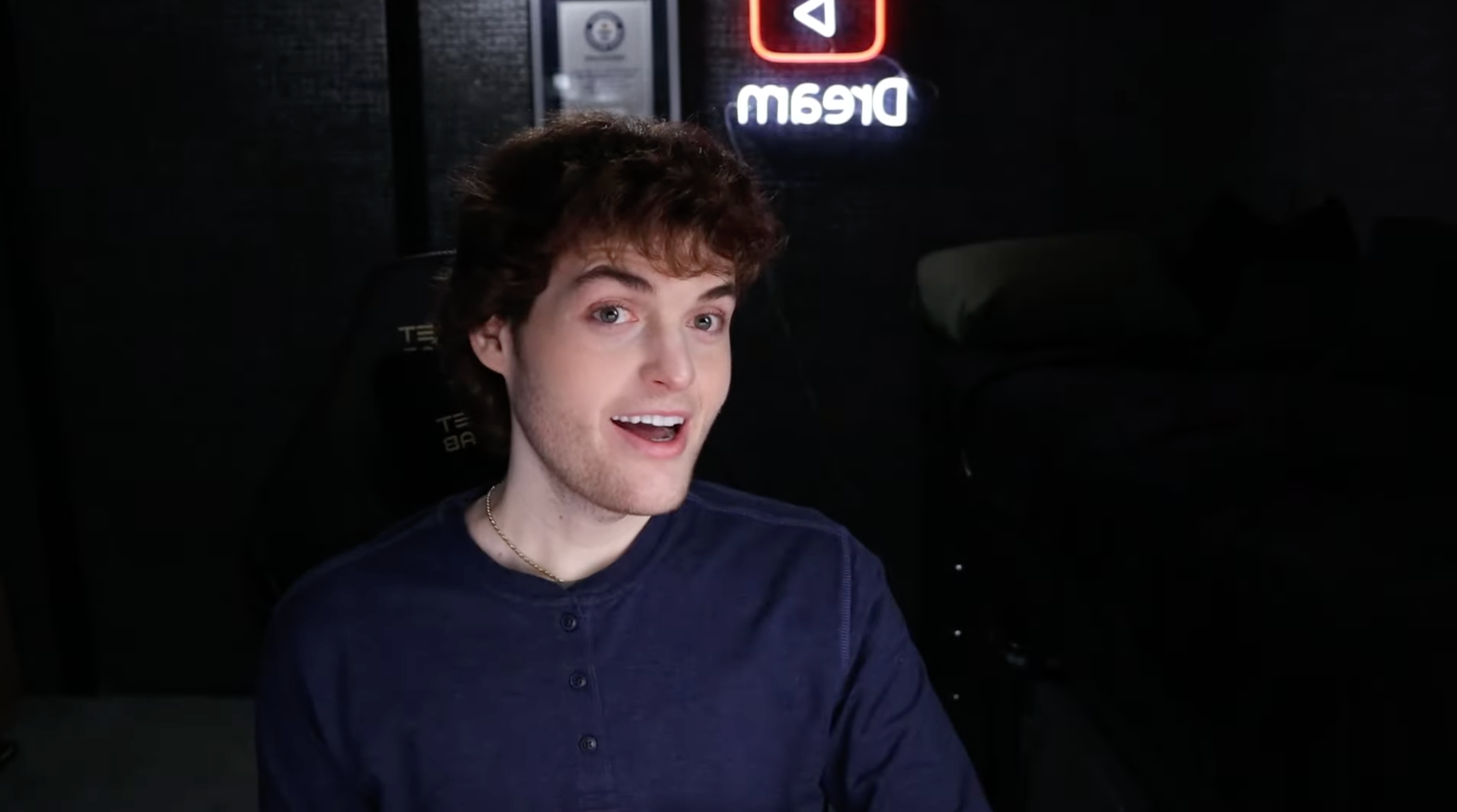
The Architecture of the Anonymous Brand
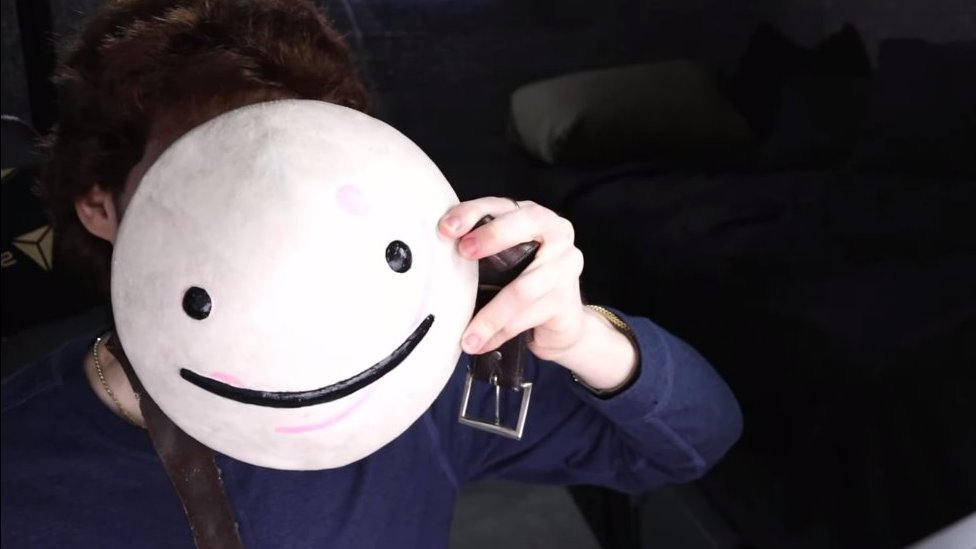
Dream’s ascent was not an accident; it was a masterclass in brand positioning. When he burst onto the scene, he utilized a concept that is rare in the high-exposure world of YouTube: strategic anonymity. By masking his face behind a simple, high-contrast white blob logo, he allowed the brand to become a vessel for his audience’s projections.
The Power of the Iconography
The minimalist aesthetic served as the bedrock of his corporate identity. In a saturated market, complexity is often a barrier to entry. Dream chose simplicity. By focusing on high-octane gameplay, clever editing, and a distinct audio identity, he created a “plug-and-play” personality that felt accessible to every viewer. This is a foundational principle of brand strategy: when the creator is an icon rather than a face, the brand becomes scalable. It allowed his audience to define what “Dream” meant to them personally, fostering a level of loyalty that is difficult to manufacture through traditional influencer marketing.
Scalability and Community Engagement
The brand also thrived on high-frequency, algorithm-friendly content. The “Manhunt” series was a stroke of genius in content strategy. It offered a repeatable, high-stakes narrative format that functioned like a sporting event. This consistency provided the “corporate” reliability necessary for YouTube’s recommendation engine to favor his channel. By gamifying the creator-viewer relationship through interactive challenges, Dream transformed from a YouTuber into a digital ecosystem.
The Face Reveal and the Brand Pivot
Every successful brand eventually hits a transition point—a moment where the original value proposition must evolve to accommodate growth. For Dream, this was the face reveal. In the world of personal branding, the transition from an abstract icon to a tangible human being is the highest-risk maneuver a creator can perform.
The Risk of Depersonalization
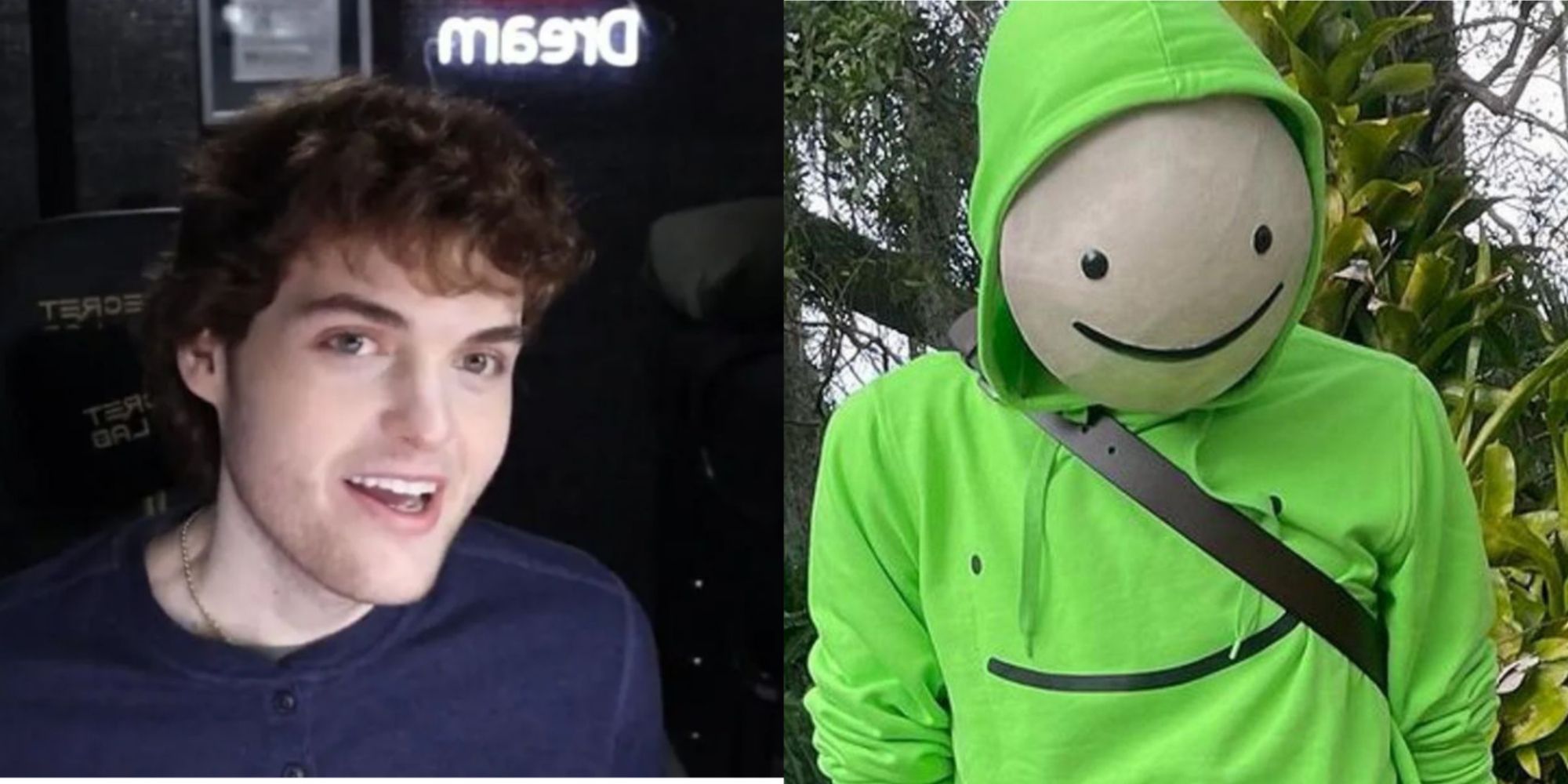
When a brand pivots from an aspirational symbol to a specific individual, the risk of “de-mystification” is extreme. By showing his face, Dream effectively ended the era of the “Dream Blob” and initiated the era of “Clay.” This shift changed the audience’s relationship with him. He was no longer a blank canvas upon which they could paint their own desires; he was a person with a history, a physical appearance, and human flaws.
From a strategic perspective, the face reveal was intended to humanize the brand to move beyond the gaming niche and into broader entertainment. However, it also served as a catalyst for a shift in public perception. The brand began to face the common corporate challenge of market saturation and the shifting loyalties of a maturing audience.
Navigating the “Controversy Cycle”
No discussion of Dream’s trajectory is complete without addressing the challenges of brand reputation management. Personal brands are uniquely vulnerable because, unlike corporate entities, there is no separation between the business and the individual. When the community began to scrutinize his controversies—from speedrunning disputes to social media interactions—the brand faced the equivalent of a PR crisis.
In corporate branding, companies rely on crisis communication teams to mitigate damage. For a personal brand, the creator is their own PR department. The struggle to maintain authority in the face of public critique is the ultimate test of brand resilience. Dream’s strategy shifted from “growth at all costs” to “defensive branding,” a period marked by more guarded communication and a pivot toward music and lifestyle content.
The Evolution of the Creator Ecosystem
The current state of the Dream brand is a classic example of a “legacy” creator attempting to pivot away from the constraints of their original platform success. Having moved away from daily Minecraft content, he has transitioned into a multi-hyphenate role that includes music production and broader digital storytelling.
Diversification as a Survival Strategy
Smart brands do not rely on a single revenue stream or a single content format. Dream’s pivot is indicative of a broader trend: the transition from “YouTuber” to “Creative Entrepreneur.” By diversifying his output, he is attempting to decouple his brand identity from the game that made him famous. This is essential for long-term sustainability. If a brand is defined strictly by the tool it uses (in this case, Minecraft), the brand dies when the tool’s popularity wanes.
The Shift Toward Authenticity
Modern audiences are becoming increasingly cynical regarding curated digital personas. The current iteration of the Dream brand involves a more visible attempt at “authenticity.” This is a common strategic shift for creators who have survived the initial “hype cycle.” By showing more of his personal life, his creative process, and his thoughts on the industry, he is attempting to build a long-term connection with a smaller, more dedicated core audience rather than relying on the fleeting attention of the viral algorithm.
This move toward vulnerability is a high-stakes play. It shifts the value proposition from “Look at what this amazing player can do” to “Look at who this person is.” It is a move from performance-based brand equity to relationship-based brand equity.
Future Outlook: The Resilience of the Individual
What happened to Dream is not a failure; it is a lifecycle. Every digital entity goes through phases of rapid expansion, consolidation, and reinvention. The “Dream” of 2020 was a cultural phenomenon—a viral, growth-oriented digital product. The “Dream” of today is a professional navigating the reality of a platform-dependent career.
Lessons for the Creator Economy
For those looking to build a brand, the story of Dream offers three critical takeaways:
- Brand Identity is Dynamic: You must be prepared for the moment your original hook loses its edge. The ability to pivot without alienating your core audience is the single most important skill for a long-term creator.
- Parasocial Boundaries are Essential: The closer you hold your audience, the more they will demand when the inevitable shifts occur. Managing the expectations of millions of followers is an immense strategic burden.
- The Power of Agency: Ultimately, a personal brand survives only as long as the creator has control over their own narrative. Moving from being an “algorithm-servant” to an independent brand requires a complete shift in mindset—from content creator to media personality.
Dream’s journey serves as a blueprint for the current creator economy. The viral growth of the early years provided the capital and the audience, but the future of the brand will be defined by its ability to evolve beyond those early successes. The question of “what happened” is simple: he grew up, and his brand had to grow up with him. In the fast-paced, high-churn world of social media, the ability to evolve is not just a strategy—it is the only way to remain relevant.
The digital landscape will always prioritize the next big thing, but the creators who manage to stay in the game are those who realize that their brand is not the content they produce—it is the relationship they maintain with their audience, the integrity of their voice, and the courage to redefine themselves when the old model no longer fits. Whether the next chapter of the brand involves music, tech-integrated content, or new forms of digital expression, the foundation remains: the audience is still watching, waiting to see what the next version of the brand will look like.
aViewFromTheCave is a participant in the Amazon Services LLC Associates Program, an affiliate advertising program designed to provide a means for sites to earn advertising fees by advertising and linking to Amazon.com. Amazon, the Amazon logo, AmazonSupply, and the AmazonSupply logo are trademarks of Amazon.com, Inc. or its affiliates. As an Amazon Associate we earn affiliate commissions from qualifying purchases.