
The landscape of the American wellness industry has undergone a seismic shift over the last four decades. Long before the era of social media influencers and digital health apps, a few key figures dominated the space through traditional media, newsletters, and specialized clinics. Among the most prominent was Dr. Julian Whitaker. For years, the Whitaker name was synonymous with alternative medicine, heart health advocacy, and a fierce opposition to mainstream pharmaceutical overreach. However, in recent years, the physical presence of his empire has faded, leading many to ask: what happened to Dr. Julian Whitaker?
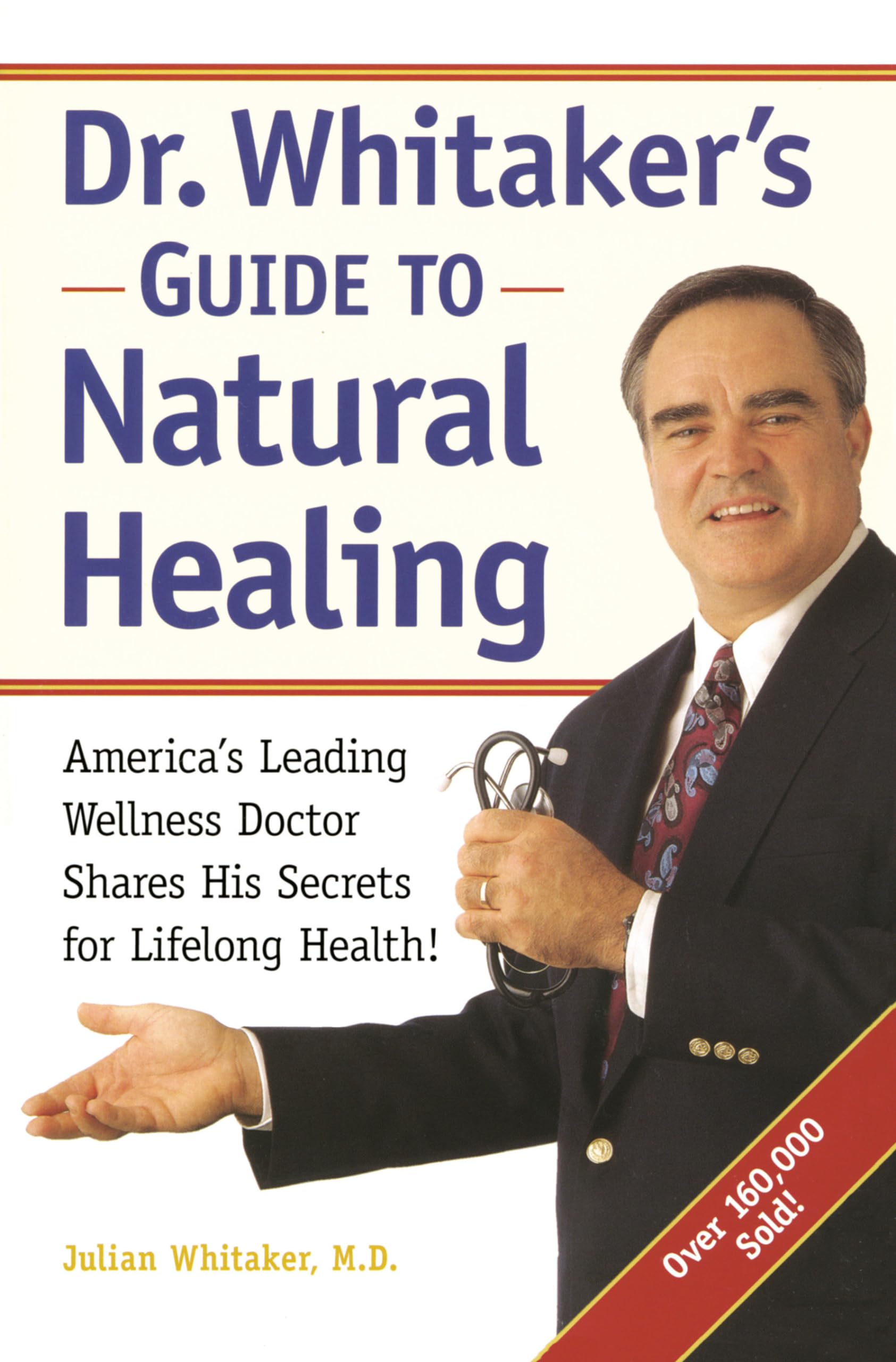
The answer lies not in a sudden disappearance, but in a sophisticated evolution of a personal brand. Understanding the trajectory of Dr. Whitaker’s career offers a masterclass in brand strategy, the lifecycle of person-centered businesses, and the challenges of maintaining brand equity during a founder’s retirement and the digital transformation of an entire industry.
The Architecture of a Medical Brand: Building a Health Empire
To understand what happened to the brand, one must first understand how it was constructed. Dr. Julian Whitaker did not just practice medicine; he built an ecosystem. At its peak, his brand was a three-legged stool consisting of a physical destination (The Whitaker Wellness Institute), a direct-to-consumer content machine (the Health & Healing newsletter), and a robust product line (Whitaker-branded supplements).
From Physician to Public Figure
Dr. Whitaker’s brand was built on the “Challenger” archetype. In the 1970s and 80s, the medical establishment was largely monolithic. Whitaker positioned himself as the voice of the patient, advocating for nutritional interventions and non-invasive treatments for chronic conditions like heart disease and diabetes. By taking a controversial stance against the “statin-first” mentality of the time, he created a distinct market niche. This is a classic brand strategy: define yourself by what you are against as much as what you are for.
His brand wasn’t just about health; it was about empowerment. This resonates deeply with a specific demographic—the aging Baby Boomer generation—who sought agency over their own longevity. As his reputation grew, the name “Julian Whitaker, MD” became a valuable intellectual property asset, separate from the individual himself.
The Power of Direct-Response Content
One of the most effective tools in the Whitaker brand arsenal was the Health & Healing newsletter. Long before “content marketing” was a buzzword, Whitaker was using direct-response marketing to build a loyal community. Through long-form educational content, he established a high level of authority and trust. This newsletter served as the top-of-funnel entry point for his entire business model.
Subscribers weren’t just reading health tips; they were buying into a philosophy. This high-touch relationship allowed the brand to pivot effortlessly into supplement sales and clinic referrals. The brand strategy here was centered on “long-term value” (LTV). Once a person subscribed to the newsletter, they often remained in the Whitaker ecosystem for decades.
The Strategic Pivot: Navigating the Transition of a Personal Brand
The primary question regarding “what happened” often stems from the closing of the Whitaker Wellness Institute in 2019. For nearly 40 years, the institute in Newport Beach, California, served as the physical flagship of the brand. It was a destination where patients would travel from across the globe for intensive treatments.
The Closure of the Whitaker Wellness Institute
In mid-2019, the announcement came that the Whitaker Wellness Institute would close its doors. For many observers, this signaled the end of an era. However, from a brand strategy perspective, it was a move toward an “asset-light” model. Physical clinics are high-overhead, high-risk, and difficult to scale. They are also intrinsically tied to the physical presence of the founder.
As Dr. Whitaker approached retirement, the business model had to shift. A personal brand that is entirely dependent on the physical labor of the individual is not a scalable asset; it is a job. By closing the clinic, the Whitaker brand effectively decoupled the “intellectual property” from the “physical practice.” This allowed Dr. Whitaker to step back from the day-to-day operations of a medical facility while his name and likeness continued to generate value through other channels.
Licensing and the Partnership with Healthy Directions
The true “what happened” is a story of brand licensing. Years prior to the clinic’s closure, Dr. Whitaker had partnered with Healthy Directions, a company specializing in doctor-formulated supplements. This partnership was a strategic masterstroke for the Whitaker brand’s longevity.

Healthy Directions provided the infrastructure for manufacturing, distribution, and digital marketing that a solo practitioner could never maintain at scale. This transition allowed the brand to survive the founder’s retirement. Today, while Dr. Whitaker is no longer seeing patients in a clinical setting, the Whitaker brand remains a powerhouse in the supplement market. This is a common trajectory for “Authority” brands: the founder builds the trust, and a corporate partner provides the scale.
Brand Equity and the Challenge of Succession
One of the most difficult hurdles for any personal brand is the transition of leadership. When the brand is the person, what happens when the person is no longer there? This is the core challenge currently facing the Whitaker brand.
Maintaining Trust in the Absence of the Founder
For forty years, the Whitaker brand was built on the doctor’s specific voice: combative, clinical, and deeply personal. As the brand transitioned into a purely digital and product-based entity, maintaining that “voice” became a marketing challenge. The brand had to shift from “Dr. Whitaker says” to “The Whitaker Way.”
This involves a process of institutionalizing the founder’s knowledge. By creating proprietary formulations and “Whitaker-certified” protocols, the brand ensures that the value proposition remains intact even if the founder is playing a less active role. The brand equity moved from the person to the process. This is the same strategy used by brands like Martha Stewart or Dr. Scholl’s—the name becomes a symbol of a specific standard of quality.
The Lifecycle of a Person-Centered Business
The Whitaker story illustrates the typical lifecycle of a successful personal brand:
- The Expert Phase: The founder establishes authority through unique insights or controversial stances.
- The Ecosystem Phase: The brand expands into products, services, and content (the Clinic and the Newsletter).
- The Institution Phase: The brand becomes a recognized name in the industry, independent of the founder’s daily work.
- The Legacy Phase: The brand is licensed or sold, continuing to operate as a commercial entity based on its established trust.
Dr. Julian Whitaker is currently in the “Legacy” phase. While the man himself has stepped away from the front lines of medical activism, the brand continues to occupy significant shelf space in the minds (and medicine cabinets) of health-conscious consumers.
Marketing Lessons from the Whitaker Playbook
Modern entrepreneurs and brand strategists can learn a great deal from how Dr. Whitaker managed his public identity and business interests. Even in a digital-first world, the principles he used remain relevant.
Creating a Niche Identity
Whitaker didn’t try to be everything to everyone. He targeted a very specific segment of the population: those frustrated with conventional medicine. In branding, being “polarizing” is often better than being “lukewarm.” By taking strong stands, he created a high level of brand loyalty. His “tribe” didn’t just buy his products; they defended his right to sell them, especially during his well-documented legal battles with the FDA.
The Resilience of Authority-Based Branding
The “Authority” brand is one of the most resilient types of personal branding. Because people buy from Whitaker based on his perceived expertise, the brand has a high “moat.” It is difficult for a generic supplement company to compete with a “doctor-formulated” product backed by forty years of clinical history. This authority is the brand’s most valuable currency, and it is what allowed it to survive the closure of its physical headquarters.
The Digital Legacy: Where the Brand Stands Today
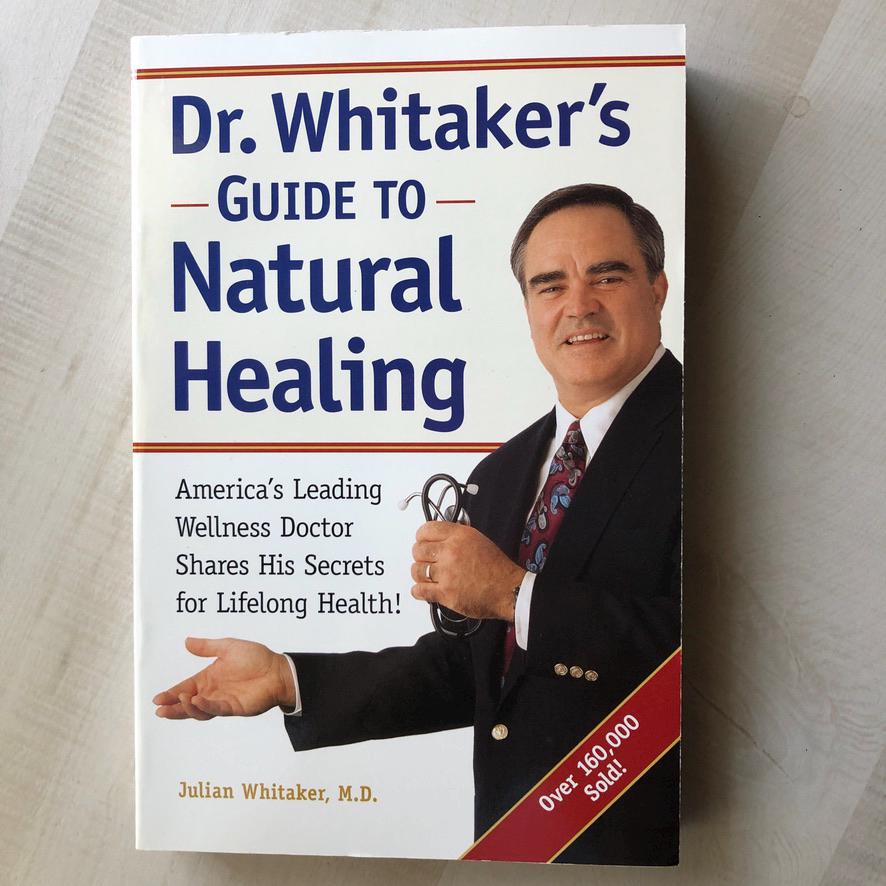
So, what happened to Dr. Julian Whitaker? He successfully navigated the transition from an active practitioner to a retired figurehead of a multimillion-dollar health legacy. The “disappearance” of the Whitaker Wellness Institute was not a failure of the brand, but a strategic exit from a high-friction business model.
Today, the Whitaker brand exists primarily in the digital and e-commerce space. The Health & Healing newsletter has evolved into digital formats, and the supplement lines continue to thrive under the stewardship of Healthy Directions. Dr. Whitaker himself has largely moved into a quiet retirement, his work done, having successfully built a brand that can function without his presence.
The story of Dr. Julian Whitaker is a reminder that personal branding is about more than just fame; it is about building a trusted entity that can outlast the individual. By diversifying his offerings, focusing on high-value content, and strategically partnering with larger corporate entities, he ensured that his message—and his business—would continue long after the clinic doors were closed. For any entrepreneur looking to build a brand around their own name, the Whitaker trajectory serves as a blueprint for long-term sustainability and a graceful exit strategy.
aViewFromTheCave is a participant in the Amazon Services LLC Associates Program, an affiliate advertising program designed to provide a means for sites to earn advertising fees by advertising and linking to Amazon.com. Amazon, the Amazon logo, AmazonSupply, and the AmazonSupply logo are trademarks of Amazon.com, Inc. or its affiliates. As an Amazon Associate we earn affiliate commissions from qualifying purchases.