
In the world of global entertainment, few franchises command as much brand loyalty as Pixar’s Cars. Central to the success of the original 2006 film was the character of Doc Hudson, the “Hudson Hornet.” However, when Cars 2 premiered in 2011, audiences noticed a significant shift: the town’s patriarch and Lightning McQueen’s mentor was gone, referred to only in the past tense. While fans wondered “what happened to Doc Hudson,” the answer lies not just in a script decision, but in a masterclass of brand strategy, corporate identity, and the preservation of legacy.
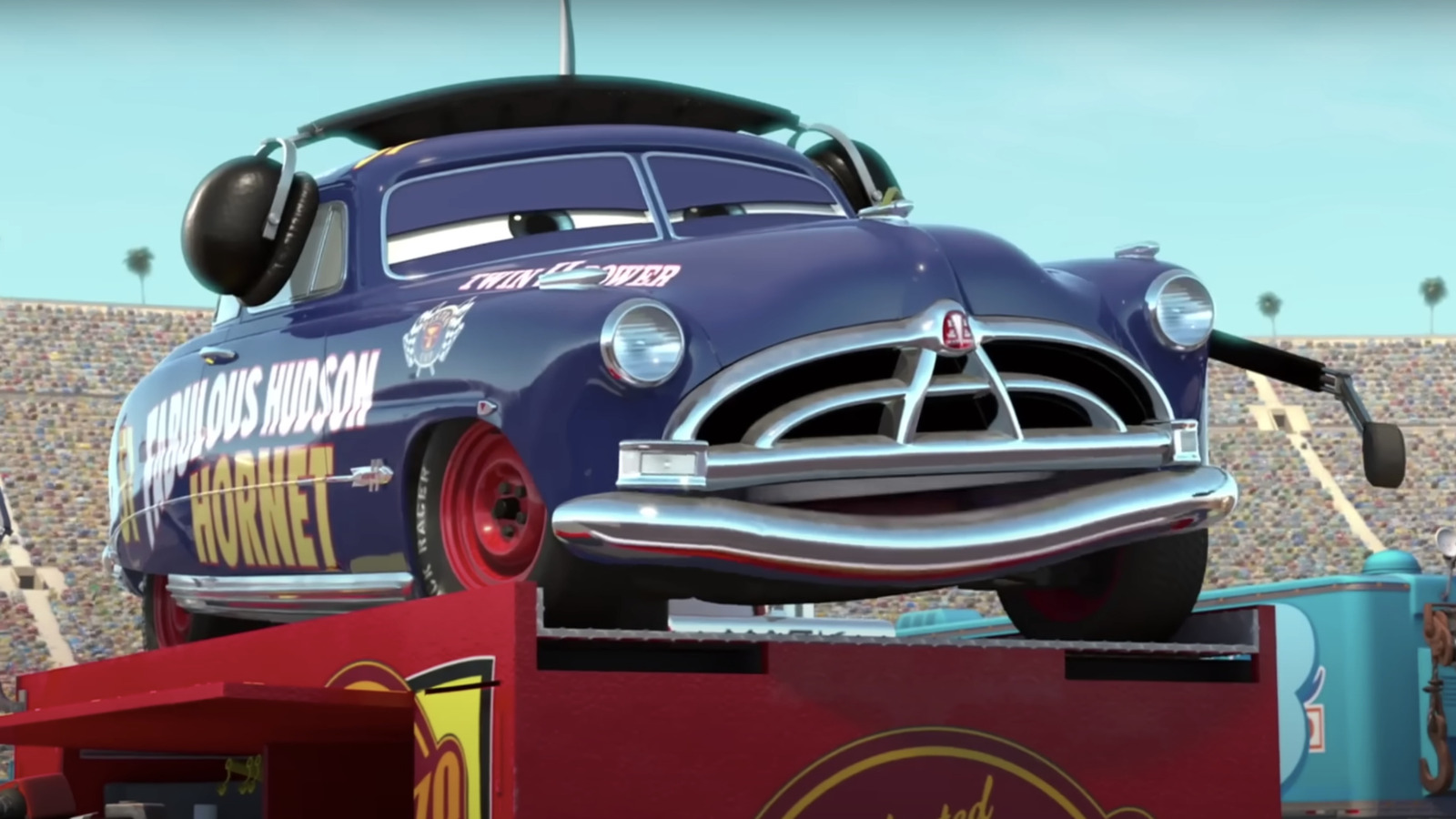
For brand managers and marketers, the handling of Doc Hudson provides a fascinating look at how a multi-billion-dollar entity navigates the loss of a core brand asset while maintaining the integrity of its intellectual property (IP).
The Hudson Hornet and the Power of Voice Branding
In brand strategy, the identity of a character is often tied to its sensory attributes. For Doc Hudson, that identity was inseparable from the voice and persona of Hollywood legend Paul Newman. When Newman passed away in 2008, Pixar faced a critical branding dilemma: recast the character to maintain continuity or retire the asset to preserve its prestige.
The Sonic Identity: Paul Newman as a Brand Pillar
A brand’s “voice” is rarely literal in the corporate world, but in animation, the voice actor is the brand’s soul. Paul Newman brought more than just vocal tracks to Doc Hudson; he brought the “Newman Brand”—a blend of rugged masculinity, quiet wisdom, and philanthropic integrity. From a marketing perspective, the Hudson Hornet wasn’t just a 1951 race car; he was the animated embodiment of Newman’s real-life racing pedigree. Pixar understood that replacing Newman with a “soundalike” would have been a form of brand dilution. It would have signaled to the audience that the character was a mere commodity rather than a unique, irreplaceable asset.
Authenticity vs. Franchise Continuity
In many long-running franchises, characters are treated as interchangeable parts. We see this in the “James Bond” or “Batman” models, where the brand is the suit, not the actor. However, Pixar operates under a different brand philosophy: Emotional Authenticity. By choosing not to recast Doc Hudson for Cars 2, Pixar prioritized the brand’s long-term reputation over short-term narrative convenience. This decision reinforced Pixar’s identity as a studio that values the artistry and the human element behind its digital creations, a move that resonated deeply with its adult demographic and industry peers.
Strategic Character Retirement: Preserving Emotional Brand Equity
The decision to have Doc Hudson “pass away” off-screen between the first and second films was a strategic move to preserve “Brand Equity.” In marketing, equity is the value premium that a company generates from a product with a recognizable name as compared to its generic equivalent. Doc Hudson held immense emotional equity for the Cars audience.
Avoiding the “Uncanny Valley” of Brand Recasting
When a brand attempts to replicate a lost asset through imitation, it often falls into a psychological trap similar to the “uncanny valley.” If Pixar had used a voice-match actor, the audience would have subconsciously felt the “fakeness” of the performance. This dissonance can lead to brand detachment. By retiring the character, Pixar leaned into the reality of loss, which paradoxically strengthened the audience’s emotional connection to the franchise. The museum dedicated to Doc in Radiator Springs became a symbol of “Heritage Branding,” allowing the character to remain a part of the universe without the need for active participation.
Honoring the Legend: A Corporate Social Responsibility Perspective
For a brand as massive as Disney-Pixar, reputation management is key. Recasting Paul Newman immediately after his death could have been perceived as disrespectful or purely profit-driven. By retiring the character, Pixar engaged in a form of “Symbolic Brand Management.” They signaled to the public that their creative decisions are guided by respect for their collaborators. This move bolstered Pixar’s “Employer Brand,” showing talent across the industry that their contributions are viewed as foundational and irreplaceable.

The “Mentor” Archetype and its Evolution in Brand Storytelling
Doc Hudson served a specific functional role in the Cars brand architecture: he was the “Mentor.” Every successful brand narrative requires a figure of authority and wisdom to guide the “Hero” (the consumer or the protagonist). When the Mentor character is removed, the brand must evolve to ensure the Hero’s journey continues effectively.
Maintaining Relevance Through Legacy Branding
Even though Doc Hudson was absent from Cars 2 and Cars 3, his influence remained a “Ghost Brand”—an asset that continues to drive value despite no longer being in production. In Cars 3, the narrative returned to Doc’s history to revitalize Lightning McQueen’s declining career. This is a classic example of “Heritage Marketing,” where a brand looks to its past to find the “authentic core” needed to pivot toward the future. By using archived voice recordings of Newman in the third film, Pixar utilized the “Legacy Asset” to validate the new direction of the franchise.
The Shift from Product to Philosophy
In the first film, Doc Hudson was a “Product”—a character on screen. By Cars 2, he had transitioned into a “Philosophy.” The brand moved from “What does Doc do?” to “What would Doc do?” This is the highest level of brand maturity. When a brand becomes a set of values rather than just a set of features, it becomes resilient to market changes. Pixar successfully transformed Doc Hudson from a character into a set of principles—honesty, hard work, and mentorship—that continued to sell merchandise and drive movie tickets long after the character’s “retirement.”
Lessons for Modern Brands: Integrity Over Continuity
The “What happened to Doc Hudson” mystery serves as a powerful lesson for modern brand managers. In an era where digital tools make it possible to resurrect dead actors or use AI to mimic voices, the choice to abstain is often more powerful than the choice to innovate.
Respecting the Source Material as a Competitive Advantage
In the saturated market of “reboots” and “remakes,” brand fatigue is a real threat. Brands that show restraint and respect for their original “source material” (or their founders and key figures) stand out. Pixar’s refusal to treat Doc Hudson as a replaceable cog in the machine gave the Cars franchise a soul that many other animated properties lack. This integrity acts as a competitive advantage, building a “moat” of consumer trust that competitors find difficult to breach.
Building a Multi-Generational Brand
By acknowledging Doc’s passing, Pixar allowed the Cars universe to “age” with its audience. Brands that refuse to acknowledge the passage of time or the reality of change risk becoming “stagnant brands.” By integrating the loss of Doc Hudson into the lore, Pixar created a multi-generational brand experience. Parents who grew up watching Paul Newman films could appreciate the tribute, while children learned about legacy and the passing of the torch. This cross-generational appeal is the “Holy Grail” of brand strategy, ensuring the IP remains relevant for decades.

Conclusion: The Endurance of a Well-Managed Brand Icon
The disappearance of Doc Hudson in Cars 2 was not a narrative oversight or a simple casting hurdle. It was a calculated, high-integrity brand decision. Pixar recognized that the Hudson Hornet was more than just a 3D model; he was a manifestation of the Paul Newman brand, a pillar of the franchise’s emotional equity, and a symbol of the studio’s commitment to authenticity.
By choosing retirement over replacement, Pixar maintained the “premium” status of the Cars brand. They demonstrated that in the world of high-stakes marketing and intellectual property management, sometimes the most effective way to grow a brand is to honor what made it great in the first place. Doc Hudson remains one of Pixar’s most successful brand assets precisely because they knew when to let him stop racing and start being a legend. In the end, Doc Hudson didn’t just disappear—he was elevated into a permanent part of the brand’s heritage, proving that true brand icons never really go out of style.
aViewFromTheCave is a participant in the Amazon Services LLC Associates Program, an affiliate advertising program designed to provide a means for sites to earn advertising fees by advertising and linking to Amazon.com. Amazon, the Amazon logo, AmazonSupply, and the AmazonSupply logo are trademarks of Amazon.com, Inc. or its affiliates. As an Amazon Associate we earn affiliate commissions from qualifying purchases.