
In the landscape of television history, few fictional figures have cultivated the level of brand equity enjoyed by Elliot Stabler. For twelve seasons, Christopher Meloni’s portrayal of the intense, morally ambiguous detective defined the Law & Order: Special Victims Unit brand. When Stabler abruptly exited the precinct in 2011, it was not merely a narrative shift; it was a masterclass in the fragility of personal branding within a corporate media ecosystem. Understanding his departure—and his eventual return—requires looking beyond the plot points to the strategic imperatives of character management, audience loyalty, and the evolution of a multi-million dollar franchise.

The Disconnect Between Character and Brand Identity
For over a decade, the “Stabler Brand” was synonymous with the SVU identity. He was the quintessential hard-boiled archetype: volatile, protective, and perpetually burdened by the trauma of his work. From a branding perspective, Stabler provided the essential tension that allowed the show to flourish. He was the “gritty” to Olivia Benson’s “empathetic,” creating a balanced partnership that functioned as the primary value proposition for the series’ massive viewership.
The Breakdown of Contractual Synergy
The departure of Detective Stabler was largely a casualty of negotiation friction—a common pitfall in high-stakes corporate partnerships. When talent and production entities reach an impasse, the resulting split often leaves the brand vulnerable. In the case of Stabler, his sudden exit created a “brand vacuum.” The series was forced to pivot, relying heavily on the strength of Mariska Hargitay’s Olivia Benson to carry the mantle. This transition demonstrated a key principle in brand management: when a pillar of the brand is removed, the remaining entities must either evolve rapidly to fill the void or risk losing the core audience’s emotional investment.
Narrative Justification as Strategic Cover
The writers addressed Stabler’s exit by having him retire off-screen, a choice that prioritized the integrity of the Law & Order corporate umbrella. By keeping the character alive rather than killing him off, the production company preserved the possibility of a “brand revival.” This strategic ambiguity is a common tactic in long-term franchise management, ensuring that intellectual property remains available for future monetization should the market conditions shift in favor of a reunion.
The Long Hiatus: Preserving Intellectual Property
Between 2011 and 2021, the Elliot Stabler character existed in a state of professional stasis. During this period, the Law & Order brand continued to dominate the procedural drama market, but it lacked the specific “Stabler-Benson” alchemy that had driven its initial global dominance. For the audience, this was a decade of brand detachment. The show remained successful, but it operated as a different, more subdued product.
Managing Legacy During Absence
During this decade-long hiatus, the Stabler brand was effectively “put on ice.” This is a significant move in corporate branding; by not replacing the character with an identical archetype, the producers protected Stabler’s legacy. If a studio attempts to clone a brand icon, they risk alienating the audience through unflattering comparisons. By leaving the space vacant, the show maintained the “Stabler equity,” keeping it pristine and ready for a relaunch.
The Market Demand for Nostalgia
The television industry thrives on the “nostalgia premium.” As streaming platforms began to house the entire back catalog of SVU, a new generation of viewers was introduced to the Stabler-Benson dynamic. This created a perfect storm for a brand relaunch. The demand for the character, fostered by digital accessibility and the consistent quality of the Law & Order brand, made his return not just a creative decision, but a high-value commercial strategy.
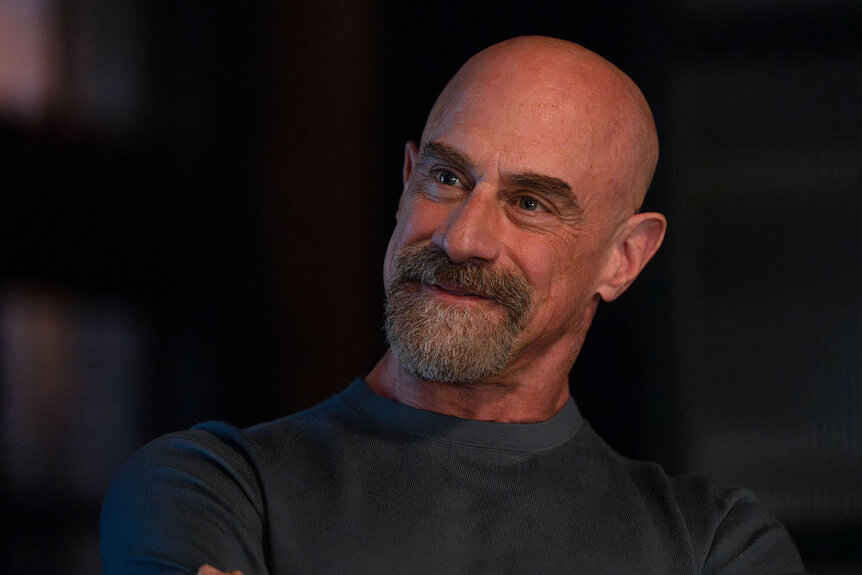
The Strategy of the Relaunch: Law & Order: Organized Crime
When Elliot Stabler returned to the screen in 2021, he did not simply return to the 16th Precinct. Instead, he headlined a spin-off: Law & Order: Organized Crime. From a brand strategy perspective, this was a brilliant pivot. It moved Stabler from the reactive environment of SVU into a high-stakes, serialized world that allowed for a more mature, refined exploration of the character.
Repositioning the Personal Brand
The “New Stabler” was not the same man who walked out in 2011. He was seasoned, haunted by grief, and operating in a more complex moral gray area. This repositioning was essential. A brand that does not evolve with its audience risks irrelevance. By transitioning Stabler from the traditional police procedural to an Organized Crime framework, the producers successfully updated his brand persona to align with contemporary expectations for television drama—which currently favors dark, long-form storytelling over episodic cases.
The “Crossover” as a Multi-Channel Marketing Tool
The recurring crossover events between SVU and Organized Crime serve as a textbook example of cross-platform brand synergy. By integrating the two shows, the production ensures that the equity built in one brand flows seamlessly into the other. It keeps the audience engaged across different time slots and platforms, maximizing the footprint of the Law & Order franchise. This strategy reinforces the “Stabler-Benson” relationship as the anchor of the entire universe, turning what could have been two separate shows into a cohesive, high-value ecosystem.
Lessons in Sustaining Long-Term Character Equity
The story of Detective Stabler is more than a plot summary; it is a case study for anyone involved in brand architecture. His journey highlights how characters, much like corporate icons, must be carefully curated, protected, and periodically reinvented to remain viable in an unforgiving marketplace.
1. Authenticity Remains the Core Asset
Even after a decade-long absence, Stabler was able to command immediate audience attention because the character felt “real.” His brand was built on consistent values—loyalty, intensity, and a commitment to justice—even when the methods were questionable. Brands that maintain a core, authentic identity survive long-term disruptions far better than those that try to change their fundamental value proposition to chase trends.
2. The Power of Absence
Many creators fear that a character’s absence will lead to brand dilution. However, Stabler’s departure proved that distance can build anticipation. By knowing when to step away, a brand can avoid overexposure, keeping the audience hungry for a return. The scarcity of Stabler between 2011 and 2021 ensured that when he returned, it was treated as a major event rather than a routine casting update.
3. Adapting to the Audience
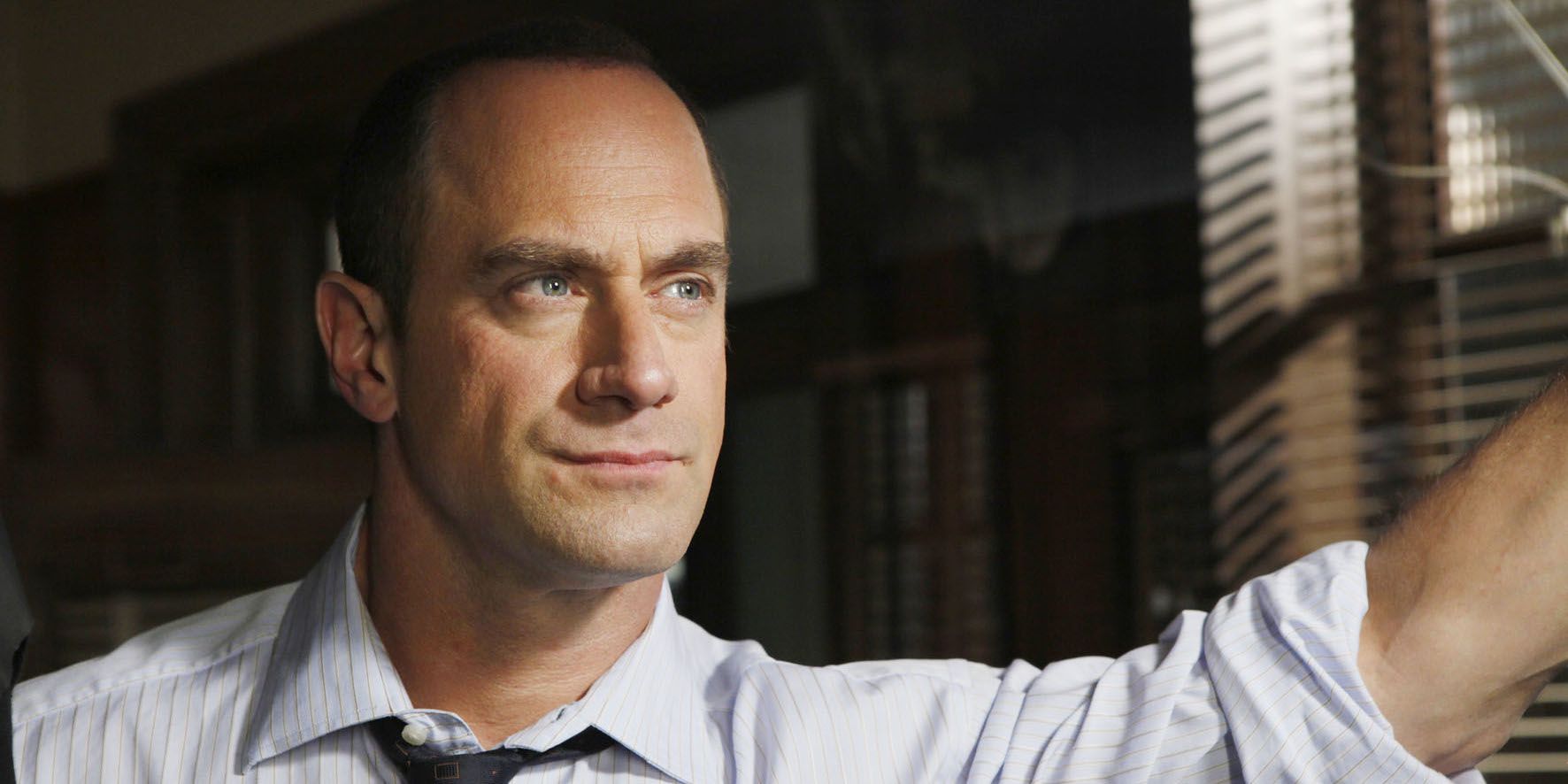
The most successful brands are those that grow alongside their consumer base. Stabler’s return to a serialized, grittier format reflects the shift in viewer preferences from traditional, neatly resolved procedural episodes to the complex, arc-driven narratives popular in the modern streaming era. He didn’t just come back; he leveled up. This adaptability is the hallmark of a resilient brand that can survive in a landscape defined by rapid changes in consumption habits.
In conclusion, Detective Stabler’s journey from the 16th Precinct to his current role in Organized Crime serves as a masterclass in professional branding. By navigating the complexities of contract negotiations, leveraging the power of nostalgia, and strategically repositioning himself for a modern audience, Stabler has proven that a well-crafted character is never truly obsolete. He remains a testament to the fact that when you build a brand based on a strong, distinct personality, the audience will follow that character wherever they go, provided the strategy behind the storytelling remains as sharp as the detective himself.
aViewFromTheCave is a participant in the Amazon Services LLC Associates Program, an affiliate advertising program designed to provide a means for sites to earn advertising fees by advertising and linking to Amazon.com. Amazon, the Amazon logo, AmazonSupply, and the AmazonSupply logo are trademarks of Amazon.com, Inc. or its affiliates. As an Amazon Associate we earn affiliate commissions from qualifying purchases.